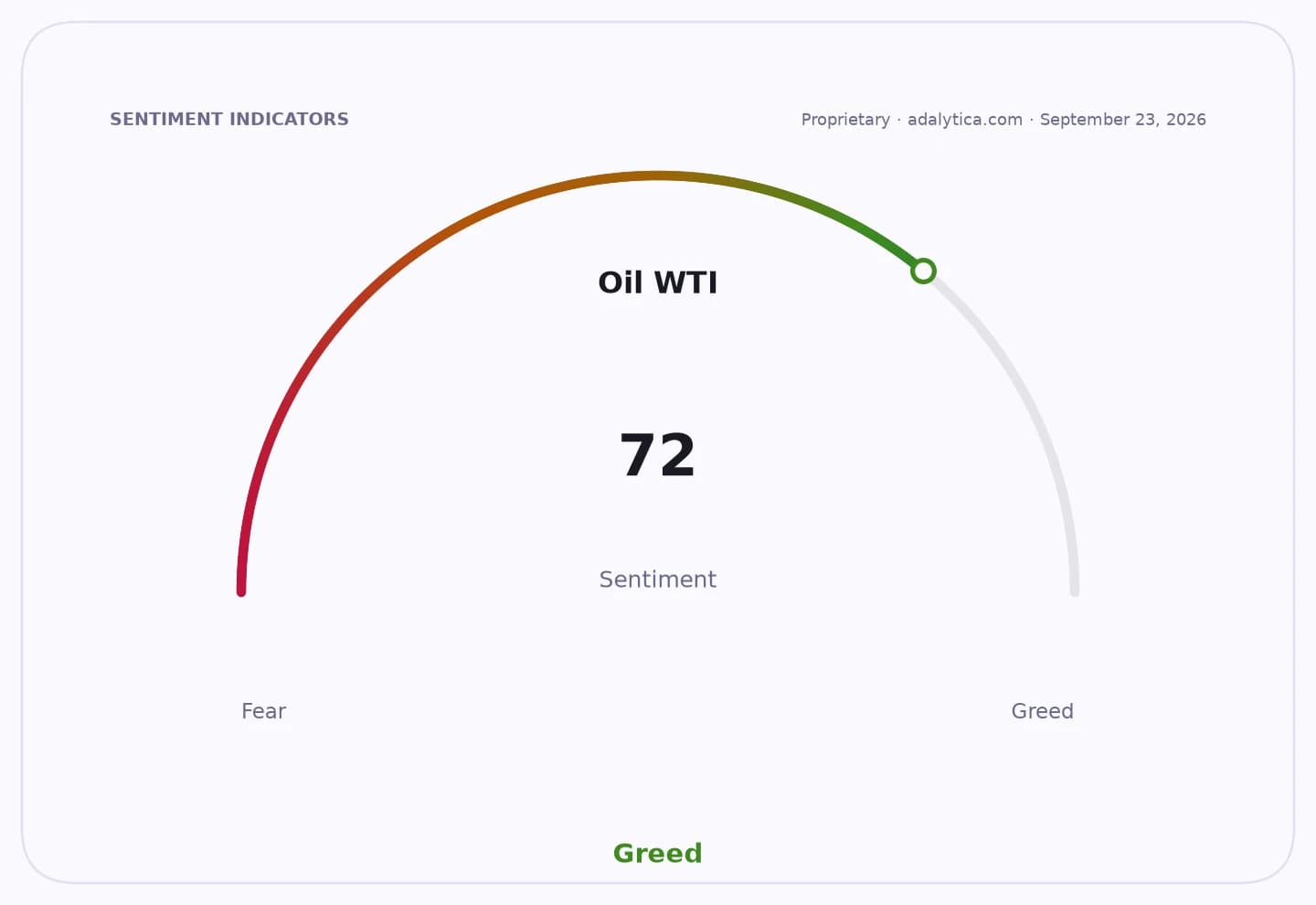
Gas stations in St. Petersburg have begun limiting how much gasoline motorists can buy in a single fill-up as elevated demand and patchy deliveries strain local supply, underscoring how Russia’s fuel market is moving from a pricing problem into a distribution problem.
St. Petersburg gas stations limit fuel sales
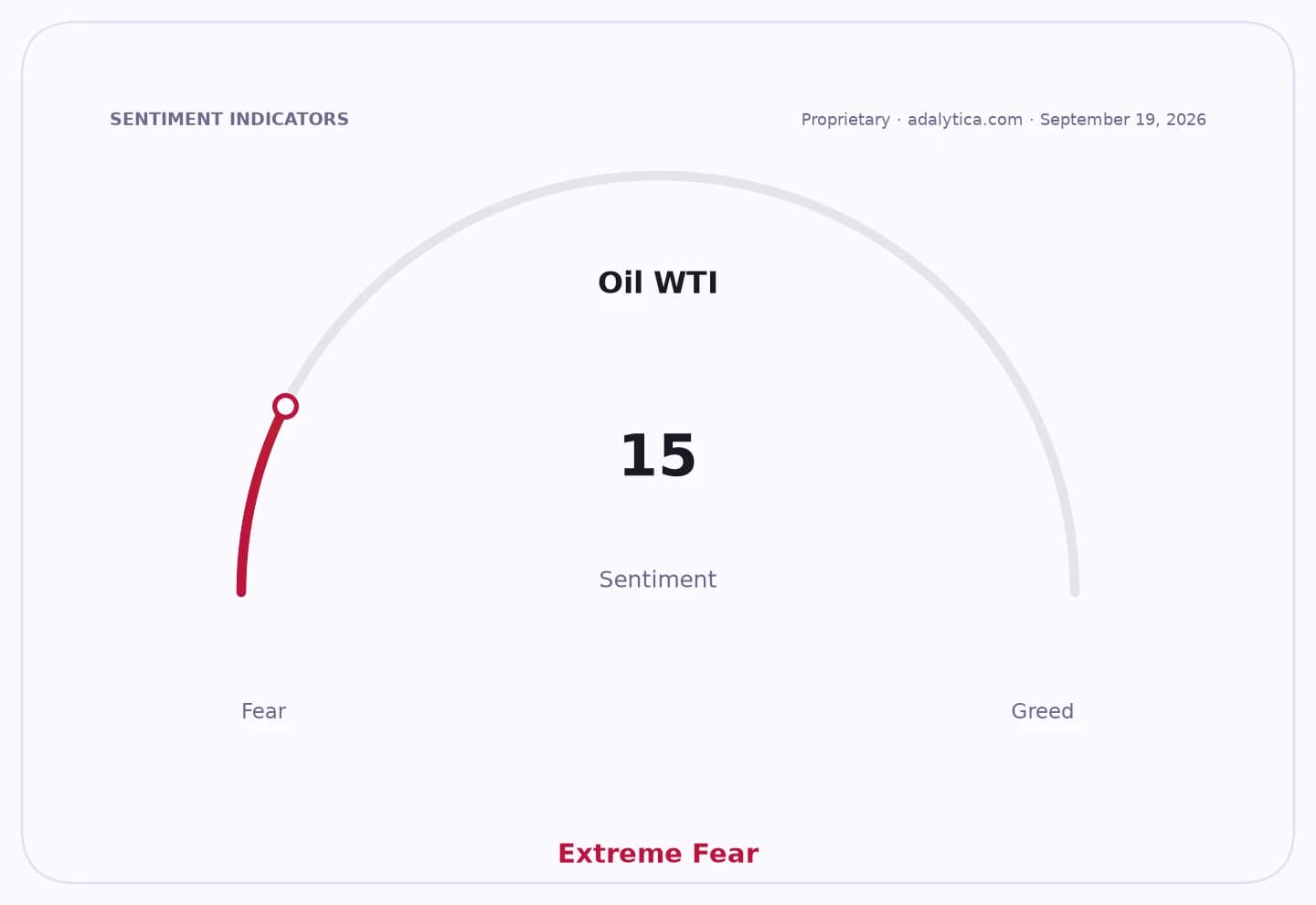
The most significant development is not just the cap itself, but the fact that a major Russian city is now rationing retail sales to keep pumps supplied and queues manageable. In a market where motorists are already seeing higher prices and tighter availability of popular grades such as AI-92 and AI-95, the appearance of purchase limits suggests regional stocks are being managed day by day rather than by normal commercial flow.
Sentiment IndicatorsⓘProprietary · adalytica.com · September 19, 2026
This is a snapshot — live sentiment, awareness and momentum for 130+ markets update continuously in the dashboard.Open AlphaPulse
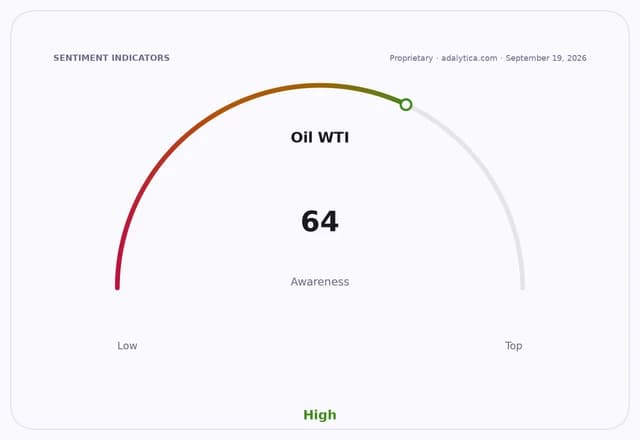
According to local reports, Gazprom Neft stations are allowing up to 60 liters when customers pay at the kiosk or terminal, while app-based purchases are capped at 40 liters. Tatneft is limiting sales of AI-92 and AI-95 to 50 liters per car, though motorists can buy up to 60 liters into jerry cans, with a total ceiling of 240 liters per vehicle. Rosneft is directing customers to check limits at specific stations, while Lukoil and Teboil said they have no limits in place. Brands are also steering motorists toward company apps to check fuel availability.
The measures matter because gasoline is not just another consumer good in Russia; it is a logistics input for transport, agriculture and broader regional commerce. When stations start rationing individual fill-ups, the issue can ripple through freight operators, commuters and small businesses, even if the broader national market still has fuel. The immediate objective is to spread limited volumes across more drivers and prevent the kind of concentrated panic buying that worsens shortages.
The problem is more acute in neighboring Leningrad region, where authorities imposed a blanket 30-liter limit per refuel from Sept. 15 through Oct. 1. Officials described that step as temporary and tied to a shortage of gasoline, especially AI-95. The region has also kept open the option of alternating service by odd and even license plates, a classic emergency measure, though it has not yet been activated.
For investors, the story is a reminder that energy stress can show up first in retail restrictions and only later in headline fuel prices. Refined products markets are already sensitive to geopolitics and supply disruptions, and any persistence of local rationing in Russia could keep pressure on domestic margins, transport costs and inflation expectations. It also reinforces the market’s preference for upstream and refining assets when fuel balances tighten, while raising risks for consumers and businesses exposed to higher pump prices and delivery delays.
The broader backdrop is a volatile gasoline market shaped by geopolitical tension and uneven supply chains. Brent and U.S. fuel proxies have been swinging on Middle East risks, while energy-sector shares have remained comparatively firm as refiners and integrated producers benefit from tighter product markets. The Russian regional limits suggest those global pressures are being transmitted into local distribution before they fully feed through to national statistics.
What to watch next is whether the St. Petersburg restrictions remain isolated or spread to other Russian cities, whether the Leningrad cap is extended beyond Oct. 1 and whether authorities move from station-level restrictions to broader rationing by vehicle plate. If shortages persist, the economic cost will be felt less in crude markets than in the everyday movement of goods and people.
| Entity | Gains | Losses |
|---|---|---|
| Fuel retailers with stock | ▲Preserve inventory | ▼Face customer frustration |
| Motorists and small businesses | ▲Some access to fuel | ▼Lower fill volumes |
| Regional authorities | ▲Reduce queues | ▼Expose supply weakness |
| Refiners and fuel suppliers | ▲Stronger pricing power | ▼Higher distribution stress |