Russia’s push to extend piped gas to households has become both a domestic policy win and a signal of how the country is using its energy giant as a tool of social and political stability.
Gazprom reaches 91.2% household gas access in Russia
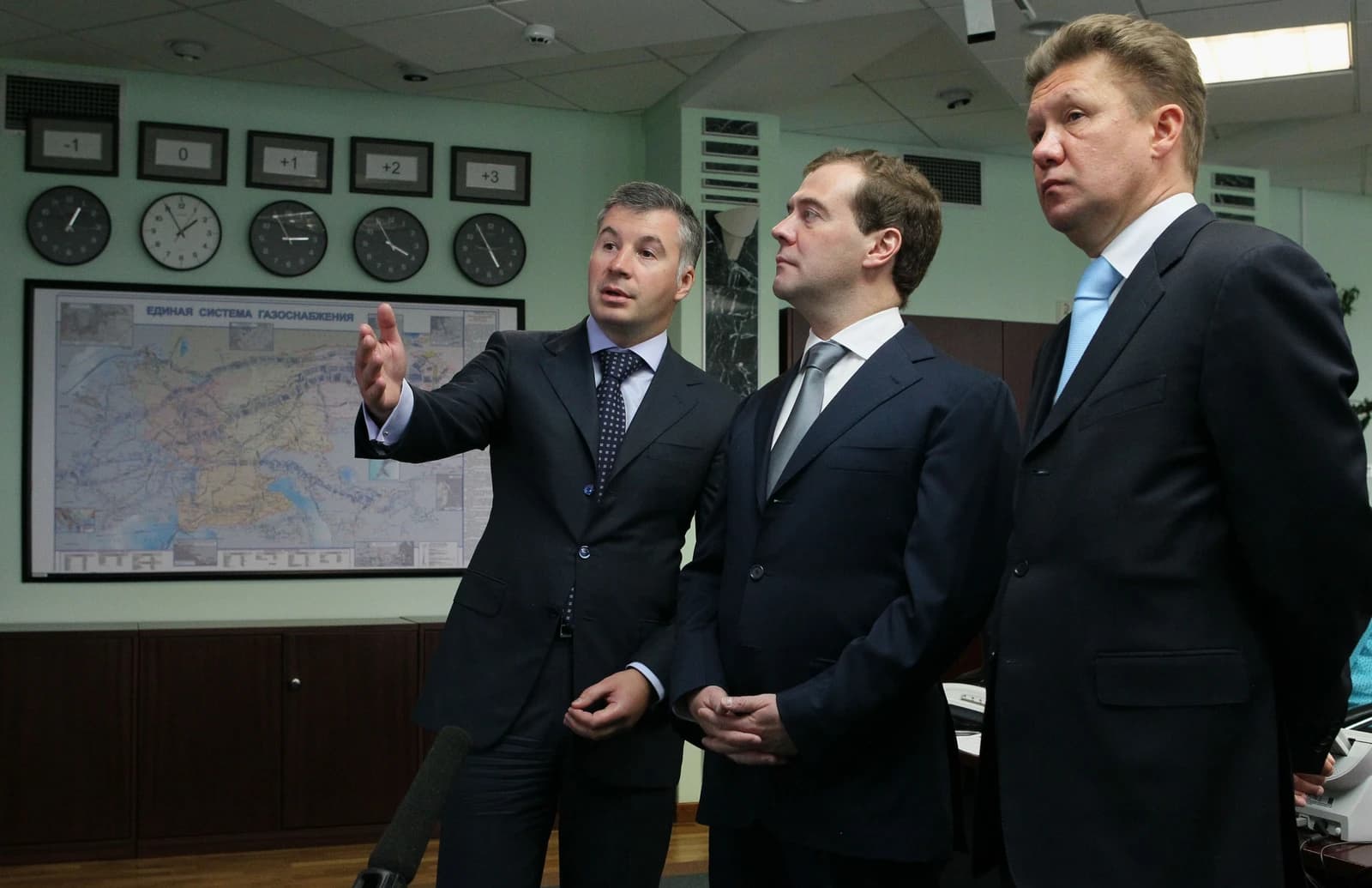
Gazprom Chief Executive Alexey Miller said access to piped natural gas in Russia reached 91.2% on Jan. 1, 2026, calling it the highest level in the world and framing the milestone as evidence of the country’s unmatched gas accessibility. He made the remarks at the opening of new gas facilities under Russia’s social gasification program, an event attended by President Vladimir Putin by video link.
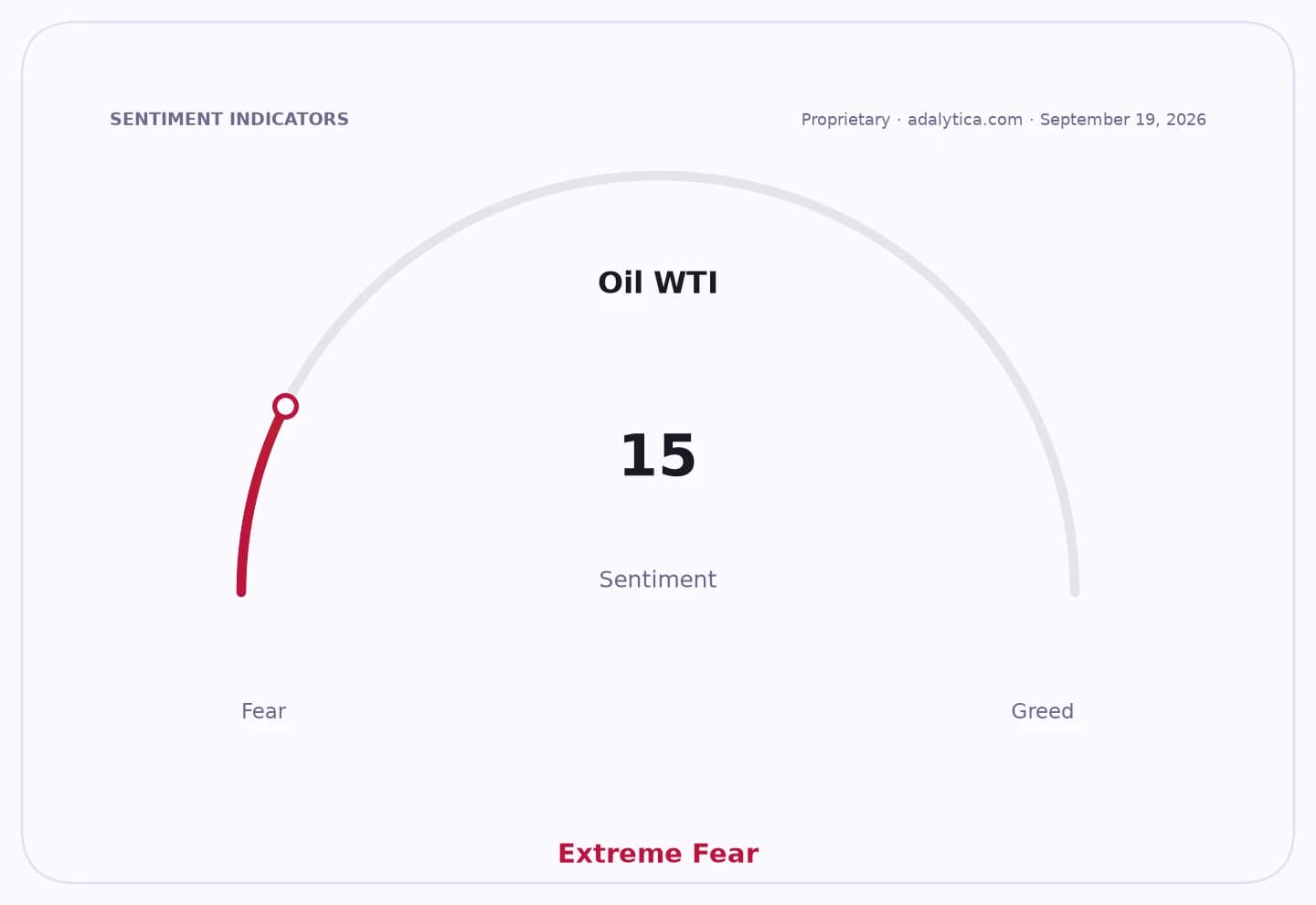
Sentiment IndicatorsⓘProprietary · adalytica.com · September 21, 2026
This is a snapshot — live sentiment, awareness and momentum for 130+ markets update continuously in the dashboard.Open AlphaPulse
The number matters because it turns a long-running infrastructure program into a measurable economic and political asset. For the Kremlin, broader gas access helps support household energy affordability, reduces the need for alternative fuels such as bottled gas, and underpins living standards in regions far from major energy corridors. For Gazprom, it reinforces the company’s domestic mandate at a time when export markets remain constrained by geopolitics, sanctions and the reshaping of Europe’s energy system.
Gazprom said earlier in September that it expanded gas coverage to 117 more localities from January through August, and that its 2021-2025 infrastructure program covered work in 72 regions, bringing gas supply facilities to more than 335,000 households in 2,150 settlements. That scale suggests the company is still directing substantial capital and operational resources toward Russia’s internal market, even as its international business has been hit by the war in Ukraine and the loss of much of its European demand.
The domestic buildout also has broader macro implications. Greater gas penetration can ease local energy bottlenecks, support small industrial users and stabilize heating costs in a country where winter demand is heavy and transport links are uneven. In a more strained global energy market, that matters for Russia’s ability to preserve internal demand and political support even if export revenues are less reliable than in the past.
For investors, the message is mixed. The bullish case is that Gazprom retains an enormous, state-backed domestic franchise with long-duration infrastructure economics and strategic importance. The bearish case is that this same focus highlights how limited the company’s export optionality has become, leaving profitability more dependent on regulated home-market pricing, government priorities and heavy capital spending rather than high-margin foreign sales.
The comparison with global gas markets is stark. Germany is expanding gas tenders ahead of winter and countries from Bangladesh to Europe remain focused on securing supply, while U.S. gas funds have been volatile and oil and gas prices continue to swing with geopolitical risk. Against that backdrop, Russia is presenting gas not just as an export commodity, but as a national utility and instrument of state policy.
The next question for markets is whether Russia’s domestic gas expansion can remain financially sustainable if export earnings stay under pressure. If Gazprom keeps prioritizing household penetration and network buildout, investors will likely see the company less as a conventional growth story and more as a strategic utility whose returns are shaped as much by policy as by price.
| Entity | Gains | Losses |
|---|---|---|
| Gazprom | ▲Domestic relevance | ▼Export leverage |
| Russian households | ▲Cheaper access | ▼Limited choice |
| Kremlin | ▲Social stability | ▼Capital flexibility |
| Foreign gas rivals | ▲N/A | ▼Lost market share |