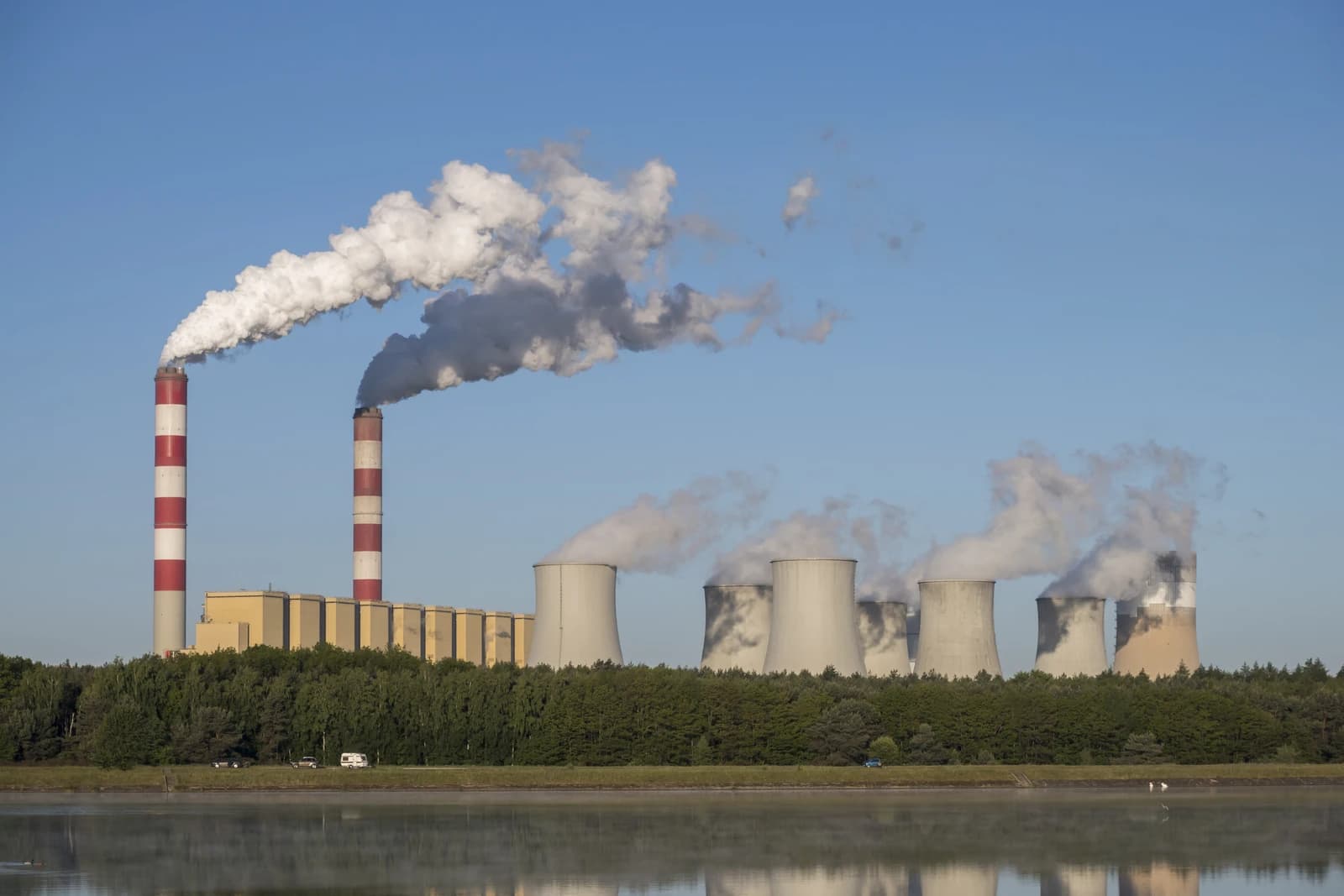
Germany has formally filed a United Nations roadmap to phase out coal, oil and natural gas by 2045, turning a climate pledge into a policy blueprint that the government says is also about lowering costs, reducing import dependence and protecting households and industry from geopolitical shocks.
Germany files UN fossil-fuel phaseout roadmap
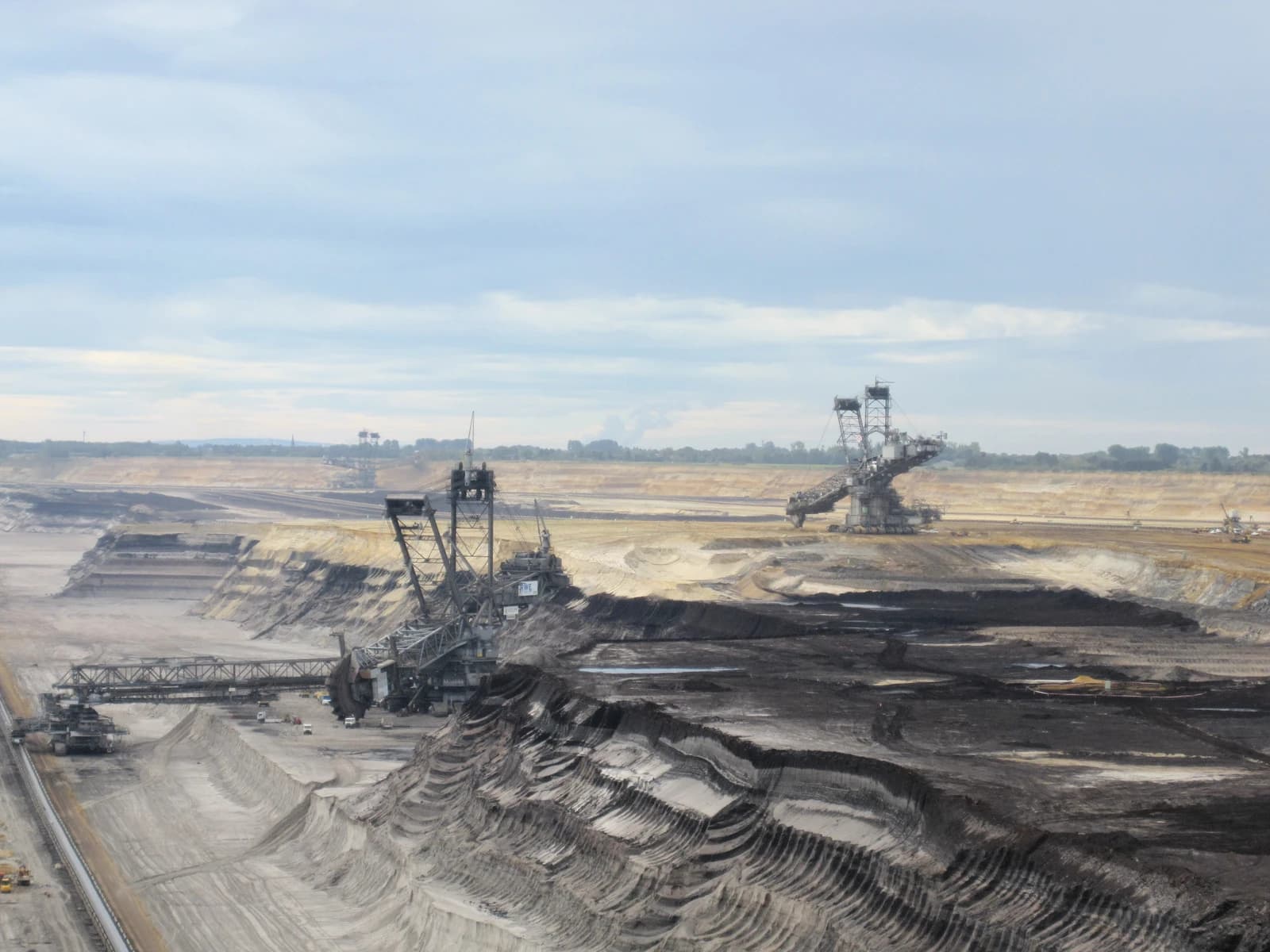
The move matters because Germany remains one of Europe’s most energy-dependent large economies: in 2024, fossil fuels still made up 65% of total energy consumption, while 98% of mineral oil and 95% of natural gas were imported, according to Environment Minister Carsten Schneider. That leaves the country exposed to swings in global commodity prices, shipping routes and supply disruptions, a vulnerability that has become more costly since tensions around the Strait of Hormuz pushed up energy bills again.
Sentiment IndicatorsⓘProprietary · adalytica.com · September 29, 2026
This is a snapshot — live sentiment, awareness and momentum for 130+ markets update continuously in the dashboard.Open AlphaPulse
Schneider framed the transition as an economic and industrial policy as much as an environmental one, arguing that dependence on imported oil and gas is a drag on growth and financial security for both consumers and companies. Germany said fossil-fuel costs already reached 76 billion euros in 2024, underscoring how much money leaves the economy each year to pay for energy imports rather than domestic investment.
The roadmap also gives fresh political weight to the 2023 Dubai climate deal, under which countries committed to move away from fossil fuels but without specifying how or when. France and the Netherlands have already submitted similar plans, and Germany’s filing is intended to pressure other major economies to follow. For investors, that raises the prospect of tighter long-term policy support for renewables, electrification and heating upgrades across Europe, even as near-term energy security concerns keep fossil-fuel demand from disappearing quickly.
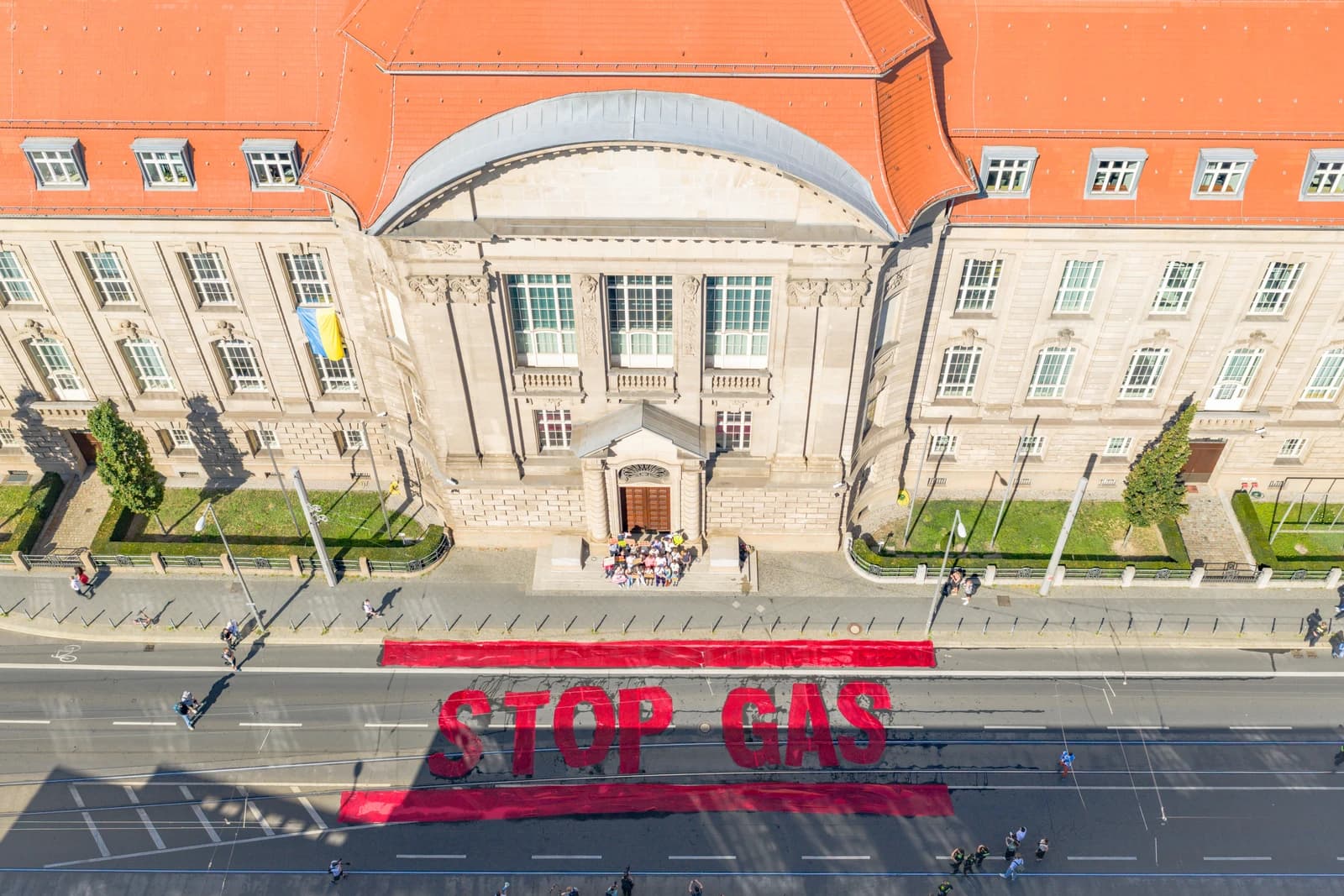
That tension is visible in Germany itself. Schneider said renewable power is scaling rapidly, electric vehicle adoption is accelerating and more heat pumps than gas boilers were sold in 2025 for the first time. But environmental groups welcomed the roadmap with a familiar warning: Germany is still subsidising oil and slowing the shift away from gas, which could delay the demand destruction needed for a faster transition.
For energy markets, the message is less about an abrupt collapse in fossil-fuel consumption than a policy ratchet that gradually shifts capital allocation. The near-term backdrop still favors hydrocarbons in some regions, with Europe turning back to coal when gas prices spike and global supply remains tight. But Germany’s filing suggests the longer-term direction of travel in Europe’s largest economy is toward lower structural demand for imported fuels, and that is ultimately what matters for utilities, oil majors, pipeline assets and clean-energy suppliers.
For investors, the winners are likely to be firms positioned for electrification, grid buildout, heat pumps and renewable generation, while the losers are businesses tied to imported oil, gas and coal demand that depends on a slower transition. The timing remains the key risk: if policymakers cannot accelerate infrastructure, permitting and consumer adoption, Germany’s 2045 target will remain a roadmap rather than a near-term market shock.
| Entity | Gains | Losses |
|---|---|---|
| Renewable power and grid builders | ▲Longer policy runway | ▼ |
| Heat pump and EV suppliers | ▲Faster electrification demand | ▼ |
| Oil and gas importers | ▲ | ▼Long-term demand erosion |
| Coal and gas utilities | ▲ | ▼Pressure from phaseout policy |