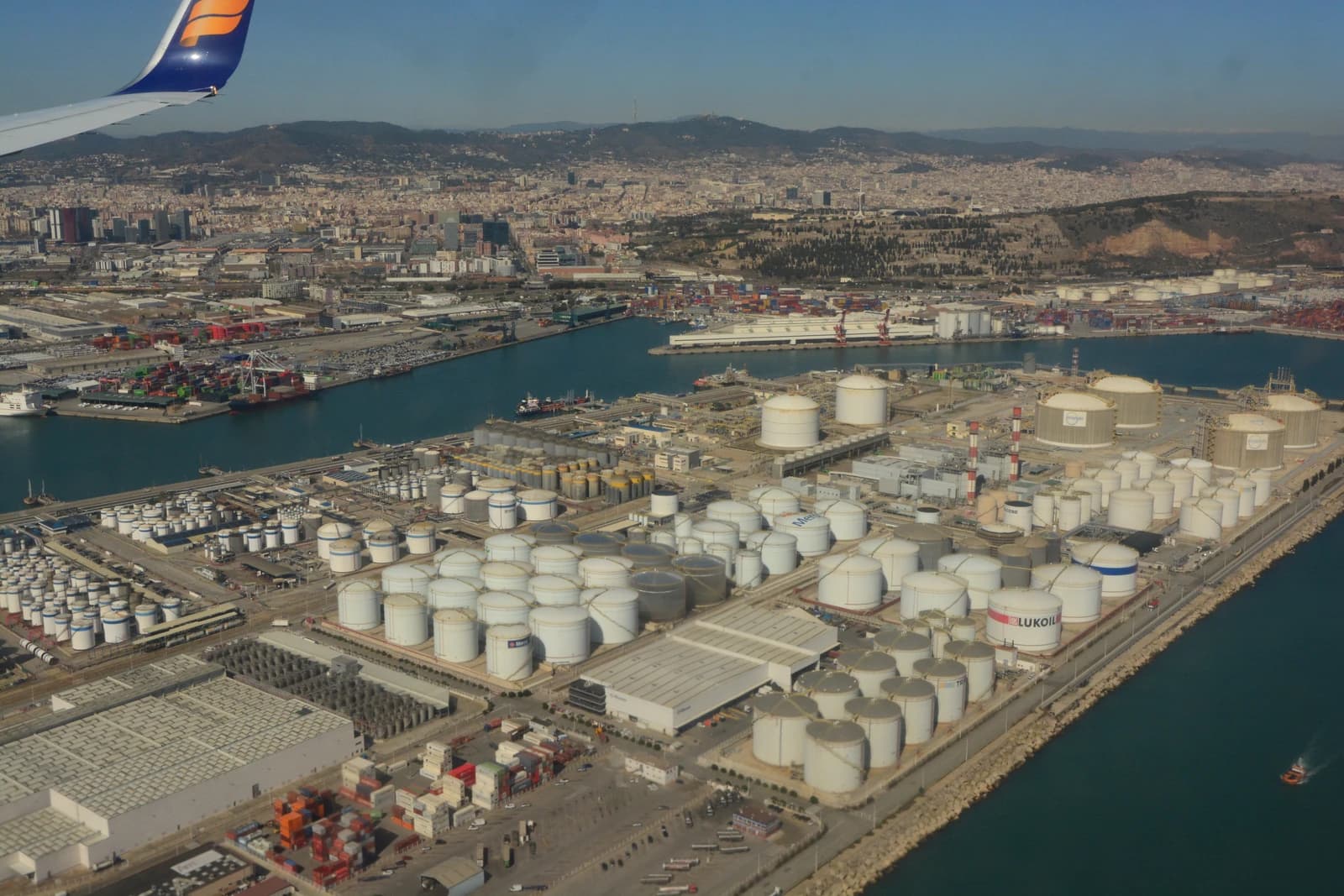
The Houthis said they launched missile and drone attacks on targets in Riyadh and on Saudi Aramco facilities in Yanbu, reviving fears that one of the world’s most important oil exporters could again become a flashpoint for energy markets.
Saudi oil attack claims lift crude risk premium
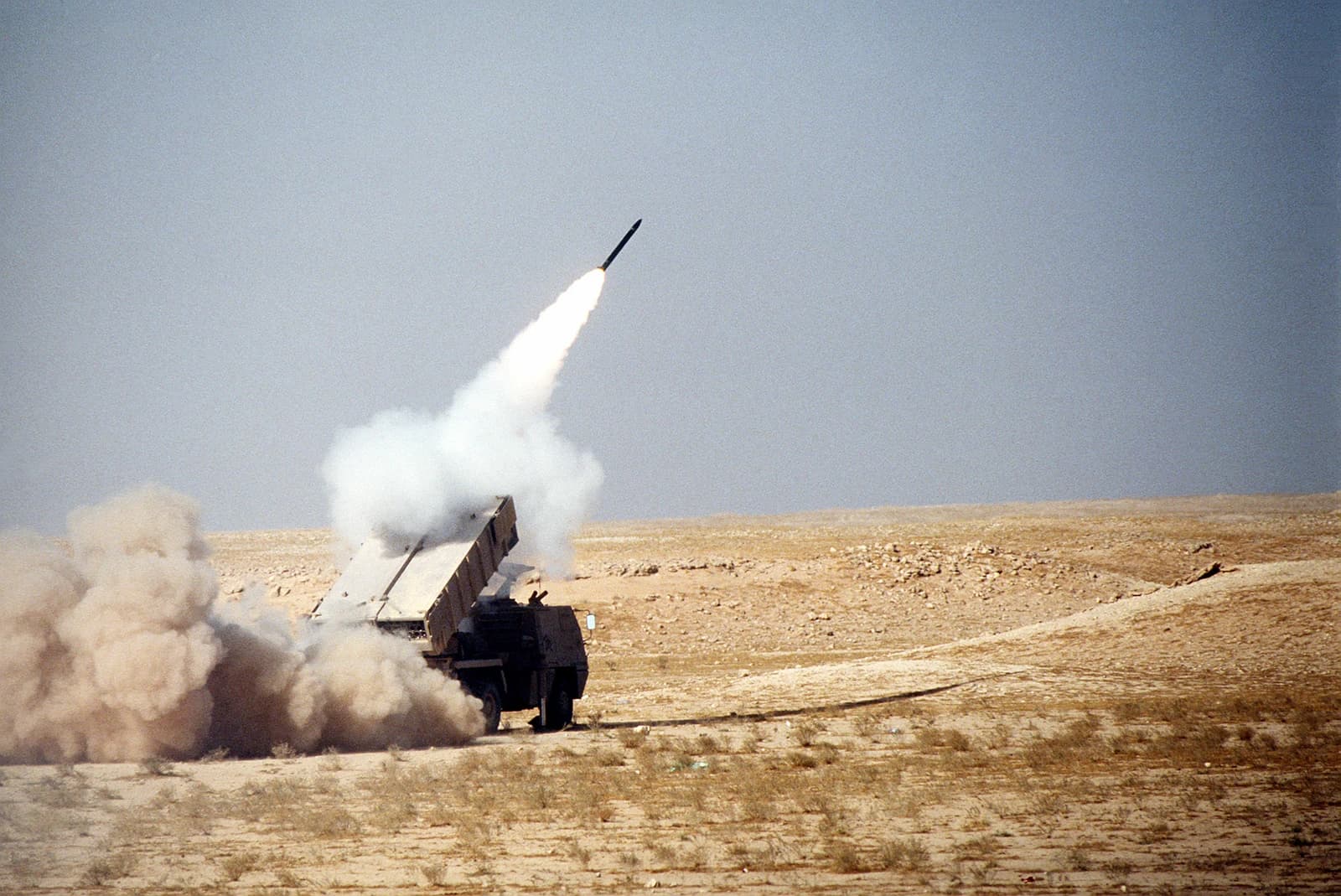
The claim matters because Saudi infrastructure sits at the center of global crude supply, and even unsuccessful attacks can lift risk premiums in oil, shipping and regional assets. Saudi Arabia has spent years hardening its export network and recently restored use of the East-West pipeline, which gives it an alternative to Gulf routes and helps cushion disruptions. But the Houthis’ statement, if treated as a credible escalation, underscores that spare capacity and redundant logistics do not eliminate the market’s sensitivity to threats against Saudi production and export assets.
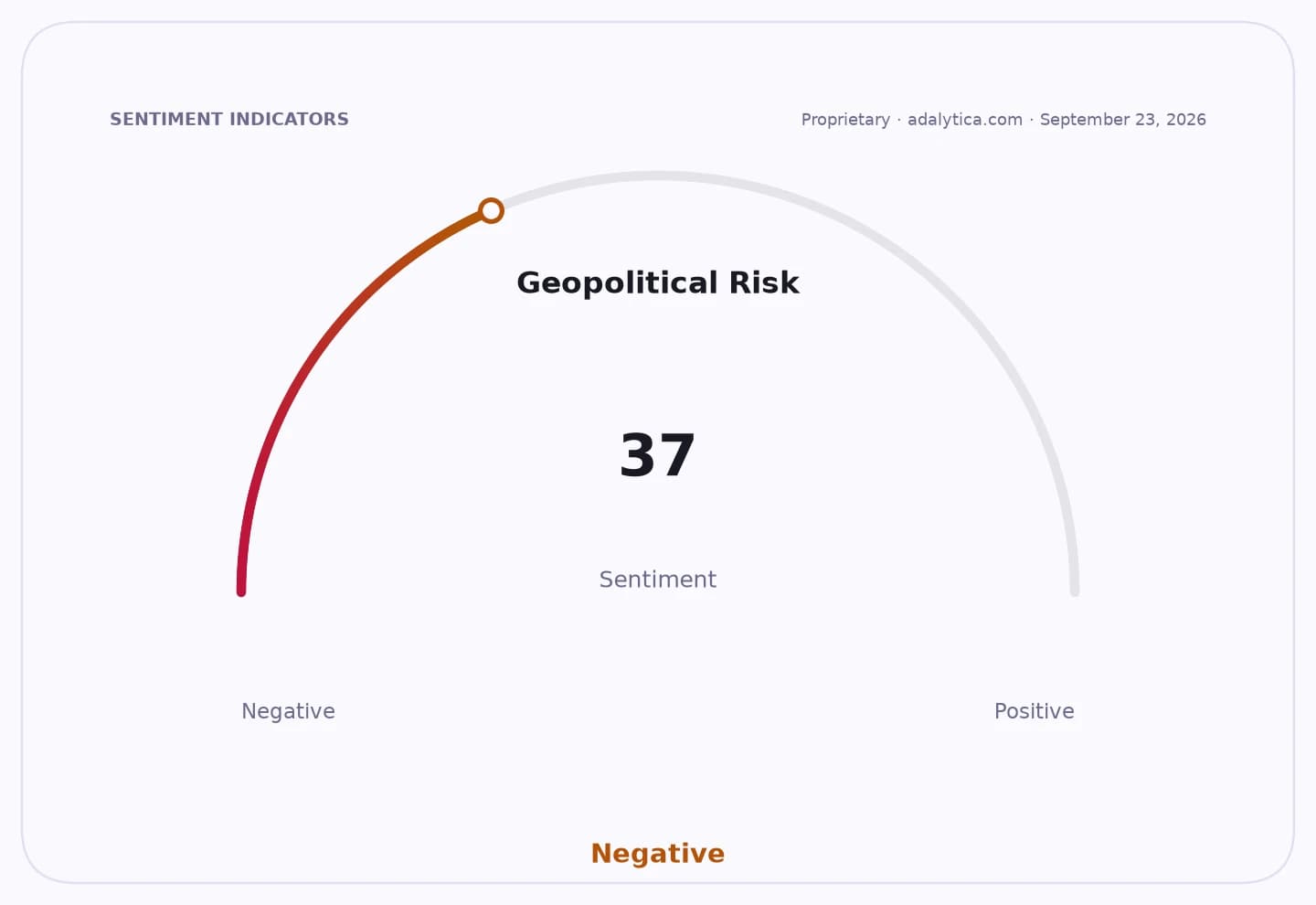
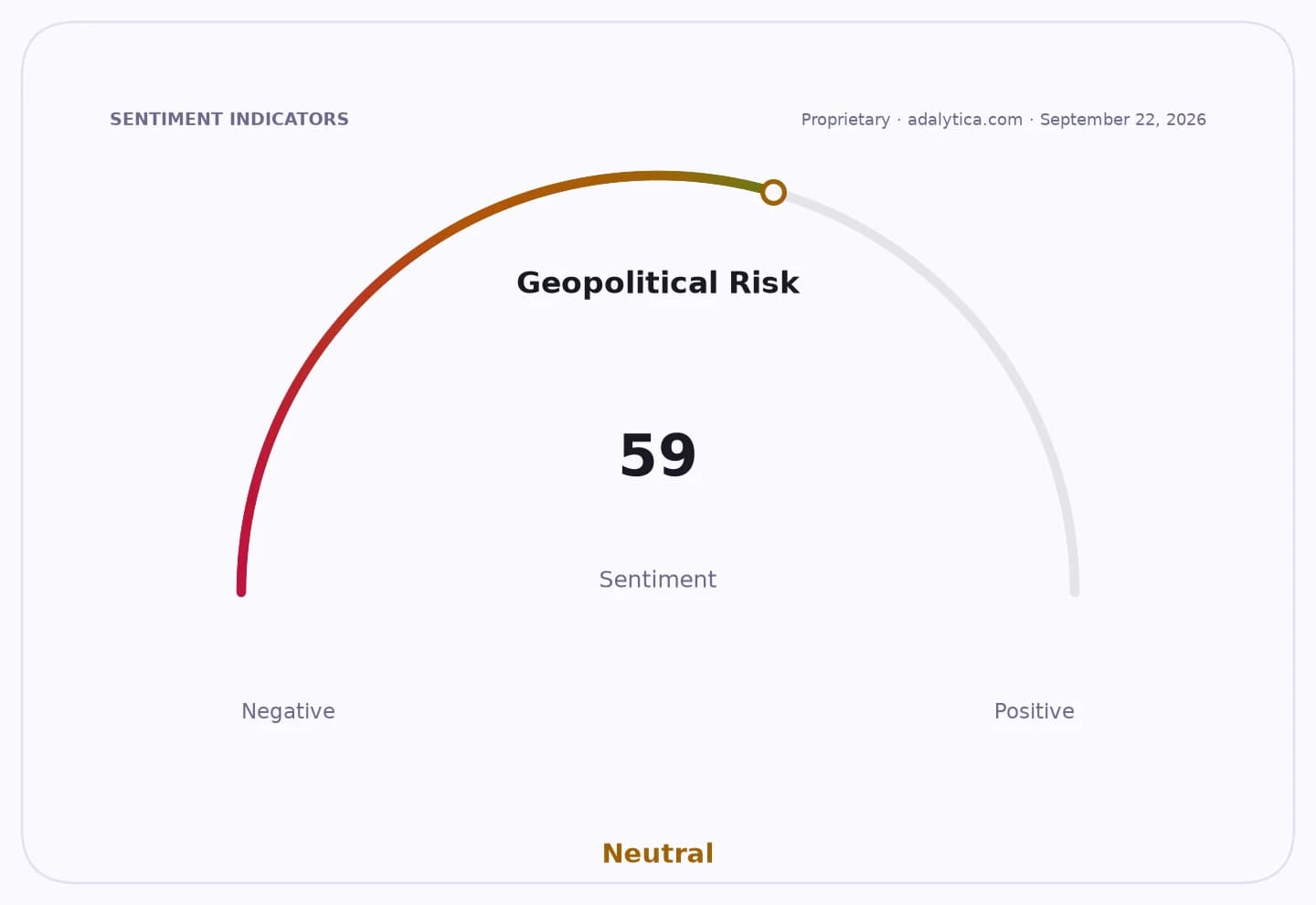
Sentiment IndicatorsⓘProprietary · adalytica.com · September 30, 2026
This is a snapshot — live sentiment, awareness and momentum for 130+ markets update continuously in the dashboard.Open AlphaPulse
Brent-linked oil gauges were already trading with elevated geopolitical sensitivity. U.S. crude futures had eased to about $88.86 a barrel on the latest close after a sharp run-up earlier in the month, while the energy sector ETF XLE was hovering near $61.54 and the U.S.-listed oil fund BNO near $58.75. That pullback does not remove the underlying vulnerability: technical readings on both crude and energy equities still show prices above their 50-day averages, with recent momentum cooling rather than collapsing. In other words, the market remains positioned for headlines like this to trigger outsized moves.
The economic transmission is straightforward. Any credible threat to Saudi oil infrastructure can tighten the prompt crude market, raise tanker insurance costs, and increase volatility in energy stocks and emerging-market assets tied to Middle East stability. It also complicates OPEC+ policy, because Saudi Arabia’s ability to keep exports flowing is central to the cartel’s credibility and to the kingdom’s fiscal plans. Higher oil prices would help producers and service companies, but they would also raise input costs for importers and keep pressure on inflation expectations just as global bond yields are near multi-year highs.
That is why the reaction in Treasuries also matters. The 10-year U.S. yield was around 5.17%-5.24% in the latest readings, leaving limited room for investors to absorb a fresh energy shock without repricing rate-cut expectations and term premiums. For equity investors, the risk is less about one attack than about a renewed cycle of retaliation that keeps crude supported even as broader growth data soften.
The Bear case is that the Houthis are again using attacks as strategic signaling rather than as a successful disruption of supply. Saudi Arabia’s defenses, redundancy in export routes, and its ability to reroute flows reduce the odds of a sustained outage. The Bull case for oil and defense-related names is that markets rarely wait for damage before assigning a premium, and repeated claims on Saudi targets can keep crude bids alive even when physical impact is limited.
For investors, the key question is whether this becomes another short-lived geopolitical spike or the start of a broader escalation that forces traders to reassess supply security across the Red Sea and Gulf. If the rhetoric is matched by sustained attacks, oil, shipping, defense contractors and volatility hedges stand to gain; if not, the move may fade, but the premium for Middle East risk is unlikely to disappear.
| Entity | Gains | Losses |
|---|---|---|
| Oil producers | ▲Higher crude risk premium | ▼Demand destruction risk |
| Saudi Arabia | ▲Rallying support for security | ▼Infrastructure exposure |
| Consumers/importers | ▲Temporary fuel stability if attack fails | ▼Higher energy costs if escalation broadens |
| Defense and shipping insurers | ▲More demand for protection | ▼Higher claims risk |