Arab economies are moving from watching geopolitical disruption to planning around it, as the Arab Economic and Social Council puts supply chains, food security and energy costs at the center of its agenda. That matters because the region’s trade, inflation and growth outlook are increasingly being shaped not just by domestic policy, but by shipping bottlenecks, higher fuel prices and the fragility of transport routes linking the Middle East, North Africa and global markets.
Arab Council Focuses on Supply Chains and Energy Costs

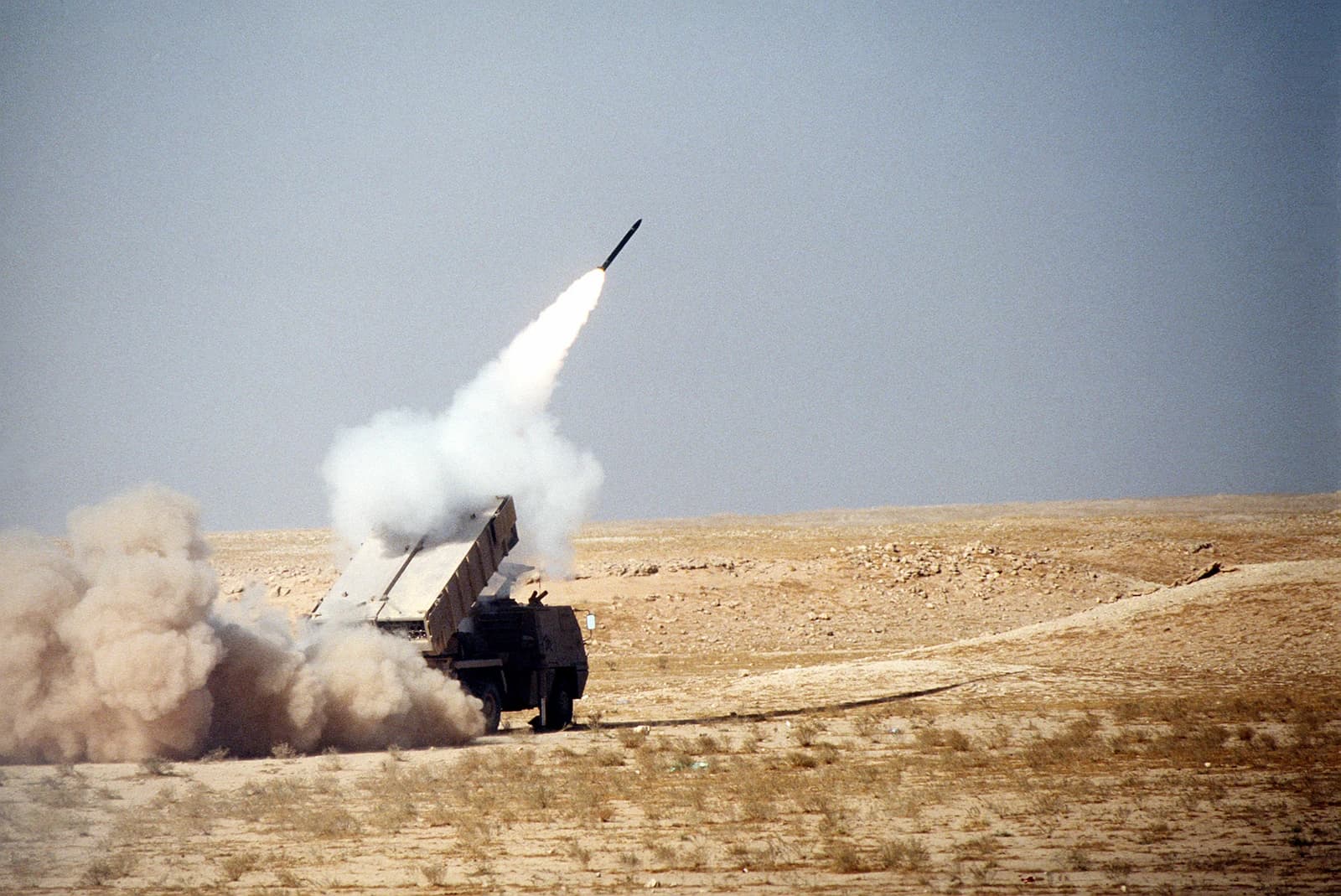
The council’s 118th ordinary session highlighted the economic fallout from unrest across trade corridors, with Jordan warning of “deep” effects from interrupted shipping lines, rising energy prices and tighter access to production inputs. Iraq said it is looking for alternative supply routes as pressure builds around the Strait of Hormuz, underscoring how quickly a regional security shock can become a logistics shock, then a price shock, then an inflation shock.

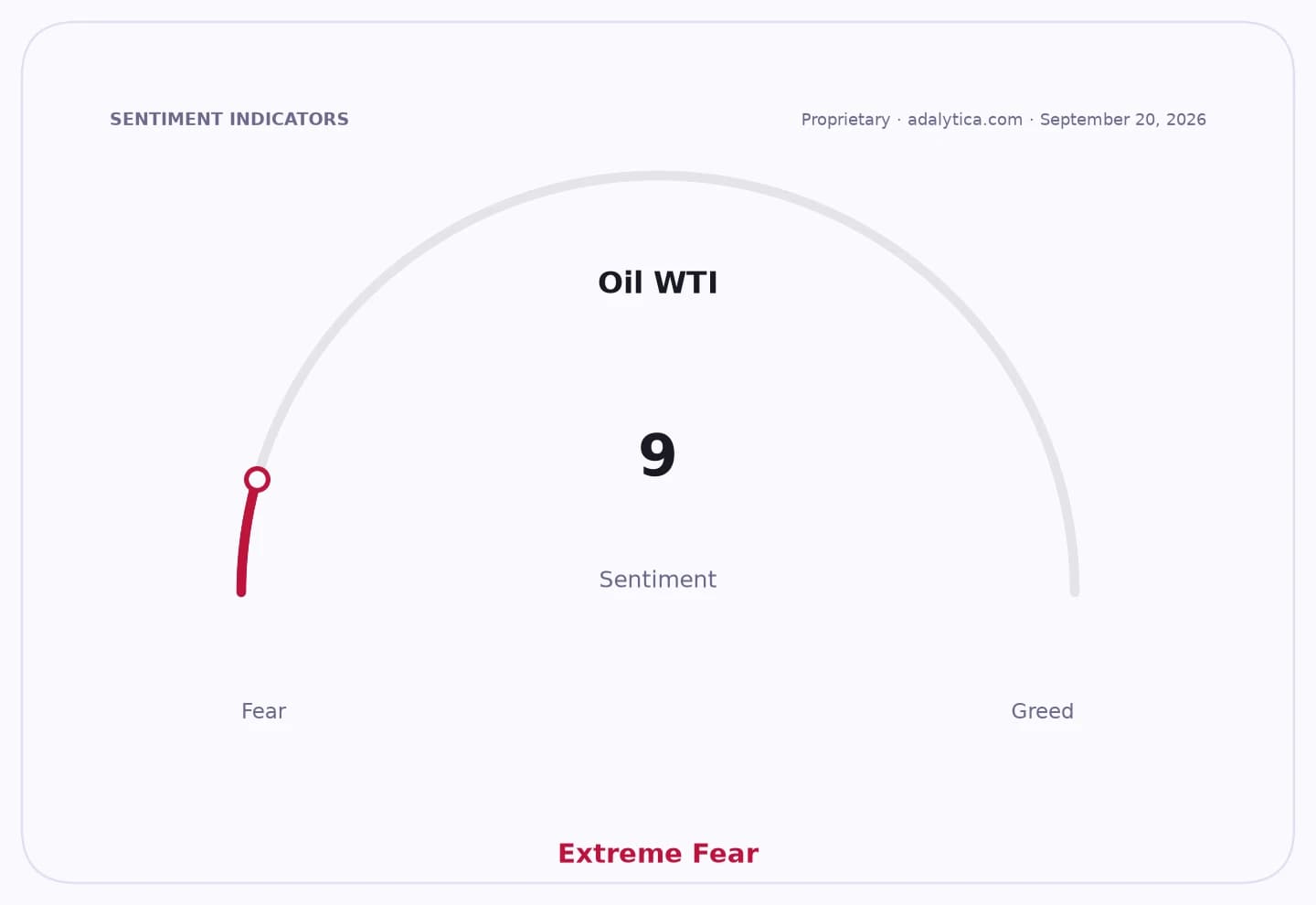
That sequence is exactly why investors should pay attention. When freight lanes are compromised, import-dependent economies face higher landed costs, firms absorb margin pressure, and central banks get less room to ease. The same stress ripples through commodity markets: crude remains near $91.75 a barrel in the latest forecast, while the 10-year U.S. Treasury yield is hovering near 4.84%, a combination that keeps global financial conditions tight even before the next escalation.
The council’s response shows Arab policymakers know the risk is structural, not temporary. Members discussed measures to strengthen food security, widen intra-Arab trade, and improve the movement of goods and services between member states. They also reviewed plans tied to digital transformation, economic diversification and sustainable finance — all of which are increasingly part of supply-chain resilience, not just long-term development rhetoric.
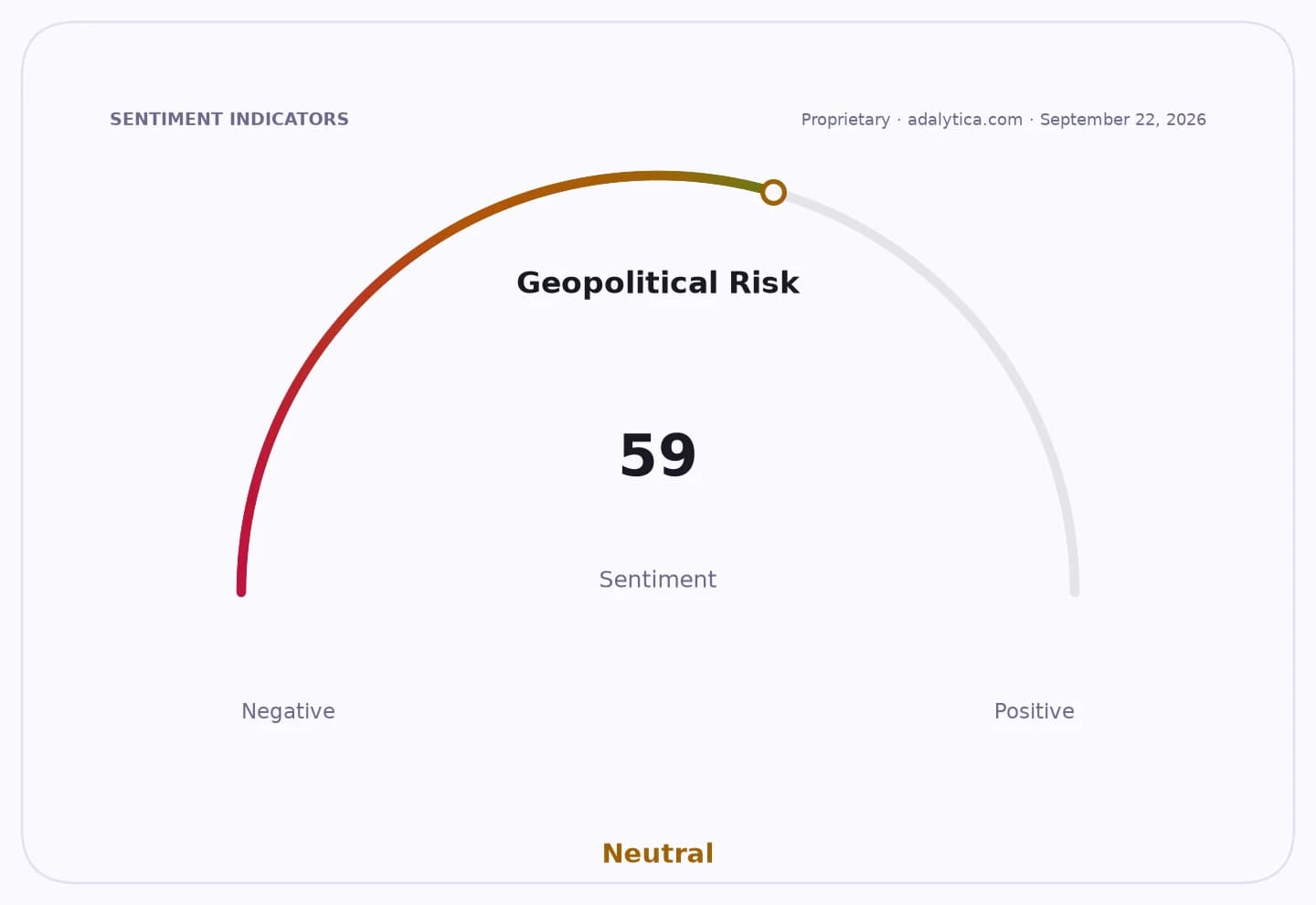
Geopolitical Risk — 30-day sentimentadalytica.com
Explore this data interactively — full history, time series and cross-market comparisons.Open AlphaPulse

For investors, the key implication is that geopolitics is reinforcing a bid for redundancy: more warehouses, more regional distribution hubs, more nearshoring, more strategic inventories and more logistics infrastructure. Those are favorable conditions for transport, industrial and infrastructure names that sit on the “toll road” of commerce, while exporters of staples and energy-linked producers gain pricing power when routes tighten and inventories get rebuilt.
The market has already started to price that in. The industrials ETF XLI has lost altitude and is trading around 174.56, below its 50-day moving average of 181.37, while the transport ETF IYT is at 83.60, also under its 50-day average of 86.94. By contrast, DBA, the agriculture ETF, has surged to 29.09 and is trading well above its 50-day average, a sign that food inflation and crop-supply anxiety are continuing to attract capital.
My view is that this is not a one-off headline risk. The Arab council’s discussion points to a broader investment regime where supply-chain resilience becomes a secular capex theme. That favors rail, ports, freight, industrial automation, warehouse systems, fertilizer, crop inputs and energy infrastructure over purely cyclical trade exposure. If geopolitical volatility stays elevated, the winners will be the companies that make moving, storing and securing goods cheaper and more reliable.
| Entity | Gains | Losses |
|---|---|---|
| Logistics and infrastructure providers | ▲Higher demand for resilience spending | ▼Route disruption risk |
| Agriculture and crop-input plays | ▲Food-security bid | ▼Input-cost volatility |
| Oil-linked producers | ▲Stronger pricing power | ▼Demand uncertainty |
| Import-dependent economies | ▲None | ▼Higher landed costs |