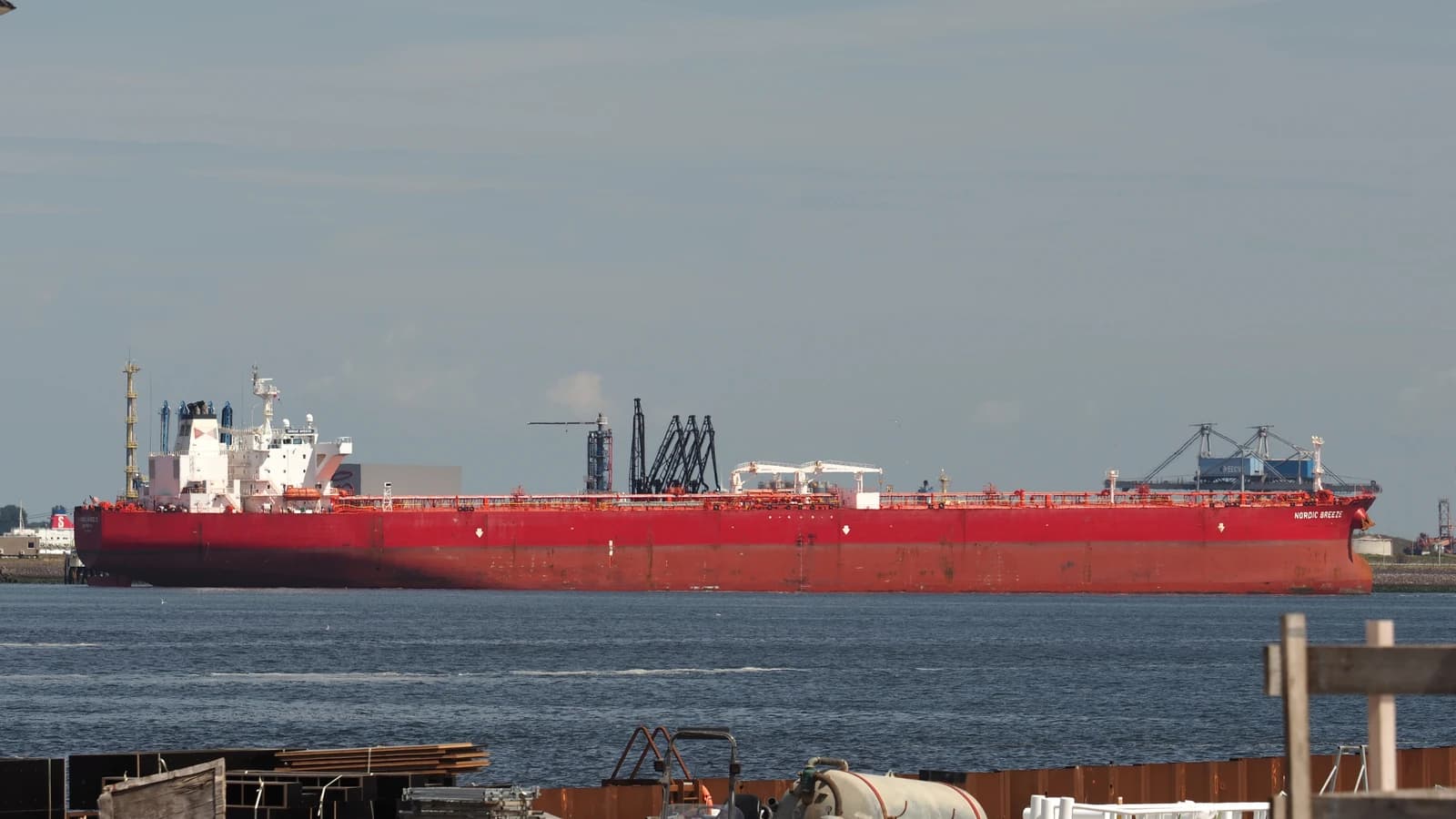
European refiners are set to lose their usual Saudi crude flows next month after an attack on a key pipeline forced Riyadh to curtail exports, a disruption that could tighten Mediterranean supply, support crude prices and widen margins for refineries with access to alternative barrels.
Saudi Pipeline Attack Cuts Europe Crude Supply
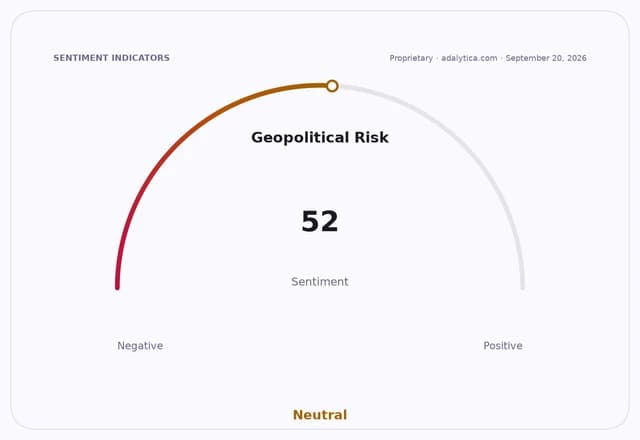
The suspension matters because Saudi Arabia has long been one of Europe’s most dependable suppliers, with much of the trade moving under long-term contracts that help anchor refinery crude slates and pricing. Sources said the disruption will affect all European buyers, not just selected cargoes, underscoring how quickly a regional security incident can ripple through the oil trade.
Saudi Arabia halted the East-West pipeline last week after a drone attack, and a source familiar with the situation said partial operations could resume in the coming days, with a full restoration taking up to six weeks. That pipeline is central to moving Saudi crude from the interior to the Red Sea, where it can reach European refiners via the Egyptian port of Sidi Kerir on the Mediterranean.
The immediate economic effect is a supply squeeze into a market that was already sensitive to geopolitical risk. The International Energy Agency said OECD Europe imported 577,000 barrels a day from Saudi Arabia in June, a meaningful volume for refiners that rely on steady sour crude supply to optimize yields. Losing those barrels temporarily could force buyers to draw on alternative Middle Eastern cargoes, West African grades or U.S. exports, typically at higher freight and replacement costs.
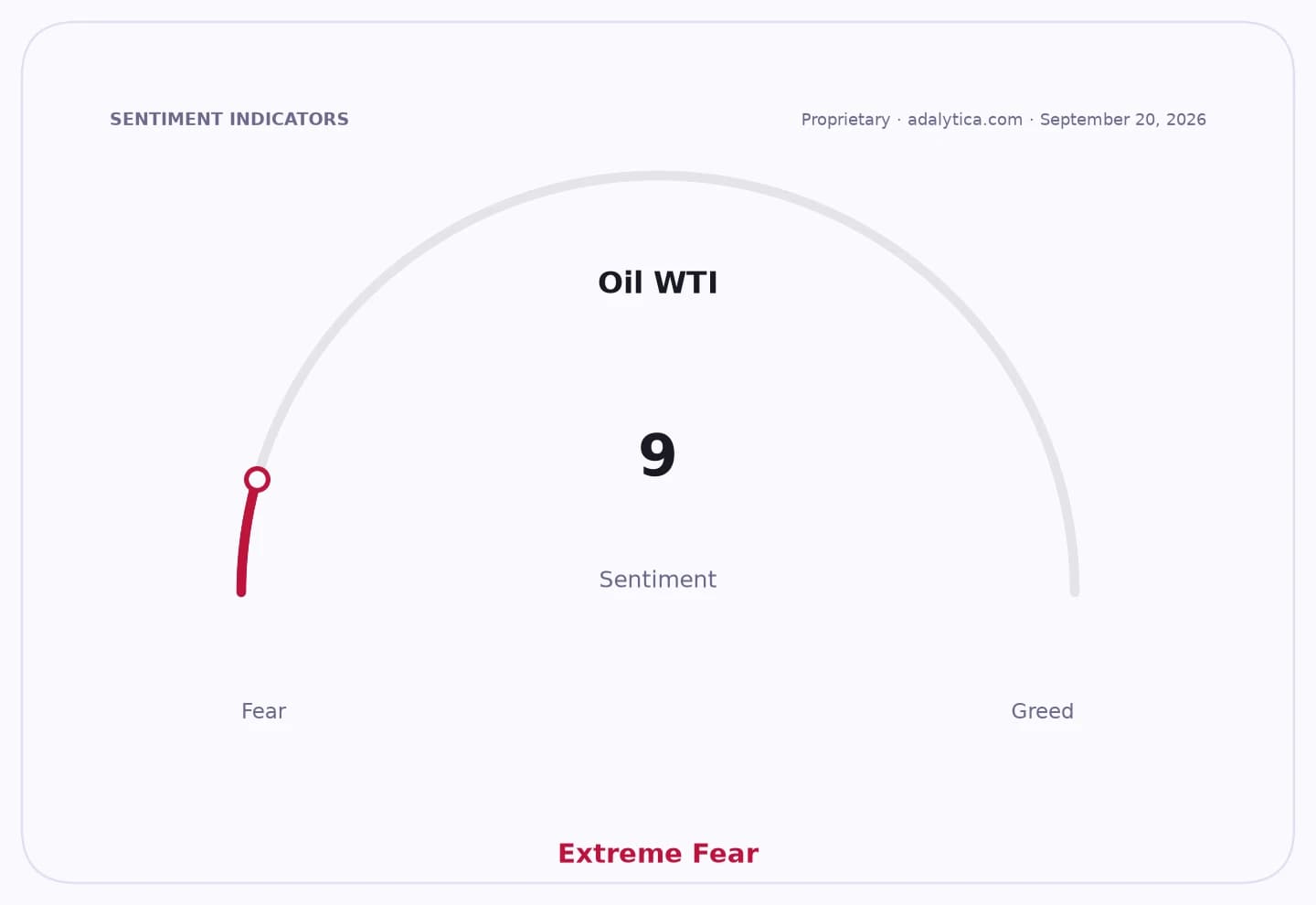
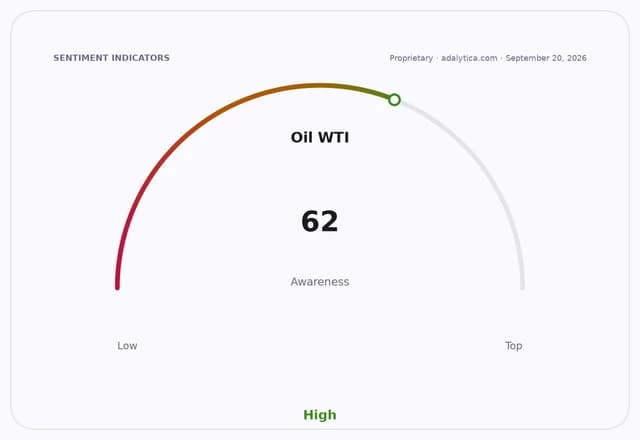
Oil markets have already been trading on the threat of wider Middle East disruptions. Brent futures have been volatile around the low-$100s, while WTI has also remained elevated, reflecting both supply anxiety and the prospect that any sustained outage would tighten physical balances further. For refiners, the effect is two-sided: feedstock scarcity can squeeze operations, but stronger product cracks and higher replacement costs can lift margins for those able to secure supply.
That creates a clearer split between winners and losers. European refiners lacking flexible crude access face higher procurement costs and possible run-rate disruptions, while traders and exporters with spare barrels benefit from stronger demand and firmer differentials. U.S. refiners and producers may also gain if displaced Saudi volumes are replaced by Atlantic Basin grades, supporting trans-Atlantic flows.
The broader market implication is that Saudi Arabia’s role as a stabilizing supplier is being tested by regional conflict. Chevron, Exxon Mobil, Valero and Marathon Petroleum have all flagged the impact of Middle East instability on refining and marketing margins in recent filings, while global product markets remain tight enough for even short-lived disruptions to matter.
For investors, the key question is whether this is a brief logistics interruption or the start of a longer pattern of attack-driven supply risk. If repairs proceed on the six-week timetable, the market may absorb the outage without a lasting shock. But any repeat strike, or delays in restoring the pipeline and Red Sea export route, would keep a floor under crude prices and preserve support for refiners and producers exposed to scarcity economics.
| Entity | Gains | Losses |
|---|---|---|
| Saudi competitors | ▲Market share in Europe | ▼None |
| U.S. and Atlantic Basin exporters | ▲Higher demand for replacement barrels | ▼None |
| European refiners | ▲Higher cracks for well-supplied plants | ▼Lost Saudi supply, higher feedstock costs |
| Oil producers | ▲Firmer crude prices | ▼Demand destruction if outages persist |