Saudi Aramco’s push to expand crude export routes and add overseas storage underscores a broader shift in the oil market: producers are paying a premium for flexibility as geopolitics increasingly shapes where barrels can move and how reliably they reach customers.
Saudi Aramco Expands Export Routes and Storage
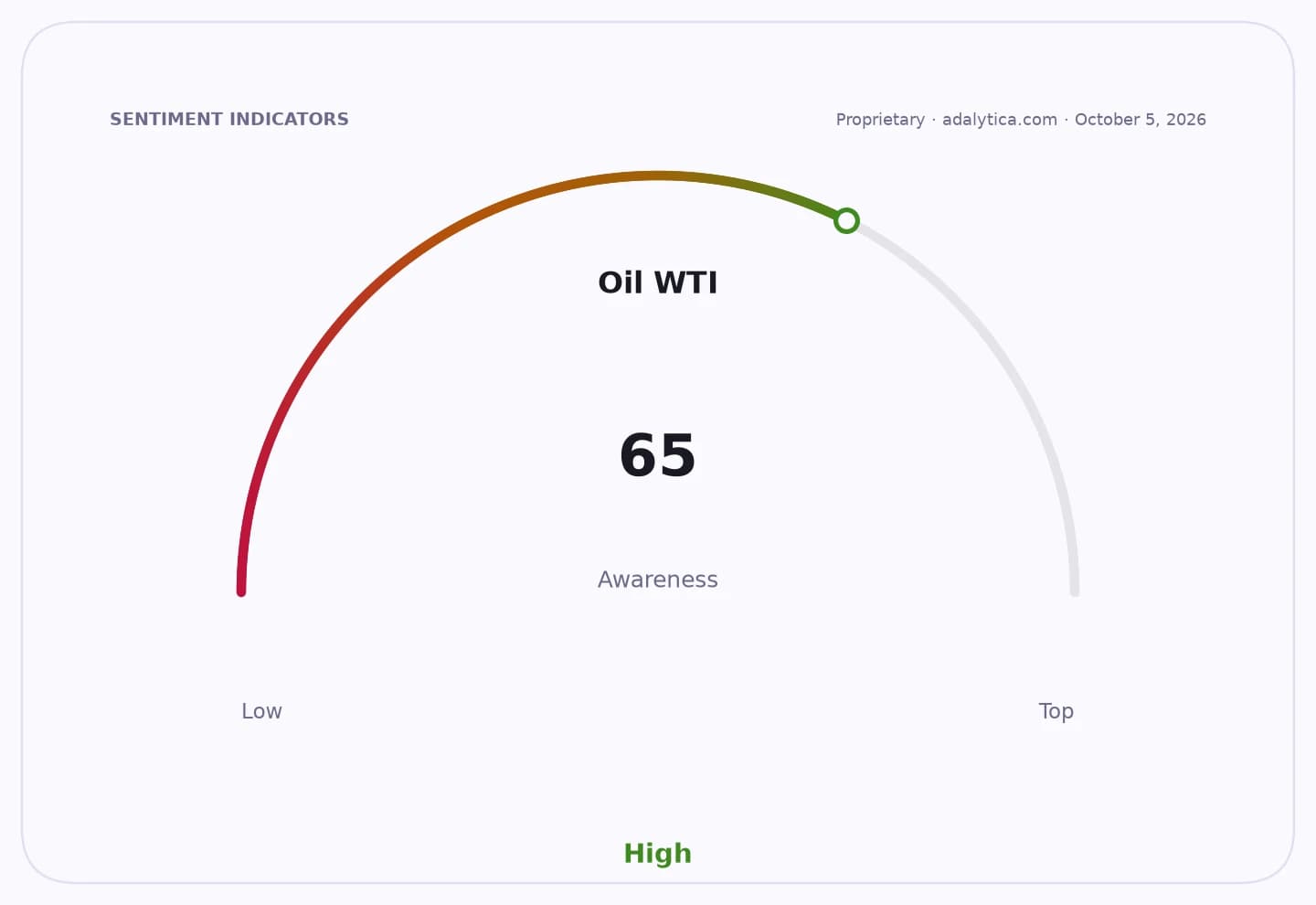
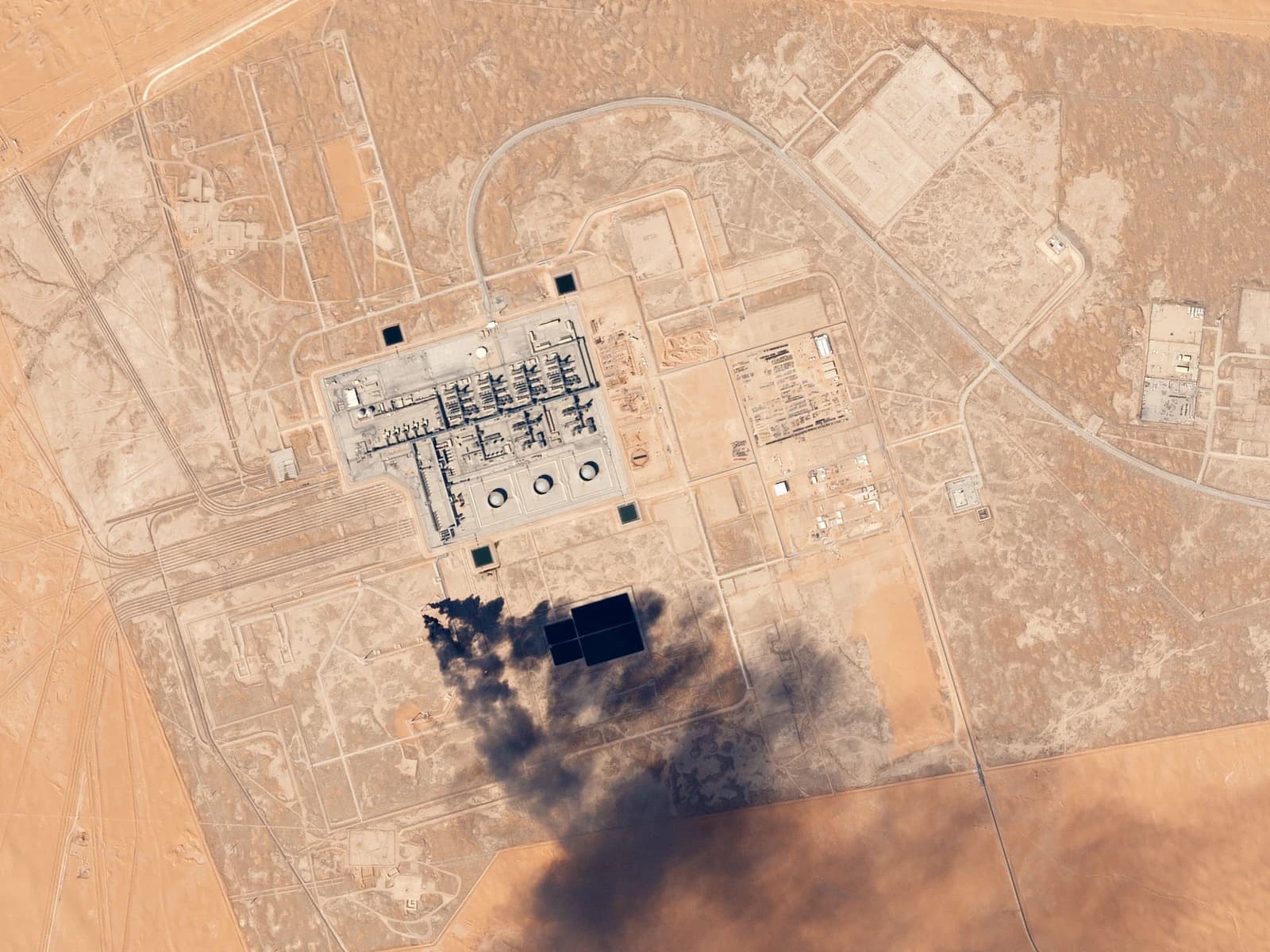
The world’s biggest oil exporter is trying to reduce its dependence on any single shipping corridor, according to chief executive Amin Nasser, as Middle East supply chains adjust to a more volatile backdrop. For investors, the significance goes beyond logistics. Alternative export routes and foreign storage assets can protect volumes, preserve pricing power and reduce the chance that temporary disruption turns into lost sales.
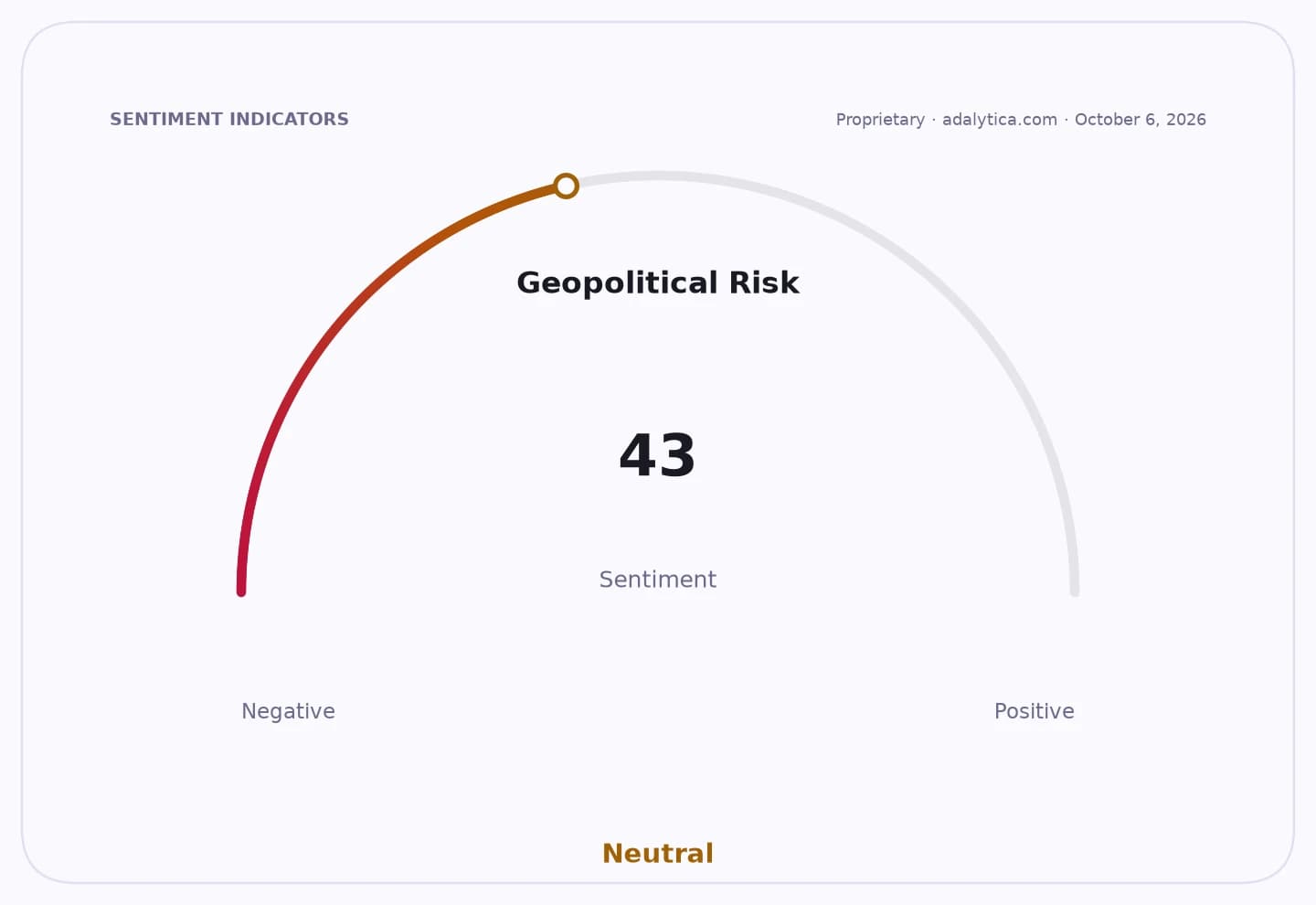
Sentiment IndicatorsⓘProprietary · adalytica.com · October 5, 2026
This is a snapshot — live sentiment, awareness and momentum for 130+ markets update continuously in the dashboard.Open AlphaPulse
The strategy also fits a market that has been unusually sensitive to supply-route headlines. Brent-linked crude has held up despite global turmoil, while the ability of Middle East producers to route barrels around choke points such as the Strait of Hormuz has become a key stabilizer for the market. Recent recovery in Red Sea-linked exports through a pipeline bypassing Hormuz has helped reassure buyers that regional supply is not as fragile as it appeared during periods of elevated shipping risk.
For Aramco, more storage abroad would deepen commercial optionality. Holding crude closer to end markets can smooth deliveries to refiners in Asia and Europe, improve trading flexibility and support long-term customer relationships. It can also help the company balance maintenance, shipping delays and episodic security risks without sacrificing export volumes.
The move matters economically because oil logistics are now part of the margin structure, not just the cost base. A producer that can reroute cargoes or stage barrels in overseas terminals can defend realized prices better than one forced to clear crude into a disrupted market. That is particularly relevant when global supply remains tight enough for route interruptions, sanctions and conflict risk to move prices quickly.
The investor angle is twofold. Bullish investors will see an integrated export network as a durability advantage for Aramco’s cash generation, especially if it preserves market share and supports steady dividends. Skeptics may argue the spending reflects a world in which geopolitical risk is becoming a permanent operating cost, with returns depending on how often those assets are actually used.
The backdrop also helps explain why energy shares have stayed firm. US oil equities and the broader energy sector have outperformed at times when oil prices firmed on supply concerns, and the latest trading in crude has shown how quickly geopolitical risk can feed through to the group. A more resilient Saudi export system would reinforce that dynamic by limiting downside to physical supply.
The key question now is whether Aramco can secure enough capacity and routes to keep optionality high without materially raising costs. If successful, the company would be better positioned to navigate future shocks in the Gulf and maintain its role as the market’s swing supplier. If tensions ease, the investment still has value as insurance — but insurers rarely get credit until the crisis hits.
| Entity | Gains | Losses |
|---|---|---|
| Saudi Aramco | ▲export flexibility | ▼route concentration risk |
| Global refiners | ▲steadier supply | ▼tighter spot premiums |
| Energy investors | ▲lower disruption risk | ▼less geopolitical upside |
| Rival producers with weaker logistics | ▲none | ▼competitive disadvantage |