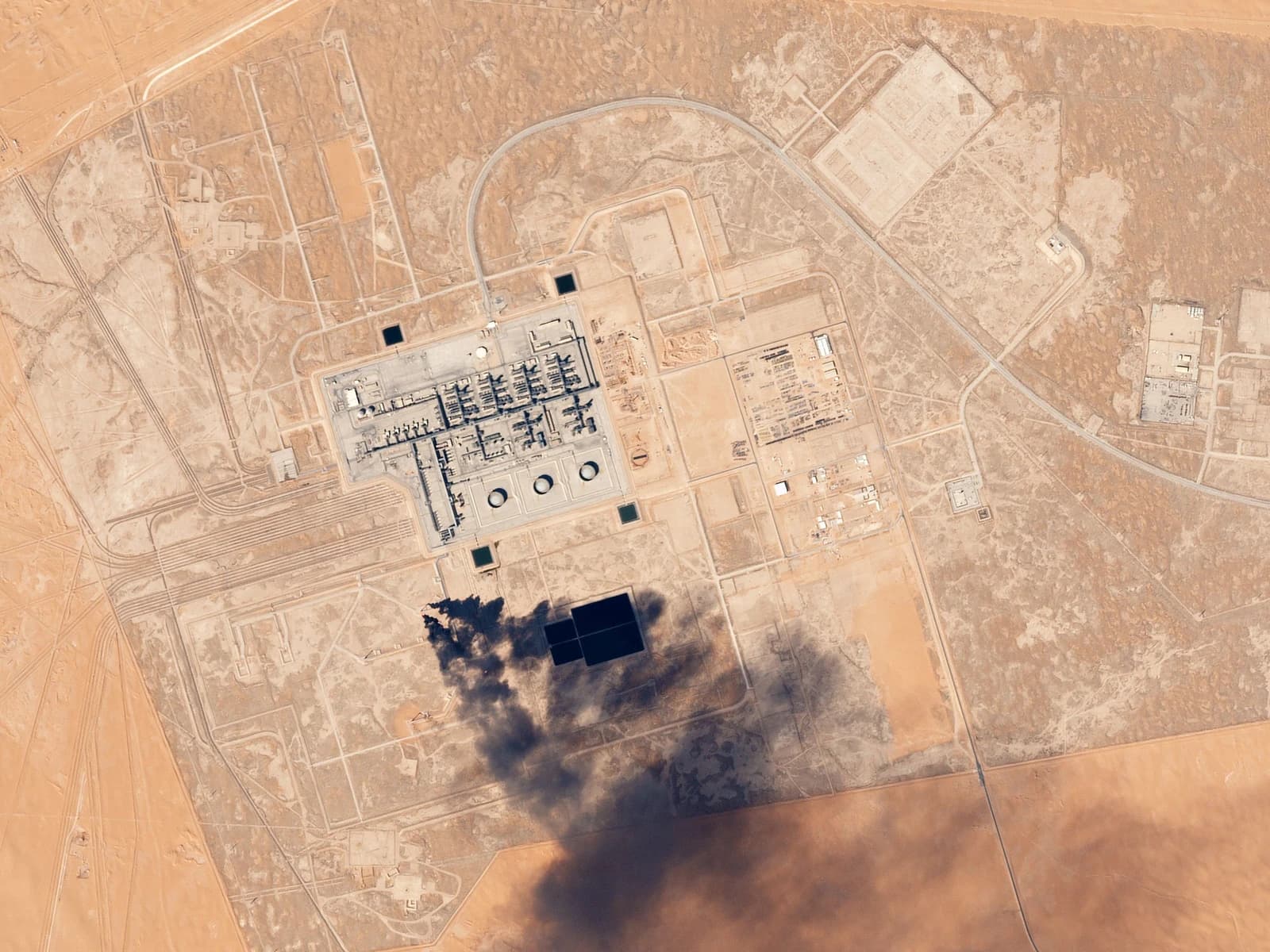
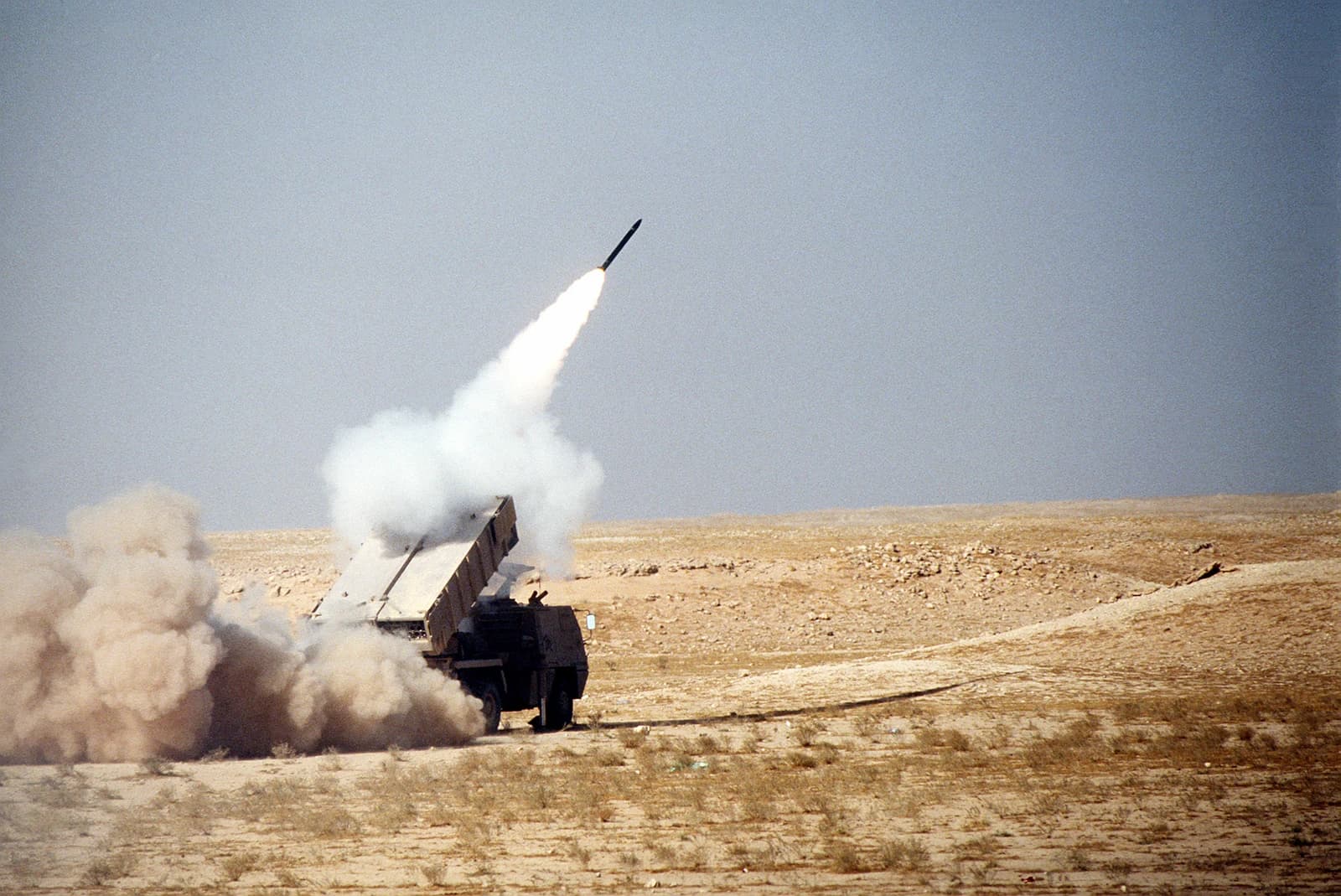
The Houthis said they fired missiles and drones at Saudi Aramco sites after what they described as 50 Saudi-led air and missile strikes on Yemen in the past 12 hours, a fresh escalation that renews the threat to Gulf energy infrastructure and global oil supply lines.
Saudi Aramco sites face reported Houthi strikes
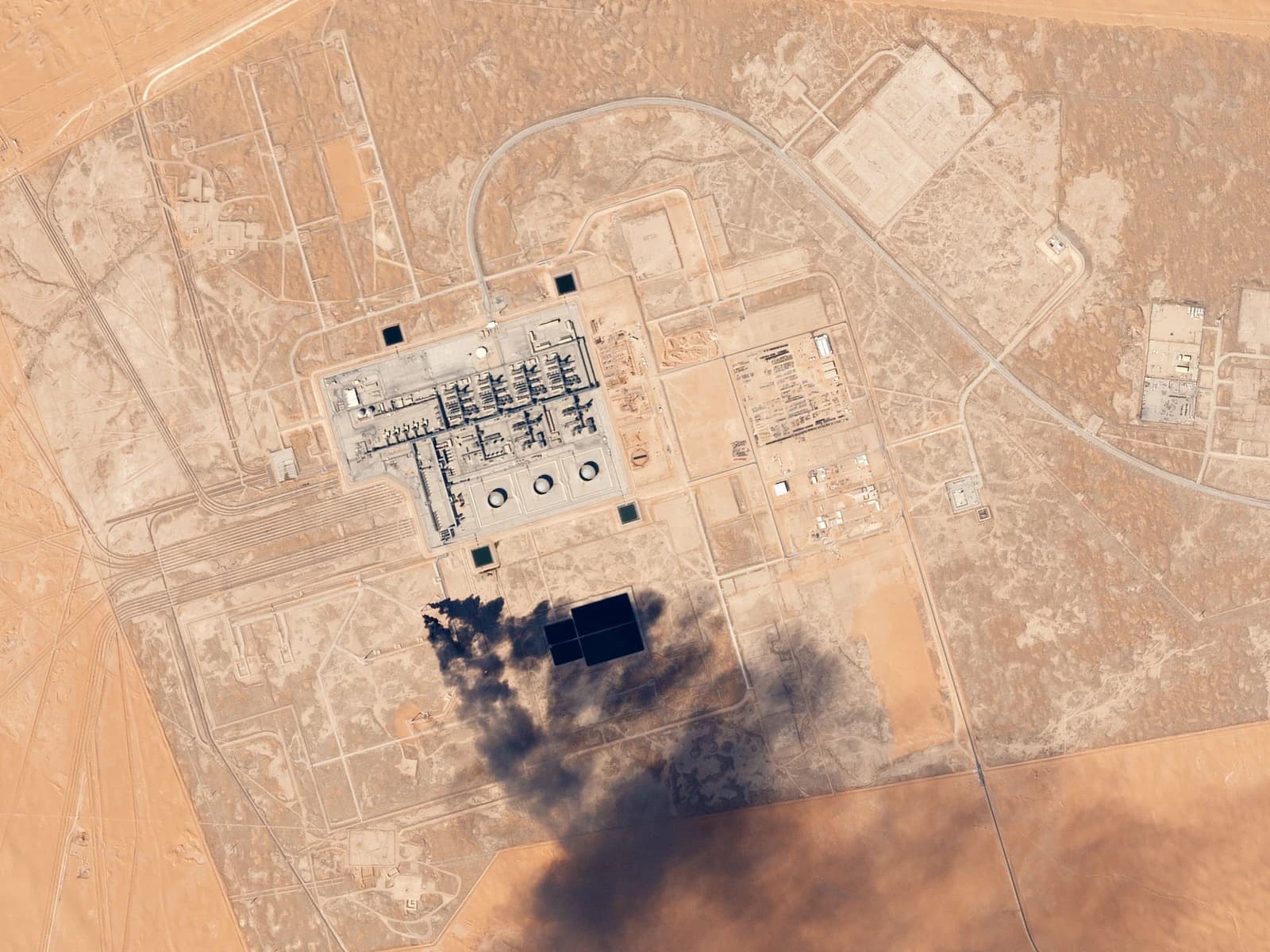
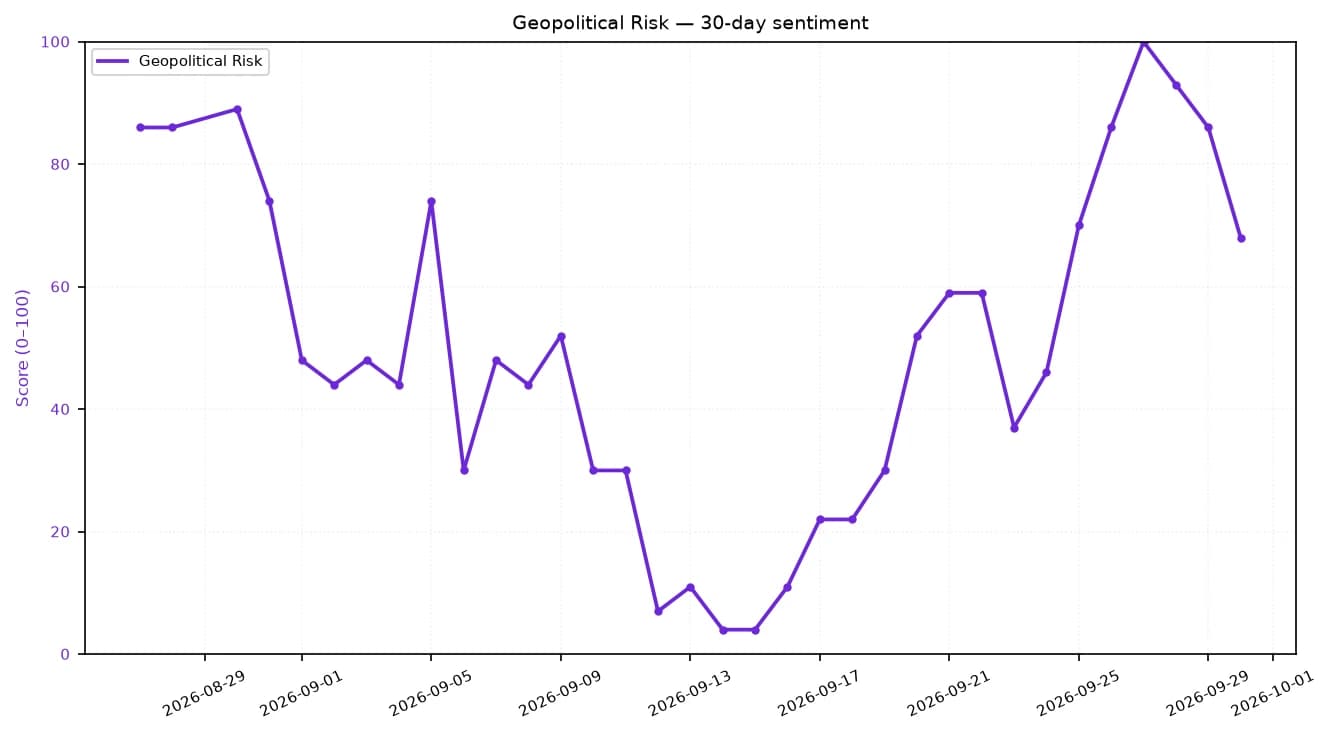
The claims come as Yemen’s Saudi-backed government said it has begun a major military operation to retake territory from the Iran-aligned group, raising the risk of a wider conflict around the Red Sea and southern Saudi Arabia. For investors, the immediate issue is not just the battlefield momentum in Yemen but the possibility that attacks on oil facilities, shipping routes and export infrastructure become more frequent and more disruptive.
Saudi Arabia did not immediately confirm any damage from the alleged strikes on Aramco sites in Riyadh and the Khurais area. If the attacks are verified, they would underline how quickly the Houthis can threaten the kingdom’s energy assets even as Riyadh works to keep crude flowing through alternative routes and protect critical infrastructure.
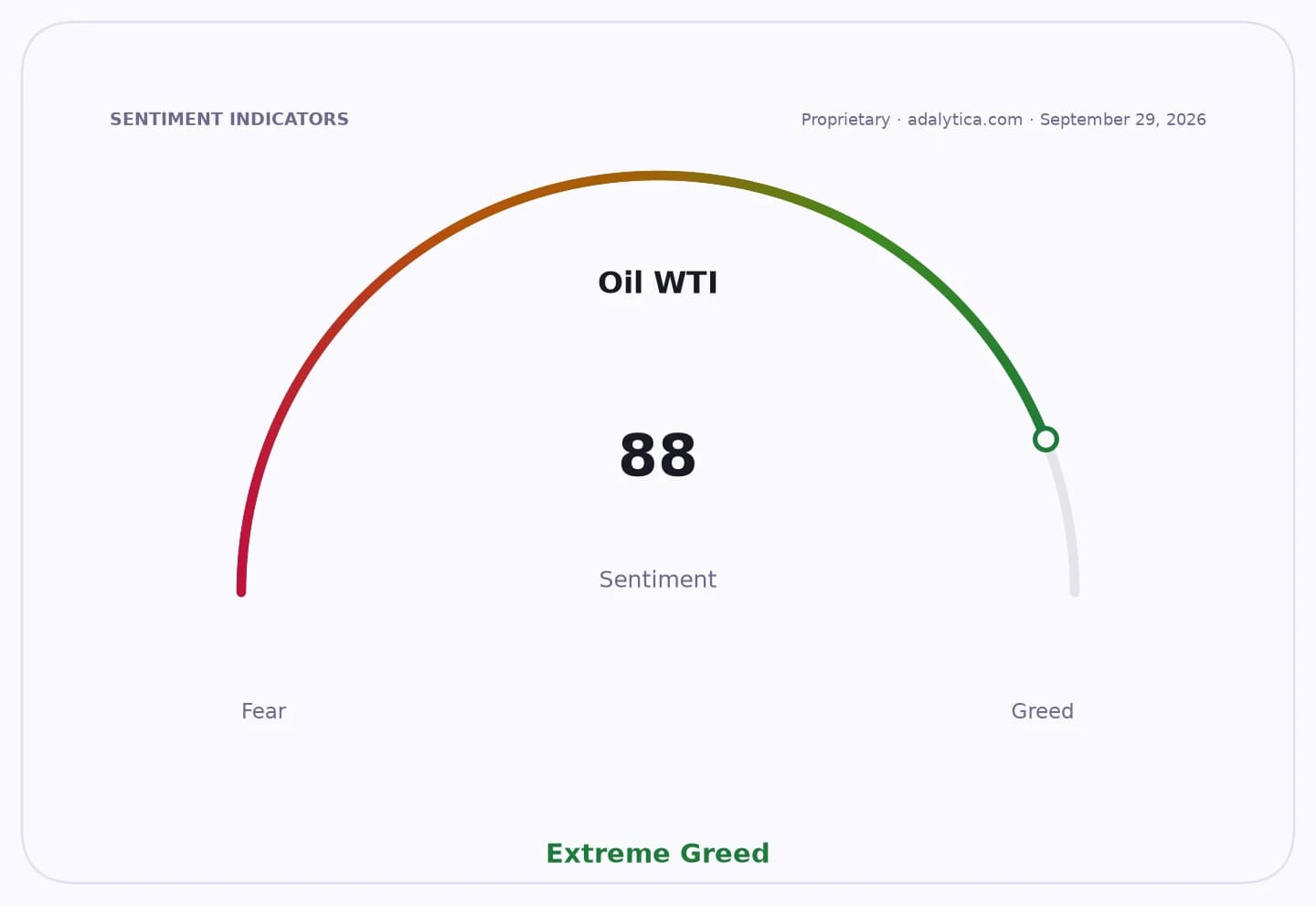
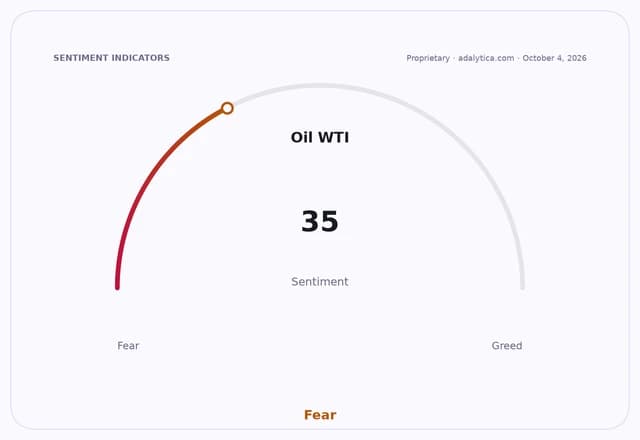
The market backdrop already reflects that risk. U.S.-listed oil exposure has been bid up sharply during earlier flare-ups, with the USO fund still far above its 50-day average after a year of violent swings in crude. Brent-linked crude futures have also stayed elevated versus longer-term averages, showing how geopolitical shocks are feeding into energy pricing even when physical supply is not immediately interrupted.
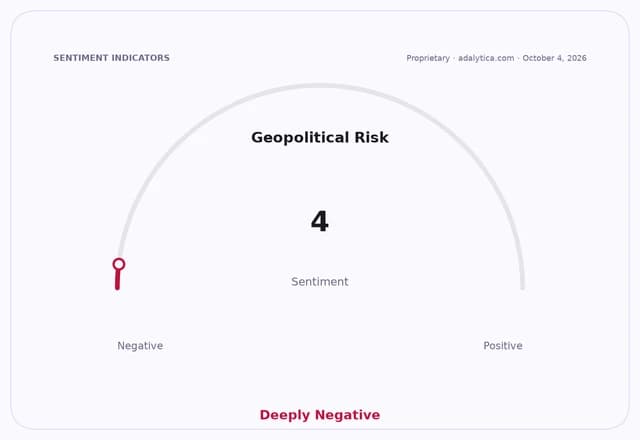
The renewed fighting also matters beyond oil. The Bab el-Mandeb strait, a choke point linking the Red Sea to the Indian Ocean, is already more important as traders look for routes that avoid the Strait of Hormuz, and any intensification around Yemen raises shipping insurance costs, slows transit and adds another layer of uncertainty to global trade.
Humanitarian conditions are deteriorating as well. The World Food Programme has warned that three in four families in parts of Yemen are going hungry, and a widening offensive around Taiz and the road to Aden could deepen displacement and pressure aid deliveries. That makes a ceasefire harder to sustain and increases the likelihood of a prolonged conflict that keeps energy and shipping markets on edge.
For investors, the key catalyst is whether the latest claims are followed by confirmed damage, retaliation from Saudi Arabia or disruption to tankers and export routes. Until then, the news keeps a regional risk premium in place for oil, defense and shipping names, while raising the odds of another volatility spike in crude if the conflict broadens.
| Entity | Gains | Losses |
|---|---|---|
| Saudi oil bulls | ▲Higher risk premium | ▼Calmer crude prices |
| Houthis | ▲Leverage and visibility | ▼Diplomatic pressure |
| Saudi Arabia | ▲Support for security buildup | ▼Costly infrastructure risk |
| Oil importers and shippers | ▲None | ▼Higher insurance and freight costs |