Houthi threats against Pakistan are raising the stakes around Riyadh’s new defense ties and keeping traders alert to the risk of another oil-price shock if the Yemen conflict widens.
Pakistan, Saudi Arabia defense pact faces Houthi warning
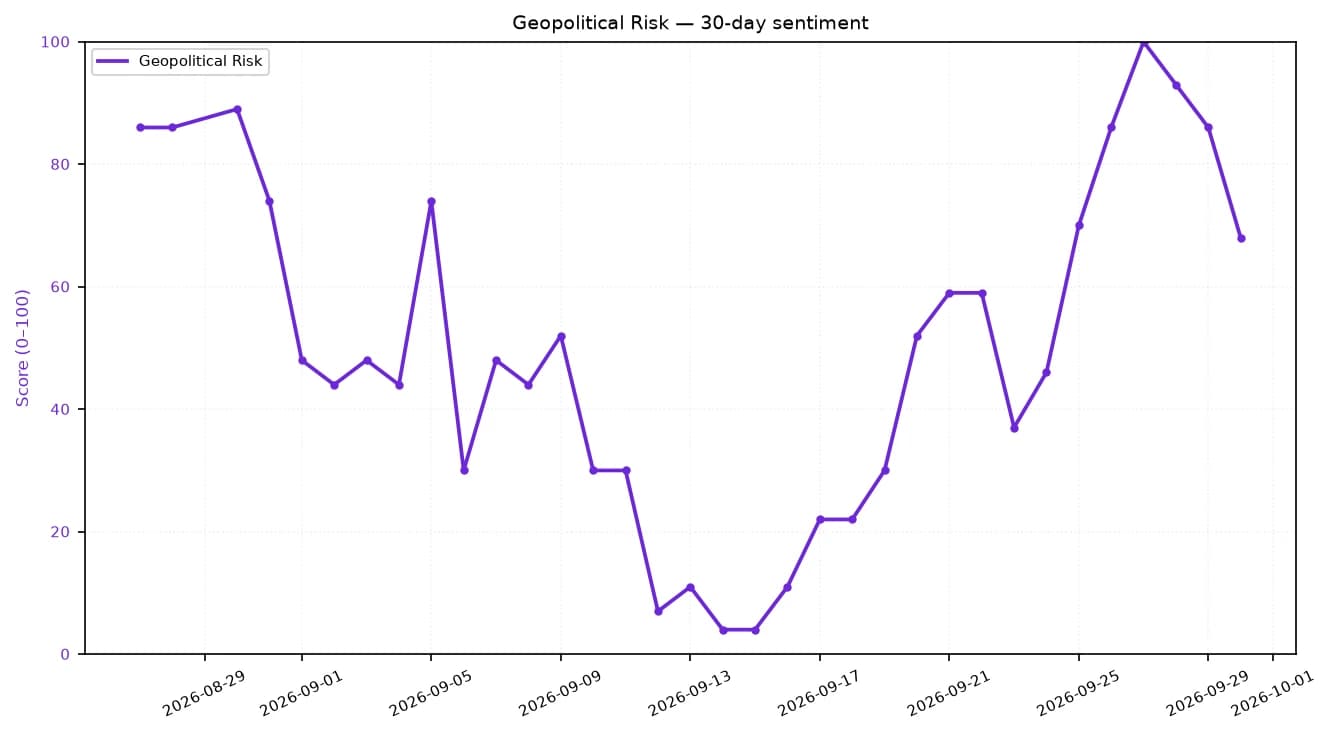
The immediate issue is not whether Pakistan wants a bigger role in Yemen — Islamabad almost certainly wants to avoid that — but whether its expanding security commitment to Saudi Arabia can be treated as credible deterrence or becomes a fresh trigger for regional escalation. That matters because the Middle East is already running with low tolerance for disruption, and any sign that Saudi Arabia’s security umbrella is broadening can feed directly into energy pricing, shipping risk and sovereign risk across emerging markets.
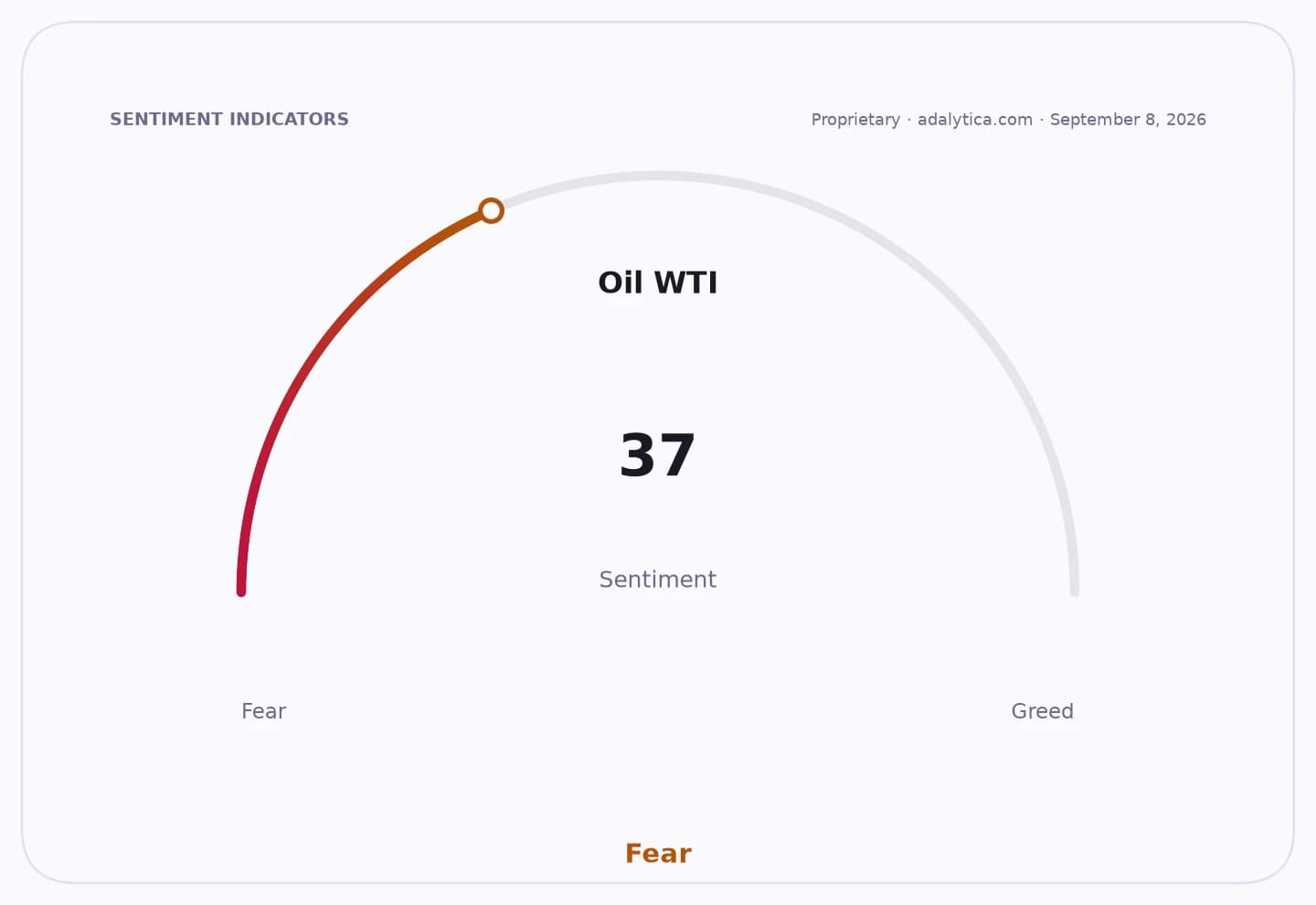
Sentiment IndicatorsⓘProprietary · adalytica.com · October 1, 2026
This is a snapshot — live sentiment, awareness and momentum for 130+ markets update continuously in the dashboard.Open AlphaPulse
Mohammed al-Bukhaiti, a Houthi leader, warned Pakistan and Turkey not to join the fight against Saudi Arabia, saying the group would strike back if they do. The warning comes after Pakistan signed a mutual strategic defense pact with Riyadh last year and then entered a broader Mecca defense agreement with Saudi Arabia and Turkey last month, under which an armed attack on one would be treated as an attack on all.
For investors, the market implication is straightforward: the longer this posture persists, the more support it gives to crude’s geopolitical premium and to defense spending across the Gulf and South Asia. WTI has already been volatile, and while the U.S. oil fund USO has pulled back from recent highs, it still sits far above its 50-day and 200-day moving averages, showing the market is not pricing out another supply shock. Adalytica’s Oil WTI Trade Signals remain in “Greed” even after the latest fade, underscoring how quickly sentiment can reset if the Red Sea-Yemen corridor deteriorates again.
Pakistan is trying to keep its options open. Officials say its forces in Saudi Arabia are currently limited to air defense, which lets Islamabad support the kingdom without openly entering Yemen. That distinction is critical. A defensive deployment can be sold as alliance management; offensive participation would risk blowing up Pakistan’s careful balancing act with Iran and jeopardizing the diplomatic flexibility it has built by staying engaged with Tehran, Riyadh and Washington.
That balancing act has economic consequences. Pakistan depends on Gulf energy, remittances, trade, investment and shipping routes. A wider regional conflict would be a tax on all of that, regardless of which side Islamabad appears to favor. The broader the war scare, the more pressure on Pakistan’s external account, currency and financing needs — exactly the kind of fragility emerging-market investors tend to punish first.
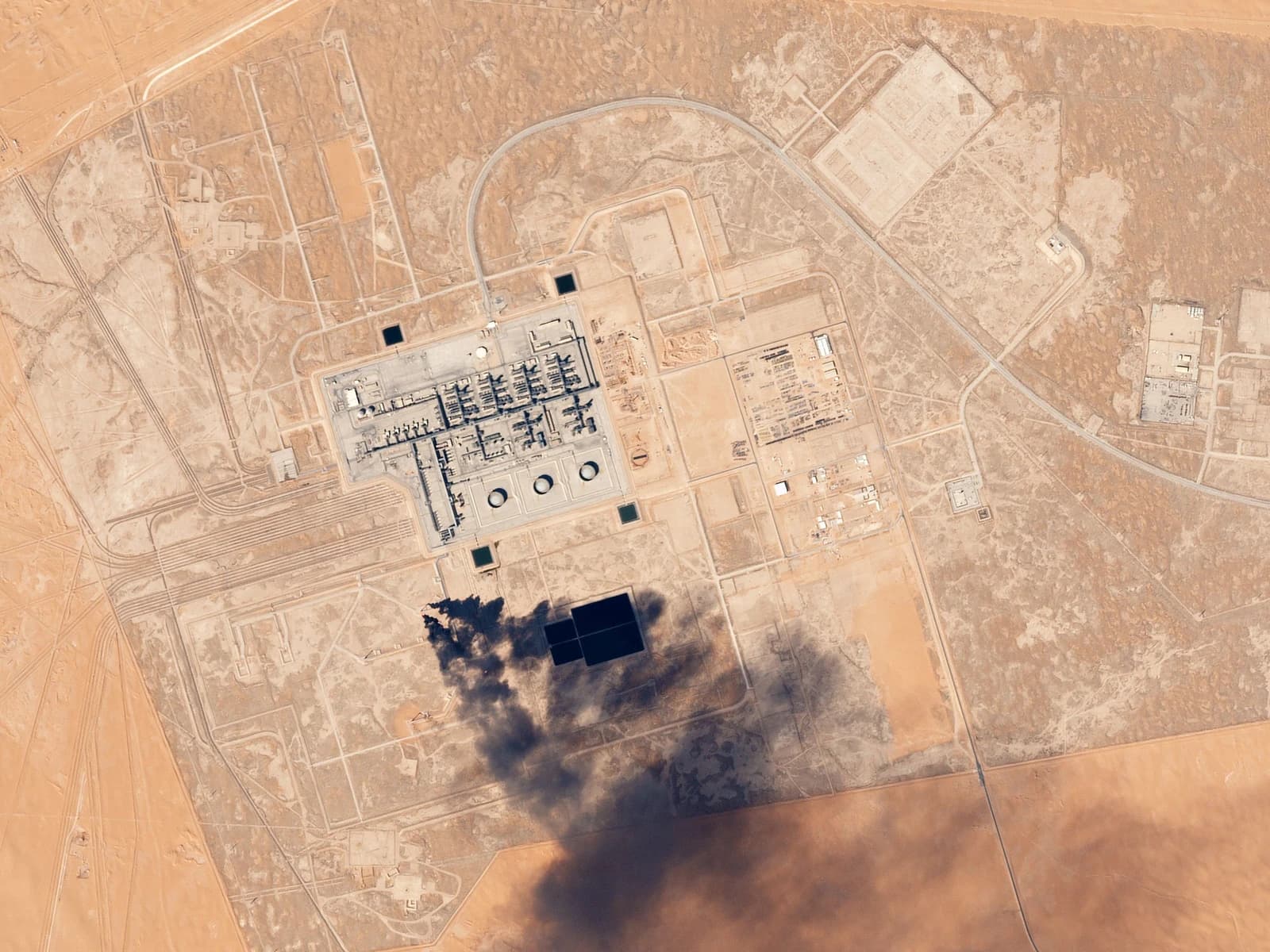
The timing also matters for Saudi Arabia. Riyadh is already facing renewed Houthi attacks on energy and transport targets, and the defense pact is clearly designed to increase deterrence. But deterrence works only if counterparties believe allies may actually respond. That leaves Pakistan caught between credibility and restraint: too little support risks fraying the pact, too much risks drawing Tehran’s anger and accelerating regional instability.
The cleanest trade from here is not to chase headlines, but to position for persistent geopolitical risk. Energy exposure remains the most obvious beneficiary, with integrated producers, oil services and select Gulf defense names best placed if the conflict premium expands. At the same time, investors should stay selective on Pakistan-linked assets until the alliance’s limits are clearer. If Houthi threats keep climbing and Saudi Arabia presses for more than air defense, the next move in crude and defense stocks could come faster than consensus expects.
| Entity | Gains | Losses |
|---|---|---|
| Oil producers | ▲Higher geopolitical premium | ▼Demand-sensitive sectors |
| Defense contractors | ▲More alliance spending | ▼Peace dividend trades |
| Saudi Arabia | ▲Stronger deterrence cover | ▼Escalation risk |
| Pakistan | ▲Diplomatic leverage if restrained | ▼Neutrality if dragged in |