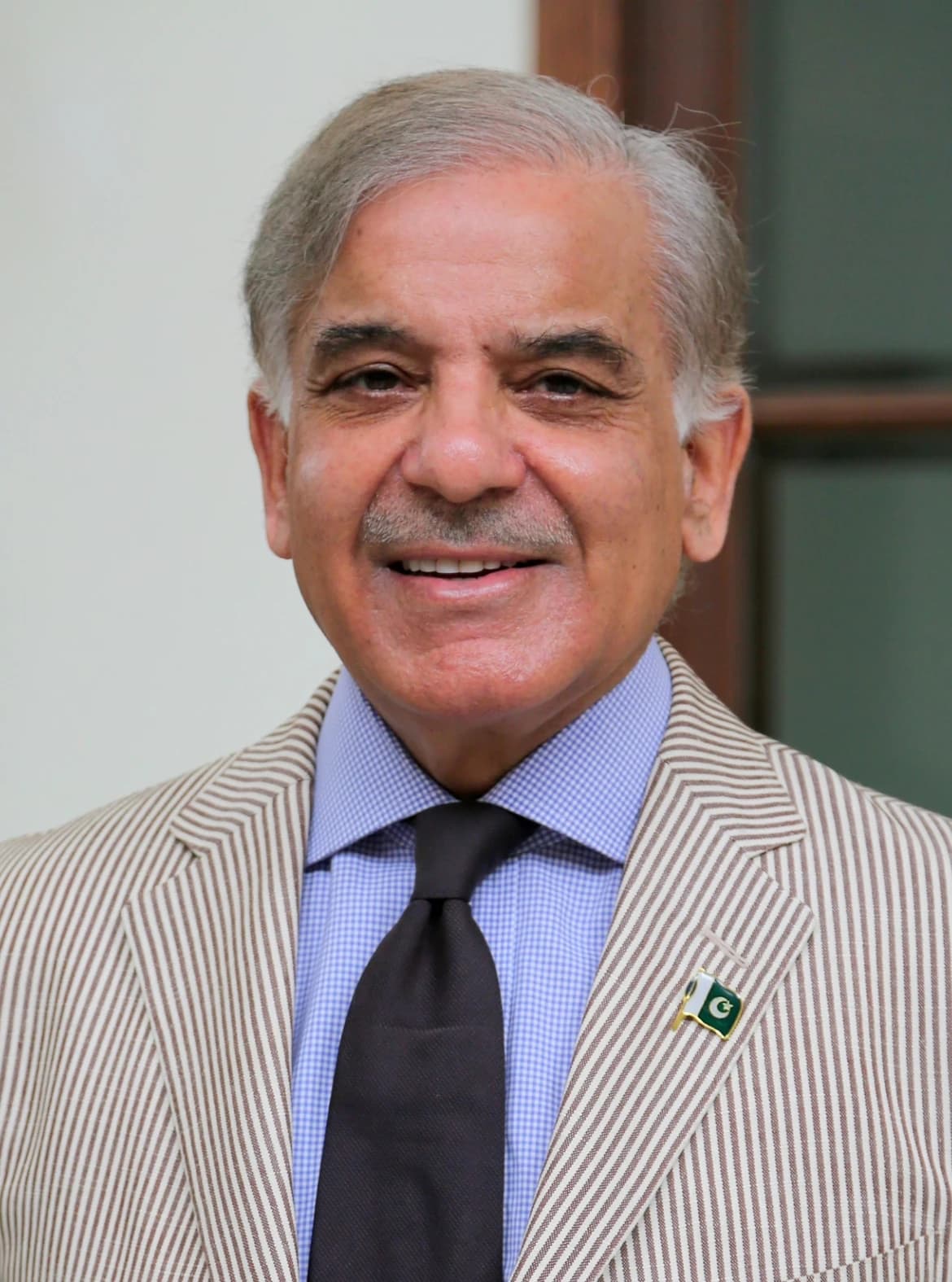
Prime Minister Shehbaz Sharif has announced Rs12.5 million in compensation for each of the families of three Pakistanis killed in Somalia, but the more economically significant message from Islamabad is that the government is trying to project stability, responsiveness and reform at a time when it is courting investment and export growth.
Pakistan offers aid after Somalia deaths
The aid package underscores the state’s effort to reassure citizens and overseas workers after a fatal hostage episode off the Somali coast, where three Pakistani nationals — identified as Syed Kashif Umar, Mahmood Ahmed Ansari and Rafiullah Khan — died during a rescue operation. The government said it would also arrange the bodies’ repatriation, provide free education and health care for the children, and offer housing to each family.
Sentiment IndicatorsⓘProprietary · adalytica.com · October 3, 2026
This is a snapshot — live sentiment, awareness and momentum for 130+ markets update continuously in the dashboard.Open AlphaPulse
For Pakistan, the immediate humanitarian response matters beyond the tragedy itself because overseas labor and remittance flows are a structural support for the economy. Any perception that Pakistani workers abroad are exposed to weak protection or slow government response can feed into broader concerns about the state’s ability to safeguard a key source of foreign-exchange earnings. By moving quickly with compensation and repatriation commitments, the prime minister is signaling that Islamabad wants to limit the reputational damage and reassure families who depend on overseas employment.
The announcement came alongside a separate push from the prime minister to accelerate regulatory reform, which is more directly relevant to investors. Sharif told officials that easing business conditions and removing unnecessary regulation are essential to attracting domestic and foreign capital, and he ordered the creation of a regulatory registry, wider rollout of the “Easy Business” law, and third-party validation of reforms. He also directed the Special Investment Facilitation Council to take the reform agenda to the provinces, suggesting the government sees fragmented regulation as a major brake on investment and growth.
That matters because Pakistan’s economic policy is increasingly shaped by two pressures at once: the need to support vulnerable households, and the need to convince investors that the country can simplify approvals, reduce friction and improve execution. The relief package for the Somalia victims is politically and socially important, but the broader market read-through is that the government is trying to build a more predictable operating environment while managing the fallout from external security shocks.
For investors, the question is whether the reform agenda can move from announcements to implementation. Pakistan has repeatedly pledged to make it easier to do business, yet firms still face delays in licensing, regulation and provincial coordination. If the regulatory overhaul succeeds, it could help unlock investment in logistics, manufacturing and export sectors; if it stalls, the relief measures will be seen as compassionate but disconnected from the deeper growth problem. The government’s push to expand rice exports to Malaysia by another 70,000 metric tons points to the same thesis: Pakistan needs trade, foreign exchange and private-sector activity to strengthen, and that depends on both stability and execution.
The immediate human cost of the Somalia case will dominate public attention, but for markets the larger story is whether Islamabad can turn crisis management into a broader credibility boost. Compensation for the families may ease political pressure. Only visible reform will convince investors that Pakistan is becoming easier to do business in.
| Entity | Gains | Losses |
|---|---|---|
| Pakistan government | ▲Public goodwill | ▼Budgetary outlay |
| Families of the three victims | ▲Cash aid, housing, education support | ▼Loss of income and breadwinners |
| Investors and businesses | ▲Potentially simpler regulations | ▼If reforms remain slow |
| Pakistan’s overseas worker base | ▲Stronger state protection signal | ▼Heightened concern over safety abroad |