The G7’s move to free up 100 million barrels of crude and diesel may cool the latest energy shock, but it does not solve the real problem: the world’s fuel system is still hostage to geopolitics, refinery bottlenecks and shipping risks.
G7 Oil Release Eases Diesel Market Pressure
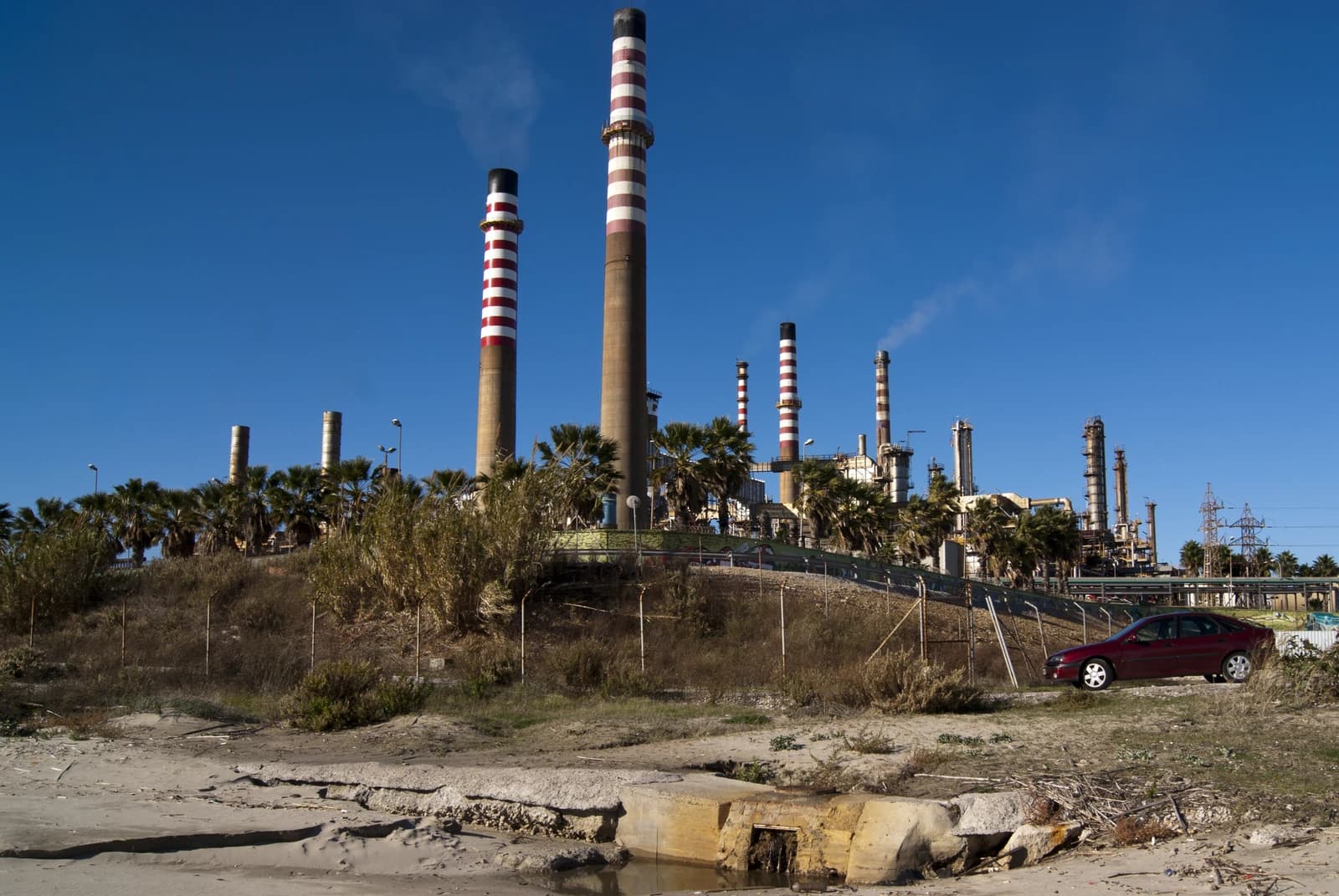
That matters because the market is not just dealing with higher crude prices. It is confronting a tighter diesel market, the fuel that keeps freight moving, farms operating and factories running. When diesel becomes scarce, inflation follows quickly through transport, food and industrial costs. The G7’s decision to coordinate releases through the International Energy Agency over four months, with a large share of diesel arriving in the first 20 days, is meant to stop that squeeze from turning into a broader economic drag.
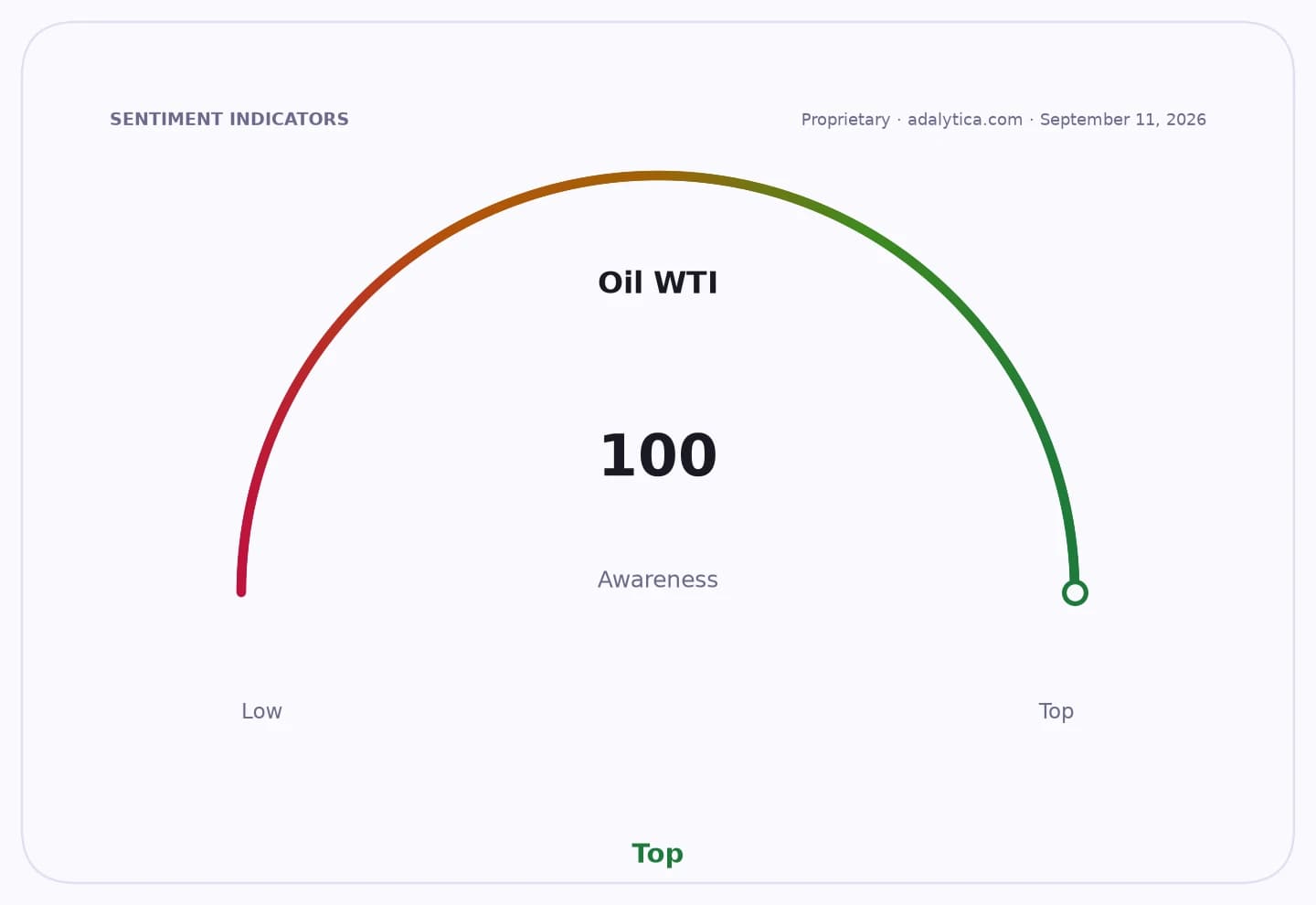
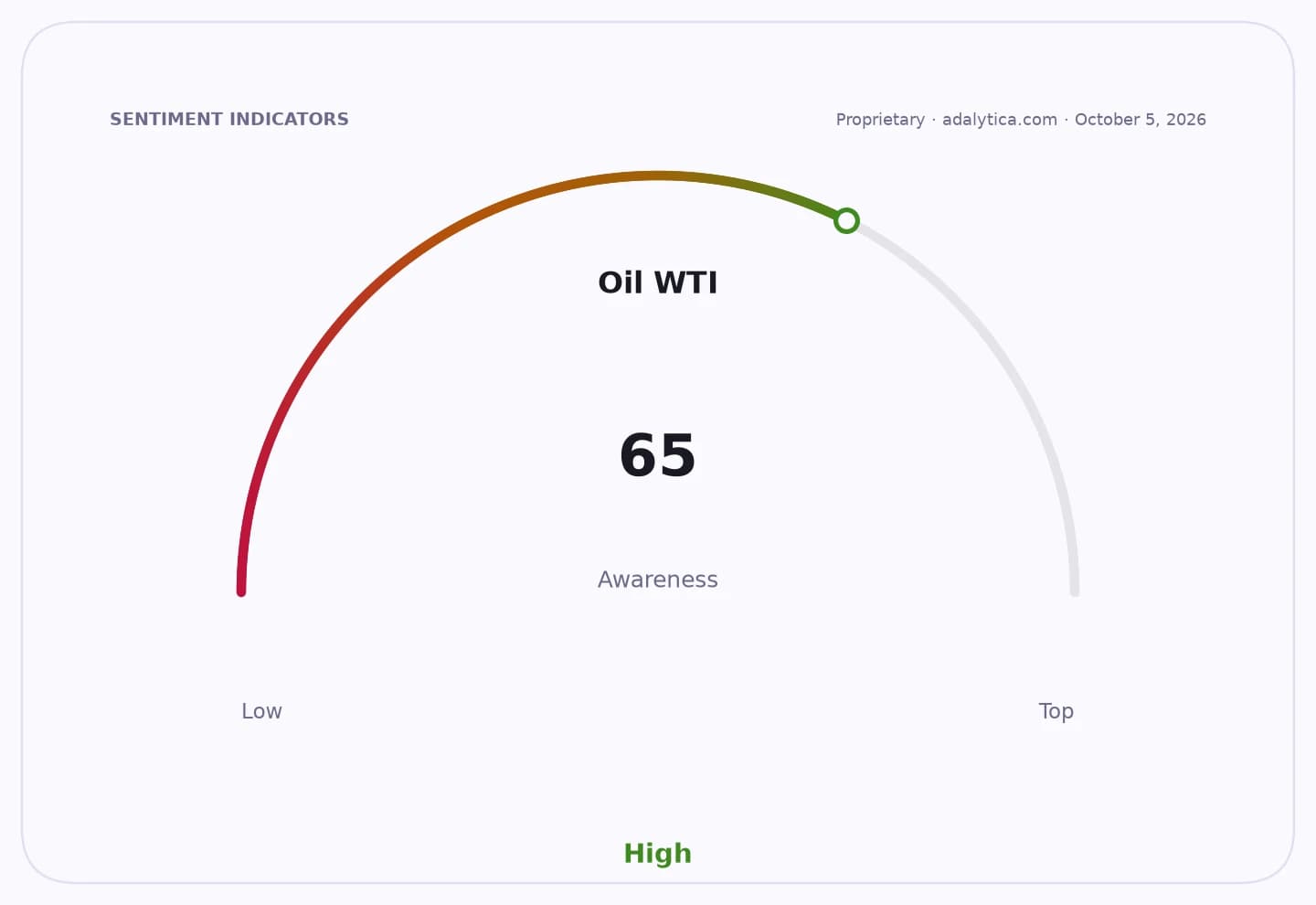
Sentiment IndicatorsⓘProprietary · adalytica.com · October 4, 2026
This is a snapshot — live sentiment, awareness and momentum for 130+ markets update continuously in the dashboard.Open AlphaPulse
But emergency barrels are only a bridge. Strategic stocks can soften a spike; they cannot replace disrupted supply for long. The underlying threats remain unresolved, from conflict involving the United States, Israel and Iran to attacks on Russian energy infrastructure and restrictions on refined-product exports. That is why the announcement is as much a warning as it is a relief rally. It underscores how fragile the global energy balance is when crude, refining and logistics are all under pressure at once.
Investors should read the release as a short-term stabilizer, not a structural fix. The immediate beneficiary is the consumer and the broader economy if diesel prices ease. The more durable winners are the companies and regions that own the infrastructure the market now underprices: refiners, storage, pipeline operators and integrated producers with the ability to move molecules when trade flows are disrupted. The losers are the exporters and governments that rely on tight fuel markets, because coordinated reserve releases can cap the upside in crude-linked products even if the geopolitical backdrop stays hot.
The market backdrop confirms how sensitive energy assets remain to headline risk. WTI has been volatile, with USO still trading far above its long-run technical averages, while the energy sector ETF XLE and exploration-and-production fund XOP have both swung sharply as traders reprice supply shocks. At the same time, Adalytica’s Global Stability Sentiment sits at extreme fear, a sign that the market is still treating geopolitics as a live pricing variable rather than a resolved event. In that environment, any relief from reserve releases can be quickly reversed if shipping lanes tighten again or refinery outages deepen.
For oil-producing countries such as Nigeria, the lesson is even clearer. More local refining helps, but it does not make an economy immune from global crude benchmarks, feedstock costs or foreign exchange pressure. Nigeria can process more fuel at home and still suffer higher domestic transport and generator costs if world prices stay elevated. That is why energy security is increasingly about resilience, not just production.
The G7 has bought time. What it has not bought is certainty. Markets should treat this as a temporary pressure valve and keep positioning for the next phase of the trade: not just who produces the most oil, but who controls refining capacity, storage and the routes that move diesel to where it is needed most.
| Entity | Gains | Losses |
|---|---|---|
| G7 consumers | ▲Short-term fuel relief | ▼No lasting security |
| Refiners/storage operators | ▲Higher strategic value | ▼Limited if outages persist |
| Integrated oil majors | ▲Stronger pricing power | ▼Capped upside from reserve releases |
| Diesel importers | ▲Immediate supply support | ▼Vulnerability to new shocks |