The Group of Seven’s plan to release 100 million barrels of oil and fuel from emergency reserves is a clear attempt to cool an energy shock that has pushed diesel to record levels and threatened to seep deeper into the broader economy.
G7 oil reserve release targets diesel prices
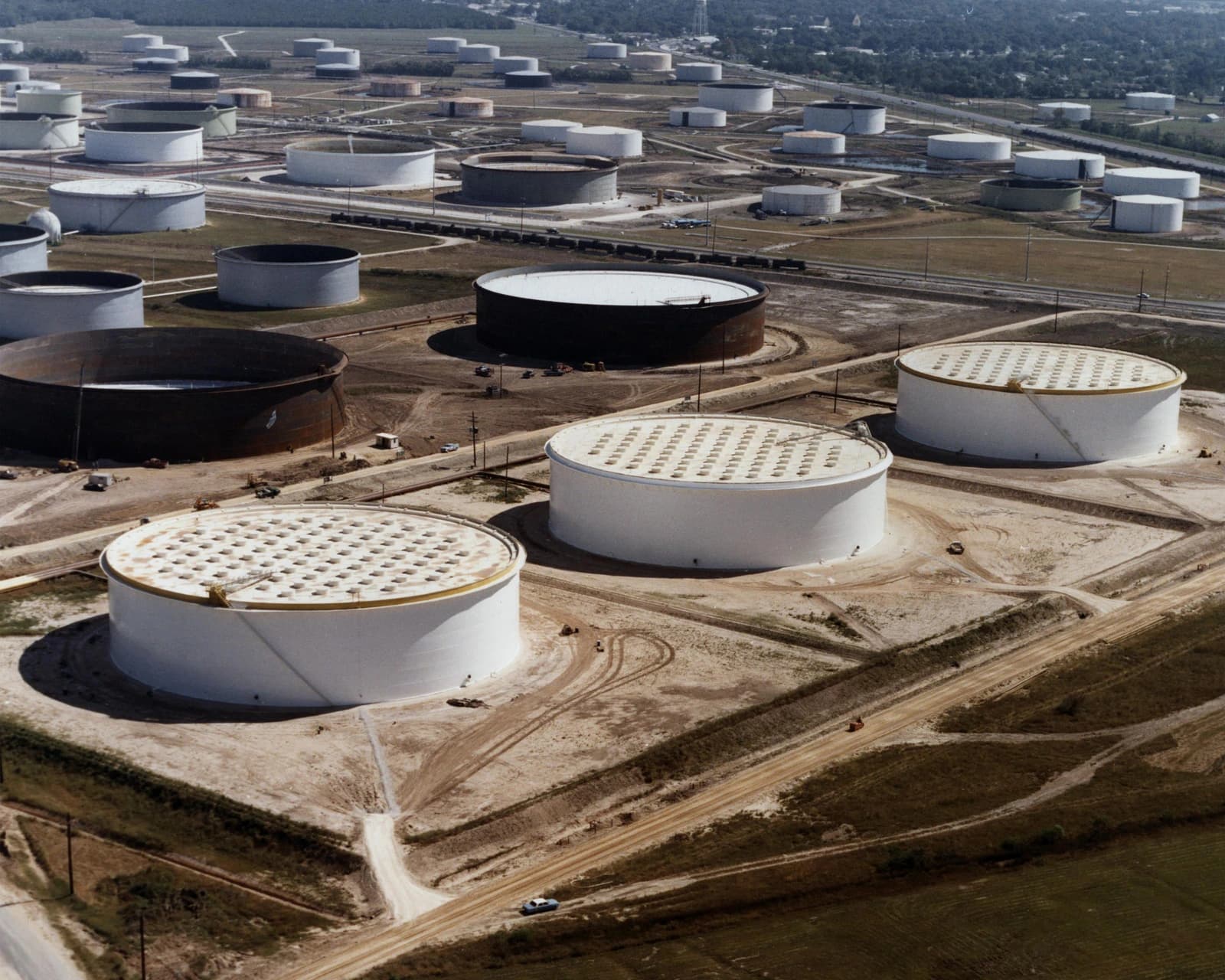
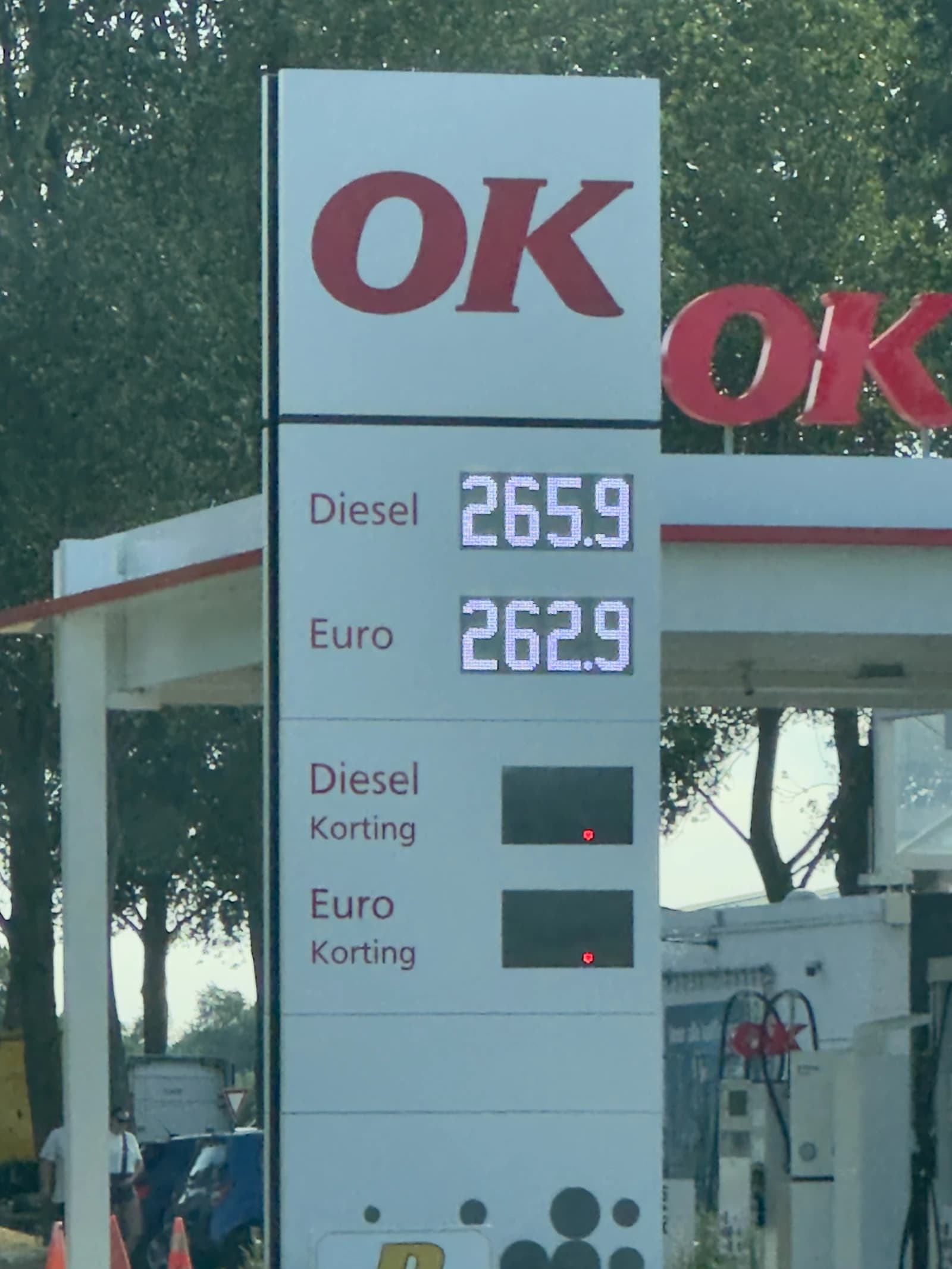
That matters because diesel is the workhorse fuel of transport, farming and industry. When it gets expensive, the pain spreads fast: freight costs rise, food gets pricier and corporate margins get squeezed. The U.S. national average for diesel was $6.37 a gallon on Friday, down only slightly from a record $6.52 a week earlier, according to AAA, underscoring why policymakers moved so quickly. The release is front-loaded, with a “substantial” amount of diesel to hit the market within 20 days, and will run over four months through the International Energy Agency.
Sentiment IndicatorsⓘProprietary · adalytica.com · October 2, 2026
This is a snapshot — live sentiment, awareness and momentum for 130+ markets update continuously in the dashboard.Open AlphaPulse
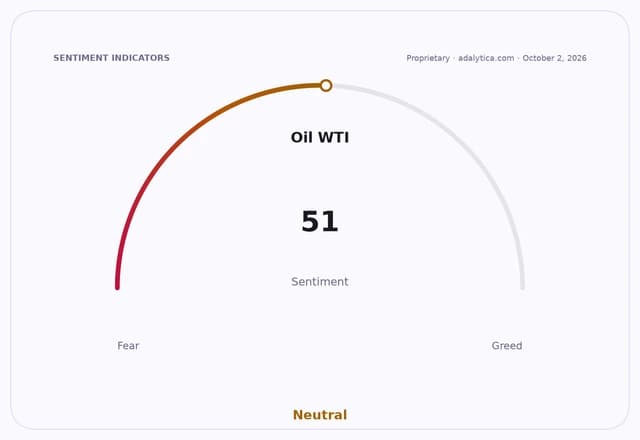
For investors, the message is two-sided. On one hand, the coordinated release is meant to relieve pressure on consumers and businesses and to stop energy costs from feeding another round of inflation. That could be especially important with U.S. approval ratings on the economy at a low point and election-year politics intensifying the urgency. Higher fuel costs have already helped lift inflation gauges, while Treasury yields around 5.3% reflect a market still wary of sticky price pressures. A successful release could take some heat out of the energy complex and steady risk assets if traders believe the supply squeeze is easing.
On the other hand, emergency stockpile releases are a short-term fix, not a new source of crude. They can temper spikes, but they do not change the underlying reality that supply and geopolitics are still driving the market. That is why oil prices have remained elevated even after recent pullbacks, and why energy stocks have stayed resilient. The Energy Select Sector SPDR Fund has held up far better than the broader market over the past year, a reminder that producers can still benefit when prices stay firm.
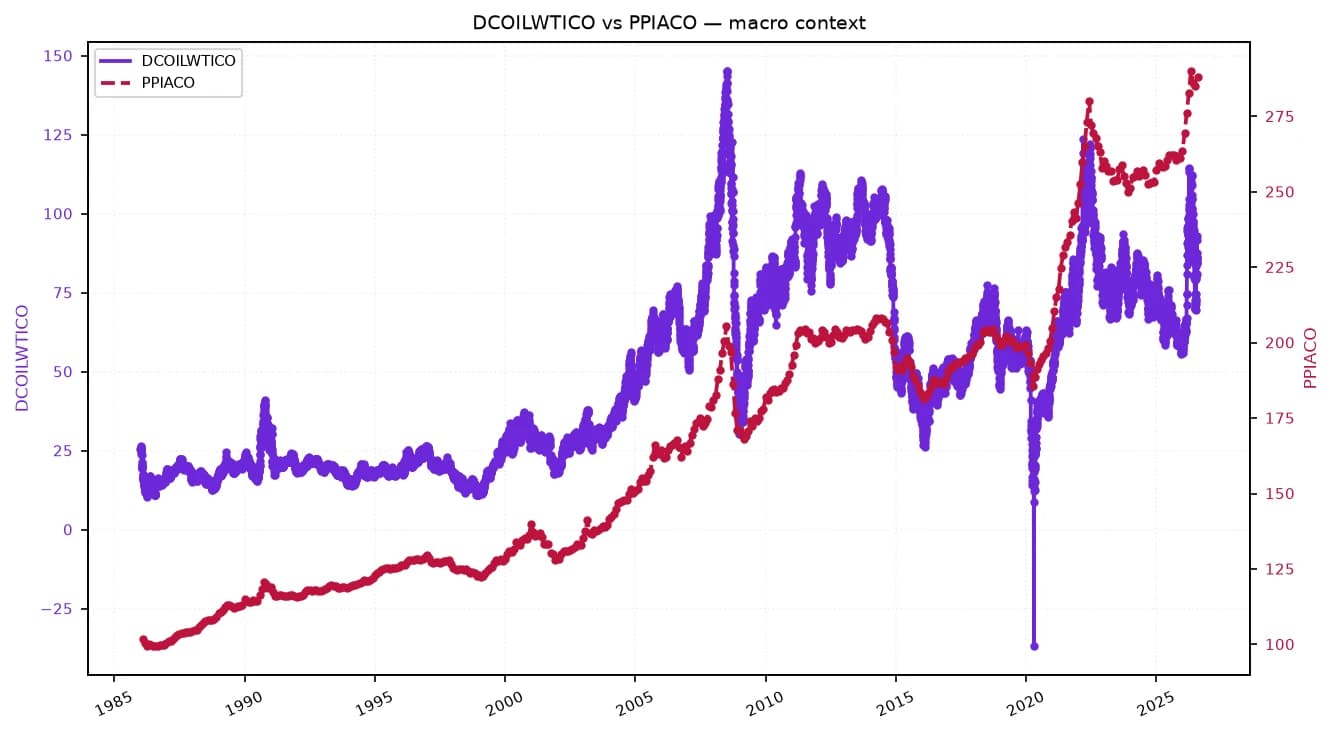
DCOILWTICO vs CPIAUCSL — macro contextadalytica.com
Explore this data interactively — full history, time series and cross-market comparisons.Open AlphaPulse
The G7 also tried to send a broader signal by rejecting export bans between member countries, a nod to the danger of well-intentioned protectionism making shortages worse. That should matter to companies that depend on cross-border fuel flows, and to countries outside the bloc that are already exposed to tighter energy markets.
For long-term investors, the key takeaway is that volatility in oil and diesel can create both pain and opportunity. The release may bring some near-term relief, but it does not erase the structural importance of energy security, disciplined capital spending and cash-generating producers. Investors would do well to watch whether prices cool meaningfully over the next few weeks, because if they do not, policymakers may be forced back to the same playbook.
| Entity | Gains | Losses |
|---|---|---|
| Drivers and shippers | ▲Short-term fuel relief | ▼Less immediate margin pressure |
| Consumers and businesses | ▲Lower inflation risk | ▼Higher transport costs |
| Oil producers and energy ETFs | ▲Firm pricing backdrop | ▼Pressure from reserve release |
| G7 policymakers | ▲Political breathing room | ▼Less room if prices stay high |