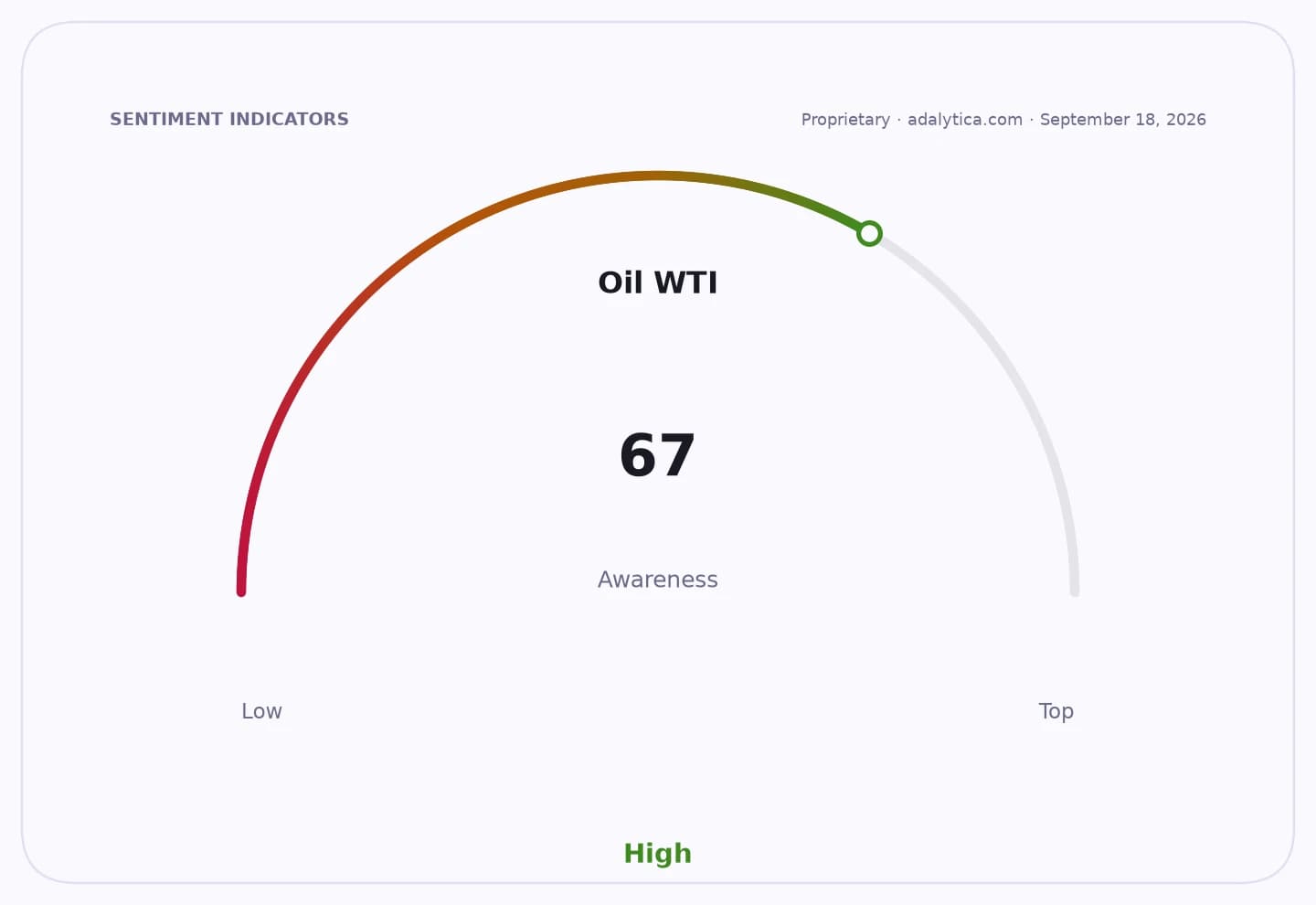
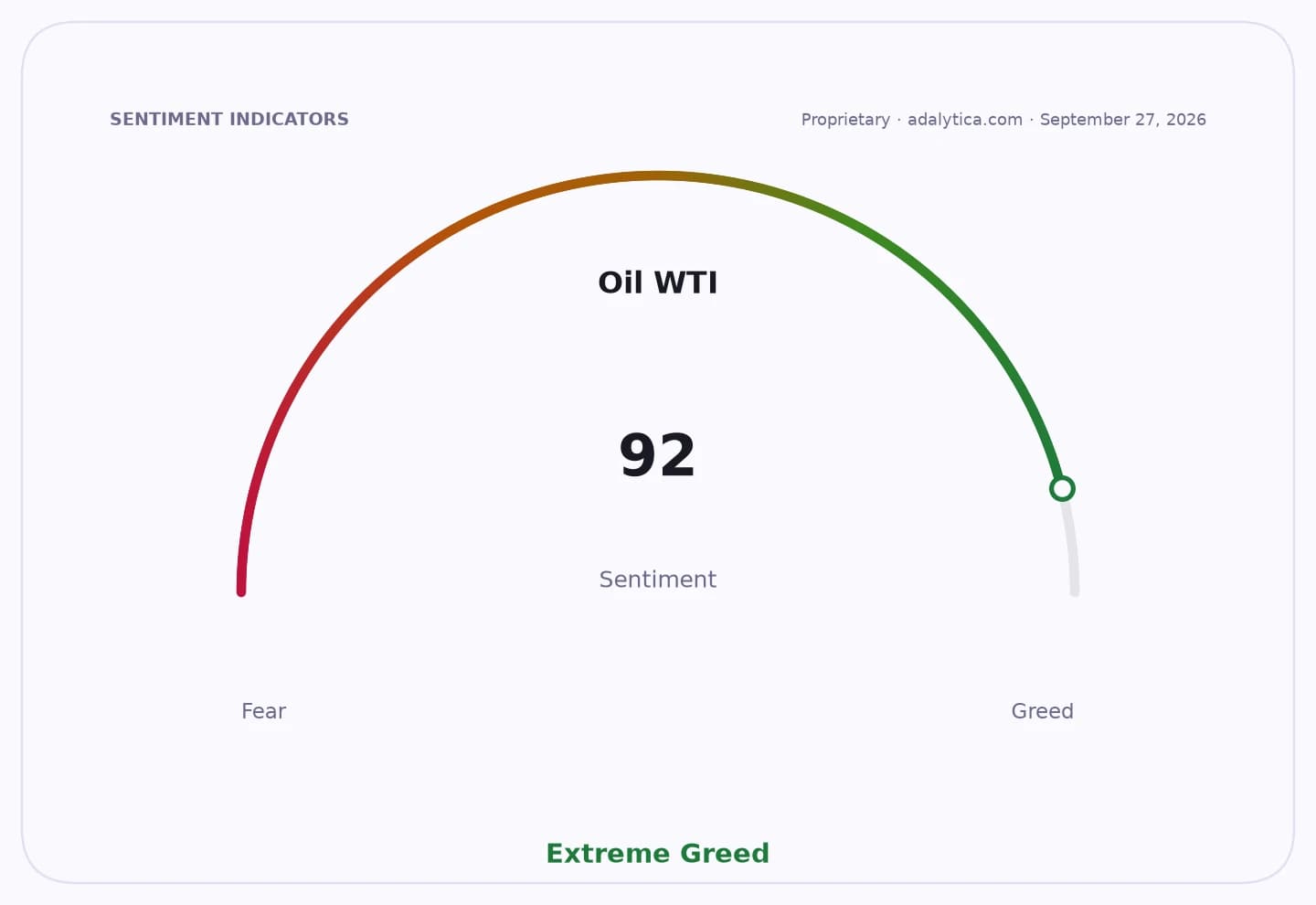
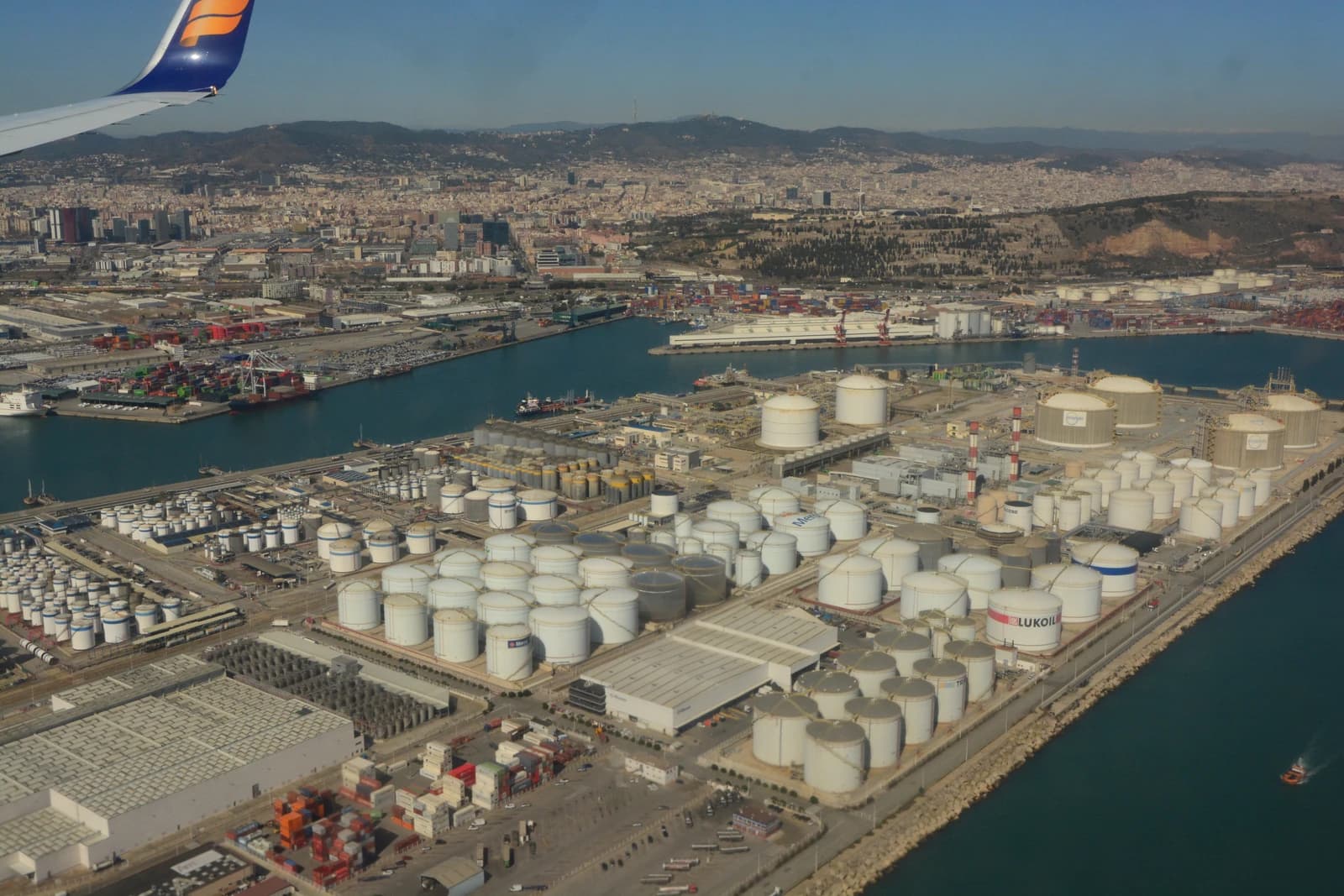
Diesel is outpacing crude because the global shortage is no longer mainly about oil in the ground — it is about the lack of refining capacity to turn that crude into the fuel trucking, farming and industry cannot easily replace.
Diesel Prices Outpace Crude on Refining Shortages
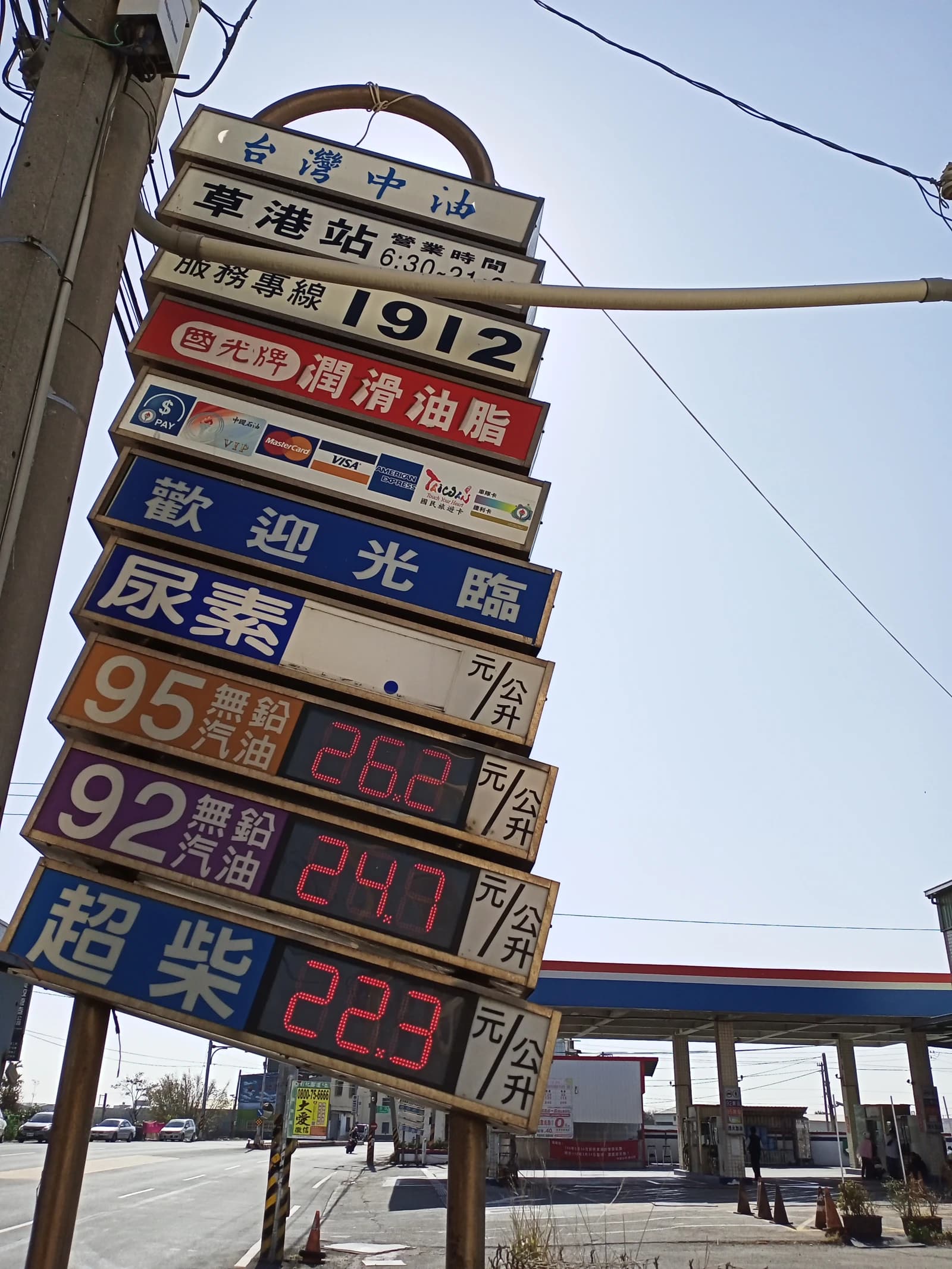
Wholesale diesel is setting records in Europe, the U.S. and South Africa even as crude’s gains have been more uneven. In South Africa, 50ppm diesel rose R10.95 between March and September 2026, versus R6.58 for petrol, and the October wholesale projection is R31.80 a litre, above the previous high of R30.62 before retail margins.
Sentiment IndicatorsⓘProprietary · adalytica.com · October 2, 2026
This is a snapshot — live sentiment, awareness and momentum for 130+ markets update continuously in the dashboard.Open AlphaPulse
The gap matters because diesel is the backbone fuel for freight, construction, agriculture and manufacturing. When diesel tightens faster than crude, the pressure feeds straight into transport costs, food prices and industrial margins, making inflation harder to contain even if headline oil prices look less dramatic.
The problem is being driven by damaged refineries, sanctions and export curbs, not just crude supply losses. Wars in the Middle East and Ukraine have disrupted flows, while attacks on energy infrastructure and bans on Russian petroleum product imports have left buyers competing for fewer alternative barrels.
That is why even a recovery in crude shipments through the Strait of Hormuz would not quickly fix the diesel market. French officials estimate the world is still short about 10 million barrels a day of crude, but the tighter constraint is refining: there is little spare capacity that can be switched on fast enough, and not enough of the right crude in the right places.
The stress is showing up in prices and in market behavior. U.S. national average diesel reached $6.52 a gallon on Monday, France hit a record €2.41 a litre, and South Africa is heading to a fresh high next month, underscoring how the shortage is global rather than regional.
For investors, the split between crude and diesel is a warning that downstream assets may stay far more valuable than upstream supply alone suggests. Refiner margins can widen when product shortages deepen, while transport, logistics and diesel-heavy industrial users face higher input costs and weaker demand.
Oil-linked funds have also reflected the volatility. USO, the U.S. oil ETF, has swung sharply in recent weeks, while the Energy Select Sector SPDR fund has held above its 200-day moving average but has lost momentum in the latest sessions as the market reassesses how much of the energy shock is now a product shortage rather than a crude shock.
The International Energy Agency has warned that if Gulf supplies stay constrained and inventories keep falling, higher prices and weaker demand may be needed to rebalance the market. Until refineries recover or demand breaks, diesel is likely to remain the tightest and most economically painful link in the oil chain.
| Entity | Gains | Losses |
|---|---|---|
| Refiners | ▲Wider product margins | ▼Volatile input costs |
| Diesel users | ▲None | ▼Higher freight and input costs |
| Oil producers | ▲Higher realized prices | ▼Limited relief from product bottlenecks |
| Consumers/inflation | ▲None | ▼Higher transport and goods prices |