The European Union warned that Donald Trump’s reported plan to halt US diesel exports would tighten an already strained global market, push up fuel costs on both sides of the Atlantic and deepen inflation pressure at a time when diesel prices are already at record highs in the US and UK.
EU warns on Trump diesel export ban
The warning matters because diesel is the backbone fuel for freight, agriculture, construction and much of industrial logistics. Unlike gasoline, whose price often dominates political debate, diesel shortages or even the threat of them ripple through supply chains more directly by raising transport costs, squeezing margins and feeding through to consumer prices.
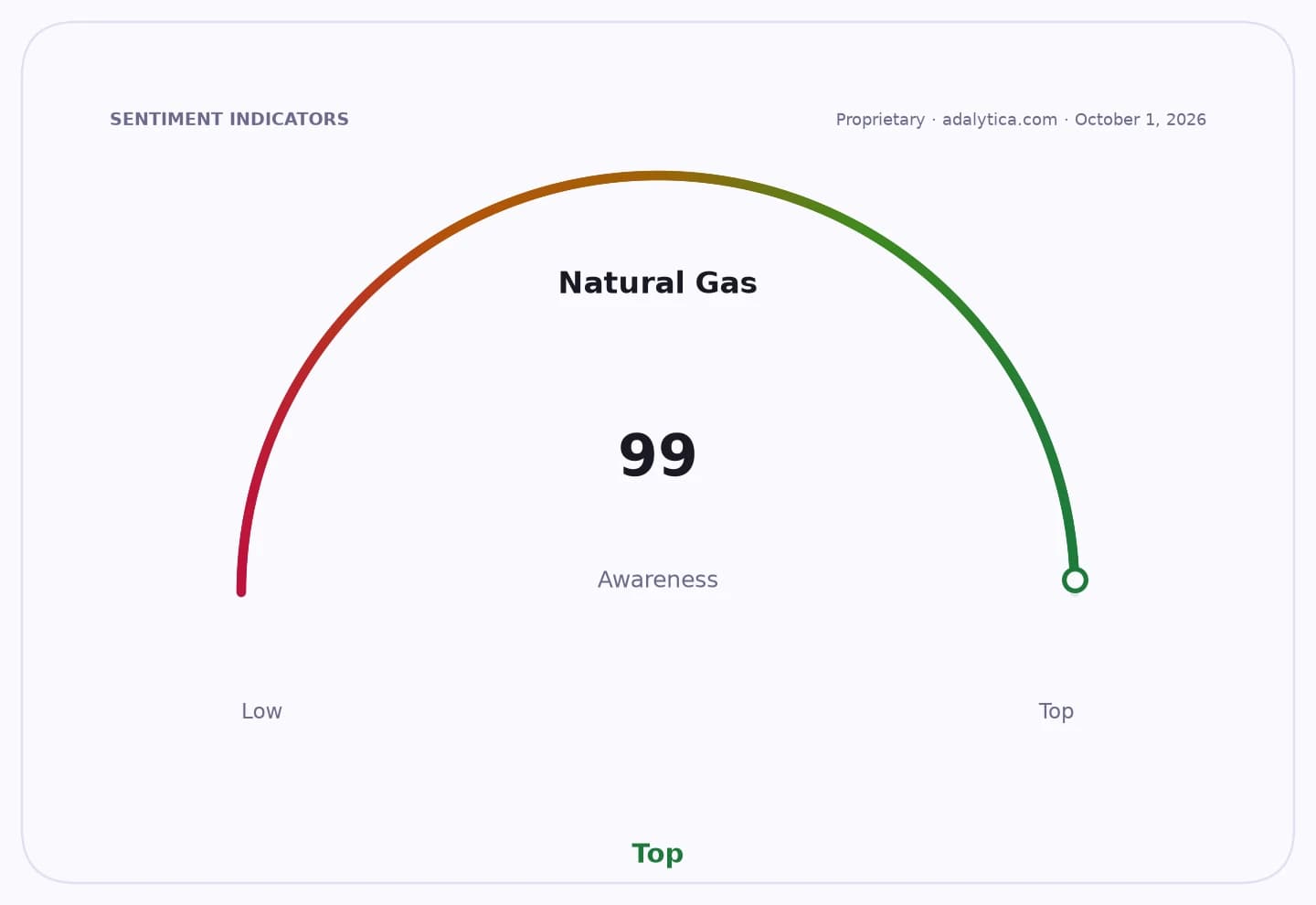
Sentiment IndicatorsⓘProprietary · adalytica.com · October 1, 2026
This is a snapshot — live sentiment, awareness and momentum for 130+ markets update continuously in the dashboard.Open AlphaPulse
European Commission spokesperson Olof Gill said on Thursday that “any disruption would risk negatively impacting both sides,” adding that the EU expected close partners to consult before taking steps that affect shared markets. The intervention underscores how exposed Europe has become to US supply: American barrels accounted for about a third of the continent’s diesel imports this year, and by August the US was providing roughly half.
That reliance has increased as supply from Russia and parts of the Middle East has fallen because of war damage and refinery outages. Traders say a US export ban, even if temporary, could force European buyers to bid against Asia for a shrinking pool of cargoes from the Middle East and India, lifting benchmark prices across the region even if stations do not run dry.
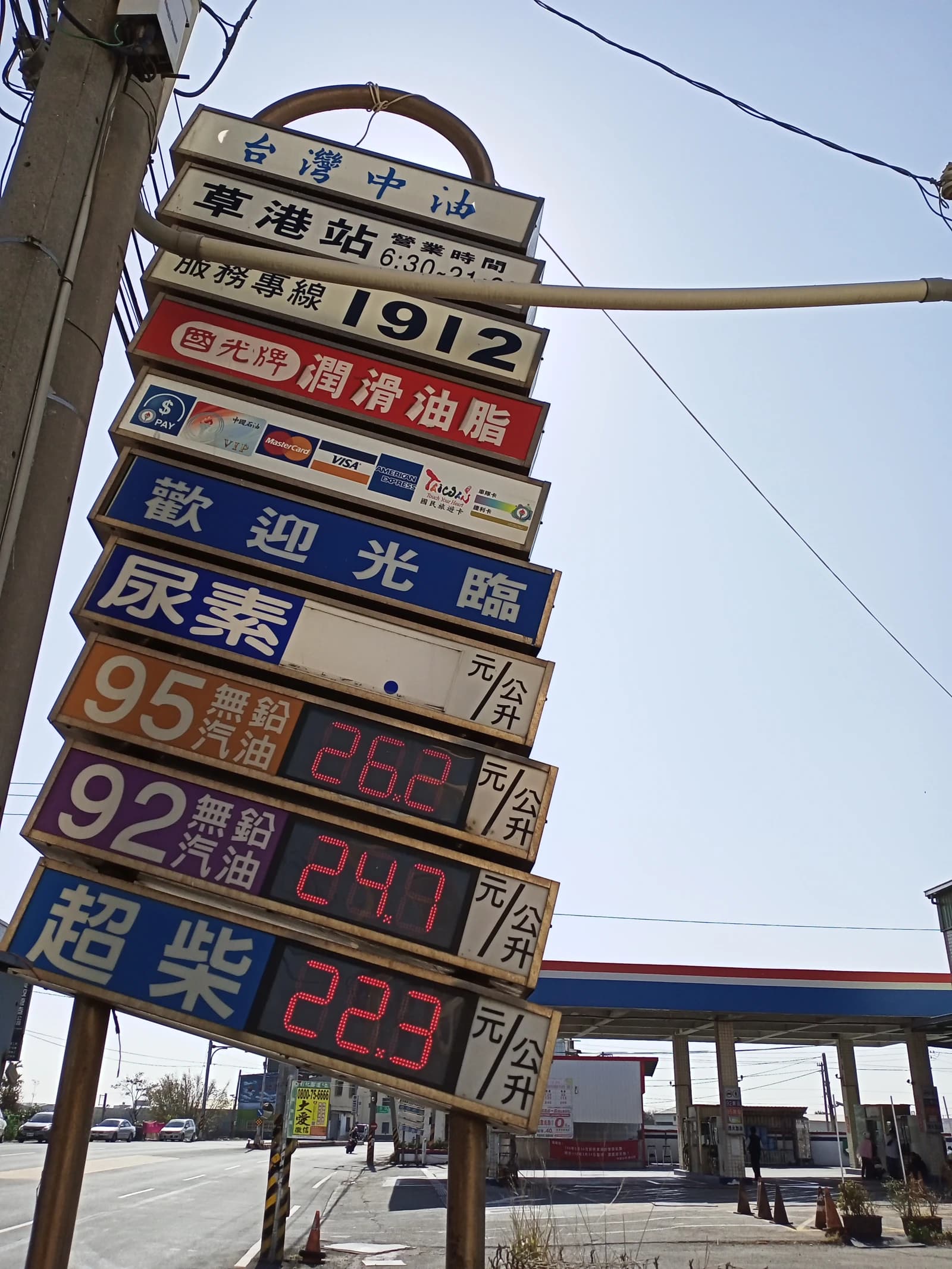
The market backdrop is already severe. US diesel prices have hit a record average of $6.52 a gallon, while in Britain the RAC said the average diesel price was 197.75p a litre on Thursday, up sharply from before the Iran war. In Germany and the Netherlands, pump prices have also moved to record highs, adding to political pressure on governments to contain household fuel costs.
For Washington, the policy would be a blunt attempt to ease domestic pain before elections, but it risks backfiring on refinery economics and supply discipline. Energy Secretary Chris Wright has already warned that restricting exports could harm US fuel supplies over the longer term. US refiners depend on global outlets to clear surplus product and sustain margins, and any export cap could distort those flows just as the diesel crack spread has already surged to record levels.
The knock-on effect for investors is broader than the fuel trade itself. Higher diesel prices tend to raise inflation expectations, support energy equities, pressure transport-heavy sectors and revive concern about central banks having to keep policy tighter for longer. Refiners may benefit initially from wider product margins, but sustained policy intervention could also reduce throughput incentives and unsettle trading books built around open global flows.
Shares tied to the energy complex have already reflected the volatility in fuel markets. Conventional technical indicators on energy funds such as XLE and the US Oil Fund show recent price swings after sharp run-ups, consistent with a market still reacting to supply shocks rather than a stable demand trend. That kind of trading backdrop suggests investors are treating diesel as a policy risk as much as a commodity.
For Europe and the UK, the immediate danger is not empty forecourts but a more expensive and less predictable supply chain. With domestic refinery capacity already reduced and reserve storage only partly cushioning the market, a US export ban would leave buyers scrambling for replacement cargoes at a time when global spare supply is thin.
What happens next will depend on whether the White House turns rhetoric into action. If Trump’s remarks remain a negotiating threat, the market may stay orderly. If a ban becomes serious, analysts and traders say the result would be faster price spikes, sharper inflation pressure and a tougher backdrop for consumers, refiners and policymakers alike.
| Entity | Gains | Losses |
|---|---|---|
| US refiners | ▲Wider domestic price support | ▼Export sales and margins |
| European buyers | ▲Temporary none | ▼Higher diesel costs |
| US households | ▲Short-term pump relief | ▼Higher long-term fuel risk |
| Logistics and agriculture | ▲None | ▼Rising operating costs |