Europe is moving to blunt a fresh diesel shock after attacks on a key Saudi oil pipeline reopened fears that Middle Eastern supply disruptions could push fuel costs higher just as inflation is already biting households and forcing governments to reach for tax relief.
Europe faces diesel price spike after Saudi pipeline attack
The immediate market issue is not a shortage of barrels in Europe so much as the price of securing them. The 1,200-kilometre East-West pipeline in Saudi Arabia — an alternative route built to bypass the Strait of Hormuz — was temporarily shut after Houthi and Iraqi strikes, putting as much as 5.5 million barrels a day of Saudi throughput at risk and potentially threatening up to 4% of global oil supply if the disruption persists.
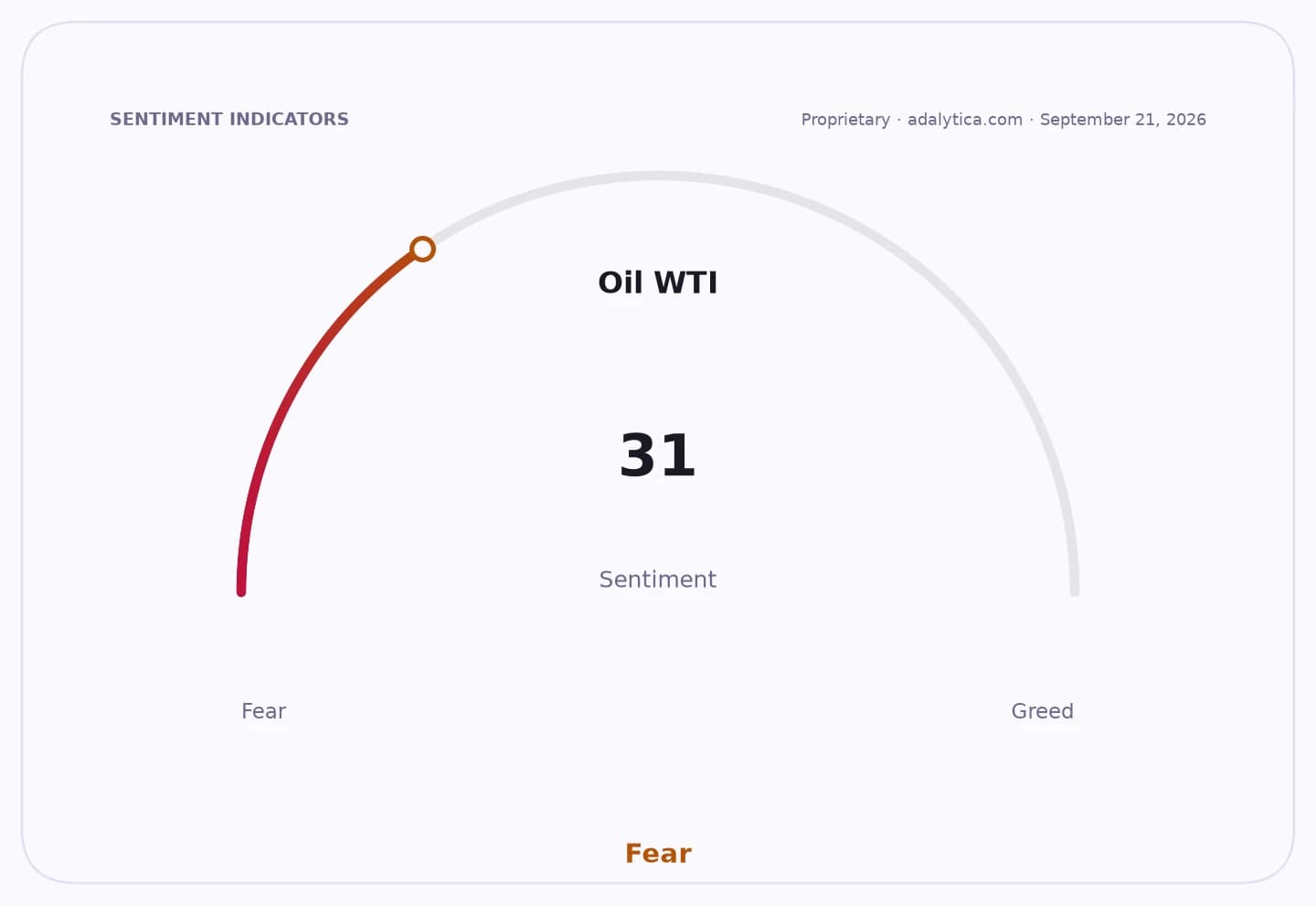
Sentiment IndicatorsⓘProprietary · adalytica.com · September 19, 2026
This is a snapshot — live sentiment, awareness and momentum for 130+ markets update continuously in the dashboard.Open AlphaPulse
That matters because diesel is especially exposed. Kpler analyst Homayoun Falakshahi said around 1.5 million barrels a day feed refineries in western Saudi Arabia, making the interruption “haussière pour le diesel” even if exports eventually normalize. Brent has recently traded above $113 a barrel, while U.S. crude futures are up sharply from spring levels, and the cost pressure is feeding straight through to transport, heating and food chains across Europe.
The political response has been swift because the economic backdrop is fragile. France and Italy are heading toward crucial 2027 elections, and both are already dealing with inflation rates driven in part by energy: 2.7% in France in August and 3.3% in Italy. Emmanuel Macron has ordered a mobilisation to address fuel prices and tied the issue directly to security of navigation in the Strait of Hormuz, while Rome has moved to abolish a motor-vehicle duty on smaller cars and asked Brussels to treat the energy crunch more like a defence emergency.
Spain has doubled its diesel tax cut to 20 cents a litre after a 15.7% jump in diesel prices in July, and Berlin says it will soon unveil measures to ease record fuel costs. But the Commission has been clear that it cannot cap global crude prices, stressing instead that Europe’s diesel demand is still being met by higher refinery output and alternative supply routes. Officials say there is no present supply emergency, but they concede that a tighter market is likely as autumn and winter demand builds.
For investors, the key trade-off is straightforward: higher crude and diesel prices support upstream producers and refiners, but they raise inflation expectations, complicate monetary policy and threaten margins for transport, chemicals and consumer companies. Shares tied to energy have already reflected that shift. UGA, a gasoline-linked ETF, and UCO, an oil-leverage vehicle, have both surged in recent sessions, while Shell has held near multi-month highs as refining and trading economics improve. U.S. oil majors such as Chevron, Exxon and ConocoPhillips have also warned in recent filings that downstream margins and crude-price volatility can move earnings sharply.
The broader market implication is that Europe may be entering another phase where energy security, not just energy price, shapes fiscal and policy choices. Calls for a windfall tax on oil and gas profits are gaining traction in Brussels, but any such move would risk widening the gap between governments seeking consumer relief and companies benefiting from tighter fuel markets. If the Saudi pipeline repair is quick, the spike may prove temporary; if not, Europe could be forced into more tax cuts, more political brinkmanship and a longer stretch of inflationary pressure.
| Entity | Gains | Losses |
|---|---|---|
| Oil producers | ▲Higher crude prices | ▼Political pressure for taxes |
| Refiners/traders | ▲Stronger diesel margins | ▼Volatile input costs |
| European consumers | ▲Short-term tax relief | ▼Higher fuel bills |
| European governments | ▲Political cover via subsidies | ▼Inflation and budget strain |