European equities were set for a firmer open as crude prices extended their decline, easing one of the biggest pressures on markets after a week dominated by inflation and rate fears.
European stocks rise as oil prices fall
The drop in oil matters because it directly affects the outlook for European growth, corporate margins and central bank policy. Lower energy costs reduce the risk that inflation stays elevated for longer, which in turn can ease pressure on the European Central Bank and support rate-sensitive stocks. For investors, that creates a short-term relief trade in cyclicals and broad indices even if the geopolitical backdrop remains volatile.
Sentiment IndicatorsⓘProprietary · adalytica.com · September 24, 2026
This is a snapshot — live sentiment, awareness and momentum for 130+ markets update continuously in the dashboard.Open AlphaPulse
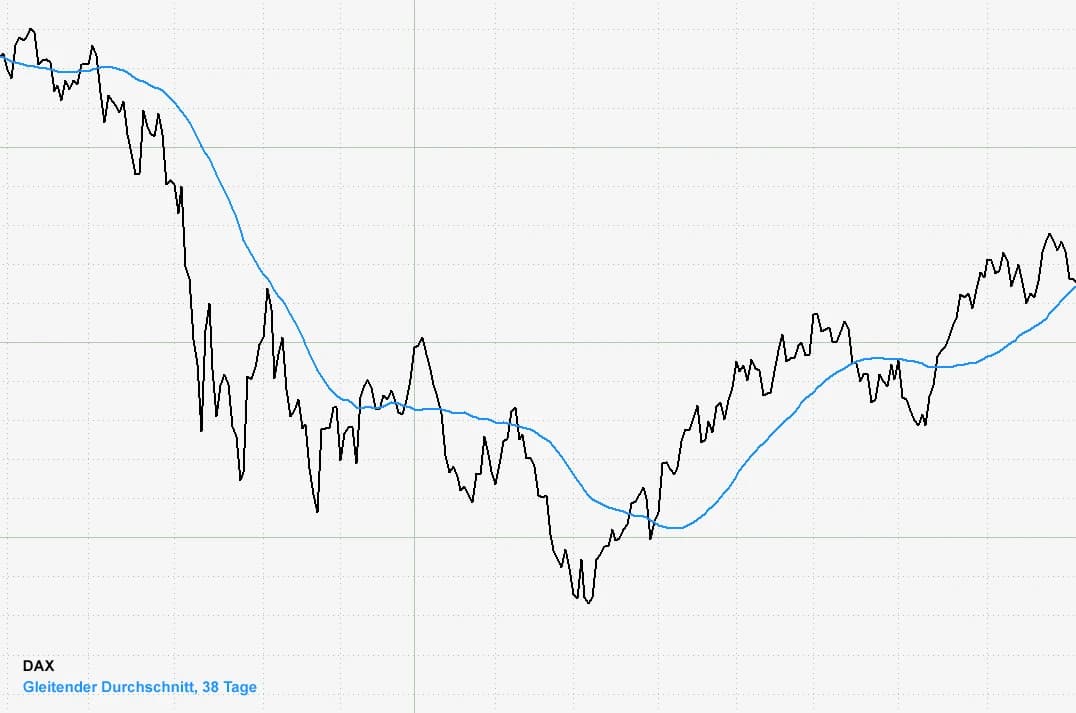
In Vienna, the ATX opened at 6,863.69 points and strengthened during the session, helped by the softer oil tone and steadier Asian markets. Germany’s DAX also started higher, up 0.74% at 25,491.35 points, as traders looked for stabilization after a turbulent week marked by the Federal Reserve’s rate move and persistent concern about energy prices. Wall Street finished Friday unevenly, with the Dow Jones down 0.18% and the Nasdaq up 0.39%, underscoring how higher Treasury yields above 5% and oil-driven inflation fears continue to split the market.
The clearest market support came from Asia. The Nikkei was shut for a holiday, but the Shanghai Composite rose 0.97% and Hong Kong’s Hang Seng gained 1.05%. Brent crude fell about 2% to below $102 a barrel, while the U.S. benchmark in the data set showed further weakness from recent highs, with West Texas Intermediate forecast lower after sliding from the mid-$160s on the USO proxy in recent sessions. Energy shares in the U.S. were softer as well, with the XLE energy ETF and the XOP exploration and production ETF both off from their recent peaks, reflecting how quickly the market has begun to price in some relief from the oil spike.
That relief is not yet a clean all-clear. The move in crude is being driven by hopes that Saudi pipeline flows can normalize faster than feared, but the Middle East backdrop remains unstable, with mixed signals from Iran and fresh U.S. warnings keeping a geopolitical premium embedded in prices. That leaves investors in a familiar tension: cheaper oil should help earnings and sentiment, but any renewed disruption would quickly reverse the improvement.
For now, the immediate narrative is one of stabilization. If oil keeps easing and regional tensions do not escalate further, European equities could extend their rebound and defensive positioning in markets may unwind. If crude turns higher again, the recent bounce in the ATX and DAX is likely to prove tactical rather than durable.
| Entity | Gains | Losses |
|---|---|---|
| ATX / DAX | ▲Firmer open | ▼Energy shock premium |
| Consumers / Airlines / Industrials | ▲Lower input costs | ▼Less urgency for hedging |
| Energy producers | ▲Slower oil momentum | ▼Margin support fades |
| Central banks / Rate-sensitive stocks | ▲Softer inflation pressure | ▼Less hawkish pricing bias |