Brent crude slipped back under $100 a barrel after briefly clearing that threshold, underscoring how quickly the oil market is shifting from a straight supply panic to a fight between tight physical barrels and official intervention.
Brent Crude Falls Below $100 on Reserve Talk
The pullback matters because it does not erase the underlying shortage story — it changes the bargaining power. Western governments are now discussing releasing strategic fuel stocks, while OPEC+ has delayed a critical review of members’ production capacity until mid-November. Together, those moves could blunt the price spike that has kept energy equities bid and inflation expectations elevated, but they also highlight how little spare supply the market believes is available.
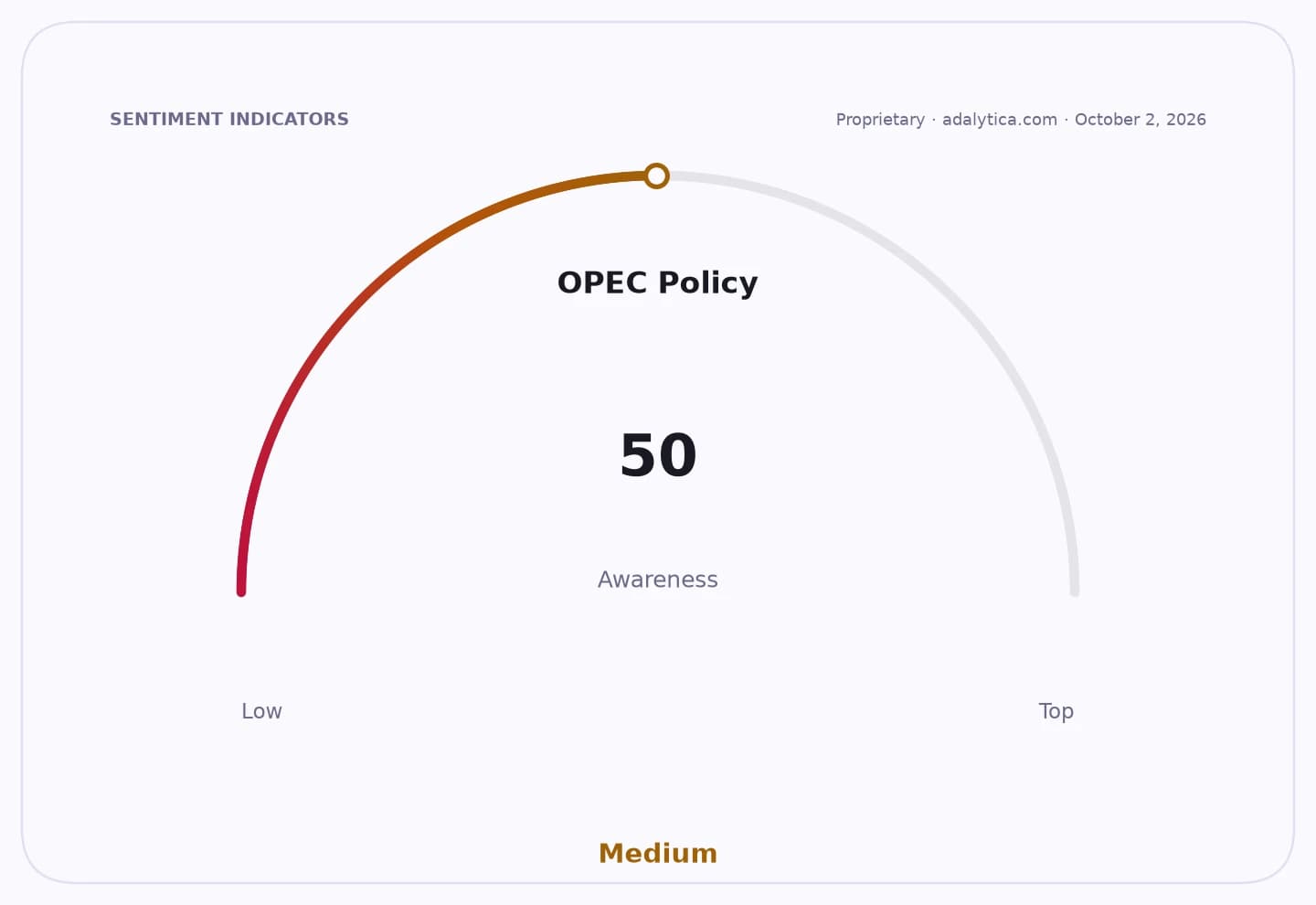
Sentiment IndicatorsⓘProprietary · adalytica.com · October 2, 2026
This is a snapshot — live sentiment, awareness and momentum for 130+ markets update continuously in the dashboard.Open AlphaPulse

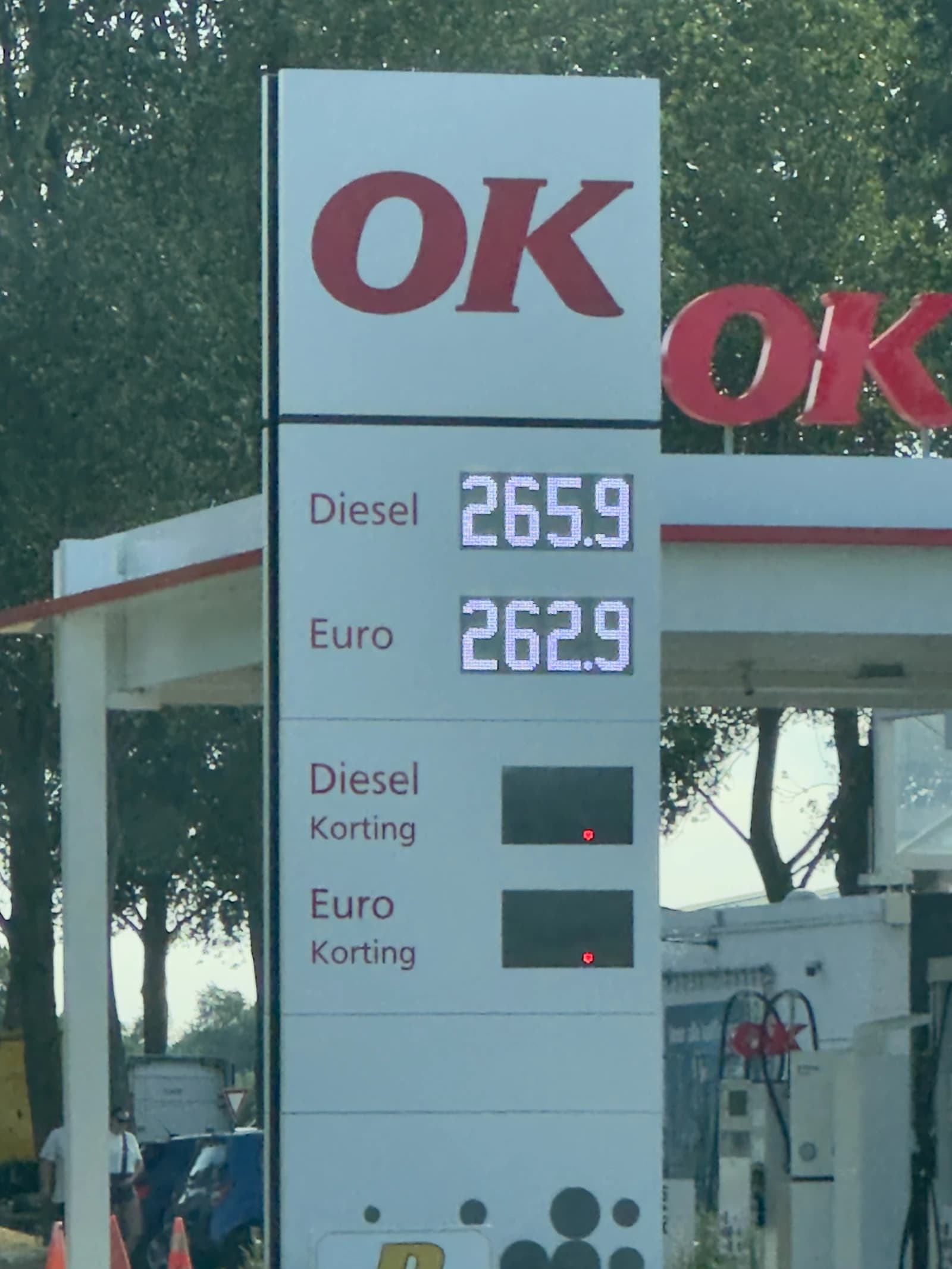
Brent settled down 2.47% at $99.78 a barrel, while U.S. crude fell 3.57% to $89.55, ending the week down 4.2% and 3.1% respectively. That correction followed reports that Europe is weighing a French proposal to release 50 million barrels of diesel from reserves, alongside another 50 million barrels of crude from International Energy Agency members. Traders have been leaning harder on the idea that the tightest part of the market is no longer just crude, but refined products — especially diesel — after refinery capacity in Russia and the Middle East has been squeezed.
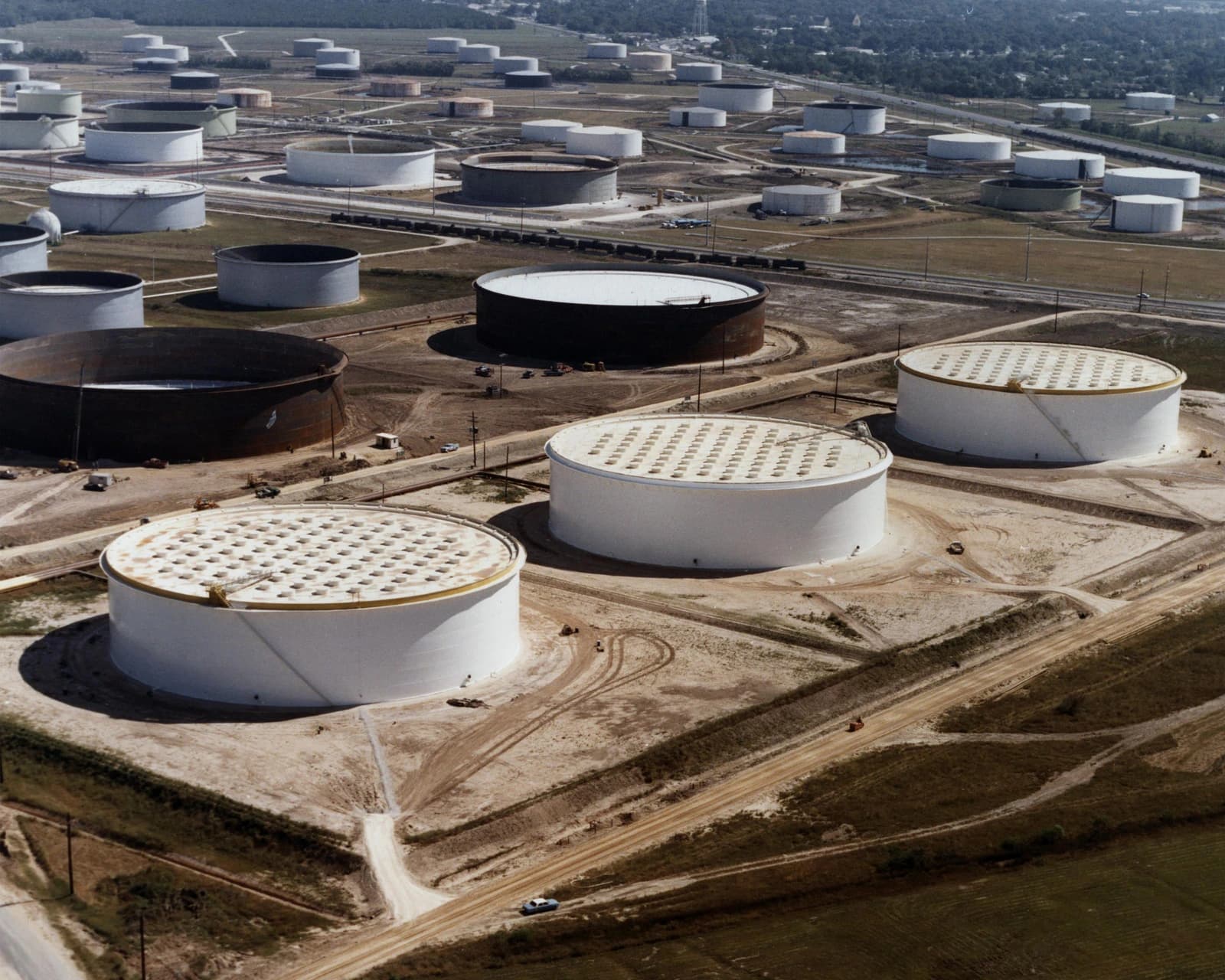
That is why the story still matters even with the price reversal. If strategic reserves are released in size, they can cool the market enough to buy time. Barclays said a large release could even push the market into a slight surplus, especially as Gulf crude flows recover. But the bank also lifted its fourth-quarter Brent forecast by $20 to $115 a barrel and raised its 2026 average to $100, a signal that the broader thesis remains intact: inventories are low, physical differentials are firm, and supply remains vulnerable to disruption.
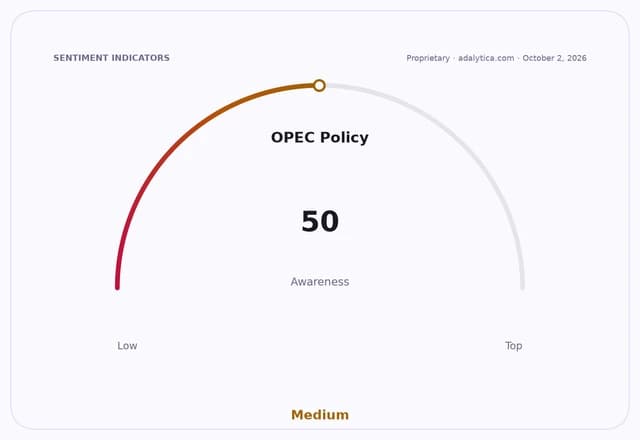
The bigger structural issue is inside OPEC+. The alliance has pushed back its deadline for completing a capacity review to mid-November, a process that will help set each member’s baseline production for 2027. That sounds procedural, but it is a fight over money and influence. Countries with more assessed capacity win higher quotas; those judged to have less lose leverage. The delay reflects the difficulty of collecting reliable data after disruptions to Middle East projects, and it revives the same quota tensions that have repeatedly strained the group.
For investors, this is the kind of setup that rewards exposure to energy volatility, not complacency. USO, which tracks crude, has remained elevated even after the recent selloff, while energy-sector ETFs have held gains despite the pullback. In the near term, that argues for staying positioned in producers, integrated majors and service names that can monetize high prices and volatile flows, while recognizing that any coordinated stock release could trigger sharp trading swings.
The next catalyst is OPEC+’s full meeting later in November. Until then, the market is likely to trade every headline on reserves, refinery outages and Middle East security as a potential spoiler for supply. My view remains the same: the market underestimates how fragile the balance is, and any dip caused by reserve releases may prove temporary unless OPEC+ can actually settle quotas without reopening its internal rifts.
| Entity | Gains | Losses |
|---|---|---|
| Consumers and importers | ▲Temporary relief at the pump | ▼Higher fuel costs |
| OPEC+ exporters | ▲Higher baseline quota leverage if capacity is recognized | ▼Lost pricing power if reserves are released |
| Integrated oil producers | ▲Strong cash flow at elevated prices | ▼Lower upside if intervention cools prices |
| Strategic reserve holders | ▲Short-term inflation relief | ▼Reduced emergency buffer |