The Strait of Hormuz is once again proving that geography can move markets faster than diplomacy can calm them. With Iran’s pressure on the world’s most important oil chokepoint disrupting flows and forcing governments to lean on emergency reserves, crude has climbed back toward $90 a barrel, exposing how little slack the global energy system has when one narrow waterway turns into a weapon.
Strait of Hormuz Disruptions Push Crude Near $90
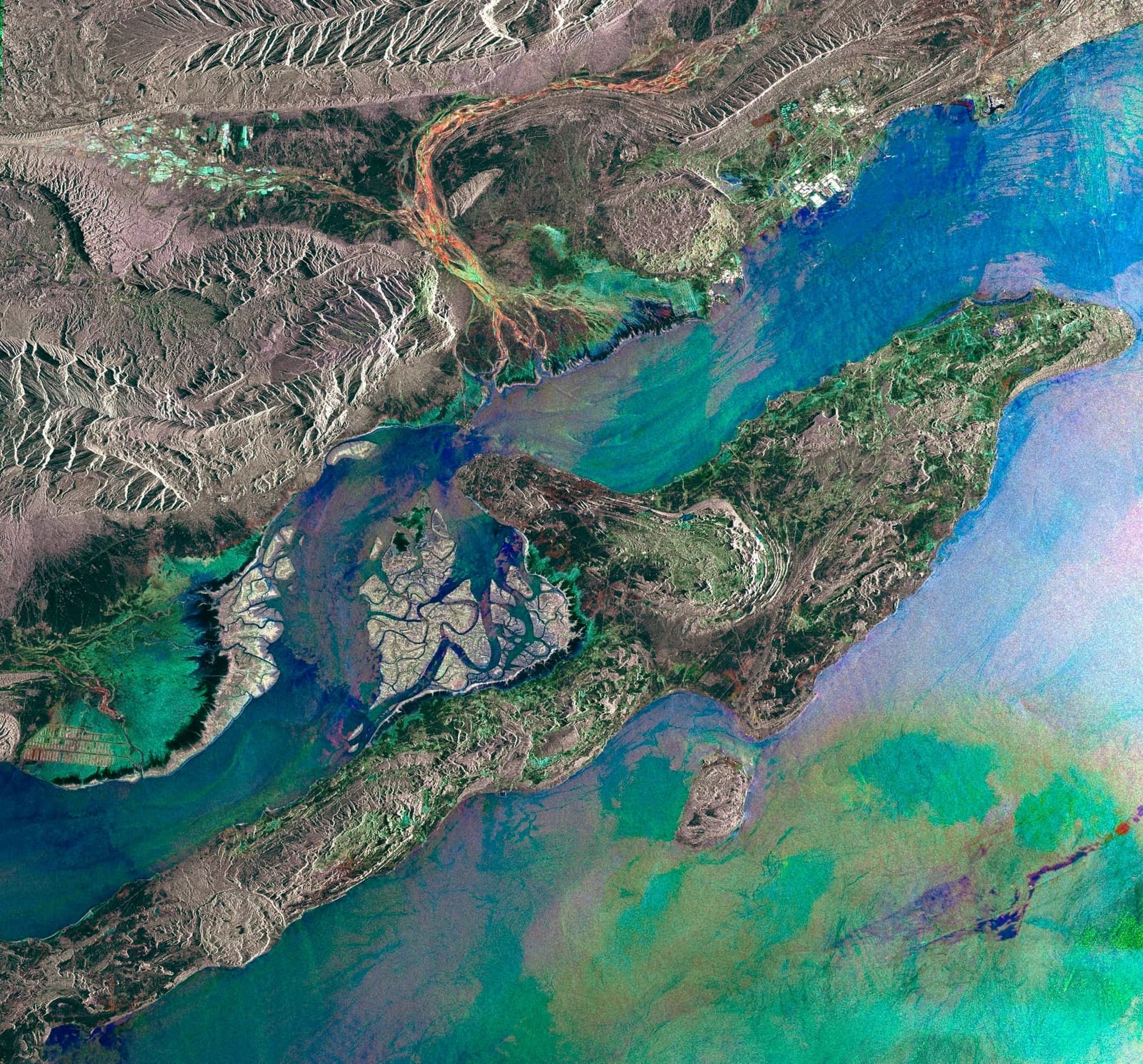
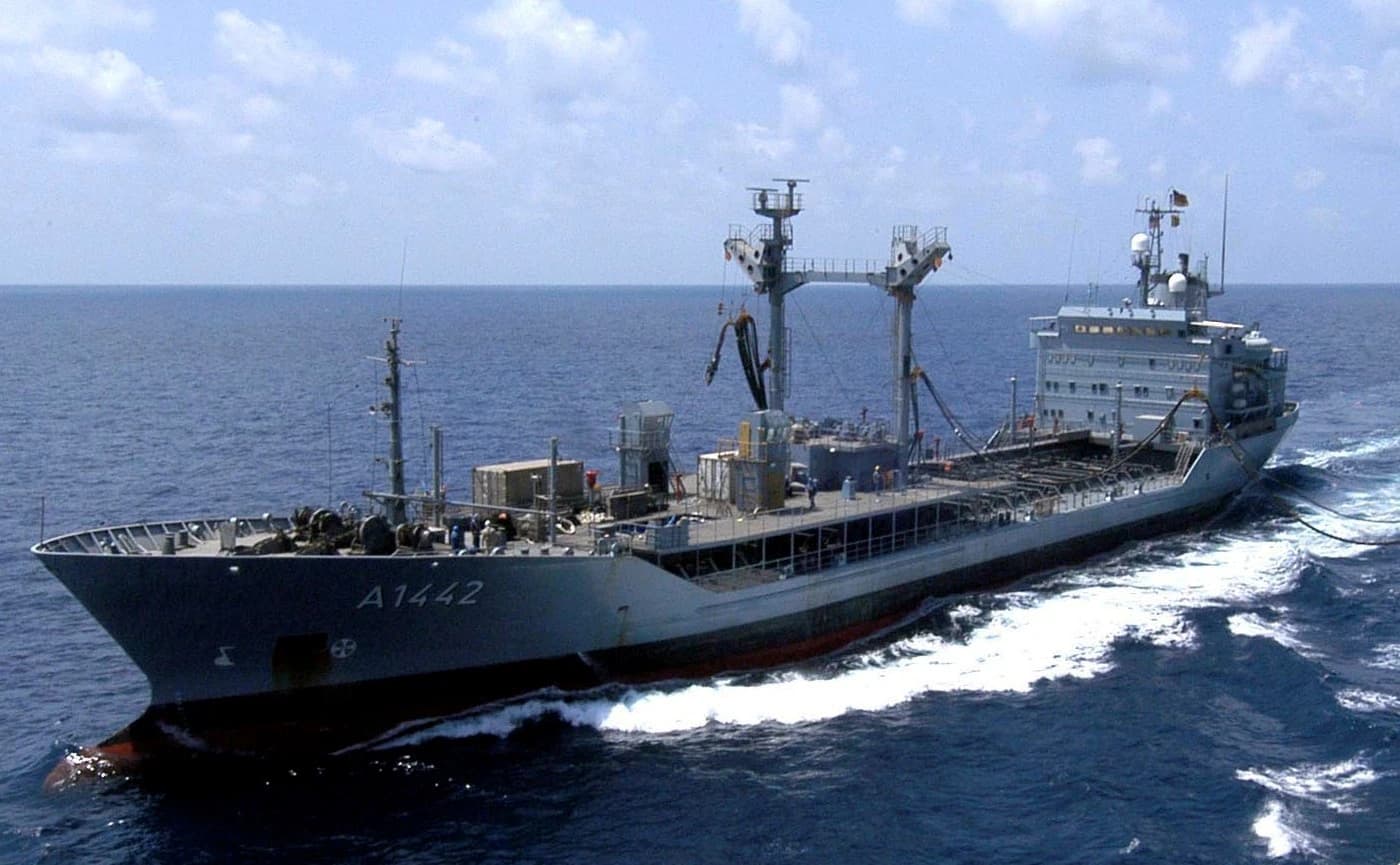
That matters because Hormuz is not just another shipping lane. Roughly 20 million barrels a day of crude and refined products normally pass through the strait, along with about a fifth of global liquefied natural gas trade. When flows seized up in the spring, they collapsed to roughly 2.7 million barrels a day, according to the International Energy Agency, the biggest interruption in the history of the oil market. Even with military escorts and improvised rerouting, volumes have only recovered to around 13 million barrels a day, still well below normal and far from secure.
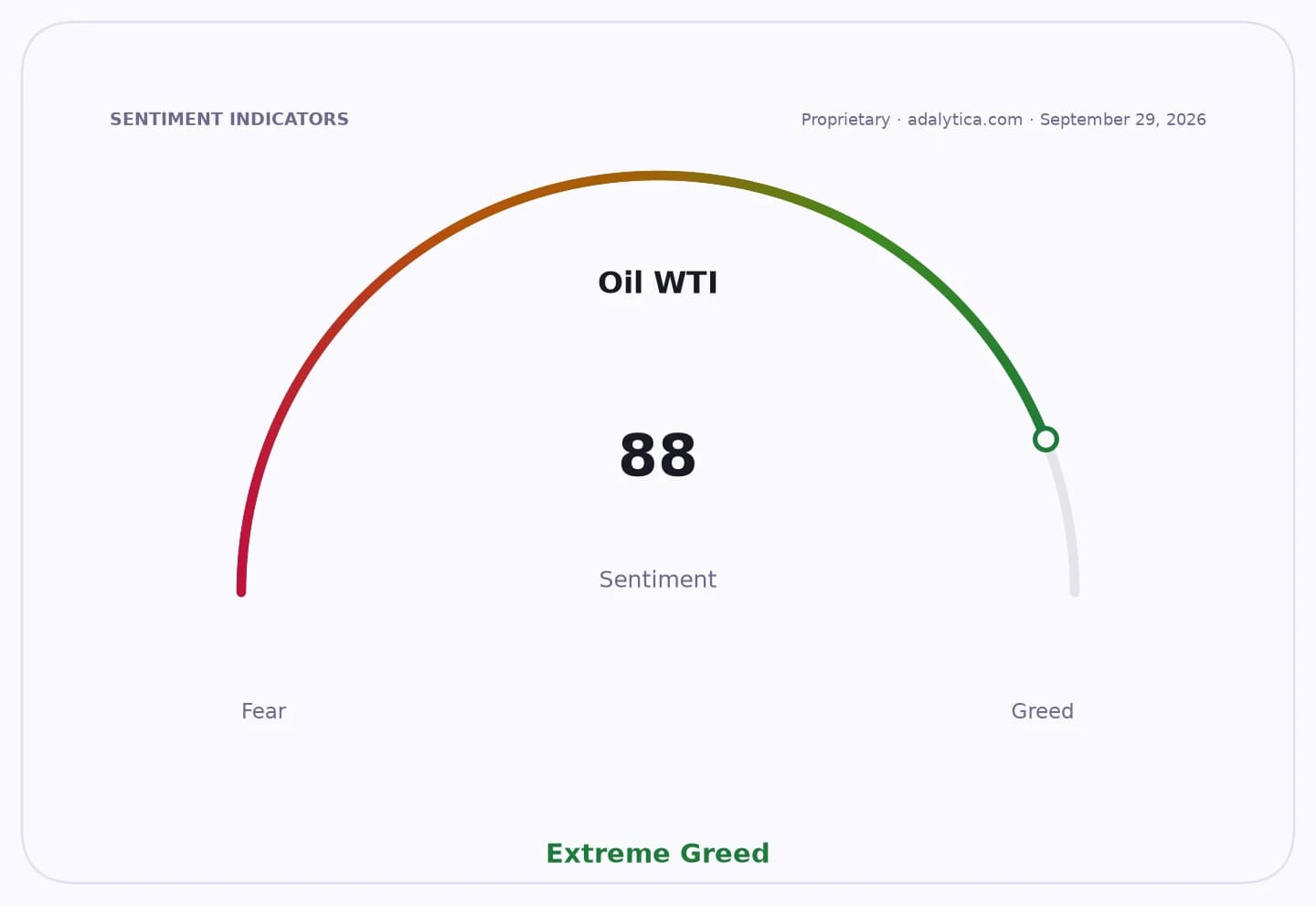
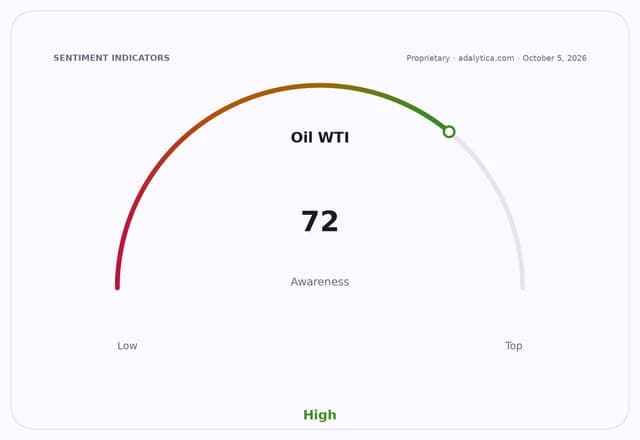
Sentiment IndicatorsⓘProprietary · adalytica.com · October 5, 2026
This is a snapshot — live sentiment, awareness and momentum for 130+ markets update continuously in the dashboard.Open AlphaPulse
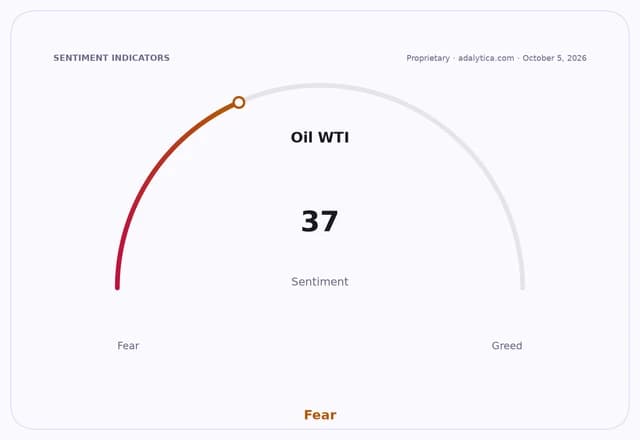
For investors, the lesson is simple: the market is pricing not only oil, but risk. Brent and U.S. crude futures have been trading in a far tighter, more volatile band, with WTI recently near $90 after spikes above $100 earlier in the year. That kind of move feeds directly into fuel costs, airline margins, trucking rates and inflation expectations. It also helps explain why energy shares have held up while consumers, refiners and transport-heavy businesses face renewed pressure.
The G7’s decision to release 100 million barrels of crude and products underlines the scale of the vulnerability. On paper, that is a significant intervention. In practice, it buys time rather than solving the problem. The International Energy Agency has already deployed 325 million barrels from strategic reserves since March, and the latest release is only a fraction of what would be needed if Hormuz were closed materially for long. Reserve barrels can smooth panic, but they cannot replace a chokepoint that moves a quarter of seaborne oil trade.
That is why this story is bigger than oil prices. It is about coercion and deterrence in real time. Iran has shown it can raise the cost of conflict without needing to shut the strait completely. The United States and its allies, meanwhile, have shown they can keep tankers moving only by spending money, deploying force and drawing down stockpiles. The result is a global energy system that remains efficient in peacetime but fragile in crisis.
The market implications are broad. Higher crude supports producers and service companies, but it also raises the odds of political responses such as windfall taxes, which Poland has already floated. It strengthens the hand of exporters and encourages buyers to diversify toward places like North Africa and Kazakhstan. And it keeps geopolitical risk embedded in asset prices, from oil ETFs to integrated majors such as Chevron and Exxon Mobil, both of which have warned that Middle East tensions can affect trading, logistics and upstream operations.
The long-term investment takeaway is not to guess the next headline, but to recognize the structural lesson. Hormuz is a reminder that energy security still matters, and that the world’s spare capacity is thinner than many portfolios assume. For investors, that argues for owning quality energy producers, staying diversified across sectors, and treating geopolitical shocks as a reason to plan for years, not days. Worth watching closely.
| Entity | Gains | Losses |
|---|---|---|
| Oil producers | ▲Higher crude prices | ▼Demand volatility |
| Consumers and airlines | ▲Temporary reserve releases | ▼Higher fuel costs |
| G7 governments | ▲More time to stabilize markets | ▼Depleted stockpiles |
| Iran | ▲Coercive leverage | ▼Sanctions pressure, shipping costs |