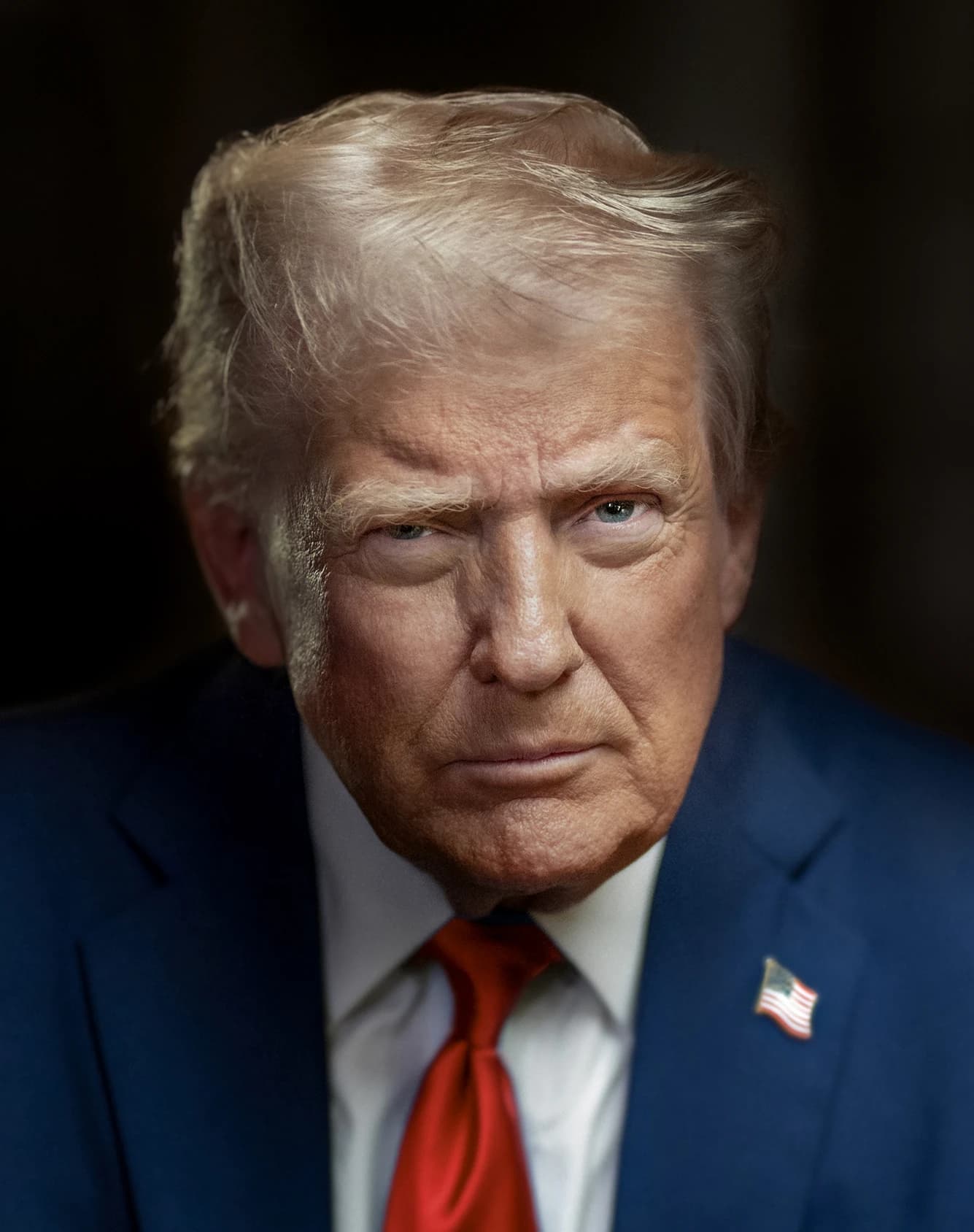
Iran’s sudden change at the top of its oil ministry matters because the country is trying to steady a strained energy system at the same time Middle East conflict is squeezing fuel supplies and unsettling oil markets.
Iran Oil Ministry Shakeup Amid Fuel Shortages
Oil Minister Mohsen Paknejad has resigned, with Tehran immediately accepting the departure and appointing Hamid Bovard, the head of the National Iranian Oil Company, as acting minister. No reason was given, but the timing is hard to ignore. Reuters cited long gasoline lines at stations inside Iran as war-related disruptions reverberate through the country’s fuel network, underscoring how quickly geopolitics is turning into a domestic economic problem.
For Iran, oil is not just another sector. It is the backbone of state revenue, a lever of political stability and a source of strategic influence beyond its borders. A leadership shake-up in the ministry raises the stakes because any wobble in fuel distribution, refinery management or export policy can feed through to inflation, transport costs and public frustration. Investors in global energy do not need Iran to be a major incremental producer to feel the impact; they need only see that supply risks in a key producer remain elevated.
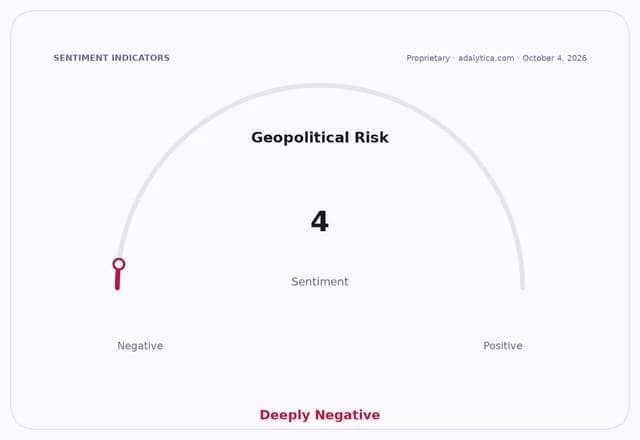
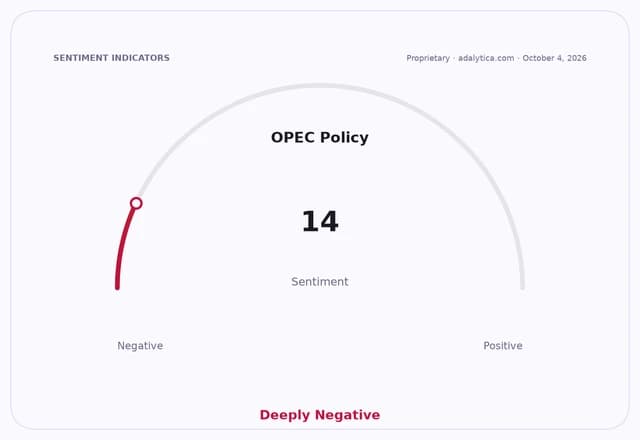
That helps explain the reaction in oil-related markets. U.S. crude benchmark proxies had already been volatile in recent sessions, with USO and UCO both trading well above their longer-term moving averages even after pullbacks. The broader energy sector fund XLE has also held gains versus its 200-day moving average, showing that investors continue to price in geopolitical risk rather than assume an easy normalization. In the background, Adalytica’s OPEC Policy Sentiment gauge shows “Extreme Fear,” while its Global Stability Sentiment is also deep in negative territory, a sign that markets are braced for policy and supply shocks.
Bovard’s appointment may be presented as a stopgap, but interim moves can still matter. A caretaker minister can stabilize operations, but he can also signal that Tehran is buying time while it manages a more complicated crisis behind the scenes. If fuel shortages persist, the pressure on the government to protect domestic supply could complicate export strategy, just as sanctions and regional tensions already limit Iran’s room to maneuver.
For long-term investors, the immediate lesson is that Middle East energy risk is not going away. The oil market may eventually settle, but every disruption of this kind reminds investors why diversified exposure, patience and attention to supply-side shocks matter. Iran’s oil ministry change is worth watching closely, especially if it leads to more volatility in crude, refined products or energy equities over the coming months.
| Entity | Gains | Losses |
|---|---|---|
| Iran government | ▲Short-term continuity | ▼Political pressure |
| Acting minister Hamid Bovard | ▲Elevated authority | ▼High expectations |
| Oil bulls / energy equities | ▲Supply-risk premium | ▼None immediate |
| Iranian consumers | ▲None immediate | ▼Fuel shortages |