OPEC+ is set to keep oil production targets unchanged in November, a sign the cartel wants to avoid rocking a market already being pulled around by war-risk premiums, tight supply and volatile prices.
OPEC+ Keeps Oil Output Targets Unchanged in November
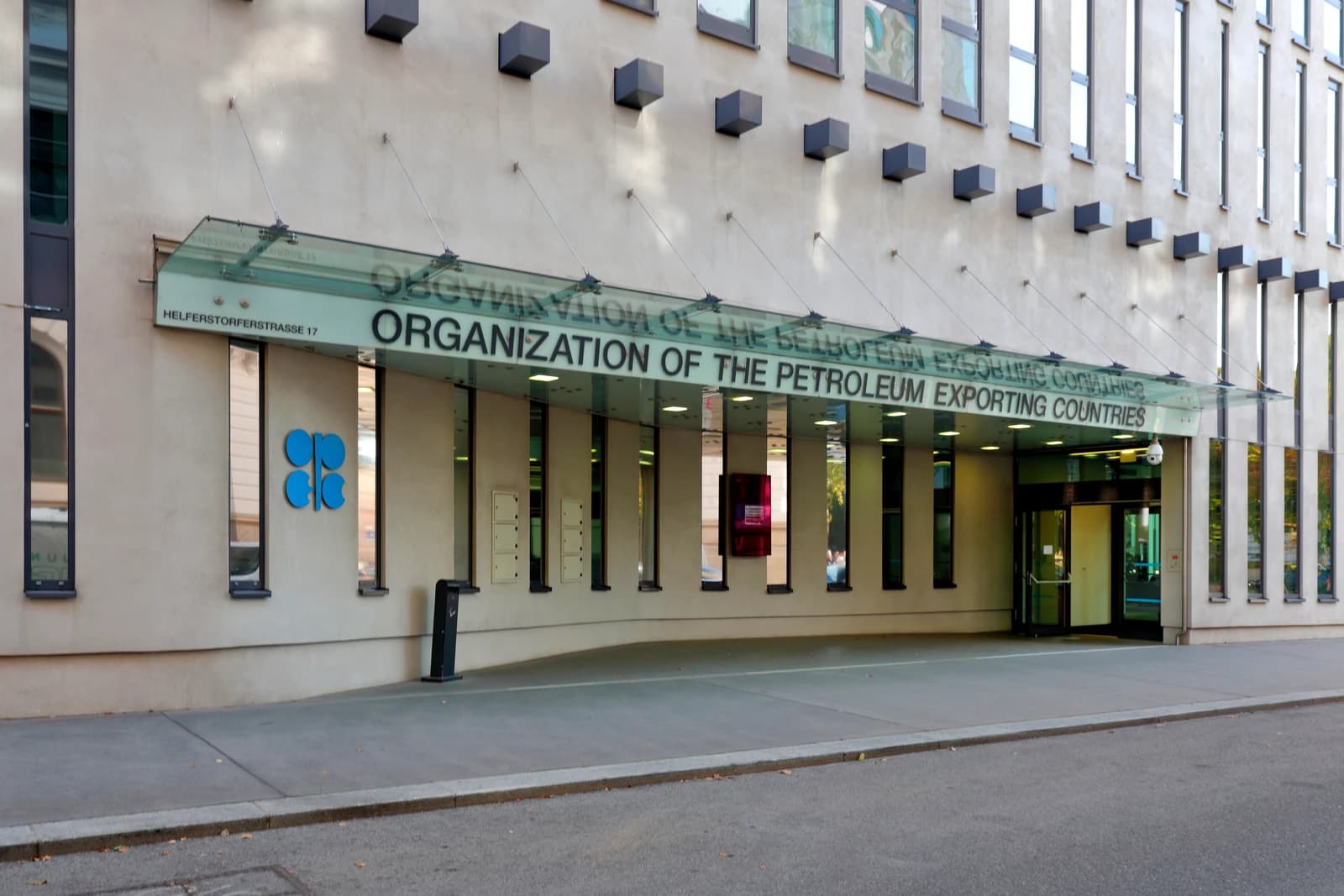
The move matters because oil is still one of the economy’s most powerful inflation levers. When OPEC+ chooses not to raise or cut quotas, it is effectively trying to preserve a delicate balance: support prices enough to protect producer revenue, but not so much that it chokes demand or triggers another inflation scare for consumers, central banks and businesses.
Sentiment IndicatorsⓘProprietary · adalytica.com · October 4, 2026
This is a snapshot — live sentiment, awareness and momentum for 130+ markets update continuously in the dashboard.Open AlphaPulse
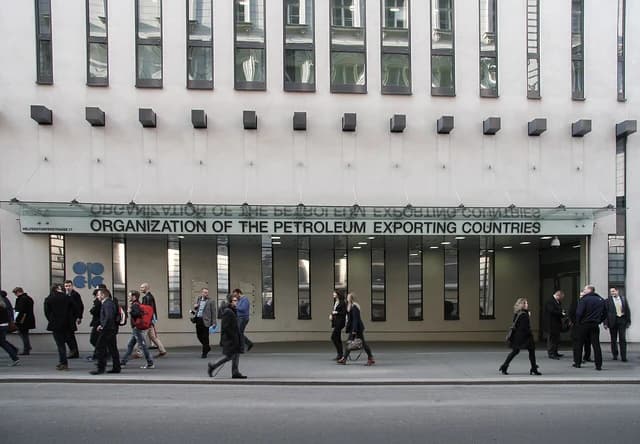
That balance has been particularly fragile in recent months. West Texas Intermediate futures have traded in a wide band, recently around $91 a barrel, after climbing above $100 earlier in the year. The 10-year Treasury yield has also stayed elevated above 5%, underscoring the market’s sensitivity to inflation and growth risks. In other words, energy costs are still feeding directly into borrowing costs and the broader cost of capital.
For investors, the biggest implication is that OPEC+ is choosing caution over aggression. That can be supportive for integrated oil companies, producers and energy ETFs such as XLE, which have benefited from stronger crude prices this year. But it also means consumers and oil-importing sectors are unlikely to get much relief soon, especially if geopolitical disruptions tied to Iran continue to constrain supply or delay broader production reviews.
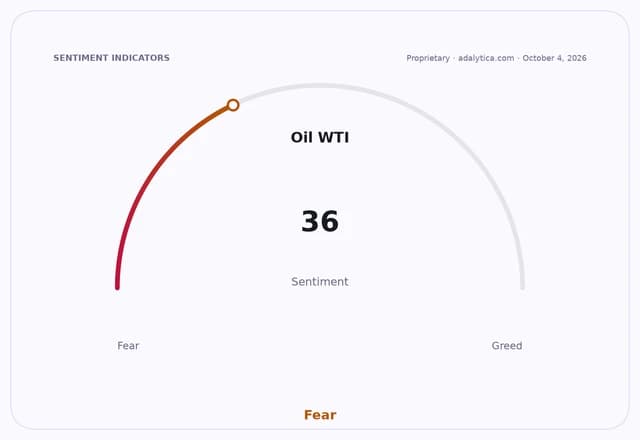
The decision also helps explain why energy stocks have remained resilient even as the market has shifted between optimism and fear. XLE has held near the low-60s, while oil-related trading sentiment from Adalytica.com remains cautious even after recent price swings. That mix suggests investors see earnings support from firm crude prices, but not enough visibility to chase the sector aggressively.
The longer-term question is whether OPEC+ can keep managing the market without losing share to U.S. shale and other non-OPEC producers. For now, the alliance appears determined to wait out the geopolitical noise rather than risk a supply surprise. For long-term investors, that keeps energy a sector to watch closely — especially if you want exposure to cash-generative producers in a world where oil is still setting the tone for inflation, margins and market sentiment.
| Entity | Gains | Losses |
|---|---|---|
| OPEC+ producers | ▲Higher pricing power | ▼Faster demand erosion |
| Energy stocks | ▲Earnings support | ▼Big pullback risk |
| Oil importers | ▲Temporary stability | ▼No price relief |
| Consumers | ▲— | ▼Higher fuel costs |