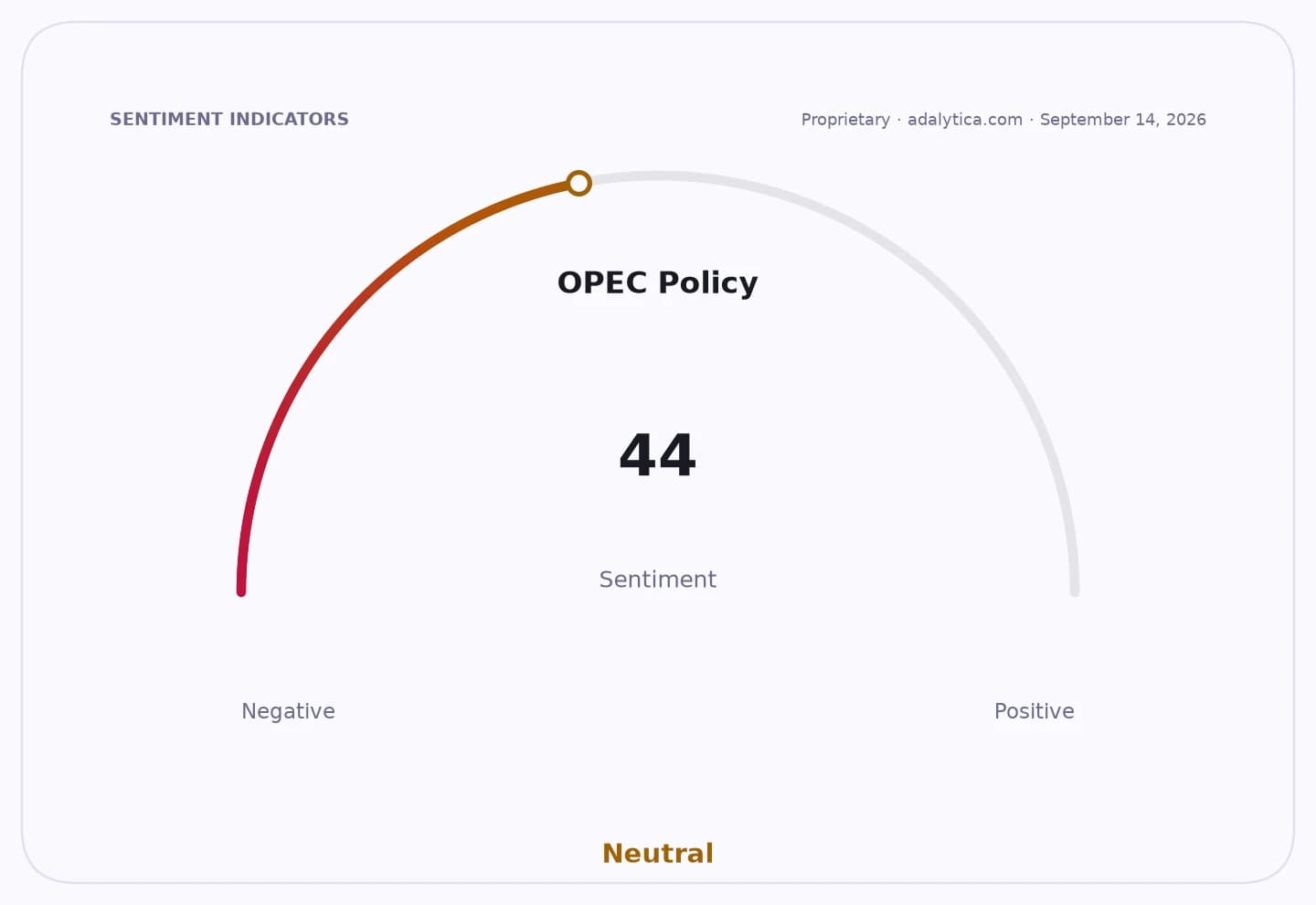
OPEC+ is expected to keep oil production unchanged at its meeting this weekend, even as the G7 moves to release 100 million barrels from strategic reserves in a bid to cool fuel prices. The likely decision would leave the producer group waiting out a fresh round of Western intervention in a market already strained by war risks and supply disruptions.
OPEC+ Seen Keeping Output Steady as G7 Releases Oil

For investors, the key issue is not just whether OPEC+ adjusts its November supply target, but whether the alliance signals it is willing to defend prices after weeks of volatility. Brent crude closed the week at $102.25 a barrel and WTI at $91.11, levels that keep energy markets sensitive to any shift in policy from Saudi Arabia and Russia.
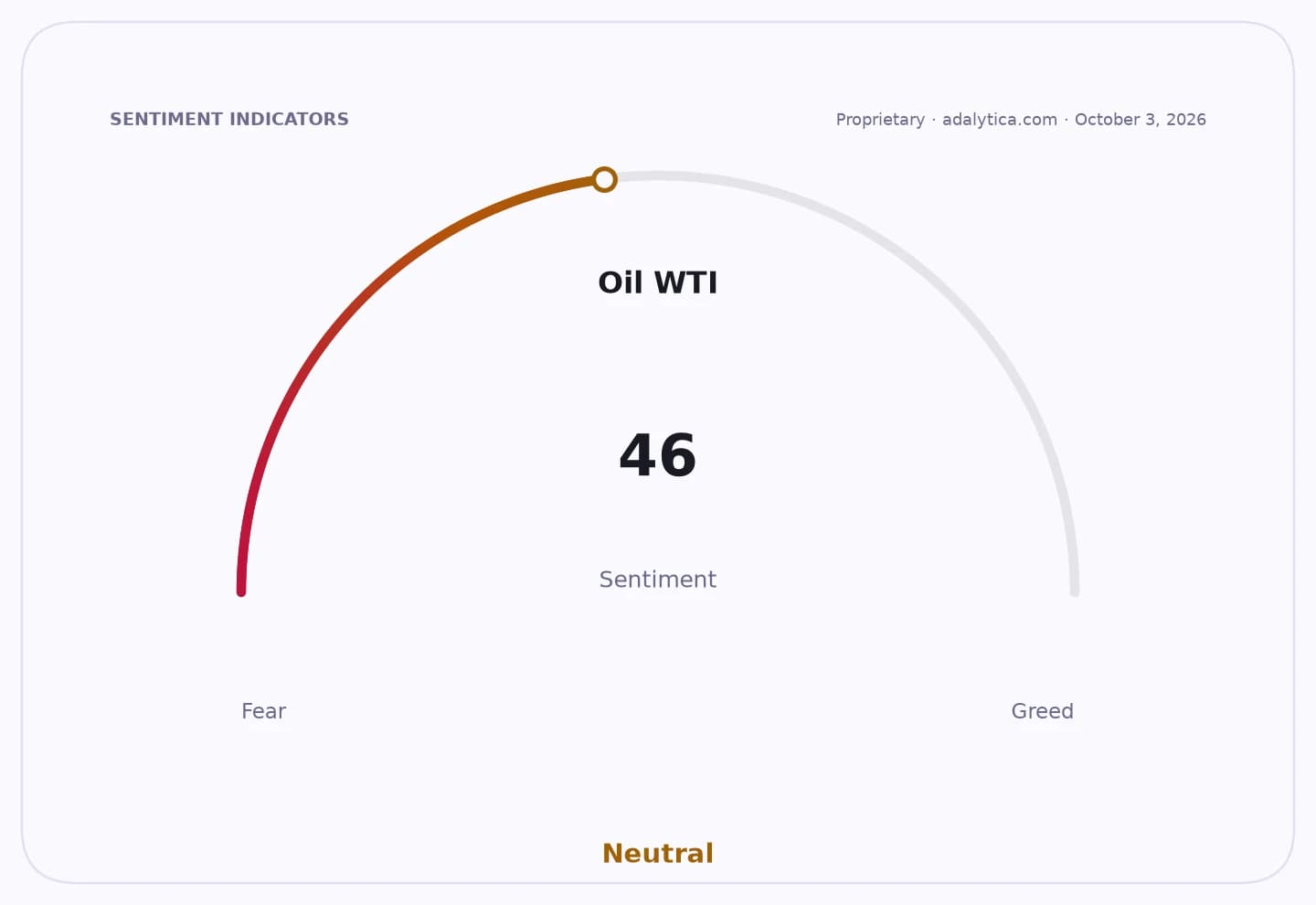
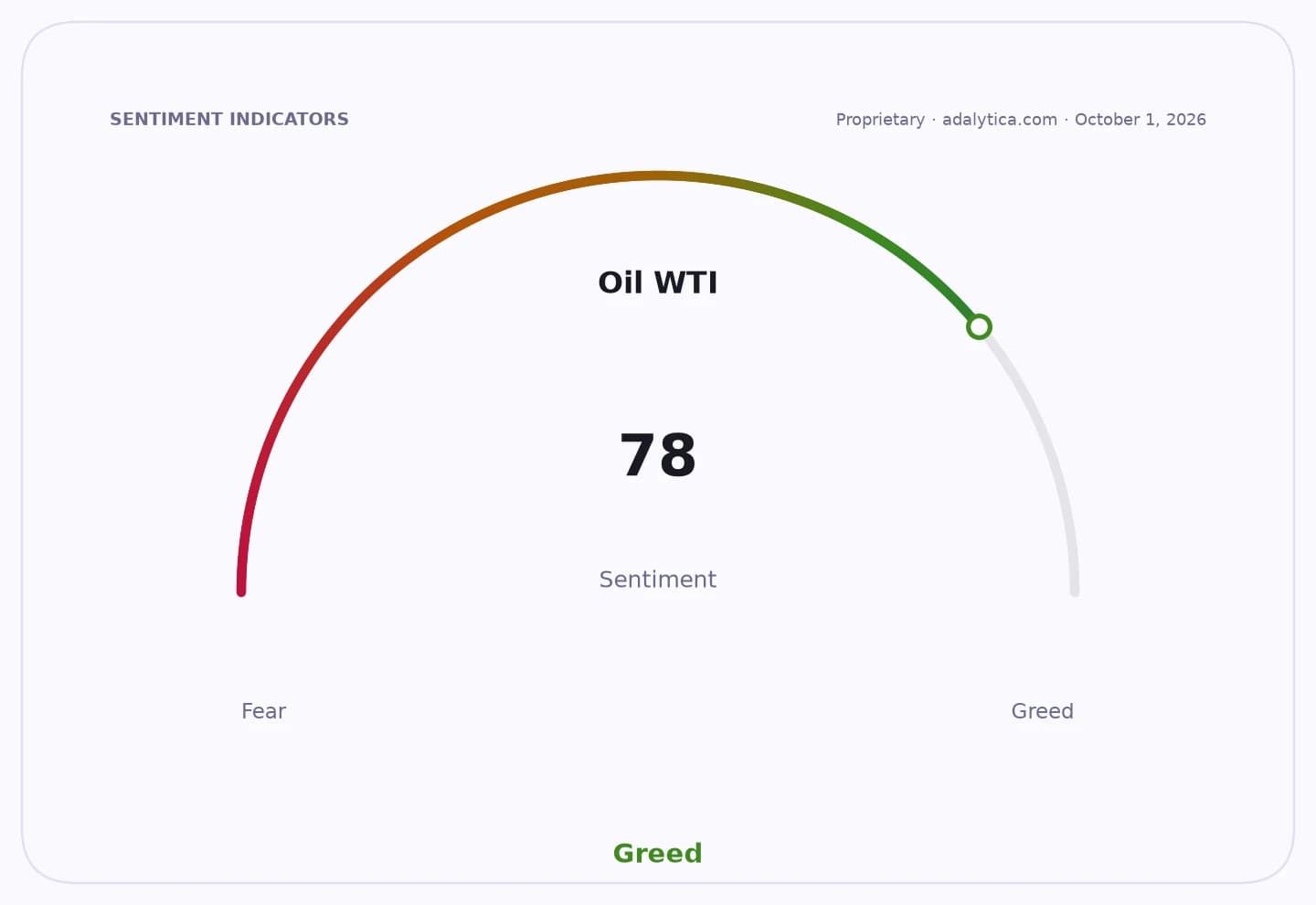
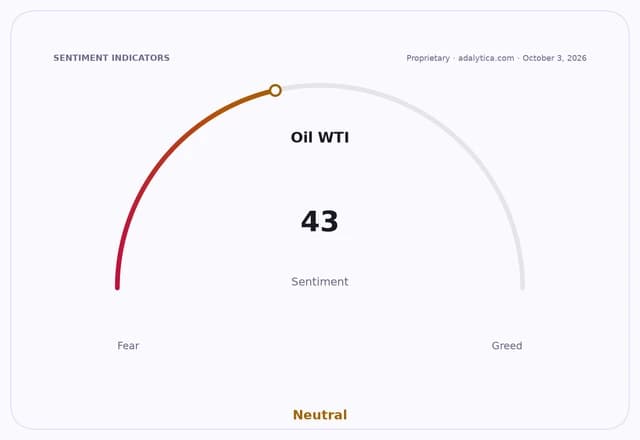
Sentiment IndicatorsⓘProprietary · adalytica.com · October 3, 2026
This is a snapshot — live sentiment, awareness and momentum for 130+ markets update continuously in the dashboard.Open AlphaPulse
The seven core OPEC+ ministers from Saudi Arabia, Russia, Iraq, Kuwait, Kazakhstan, Algeria and Oman are due to decide by teleconference on Sunday. Analysts expect them to extend the status quo after keeping October supply steady at their last meeting, a move that would effectively postpone a larger policy shift until later in November.
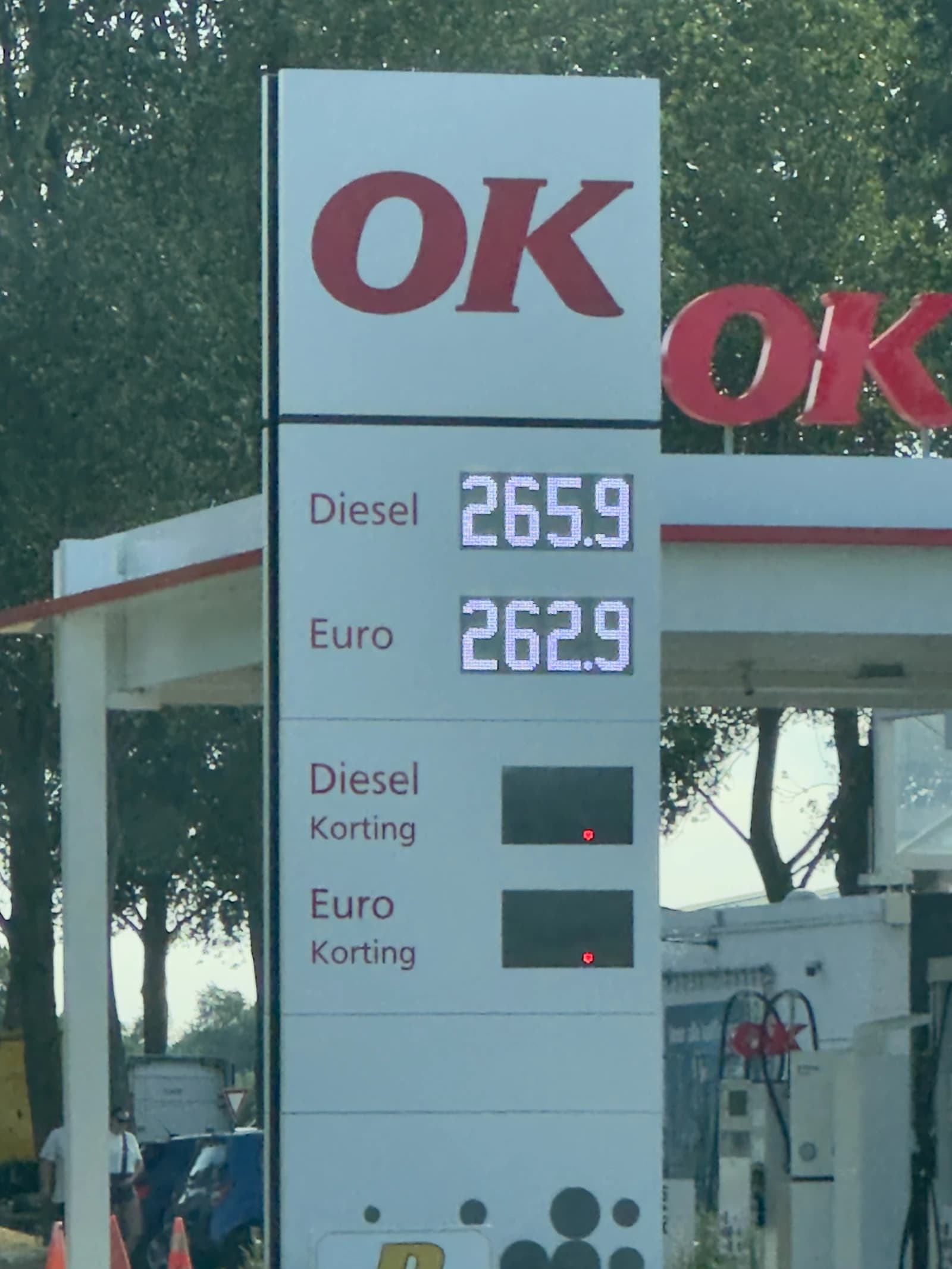
The G7 release, which will draw 100 million barrels of petroleum products — especially diesel — from reserves over the next four months, adds a political counterweight to OPEC+’s leverage. French President Emmanuel Macron said the goal is to push fuel prices lower as conflict in Iran and Yemen, plus attacks on Gulf and Red Sea transport routes, tighten supplies and raise shipping risks.
DCOILWTICO vs DCOILBRENTEU — macro contextadalytica.com
Explore this data interactively — full history, time series and cross-market comparisons.Open AlphaPulse
That backdrop matters because OPEC+ has already spent more than a year unwinding two voluntary cuts totaling 3.85 million barrels a day made in 2023 to support prices. The group’s internal balance is complicated by the fact that real output has lagged official quotas, with OPEC production at 24 million barrels a day in August, up 1.46% from July but still below January levels, according to the organization.
The broader alliance supplied 38 million barrels a day, or roughly 38% of the world’s forecast 2026 demand, underscoring how much influence the group still has over the market. If OPEC+ refrains from changing quotas, traders may read that as a decision to preserve pricing power while geopolitical risk keeps crude elevated.
Energy stocks have already reflected that tension. The Energy Select Sector SPDR ETF, XLE, and the VanEck Oil Services ETF, OIH, have both traded near elevated levels in recent sessions, with OIH showing particularly sharp swings as oil prices and supply headlines whipsaw expectations.
The next catalyst is Sunday’s ministerial call, followed by any hint that OPEC+ sees the G7 reserve release as temporary noise rather than a reason to defend or expand supply. Any surprise production move could quickly reset crude prices, airline fuel costs and inflation expectations across global markets.
| Entity | Gains | Losses |
|---|---|---|
| OPEC+ producers | ▲pricing power | ▼market share if demand weakens |
| G7 governments | ▲near-term fuel relief | ▼strategic reserves |
| Energy stocks | ▲higher crude-linked earnings | ▼if OPEC+ boosts supply |
| Fuel consumers | ▲lower pump prices if releases work | ▼if crude stays above $100 |