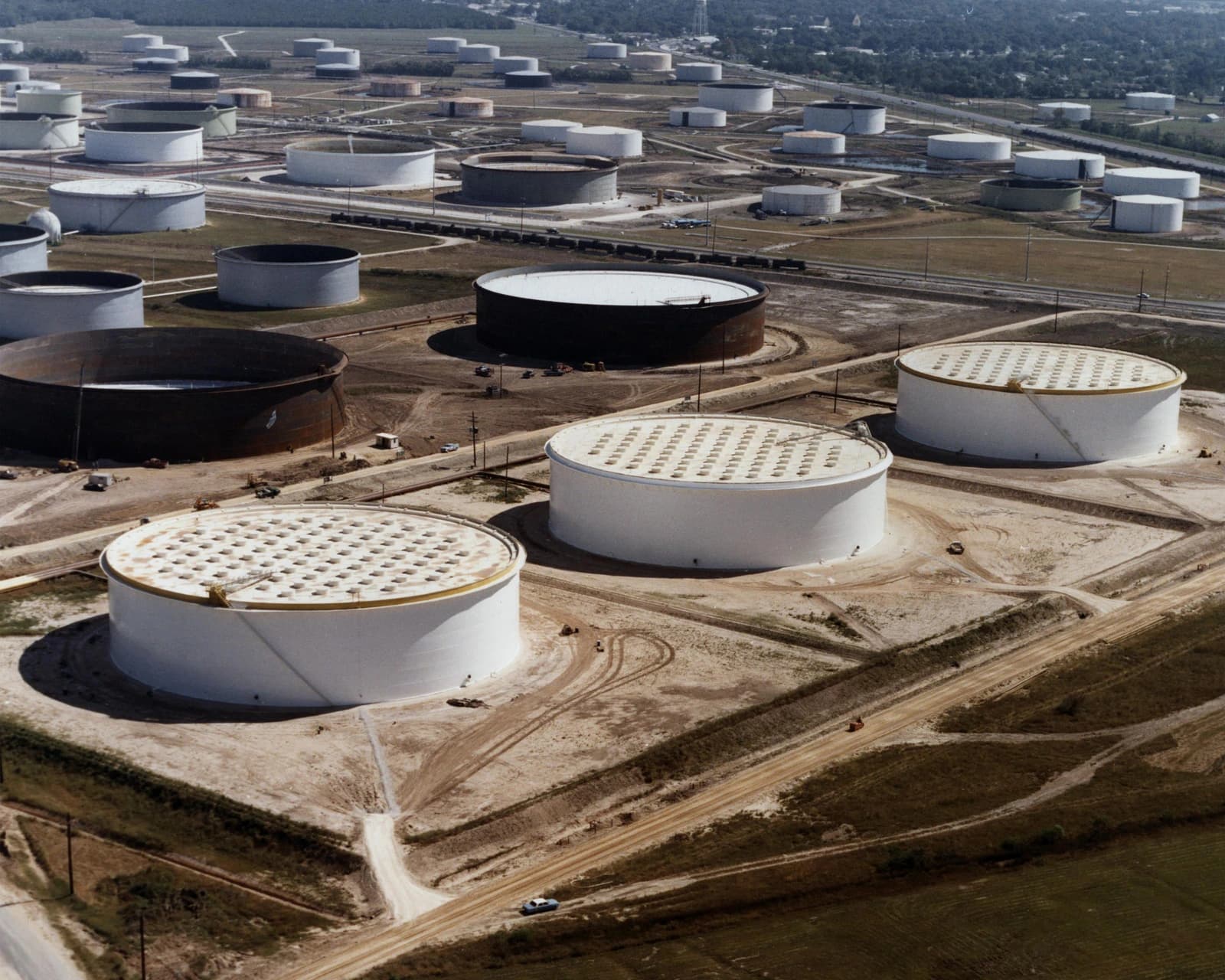
The G7 has agreed to release 100 million barrels of oil and diesel from strategic stockpiles over the next four months, an emergency move aimed at cooling surging fuel costs that have become a political problem for the Trump administration ahead of November’s midterm elections.
G7 to release 100 million barrels from stockpiles
The coordinated drawdown matters because diesel prices feed directly into freight, agriculture and manufacturing costs, making the action a broader inflation-management tool rather than just an oil-market intervention. By targeting both crude and diesel, the G7 is trying to ease pressure across the refined-products chain, where tight supplies have driven some of the sharpest price increases in the U.S. and Europe.
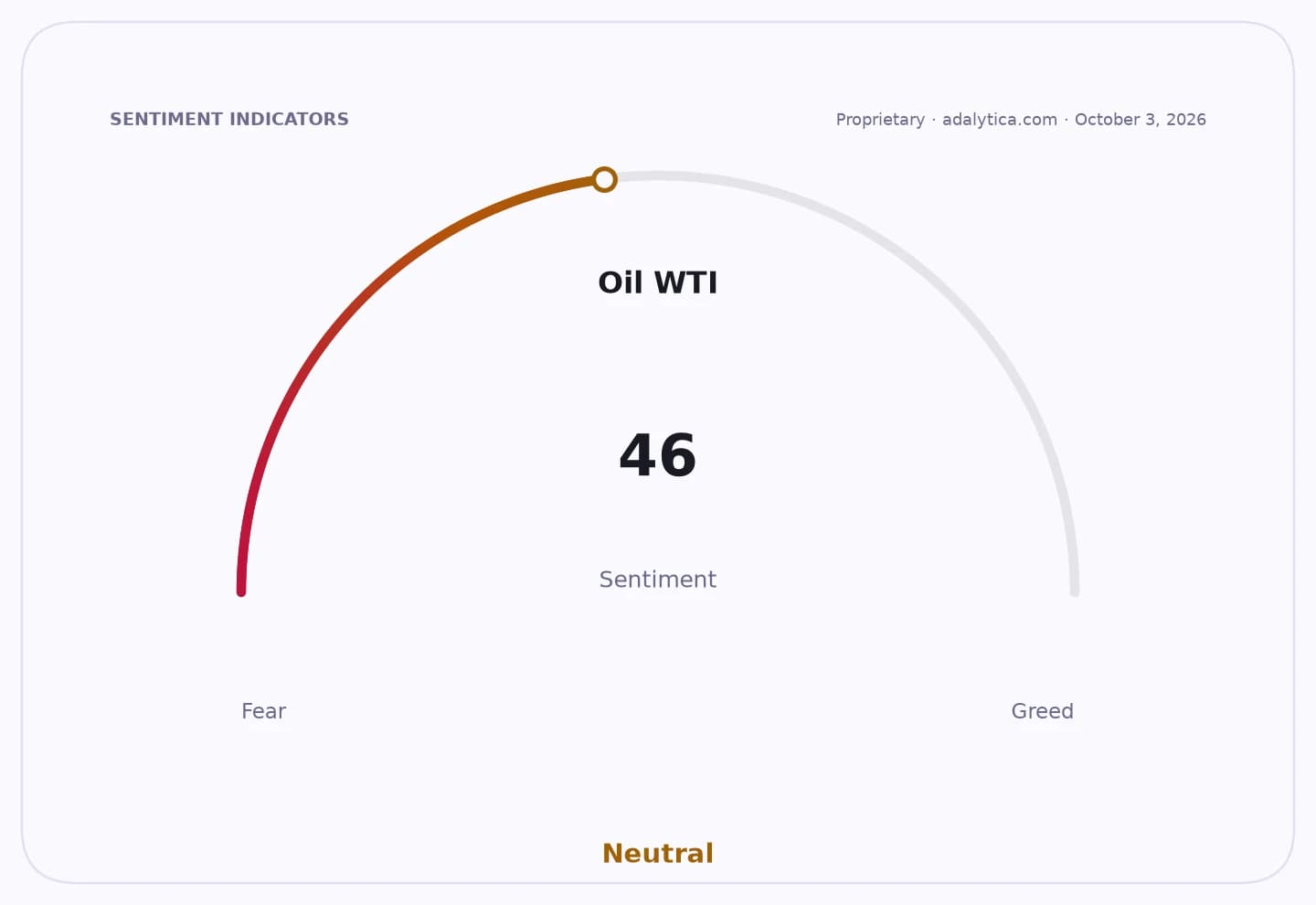
Sentiment IndicatorsⓘProprietary · adalytica.com · October 3, 2026
This is a snapshot — live sentiment, awareness and momentum for 130+ markets update continuously in the dashboard.Open AlphaPulse
Under the plan, the International Energy Agency will oversee the release, with Reuters reporting the split is expected to be 50 million barrels of crude and 50 million barrels of diesel. The G7 said in a joint statement that it will take “decisive coordinated action” to strengthen the resilience of the global energy system and urged producers not to impose export bans that could deepen market disruption.
French President Emmanuel Macron said after the meeting that crude and diesel prices should fall. The IEA is also expected to meet within days to consider an additional diesel release, underscoring how worried policymakers are about product shortages rather than just headline crude prices.
DCOILWTICO vs PPIACO — macro contextadalytica.com
Explore this data interactively — full history, time series and cross-market comparisons.Open AlphaPulse
For investors, the announcement is a near-term bearish catalyst for oil benchmarks and refiners exposed to diesel-led margin swings. U.S.-listed oil funds have already been volatile: USO closed at $147.37 on Oct. 2 after swinging sharply in recent sessions, while XLE finished at $62.82 and Chevron at $206.69, levels that reflect a market trying to price in both supply intervention and geopolitical risk.
The move also carries macro implications beyond energy. Lower diesel prices would ease transport and input costs, potentially helping restrain inflation expectations and support consumer spending, while higher stockpile releases could pressure producers if they coincide with softer demand or slower global growth.
The next focus is whether the release is large enough to offset tight inventories and whether the IEA extends the intervention with another diesel drawdown. Traders will also watch whether oil-producing nations respond by cutting exports or adjusting output, which could quickly determine how long the price relief lasts.
| Entity | Gains | Losses |
|---|---|---|
| Consumers and freight operators | ▲Lower diesel costs | ▼Less immediate pain relief if release is too small |
| G7 governments | ▲Lower inflation pressure | ▼Strategic reserves depleted |
| Oil importers | ▲Easier supply conditions | ▼Less leverage in tight markets |
| Crude producers and refiners | ▲— | ▼Softer prices and margins |