Fuel shortages at more than one in five gas stations in France are turning an energy-price shock into a supply problem with wider economic consequences, forcing the government to extend summer diesel sales and add fresh consumer support as motorists, hauliers and retailers confront record pump prices.
France fuel shortages hit diesel and gasoline stations
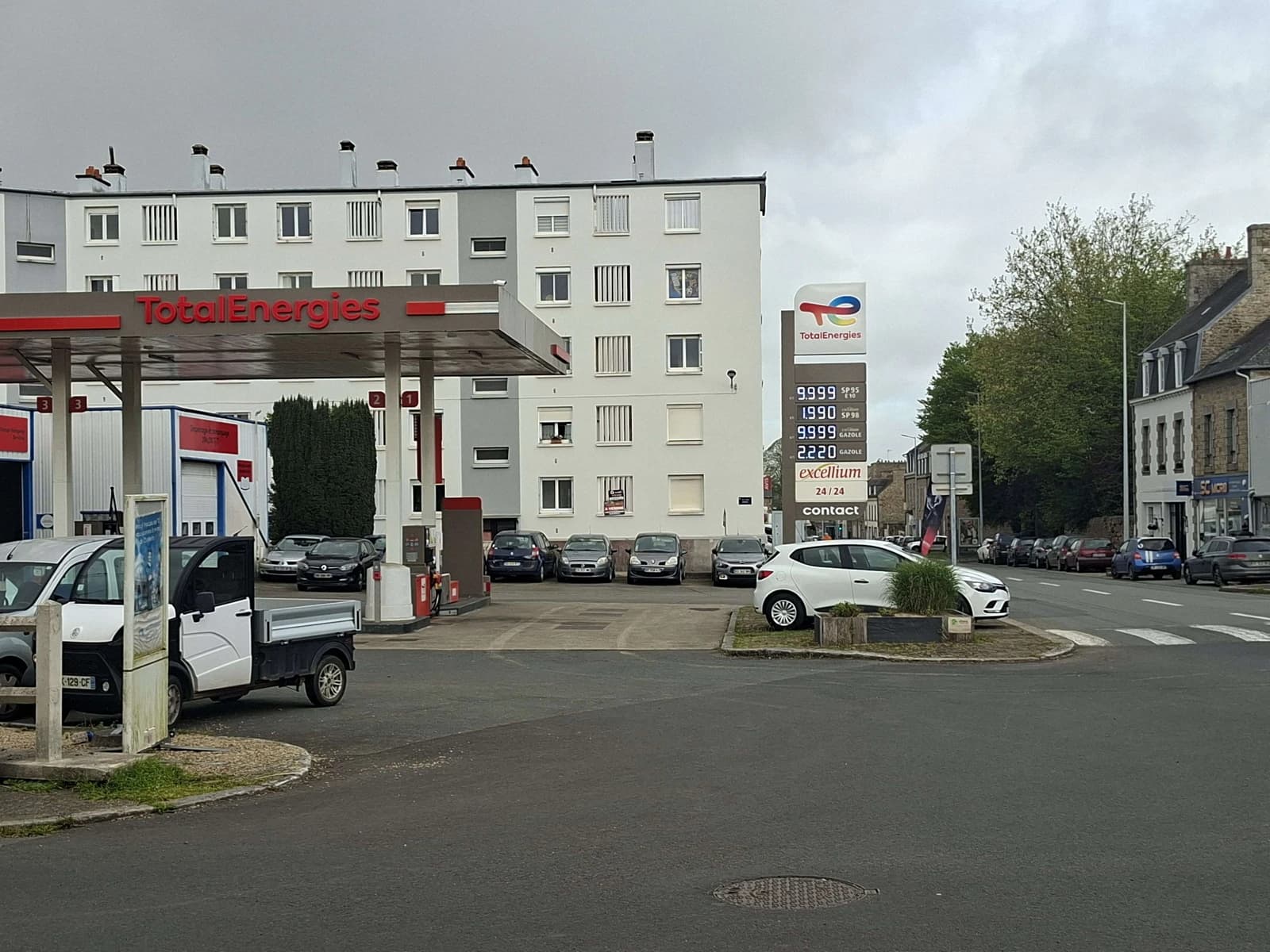
The immediate issue is not a nationwide collapse in supply, but a localized squeeze severe enough to disrupt mobility and test the government’s response. Around 21% of stations were short of diesel or at least one grade of gasoline this week, according to a count cited by Le Figaro using Economy Ministry data, with the Paris region hit hardest at roughly 30%. Hauts-de-Seine was particularly affected, while the Atlantic-border department of Pyrénées-Atlantiques saw more than 27% of stations impacted.
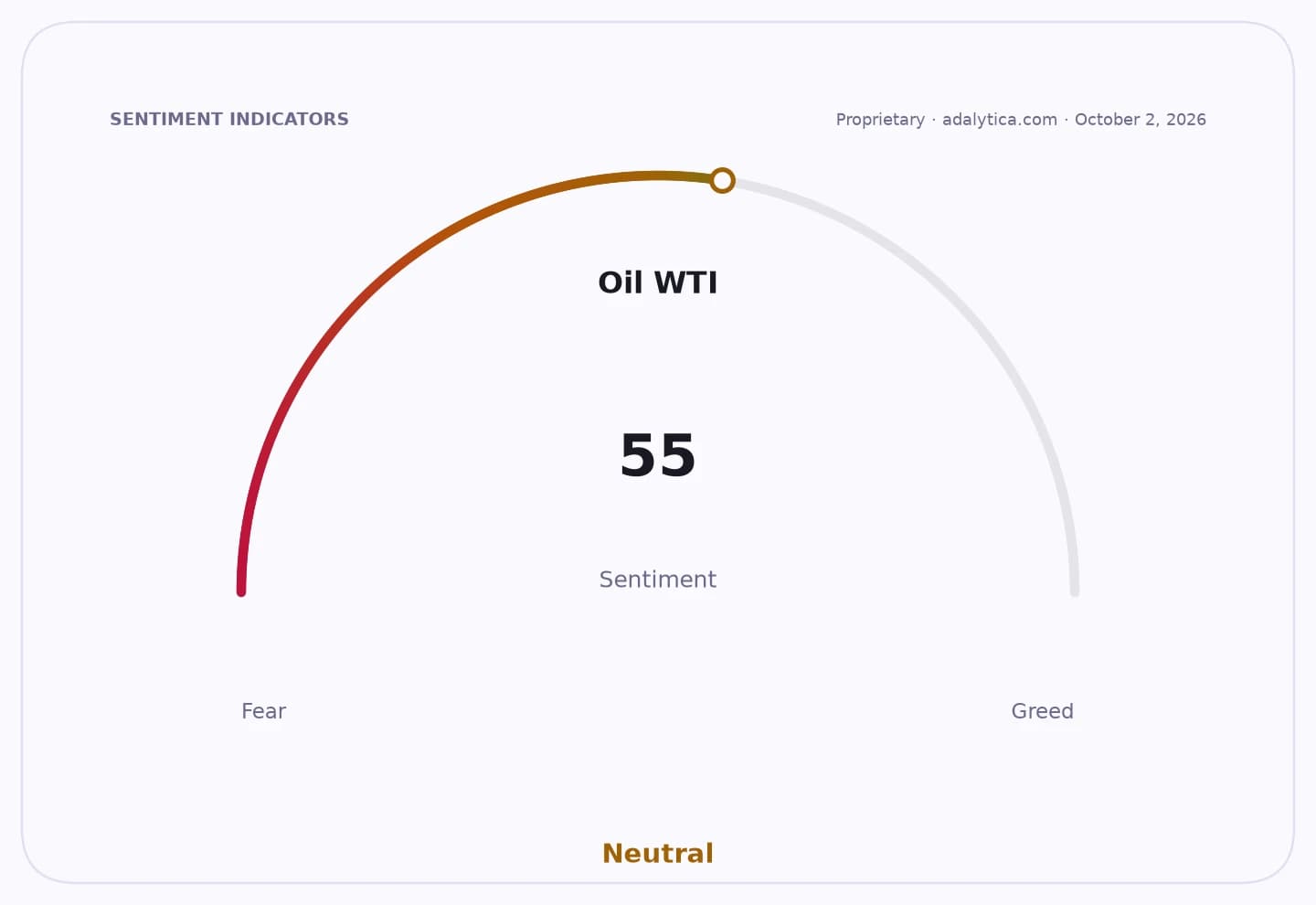
Sentiment IndicatorsⓘProprietary · adalytica.com · September 29, 2026
This is a snapshot — live sentiment, awareness and momentum for 130+ markets update continuously in the dashboard.Open AlphaPulse
Economically, the shortage matters because France is facing a classic fuel-market transmission problem: higher crude and refined-product costs are feeding through to retail prices just as consumers are trying to adjust demand. Diesel prices have risen by more than 10 euro cents in 10 days and topped 2.41 euros a liter, a record, after attacks on Saudi energy infrastructure and Houthi control over the Bab el-Mandeb chokepoint in the Red Sea lifted global supply-risk premiums. That is pushing up logistics costs at the same time as shortages in some stations are limiting access to fuel altogether.
The government has tried to frame the issue as temporary and commercial rather than systemic, insisting strategic reserves are ample and refineries are running at full capacity. But its decision to extend sales of summer diesel until Nov. 15, two weeks later than normal, shows officials are already moving to protect supply as winter-grade specifications approach. President Emmanuel Macron has also asked the European Commission to relax fuel-quality rules, which the presidency said could lift production by 5% to 20%, and the government has added 400 million euros to support measures on top of prior aid.
For investors, the story cuts in two directions. Oil-linked names such as TotalEnergies, Exxon Mobil and Chevron benefit from stronger product pricing and tighter market conditions, especially when crude and refining margins are being repriced higher by geopolitical risk. TotalEnergies is also at the center of the shortage narrative in France because about 90% of affected stations belong to the company, reflecting both its low-price strategy and the way discounted fuel can attract demand faster than supply can be replenished. That is good for volumes in normal times, but in a tight market it can create empty forecourts and political backlash.
The broader market implication is that Europe’s energy system remains exposed to shocks that arrive first as price inflation and then as physical scarcity. That raises the likelihood of further government intervention, especially if winter demand rises or Middle East disruption worsens. A continued squeeze would support refining margins and upstream earnings, but it would also deepen pressure on consumers, transport firms and policymakers already struggling with the cost of living.
What happens next will depend on whether retail pricing normalizes enough to spread demand away from the cheapest stations and whether global fuel markets stabilize. If they do not, France’s current shortage may prove an early warning for a more protracted European fuel crunch rather than a short-lived distribution problem.
| Entity | Gains | Losses |
|---|---|---|
| Oil producers and refiners | ▲Higher product prices | ▼Demand destruction risk |
| TotalEnergies | ▲Traffic from low prices | ▼Station shortages and backlash |
| French motorists and hauliers | ▲Temporary state support | ▼Higher pump costs |
| French government | ▲Ability to intervene | ▼Political pressure on energy policy |