Brent crude and gasoil futures eased as traders focused on discussions inside the European Union over releasing additional diesel supplies, a move that could cool an already tight refined-fuel market even if it leaves the broader crude backdrop little changed.
Brent crude eases as EU diesel supply talks continue
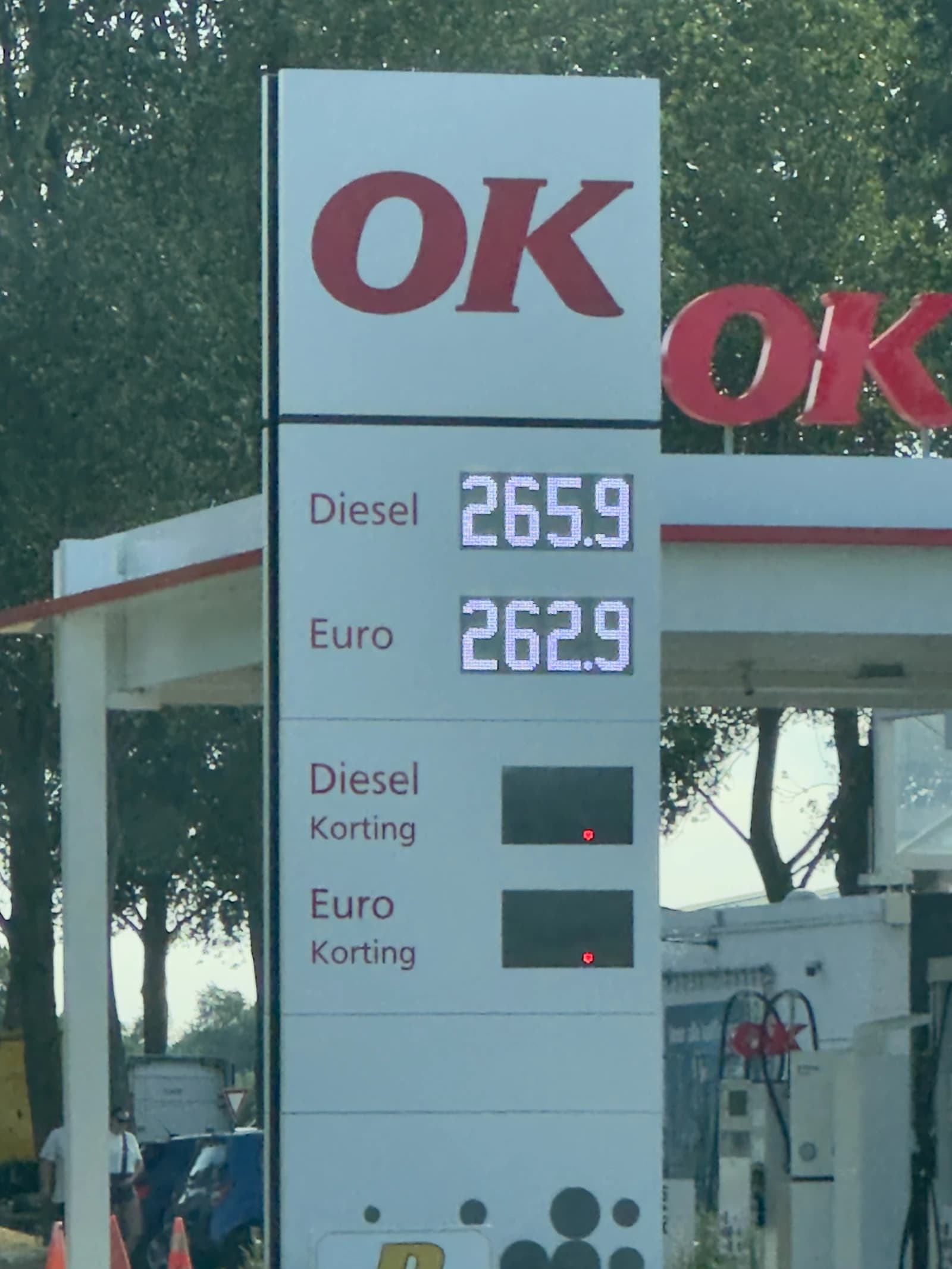
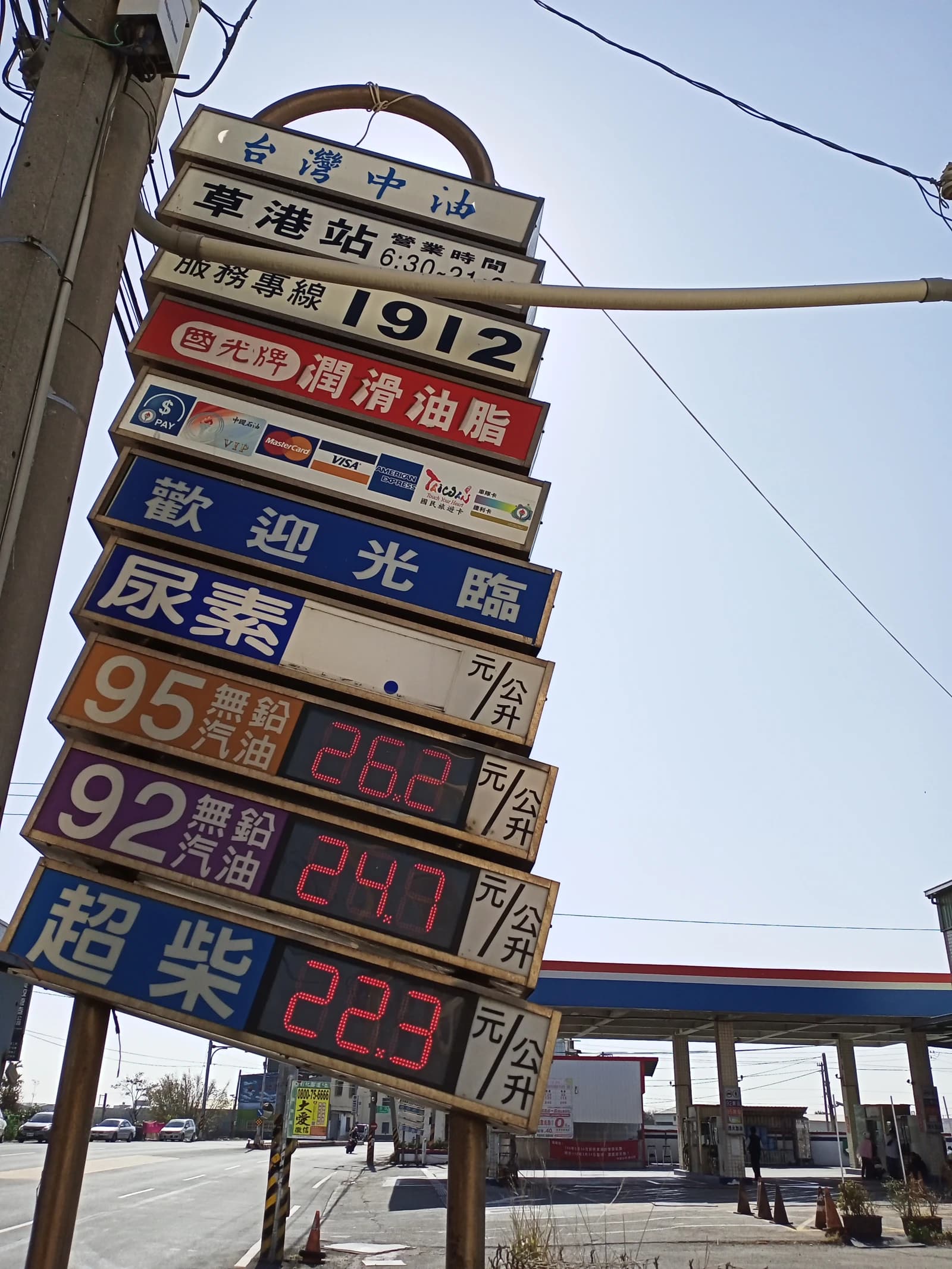
The market reaction matters because diesel has been one of the most economically sensitive products in global energy markets, feeding into freight, industry and heating costs across Europe. When policymakers talk about adding barrels to the system, they are not just managing inventories; they are trying to prevent a diesel shortage from becoming a drag on growth and an inflation problem for consumers and manufacturers.
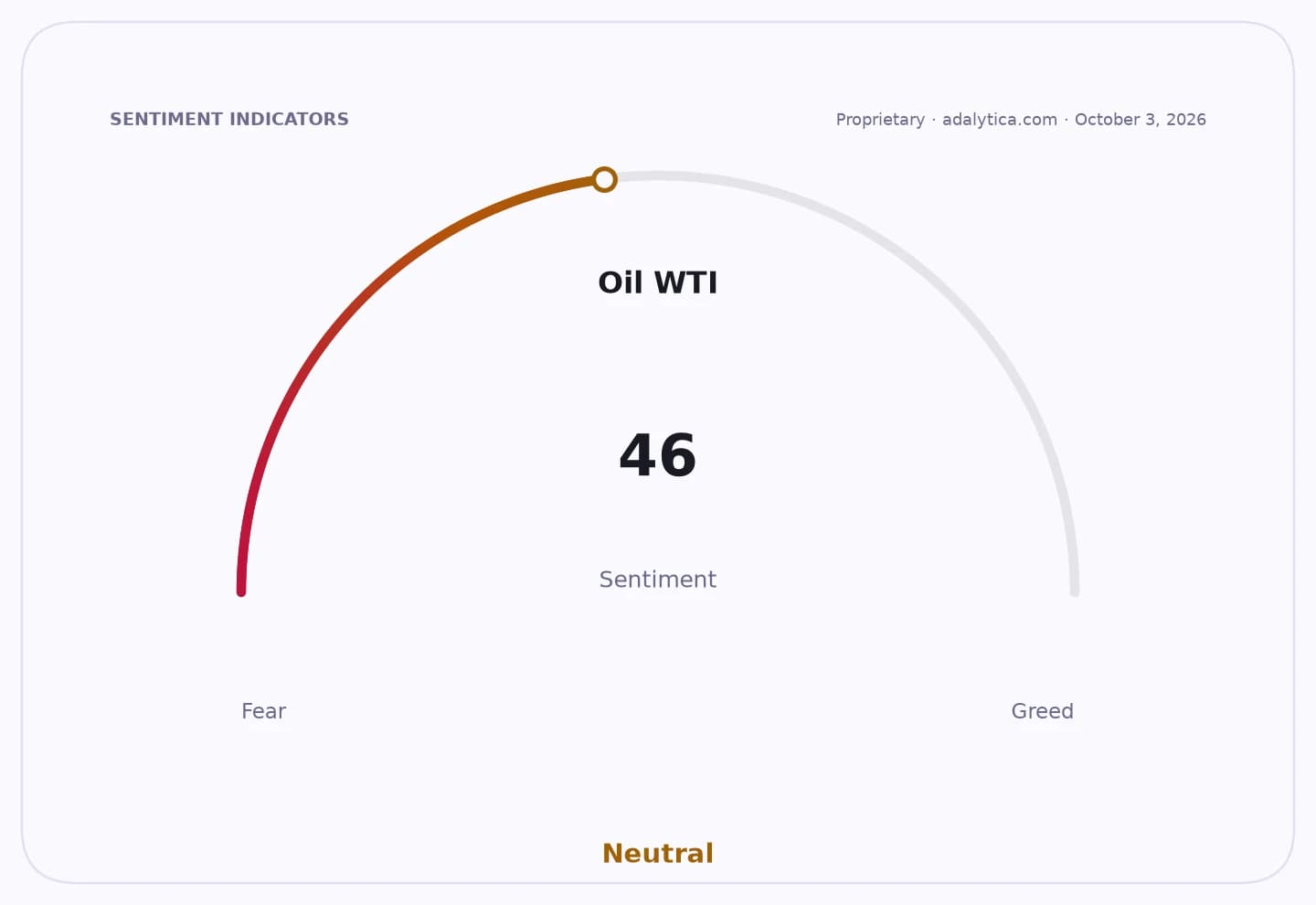
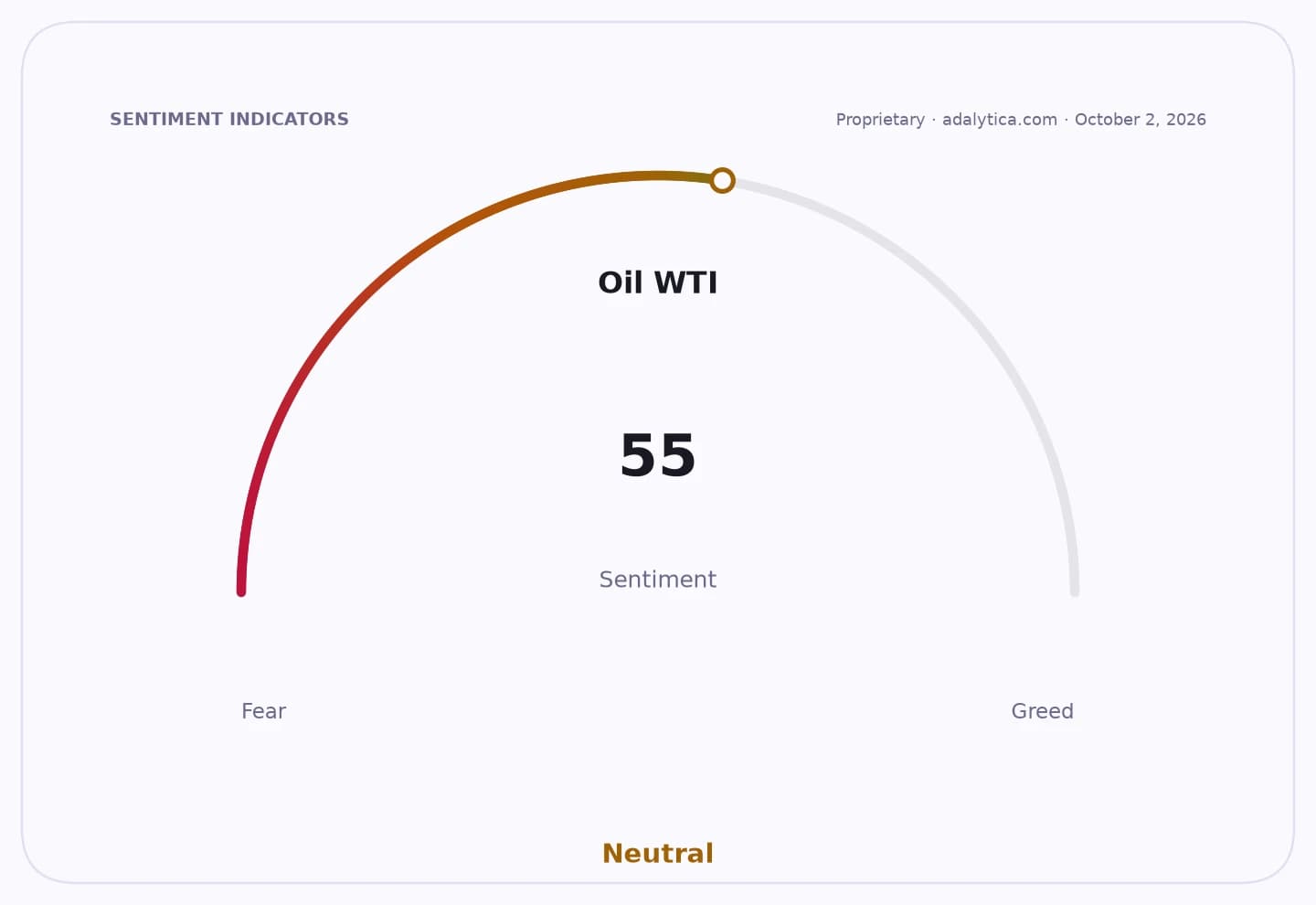
Sentiment IndicatorsⓘProprietary · adalytica.com · October 2, 2026
This is a snapshot — live sentiment, awareness and momentum for 130+ markets update continuously in the dashboard.Open AlphaPulse
The move lower came against a backdrop of still-elevated oil prices and volatile product markets. Brent-linked exposure via the BNO fund closed at $62.11 on Oct. 2 after trading above $63 earlier in the week, while USO, which tracks WTI-linked prices, ended at $145.99. Standard technical indicators showed the recent pullback came after a sharp run-up: BNO’s 50-day moving average stood at $54.67 and its RSI had eased to 49.9 from overheated readings above 80 earlier in September, suggesting some of the froth had been taken out of the trade. USO’s RSI fell to 40.4, also pointing to momentum cooling.
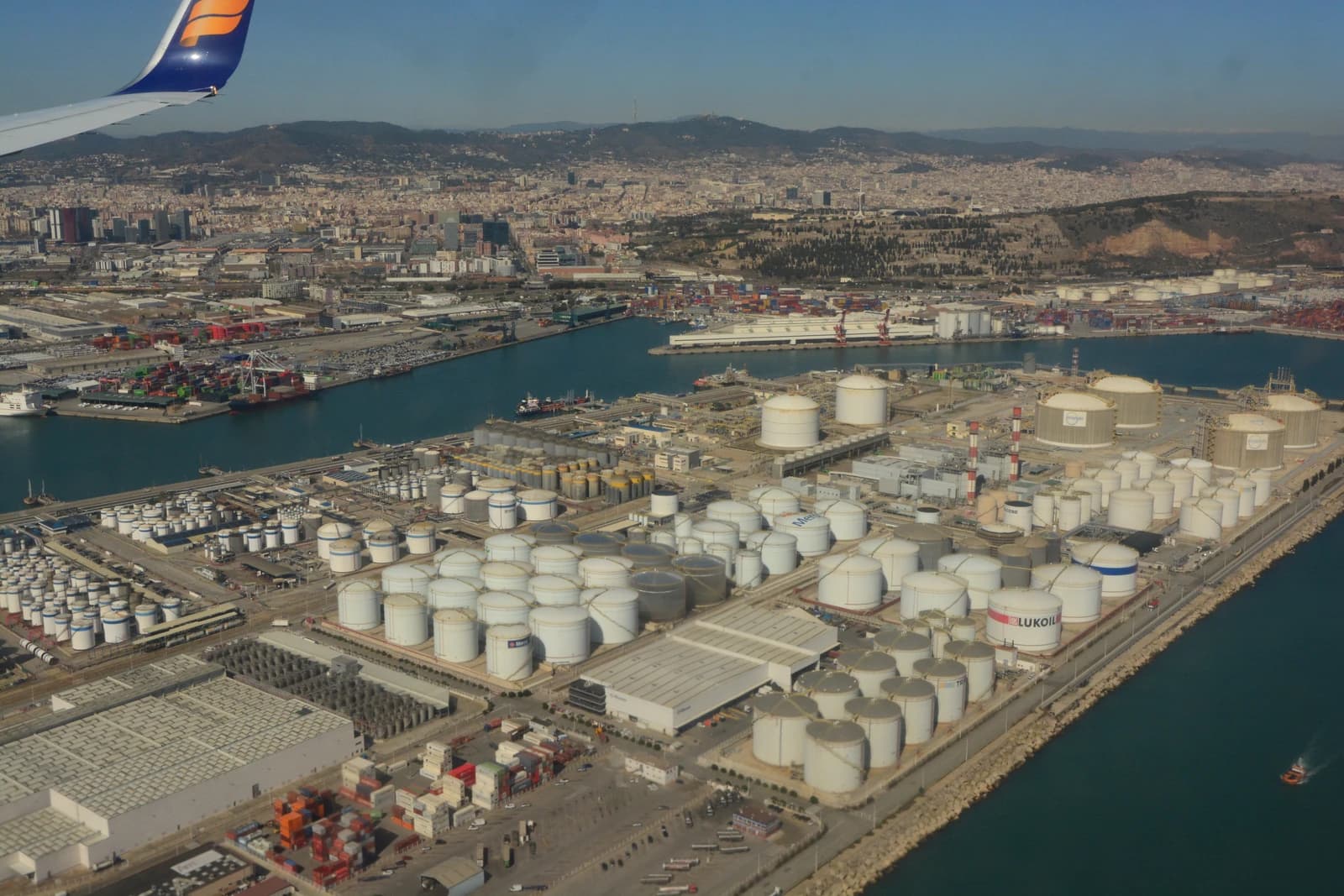
The policy discussion is important because diesel inventories in Europe have been repeatedly squeezed by refinery outages, logistics bottlenecks and sanctions-related trade shifts. Any additional release of stocks, or coordinated easing of supply constraints, would likely reduce near-term stress in the gasoil market and narrow the premium that refiners and traders have been able to command for middle distillates. That, in turn, can spill over into crude benchmarks if traders infer weaker refinery margins and lower spot demand for feedstocks.
For investors, the implications are mixed. A softer diesel market can ease inflation pressure and support transport-heavy industries, but it can also weigh on refining margins for companies with heavy exposure to middle distillates. Integrated oil majors and refiners have benefited from the tightness in products, while airlines, shipping firms and industrial users have been on the other side of the trade through higher fuel costs. If the EU moves from discussion to action, the beneficiaries would likely be end-users and importers; the losers would be refiners and holders of long product exposure.
The bigger narrative is that oil markets are being driven less by outright crude scarcity than by the availability of specific products. That makes policy interventions in diesel especially powerful, because they target the part of the barrel that most directly affects economic activity. Traders will now watch whether Brussels turns talk into a concrete release plan and whether that is enough to keep gasoil prices from rebounding on the next supply scare.
| Entity | Gains | Losses |
|---|---|---|
| EU diesel users | ▲Lower fuel costs | ▼Less urgency for inventory hoarding |
| Transport and industry | ▲Easier operating expenses | ▼Lower pass-through relief if prices rebound |
| Refiners | ▲Higher spreads if release is delayed | ▼Margin pressure if supply is added |
| Diesel bulls / longs | ▲— | ▼Risk of price retreat on extra supply |