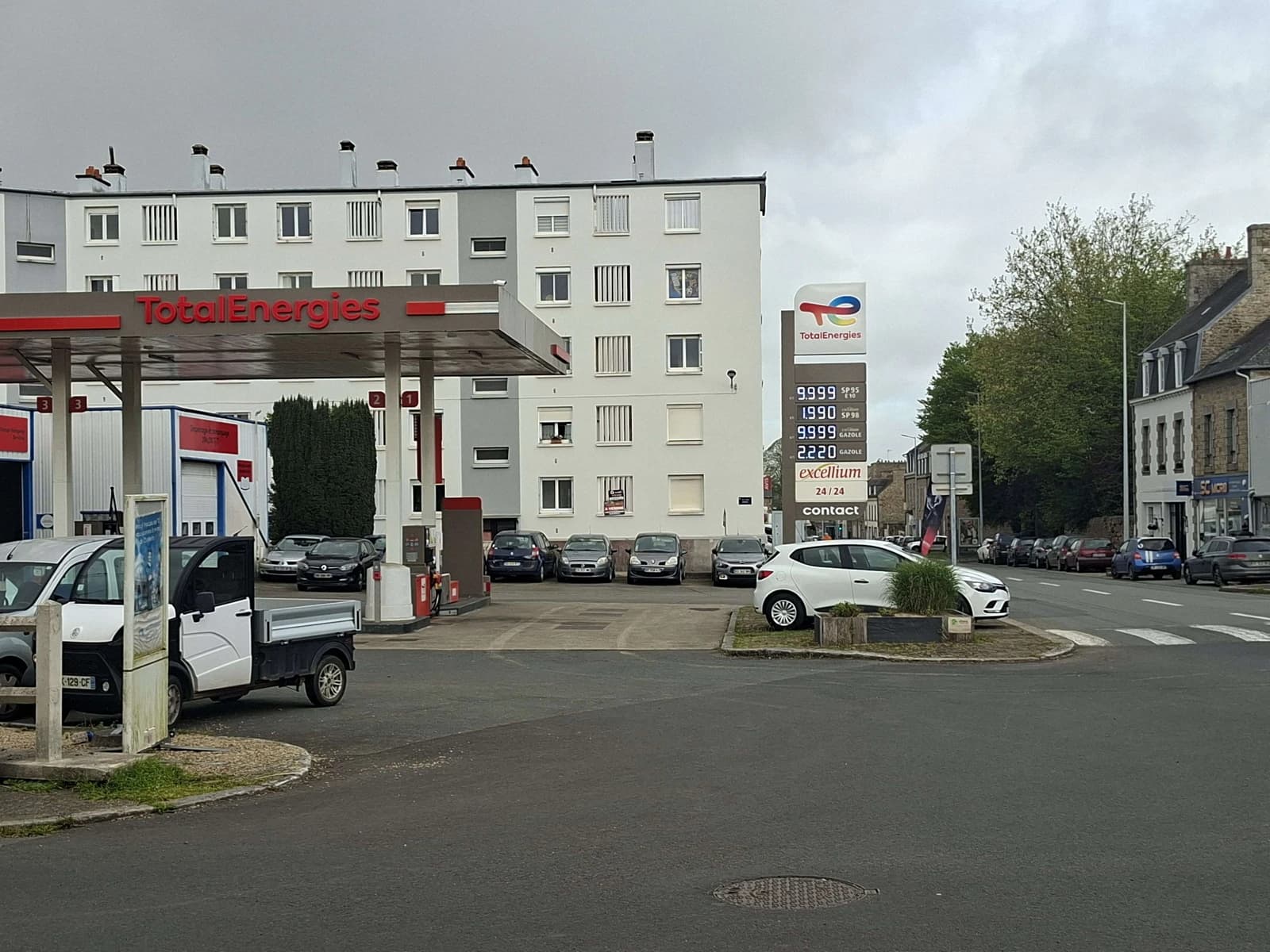
Europe’s energy crisis is turning into a direct hit on households, farmers and manufacturers, with diesel prices in some countries climbing to the equivalent of more than $12 a gallon and forcing governments to widen subsidies, tax cuts and emergency policy changes. That matters because diesel is the fuel that keeps freight, construction, agriculture and commuting moving — and when it gets this expensive, inflation, business costs and public anger all rise together.
Europe Diesel Prices Hit Households and Businesses
The scale of the squeeze is already visible in the numbers. EU consumers are spending an extra 203 million euros, or about $231 million, a day just on diesel, according to Transport & Environment. That is a powerful reminder that this is not an abstract geopolitical story anymore. It is a cost-of-living shock and a competitiveness problem for Europe’s economy.
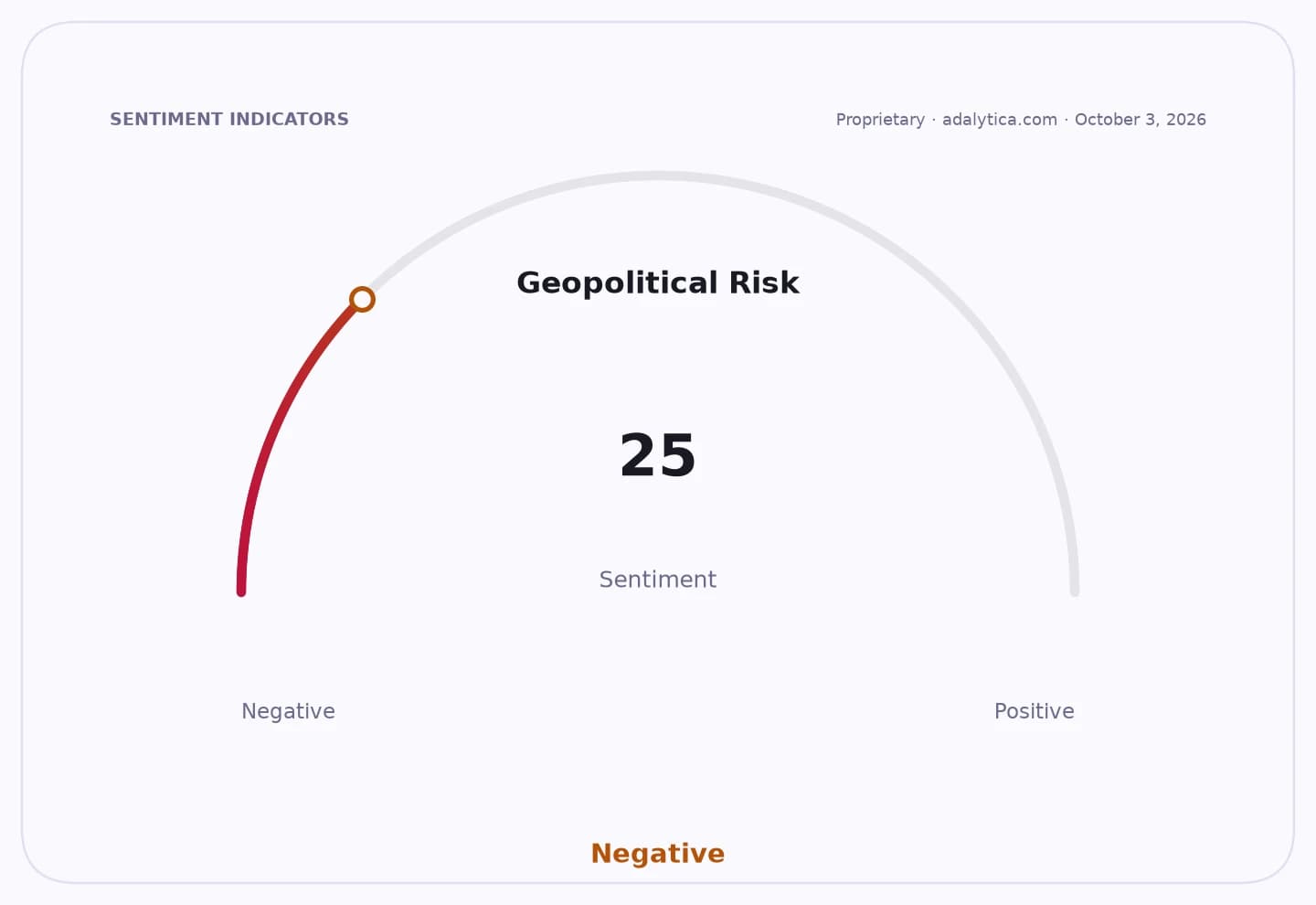
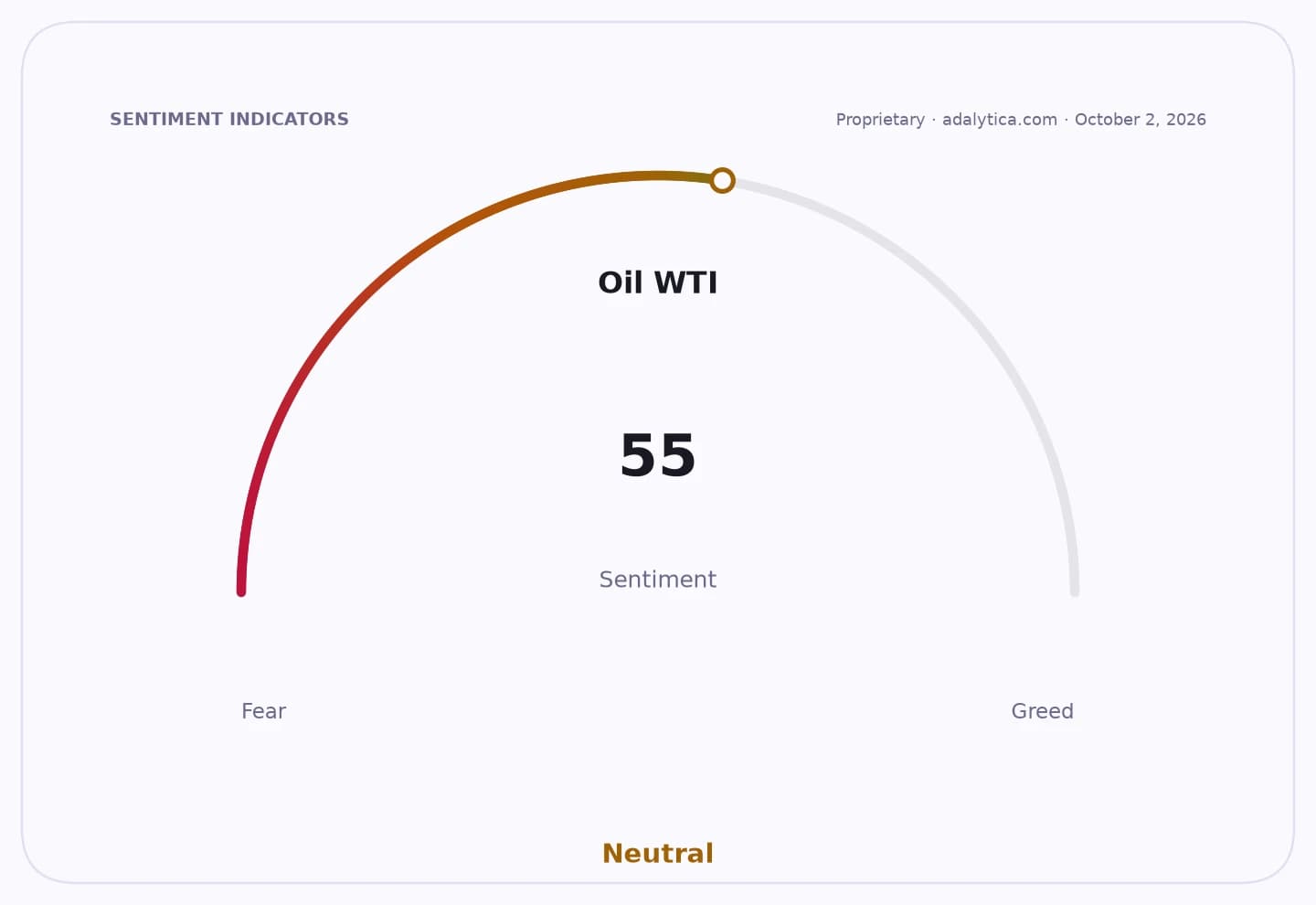
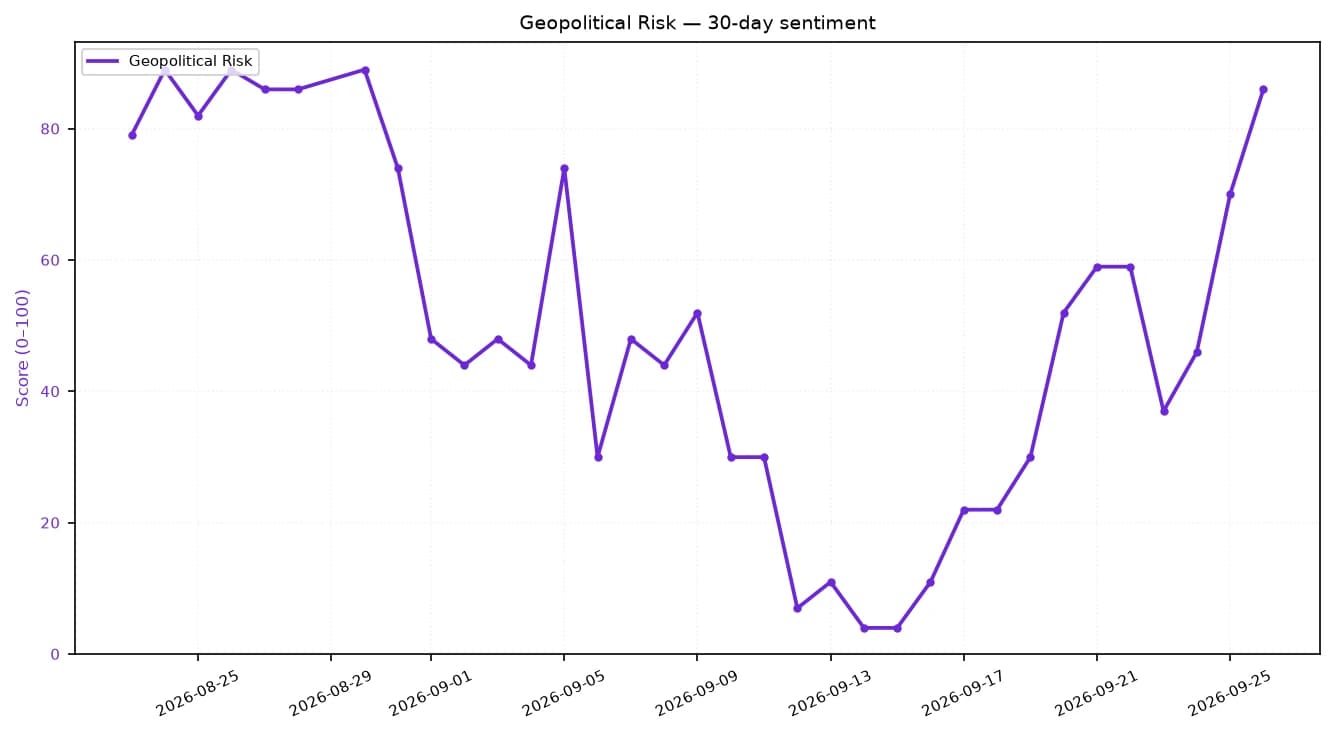
Sentiment IndicatorsⓘProprietary · adalytica.com · October 1, 2026
This is a snapshot — live sentiment, awareness and momentum for 130+ markets update continuously in the dashboard.Open AlphaPulse
What makes the episode especially important for investors is that it exposes how dependent the region remains on imported energy. The EU imports nearly all of the oil it uses and about 85% of its natural gas, leaving it vulnerable to supply shocks from the Middle East and the war in Ukraine. In response, governments across the bloc are intervening heavily, with the OECD saying seven of the 10 countries most active in limiting energy damage are in the European Union.
France, Germany and Spain are among the biggest examples. France has rolled out a 450 million-euro package to expand diesel subsidies for workers, farmers, fishermen and construction companies, while also bringing energy vouchers forward for millions of households. Germany has revived fuel tax cuts that will trim gasoline and diesel prices by 17 cents a liter and is talking with the oil industry about a possible price cap. Spain has extended fuel tax relief and subsidies as well.
These moves are designed to buy time, but they also show how persistent the pressure could be. If energy prices stay elevated, governments will have to keep spending to prevent the shock from feeding through to consumption and industrial activity. That can widen budget deficits at a time when borrowing costs are already higher, and it can force awkward trade-offs with other priorities such as defense, climate investment and welfare spending.
For investors, the immediate winners are energy producers, refiners and companies tied to fuel supply, while the losers are transport firms, fuel-intensive industries and consumers with less room to absorb higher bills. Europe’s push to secure more diesel from the United States also makes transatlantic energy trade more important, and more politically sensitive, especially after Washington floated the idea of restricting diesel exports to cool domestic prices.
The other takeaway is that Europe’s energy transition is no longer just a climate project; it is an economic defense strategy. Brussels is leaning harder on electrification, renewables, nuclear and biomethane to cut imported fuel dependence over time. That is the right long-term direction, but it will take years. In the meantime, investors should expect more policy intervention, more volatility in fuel markets and continued support for the energy complex. Long term, this remains a sector worth watching closely.
| Entity | Gains | Losses |
|---|---|---|
| Energy producers | ▲Higher fuel prices | ▼Public pressure for windfall taxes |
| Refiners | ▲Strong diesel margins | ▼Demand destruction risk |
| European governments | ▲Short-term political relief | ▼Bigger fiscal deficits |
| Consumers and fuel users | ▲Subsidies and tax cuts | ▼Higher living and transport costs |