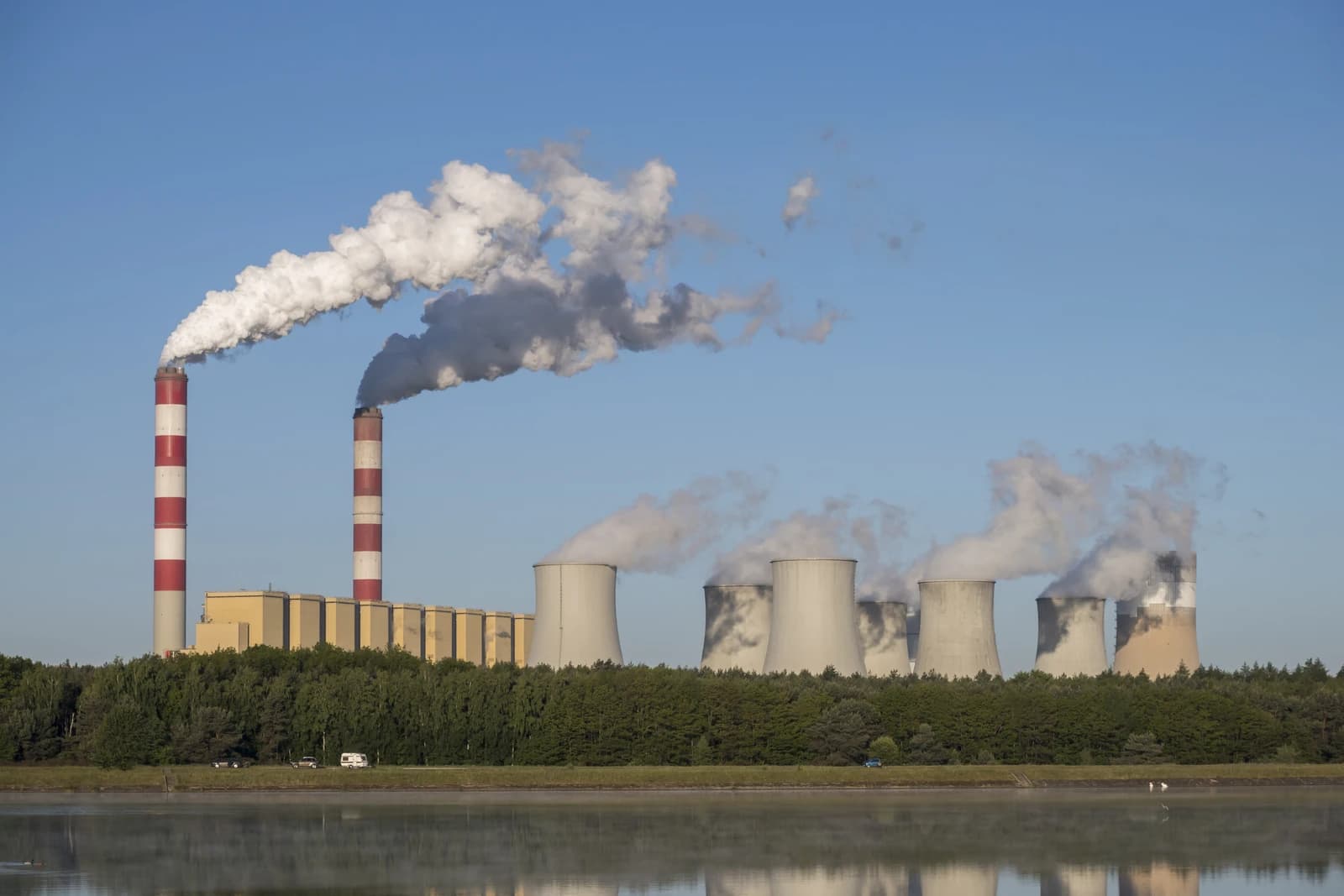
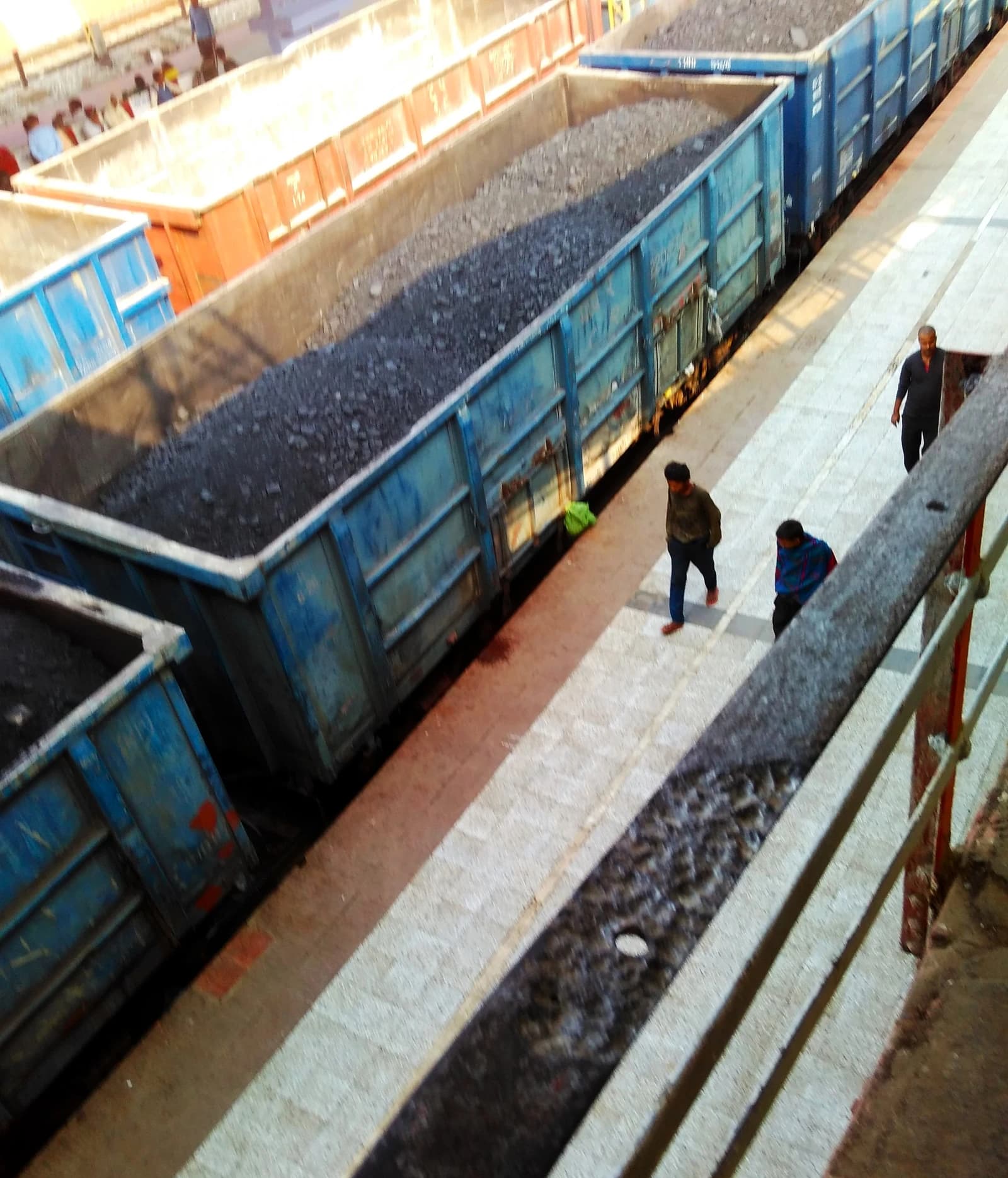
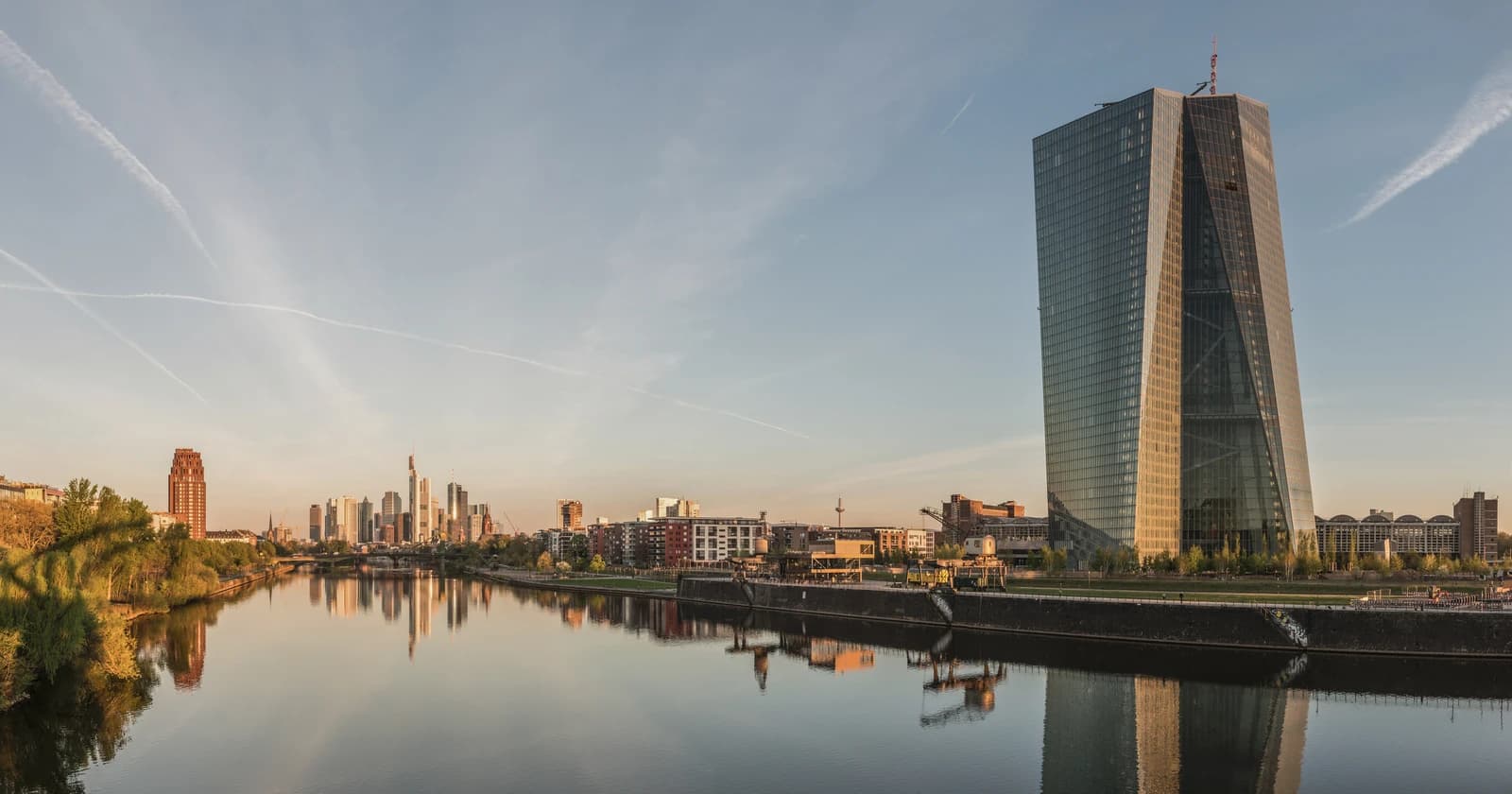
Europe’s power generators are reversing years of fuel switching and leaning back on coal after surging gas prices made coal- and lignite-fired plants more profitable than gas units for the first time since 2024.
Europe Power Generators Shift Back to Coal on Gas Prices
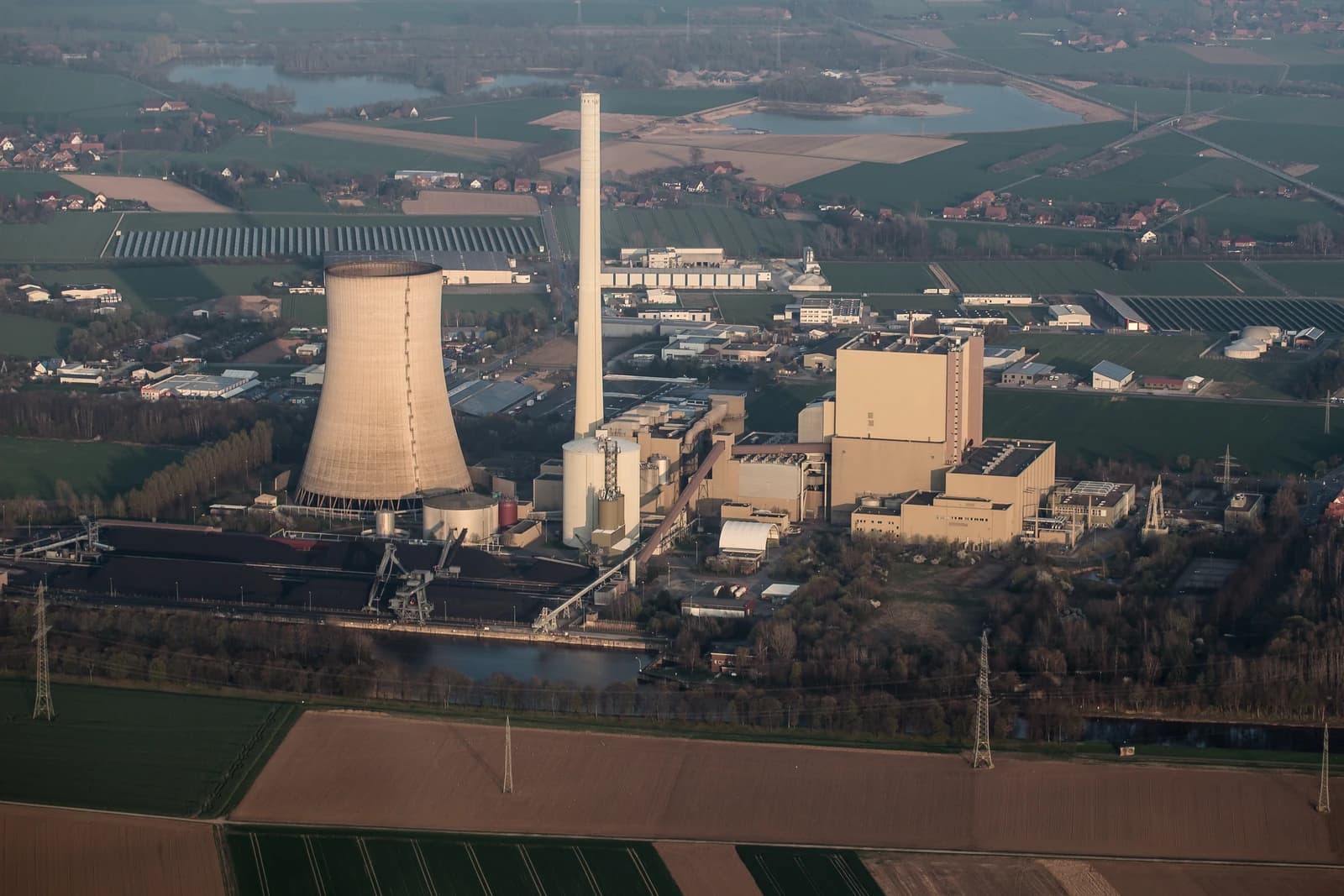
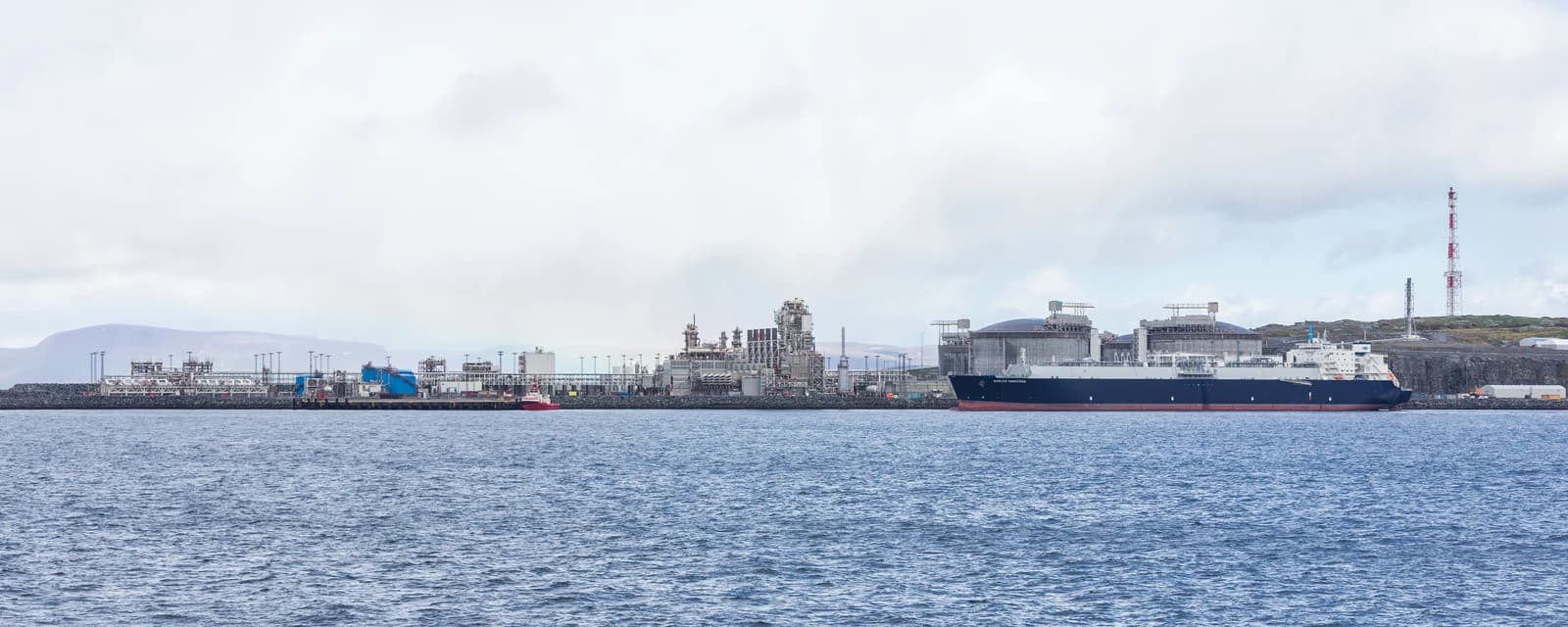
The shift matters because it shows how quickly a geopolitical supply shock can overwhelm Europe’s decarbonization progress. Natural gas benchmarks in Europe have climbed above 80 euros per megawatt hour this month, their highest in three years, after the conflict between Iran and the US disrupted LNG shipments through the Strait of Hormuz and tightened winter supply expectations.
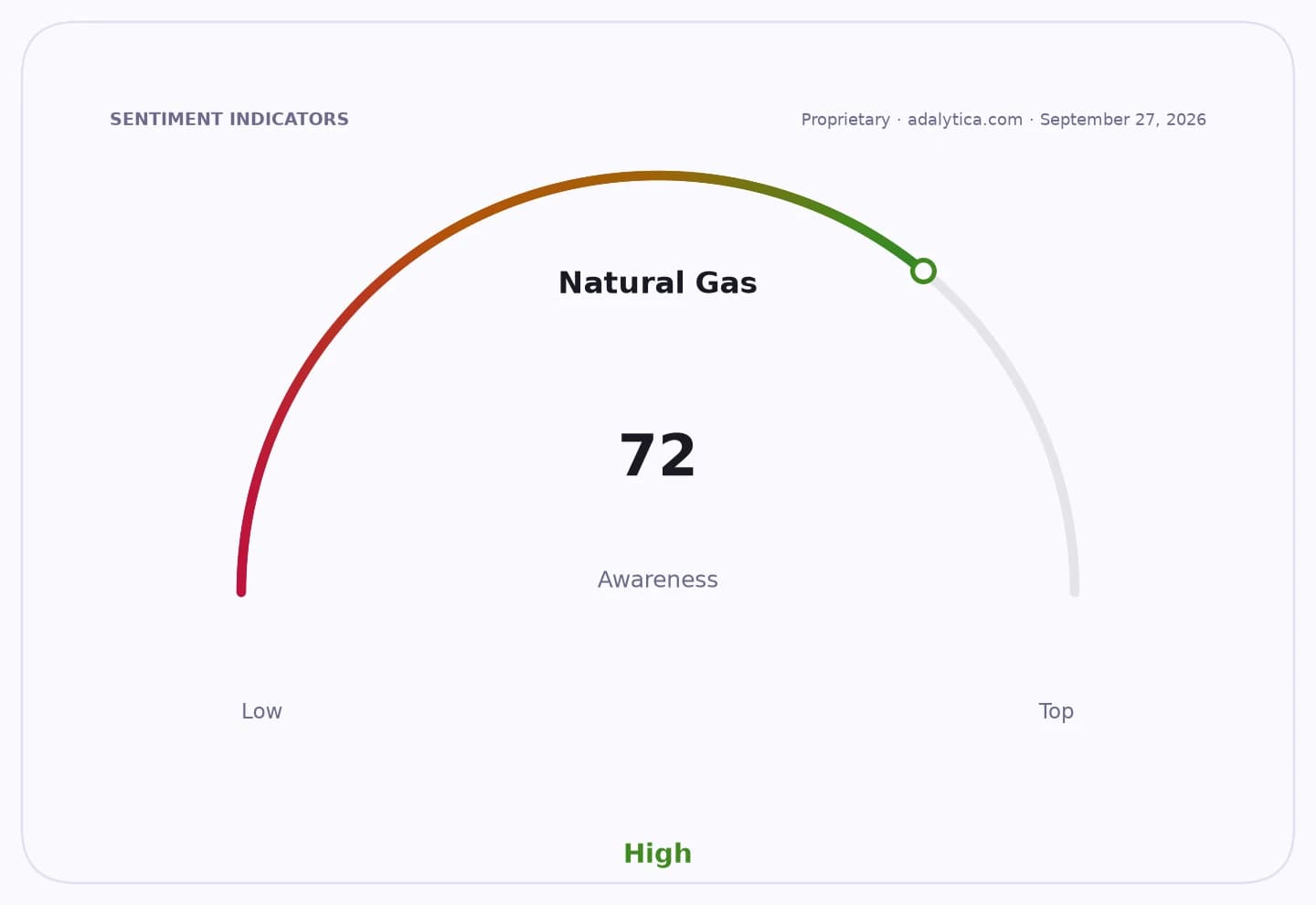
Sentiment IndicatorsⓘProprietary · adalytica.com · September 29, 2026
This is a snapshot — live sentiment, awareness and momentum for 130+ markets update continuously in the dashboard.Open AlphaPulse
Analysts now expect coal-fired electricity output in Europe to rise by about a quarter over the next six months, offsetting a similar drop in gas generation. ICIS said the economics have flipped enough that the clean dark spread — the gross margin for a coal plant — has jumped sharply since the Iran conflict escalated, while the equivalent clean spark spread for gas has slumped.
For investors, the move changes the earnings setup across European utilities, fuel suppliers and carbon markets. Plants that still have coal capacity available stand to benefit from improved dispatch economics, while gas-heavy generators face margin pressure and lower running rates. The dynamic also underscores how limited Europe’s remaining flexibility is after years of coal plant closures: ICIS analyst Florian Boehnke said even gas at 100 euros per MWh would not allow the sector to respond much more.
Germany is at the center of the shift because it is Europe’s biggest power market and the region’s largest gas consumer. Veyt said coal generation there is expected to run close to its limit in the fourth quarter, matching the highest quarterly output ever seen from the remaining fleet.
The rebound is unlikely to be a short-lived blip if forward gas prices are right. Veyt analyst Marta Wroniszewska said coal is projected to stay cheaper than gas for power generation through next year and possibly until March 2028, suggesting traders expect the supply squeeze to linger.
Coal’s return also highlights the strain on Europe’s broader energy transition. Renewables still displace fossil fuels when weather conditions cooperate, but utilities continue to rely on coal and gas to balance the grid when wind and solar output falls, especially in winter. With much of the coal fleet already shut, the continent has less room than before to cushion another gas spike.
The immediate catalyst remains the Middle East conflict and the risk it poses to LNG flows. If gas prices stay elevated, Europe’s power market is likely to stay locked in a more carbon-intensive mix, even if only temporarily.
| Entity | Gains | Losses |
|---|---|---|
| Coal-fired utilities | ▲Higher dispatch margins | ▼Emissions pressure |
| Gas-fired utilities | ▲None | ▼Lower clean spark spreads |
| European LNG buyers | ▲None | ▼Tight supply, higher costs |
| Carbon market / clean energy | ▲None | ▼Slower coal phaseout |