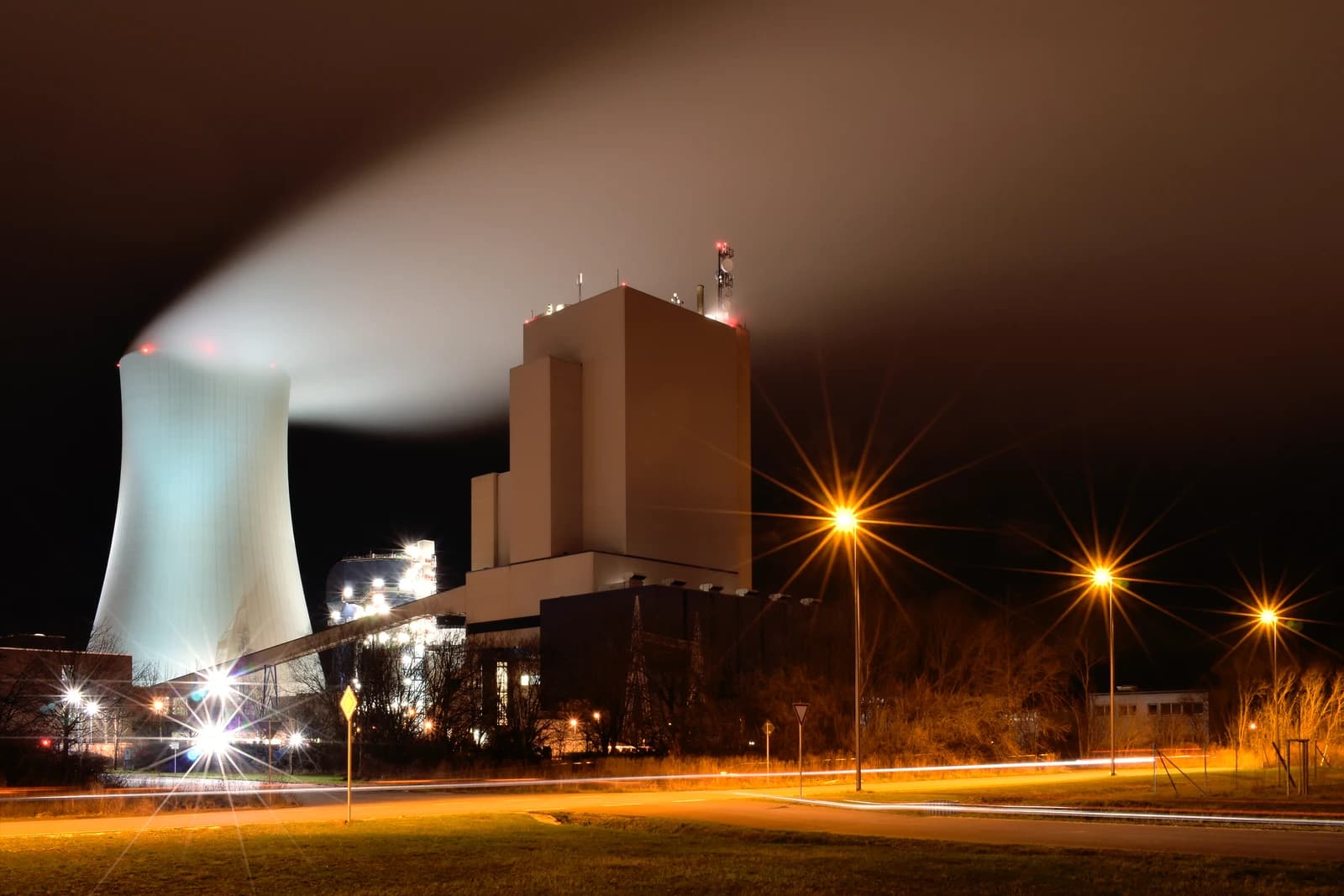
Gas demand jumped 15% in August, underscoring how hard European energy systems are still working to balance consumption, supply security and price volatility even as the worst of the gas crisis has passed. For Snam, Italy’s gas grid operator, the month was a reminder that the infrastructure built and managed through the crisis remains a critical backstop for the economy.
Snam gas demand jumps 15% in August
The bigger economic point is that gas is not fading as a bridge fuel as quickly as policymakers once hoped. Demand resilience matters because it keeps a floor under transport and storage utilization, supports network revenues for midstream operators and complicates Europe’s decarbonization path at a time when power systems are also absorbing growing industrial and data-center loads. It also means that supply shocks, weather swings or geopolitical disruptions can still ripple quickly into household bills and industrial costs.
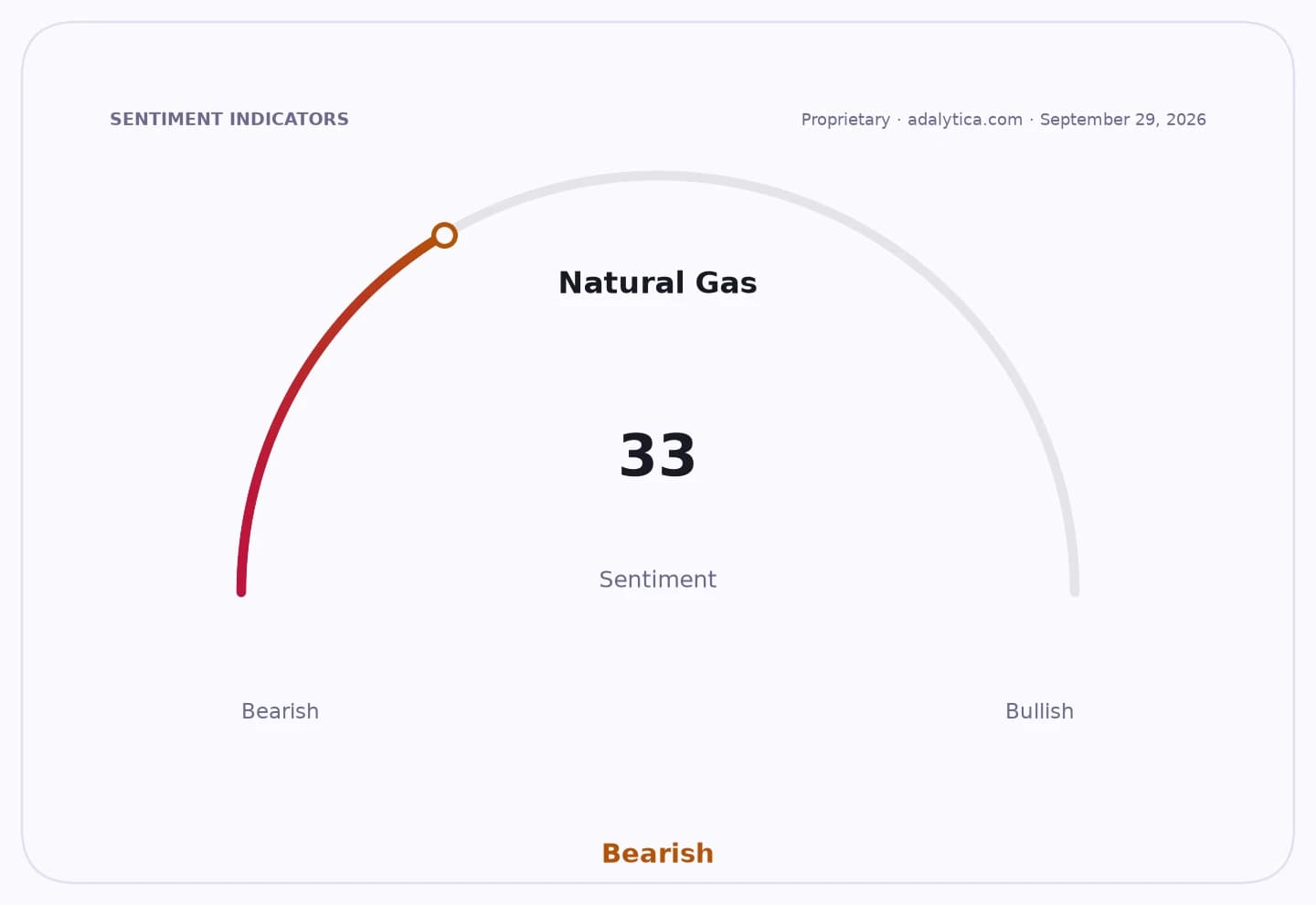
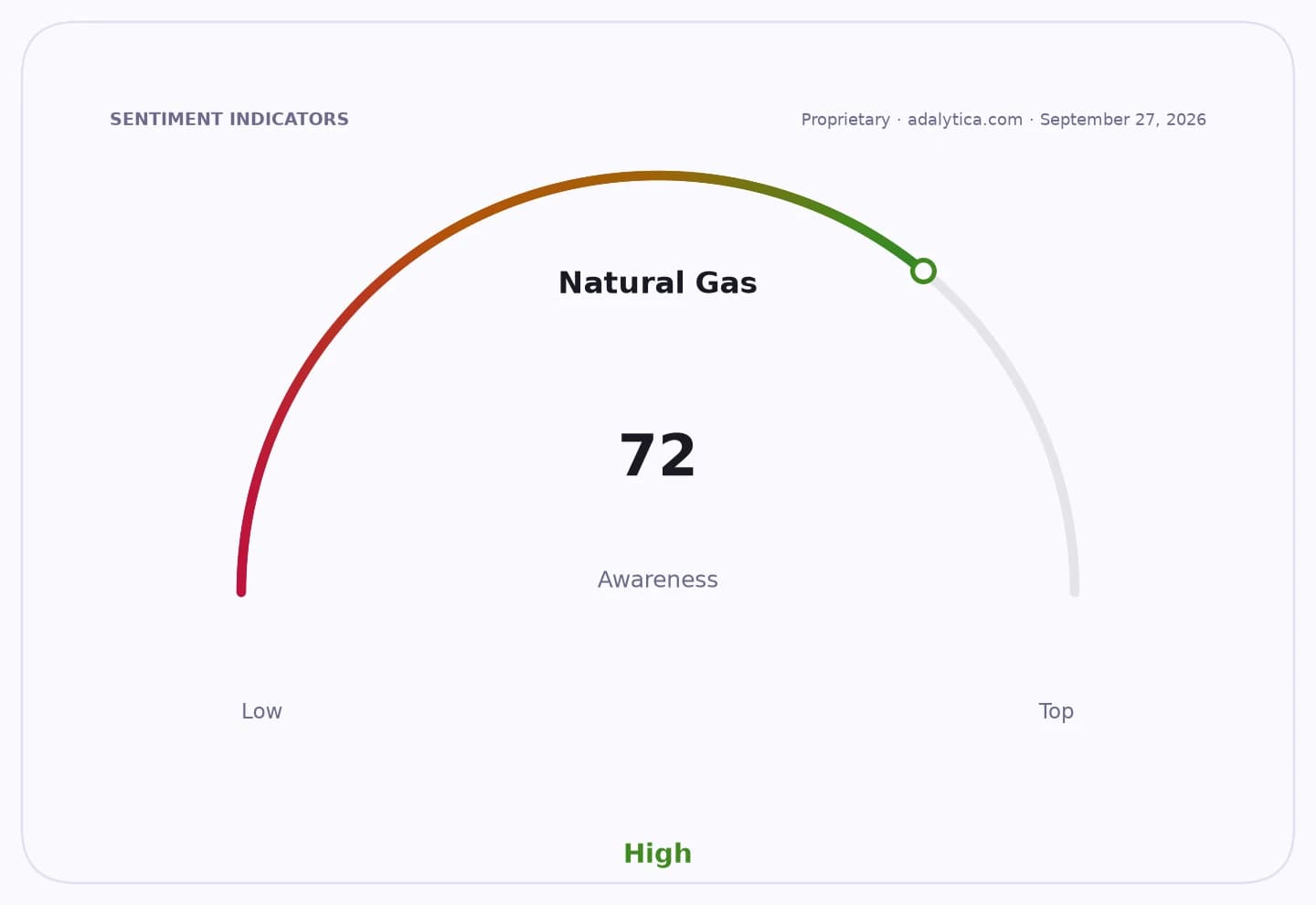
Sentiment IndicatorsⓘProprietary · adalytica.com · September 27, 2026
This is a snapshot — live sentiment, awareness and momentum for 130+ markets update continuously in the dashboard.Open AlphaPulse
Snam’s comment that it “kept the country lit” captures the operational significance. In practical terms, it points to a system that had to absorb a sharp swing in demand without failing, a material issue for an economy that depends on reliable electricity and industrial feedstock. Italy remains one of Europe’s more gas-dependent economies, so any sustained pickup in consumption has implications not just for Snam’s throughput and storage economics, but for inflation, competitiveness and the government’s energy-security agenda.
The demand surge also fits a broader market backdrop in which natural gas remains highly sensitive to weather, storage levels and geopolitical risk. Adalytica’s natural gas market signal shows extreme fear even as awareness is elevated, a combination that suggests traders are still wary of abrupt price spikes despite weaker near-term positioning. In oil, by contrast, sentiment is in extreme greed, highlighting that energy markets are not moving in lockstep and that gas can still behave as the more fragile leg of the complex.
For investors, the near-term winners are infrastructure operators such as Snam, which benefit from higher utilization and the strategic value of backup capacity. The losers are power consumers, industrial users and households if demand strength tightens the market and lifts prices. The macro read-through is that Europe’s energy transition will remain uneven: renewable buildout is advancing, but gas continues to anchor reliability, and that makes investment in storage, pipelines and flexible generation more important, not less.
What to watch next is whether August was a one-off weather and usage spike or the start of a more durable demand base tied to industry, data centers and backup generation. If consumption stays elevated, gas assets will retain pricing power and strategic relevance. If it fades, the rally in network utilization may prove temporary — but the need for resilient infrastructure will not.
| Entity | Gains | Losses |
|---|---|---|
| Snam / gas grid operators | ▲Higher throughput, strategic relevance | ▼Greater operating pressure |
| Gas producers / LNG suppliers | ▲Stronger demand support | ▼Tighter supply slack |
| Industrial users / households | ▲Reliable power supply | ▼Potentially higher energy bills |
| Renewable transition advocates | ▲Long-term infrastructure debate sharpened | ▼Slower displacement of gas |