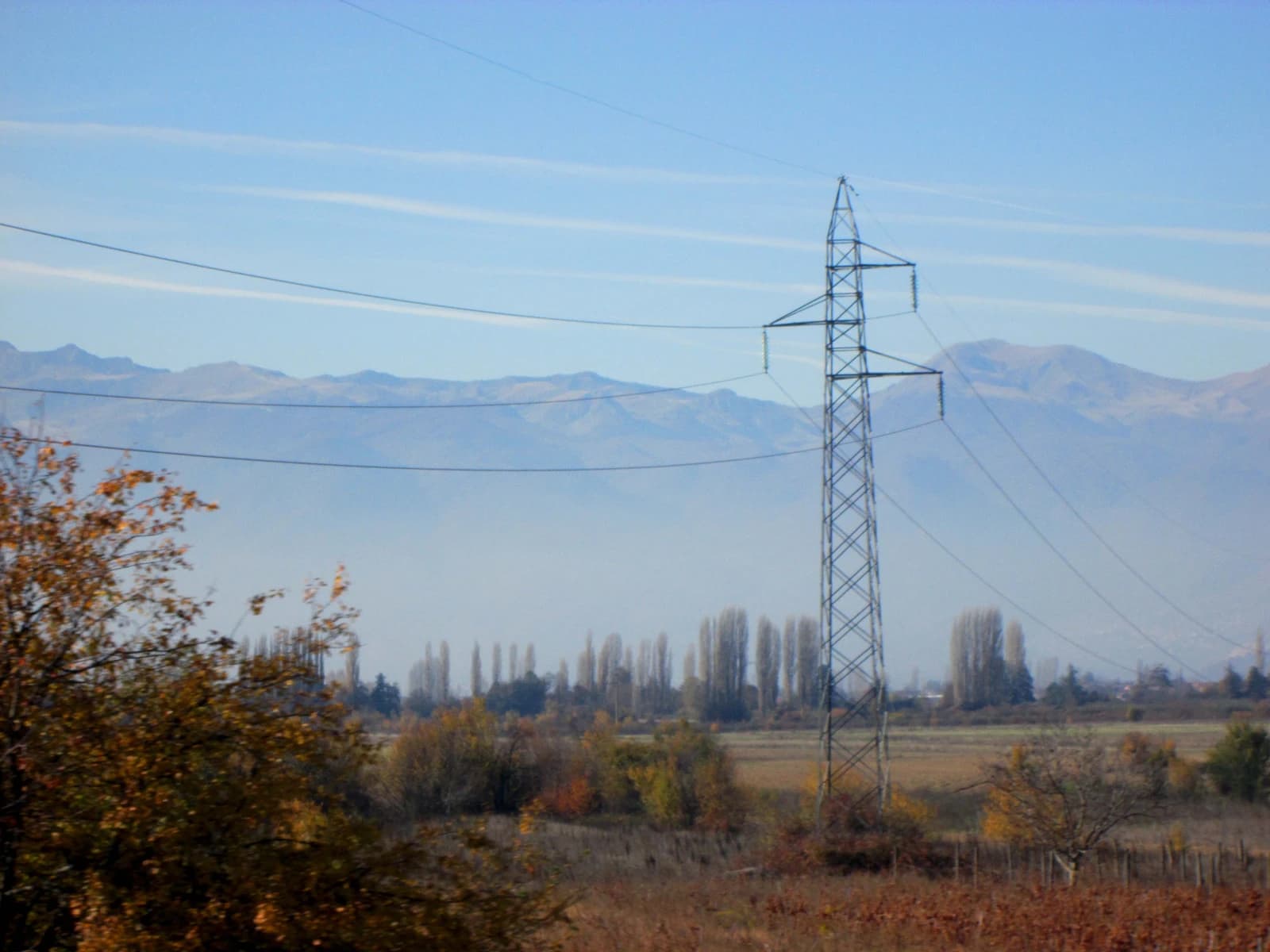
Finland’s day-ahead electricity price will stay sharply above its September average on Wednesday, underscoring how quickly tight supply can lift household and business power costs when wind output fades and nuclear capacity is offline.
Finland electricity prices stay above September average
The average exchange price is just over 16 cents per kilowatt hour, roughly unchanged from Tuesday but well above September’s average of about 6.8 cents. The most expensive quarter-hour comes at 7 p.m., when the price rises above 25 cents, before easing later in the evening.
Sentiment IndicatorsⓘProprietary · adalytica.com · September 27, 2026
This is a snapshot — live sentiment, awareness and momentum for 130+ markets update continuously in the dashboard.Open AlphaPulse
For consumers and companies, the economics are straightforward: when the power system leans on scarce supply, prices rise fast. Calm weather has reduced wind generation, while maintenance outages at Olkiluoto’s third unit and Loviisa’s second unit have left overall production below normal. That combination pushes more expensive generation into the mix and leaves buyers exposed to short-lived spikes, especially during evening peak demand.
The move matters most for households on spot-price contracts and for energy-intensive businesses that can shift usage. In a market like Finland’s, timing is everything. The same electricity that costs more than 25 cents in one quarter-hour can fall below 10 cents just two hours later, rewarding flexible consumption and punishing fixed, inflexible demand.
The broader lesson for investors is that Europe’s power market remains vulnerable to weather and outages even without a major geopolitical shock. That keeps the case strong for companies tied to grid flexibility, storage, and renewable buildout over time, while reminding investors that utilities and power retailers can face abrupt swings in margins when supply tightens.
For long-term investors, this kind of pricing still supports the secular push toward backup capacity, battery storage, demand response, and better grid management. It is not a crisis story, but it is a useful reminder that electricity markets can turn expensive quickly, and that volatility itself creates opportunity for companies that can smooth it out.
| Entity | Gains | Losses |
|---|---|---|
| Spot-price electricity sellers | ▲Higher hourly revenues | ▼Price-sensitive buyers |
| Flexible consumers | ▲Lower bills by shifting usage | ▼Inflexible households and businesses |
| Renewable and storage developers | ▲More demand for backup capacity | ▼Exposed spot-market users |
| Power system operators | ▲Stronger case for grid balancing | ▼Consumers facing peak-price spikes |