Climate Week in New York is turning into a real-time stress test for the energy transition, with leaders arguing that the clean-power boom is real but warning that AI’s electricity and water appetite could determine who wins the next phase of the market.
Clean Power, AI Data Center Demand, and Grid Capacity

That matters because the climate debate is no longer just about emissions targets and speeches. It is now about grid capacity, permitting, fuel prices, infrastructure buildout and where the next wave of capital spending goes. If artificial intelligence accelerates demand for power faster than utilities and renewable developers can supply it, the beneficiaries are not just solar and wind operators but the entire picks-and-shovels chain tied to transmission, storage, automation and power management.
Sentiment IndicatorsⓘProprietary · adalytica.com · September 26, 2026
This is a snapshot — live sentiment, awareness and momentum for 130+ markets update continuously in the dashboard.Open AlphaPulse
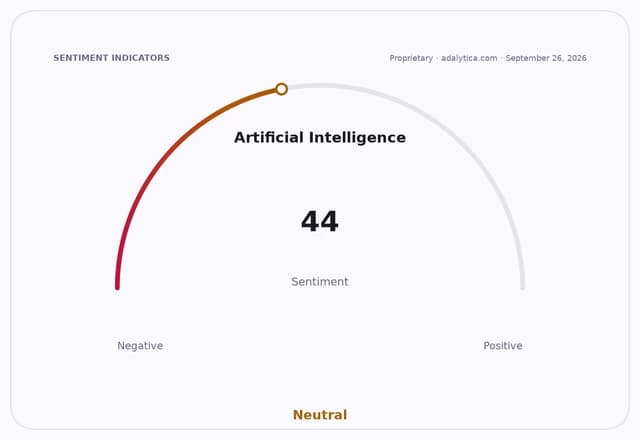
The political backdrop is adding urgency. Simon Stiell, the UN climate chief, said climate change is already driving food inflation and fuel pain, while UK minister Edward Miliband called the shift to renewables a “national security imperative.” At the same time, experts said the Iran war and the conflict in Ukraine have reinforced the case for energy independence, even as fossil-fuel shocks push consumer prices higher and increase pressure on governments to cut exposure to imported oil and gas.
The clean-energy message is backed by the numbers. A report from IRENA, the Global Renewables Alliance and Turkey said the world can still triple renewable power capacity by 2030, but only if it accelerates sharply. Annual renewable additions peaked at 693 gigawatts in 2025, yet the world would need to build more renewable capacity from 2026 through 2030 than in all prior years combined to stay on track. That is exactly the kind of setup investors should care about: demand is not the issue, execution is.
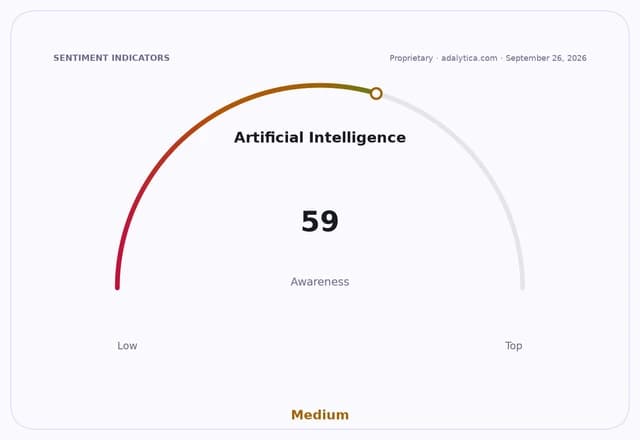
AI is what makes this cycle different from the last one. Microsoft, Amazon and other cloud operators are warning in filings that electricity constraints, permitting delays and sustainability risks are becoming material business issues. In other words, AI is not just a software story anymore; it is a physical infrastructure story. Every new data center needs land, power, cooling, transmission access and often local political cover. That creates a long runway for companies that sell equipment, interconnection services, inverters, batteries, transformers and grid software.
The market has already begun to price that shift, but not evenly. iShares Global Clean Energy ETF ICLN has bounced around levels near its 50-day moving average, while the Invesco Solar ETF TAN has been weak relative to its own 200-day moving average, suggesting investors are still skeptical about the durability of solar earnings. Botz, which tracks robotics and AI automation exposure, has held up better than many clean-energy names, underscoring where the market still prefers the AI trade. The opportunity, in our view, is to stop treating these as separate themes. The real trade is the intersection of AI buildout and power scarcity.
That is why the most attractive exposure may not be headline solar names alone, but the infrastructure layer beneath them. First Solar remains a direct beneficiary of utility-scale decarbonization, while Enphase Energy is more levered to distributed generation and storage demand if households and businesses keep looking for control over power costs. NextEra Energy stands to benefit from the utility-side need for new generation and grid investment, especially if policymakers move faster on permitting and transmission. And for investors seeking broader exposure, clean-energy ETFs can offer a basketed way to own the capex cycle if the market finally believes the demand is structural rather than cyclical.
The bigger catalyst is still ahead. As Climate Week bleeds into the COP process and as AI data-center demand keeps rising, the companies that can deliver power reliably and cheaply should attract the most durable capital flows. The market underestimates how quickly energy security, AI infrastructure and climate policy are converging. For investors, that makes clean power and grid enablers one of the more asymmetric trades in the market now.
| Entity | Gains | Losses |
|---|---|---|
| Clean-power developers | ▲More policy urgency | ▼Execution and permitting risk |
| AI data center operators | ▲Long-term power buildout | ▼Near-term scrutiny and higher utility costs |
| Grid and transmission suppliers | ▲Rising capex demand | ▼Supply bottlenecks if delayed |
| Fossil fuel incumbents | ▲Short-term price spikes | ▼Longer-term substitution pressure |