Estonia is heading into a costly power transition, and gas-fired generation is the fastest fix.
Estonia Power Buildout Needs Gas and Storage
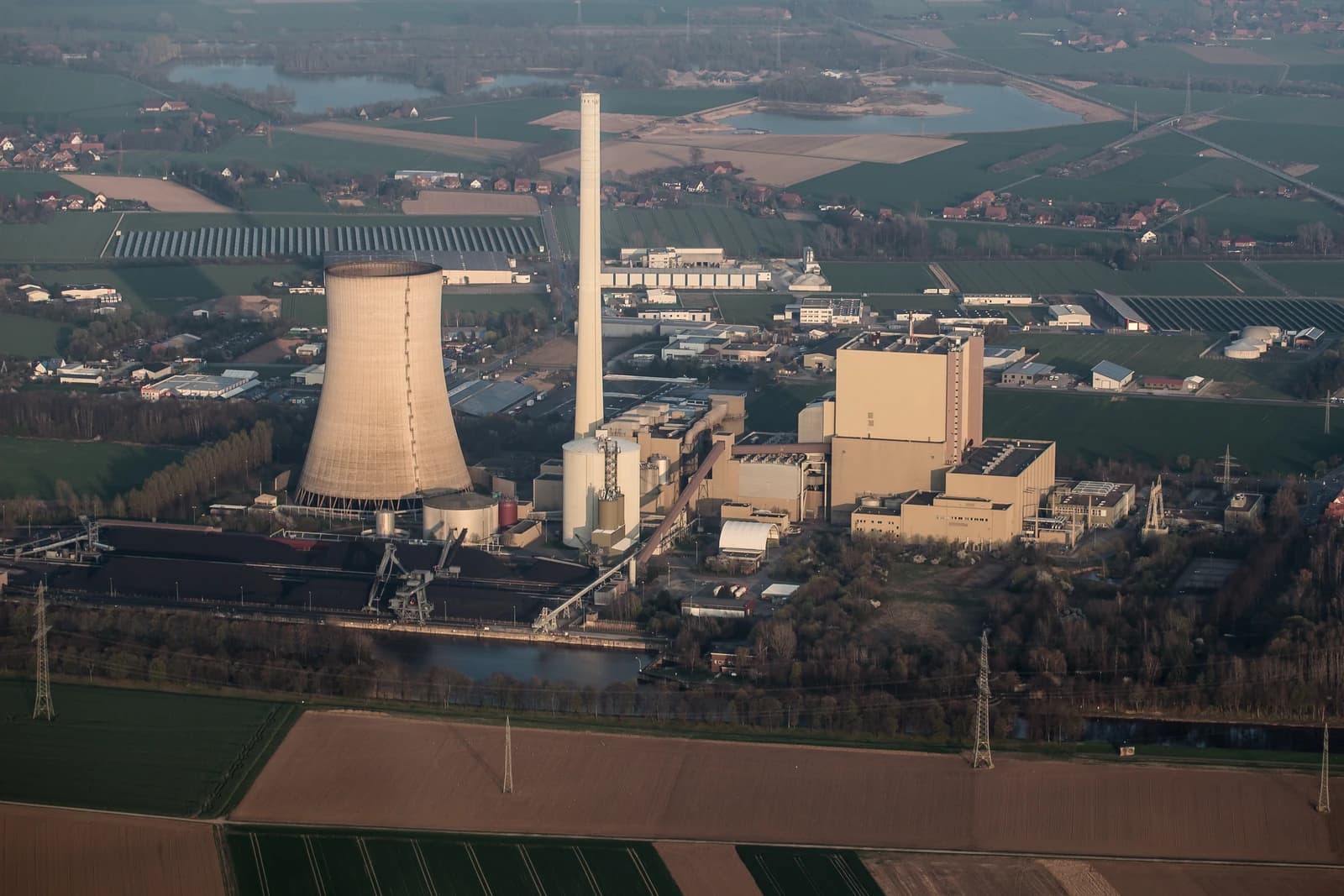
The Baltic state will need hundreds of megawatts of new flexible electricity capacity over the next decade to replace retiring shale plants in Narva and serve rising demand from data centers and industry, Elering says. The grid operator puts the need for new controllable plants at as much as 900 megawatts, a buildout that could require billions of euros.
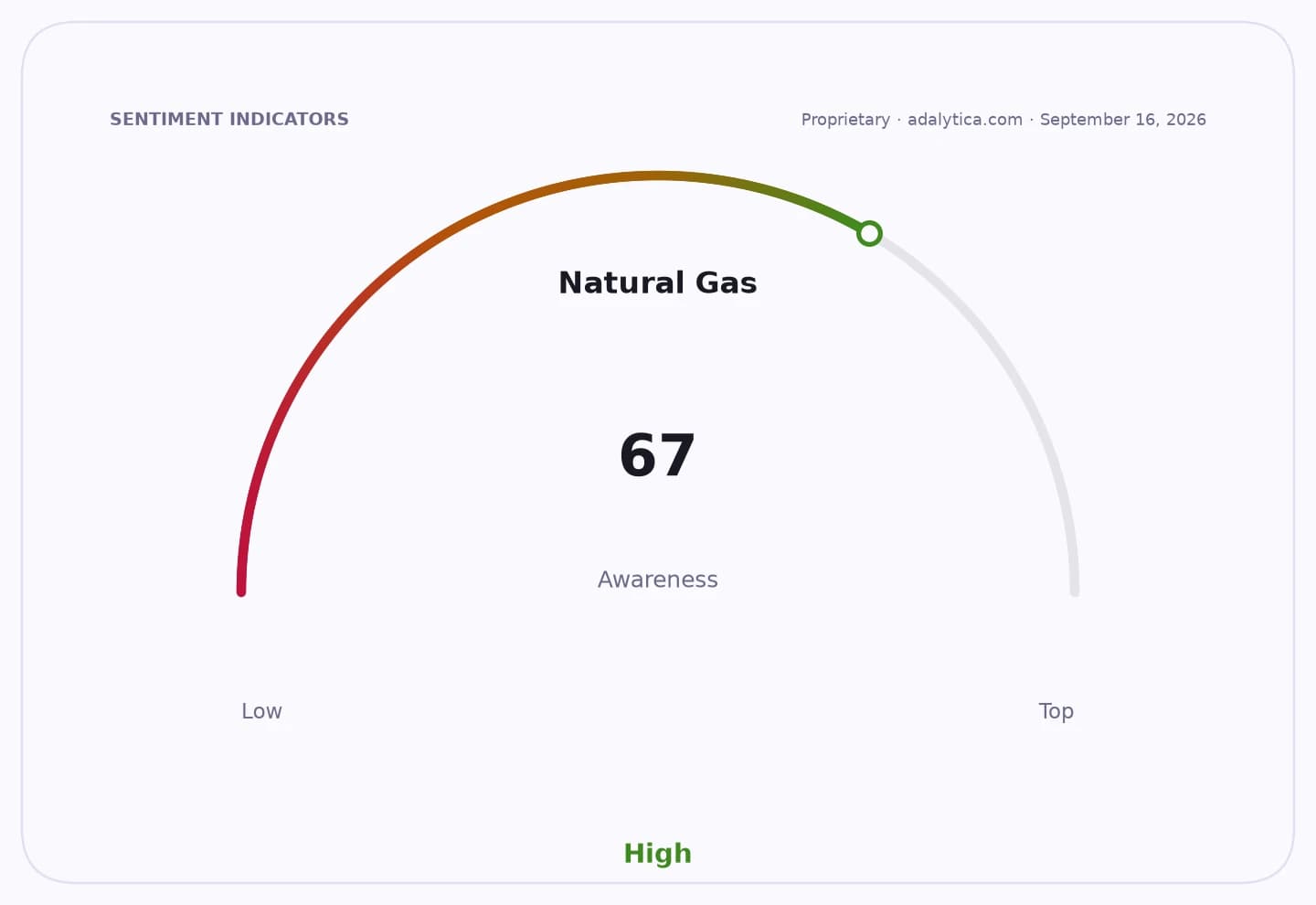
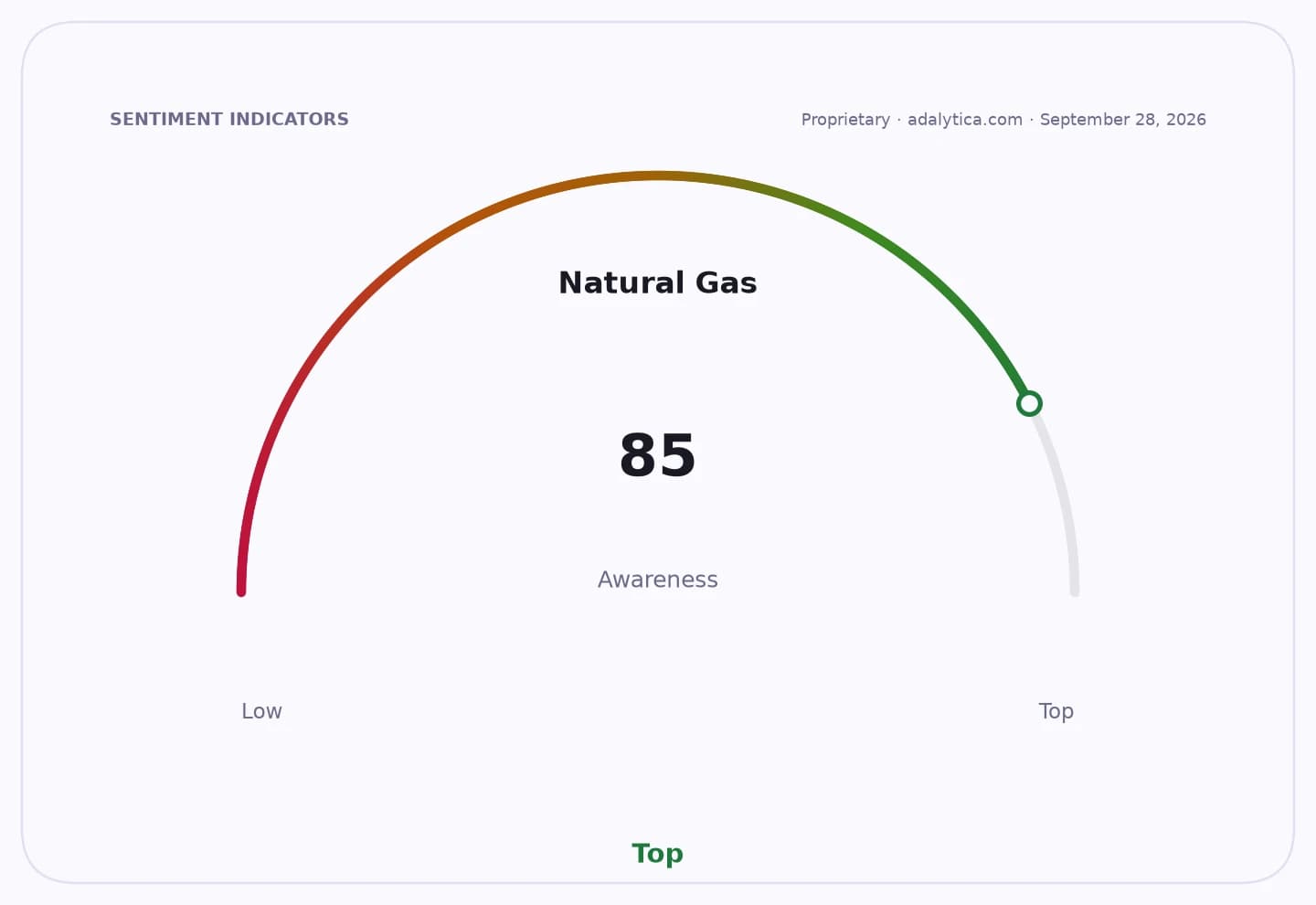
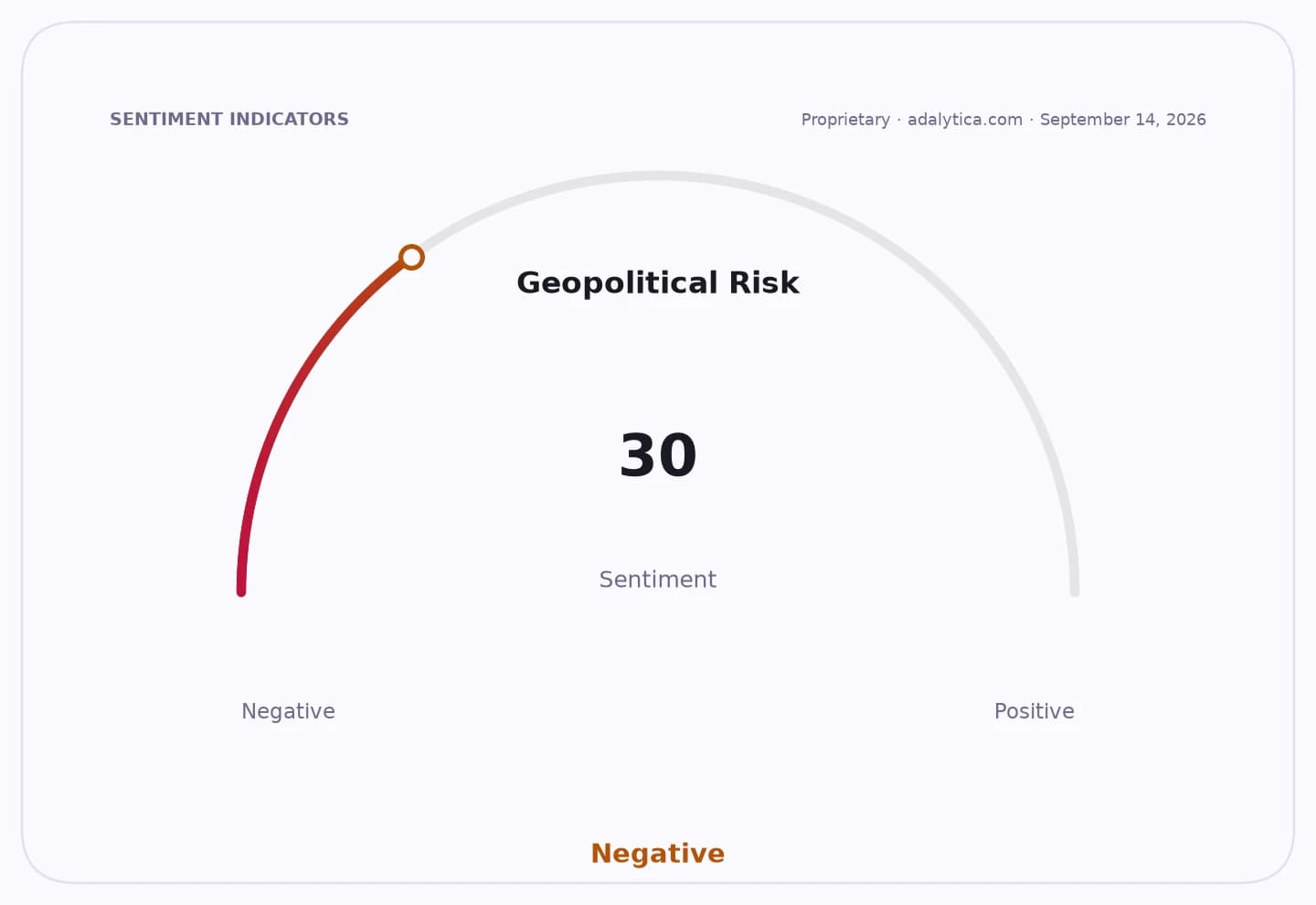
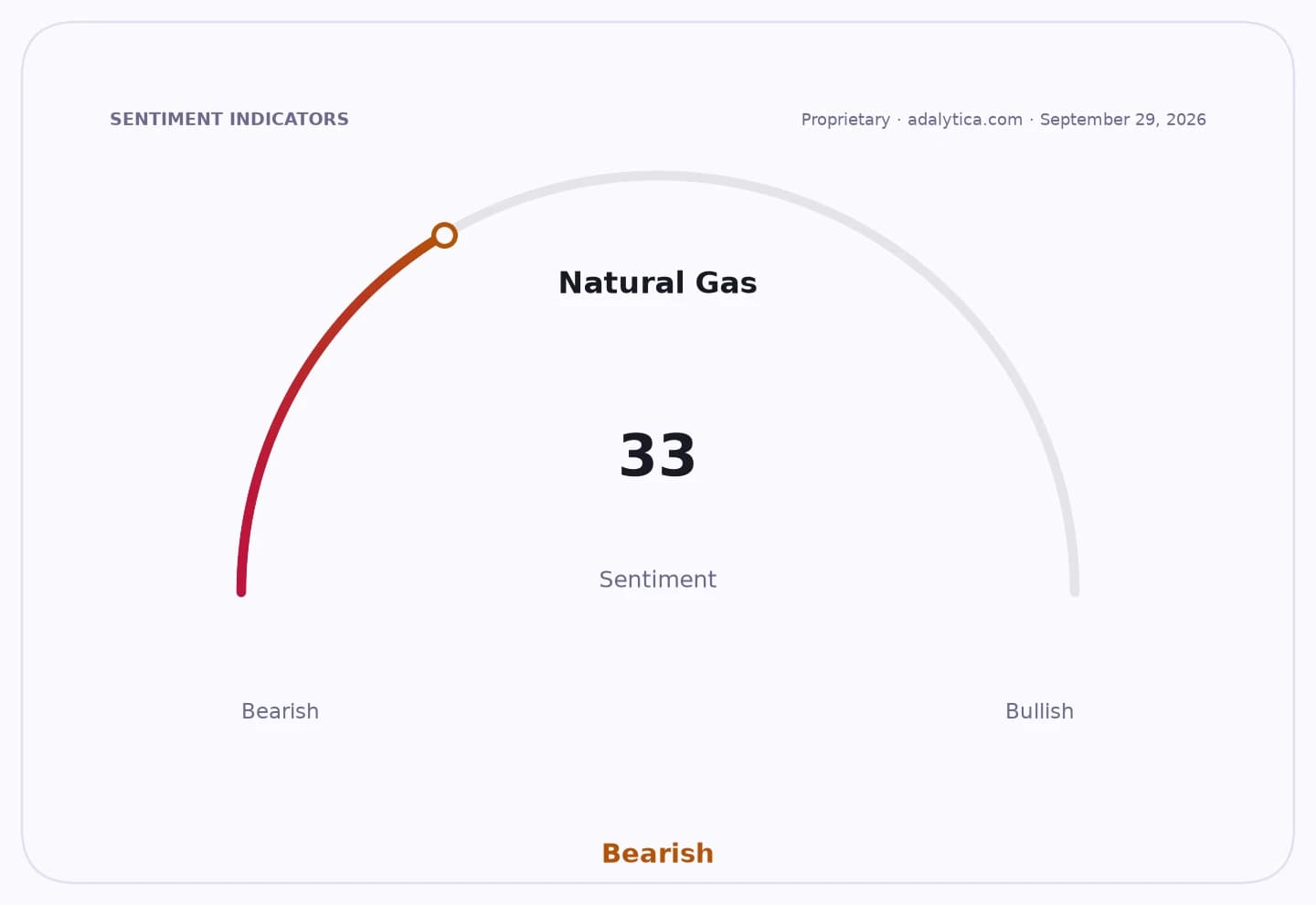
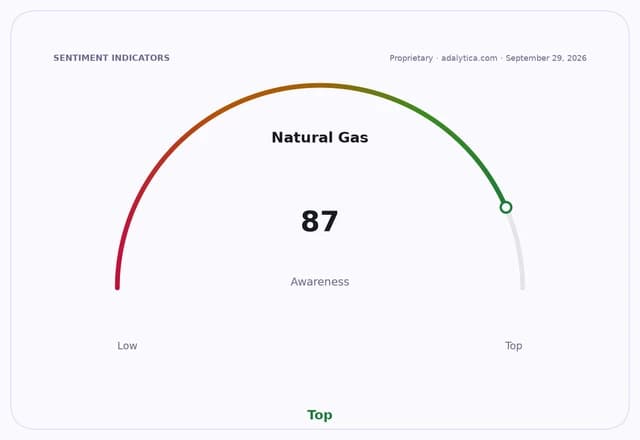
Sentiment IndicatorsⓘProprietary · adalytica.com · September 29, 2026
This is a snapshot — live sentiment, awareness and momentum for 130+ markets update continuously in the dashboard.Open AlphaPulse
That matters because Estonia is not just swapping one kind of power station for another. It is trying to preserve energy security while moving away from an aging, carbon-heavy shale system that has underpinned domestic supply for years. If the country cannot replace that capacity on time, it risks higher power-price volatility, heavier reliance on imports and a tougher climate for factories that need round-the-clock electricity.
Elering says the most realistic near-term answer is gas plants, with batteries and eventually nuclear power also part of the mix. Manufacturers, though, are pushing for a broader strategy, arguing that gas alone will not be enough. For investors, that debate is important because it defines where the next wave of capital spending may go: turbines, grid equipment, storage systems, nuclear development and the services that support them.
The economics are straightforward. Flexible power is expensive to build, but even more expensive to be without. Data centers, in particular, are emerging as a powerful new demand driver and can require hundreds of megawatts on their own. That raises the stakes for utilities, industrial users and policymakers trying to keep electricity reliable and competitive in a small economy that cannot afford prolonged supply gaps.
The broader market backdrop also favors the discussion. Natural gas remains the most practical bridge fuel for dispatchable power, even as renewables expand. In practical terms, that could support gas demand, infrastructure spending and utility investment over the medium term, while also keeping pressure on policymakers to accelerate storage and nuclear planning so Estonia does not lock itself into another stopgap.
For long-term investors, the story is less about one country’s power mix and more about a recurring theme across Europe: aging generation fleets are being replaced just as electrification, industrial demand and digital infrastructure are pushing loads higher. That usually means years of spending, not quarters of headlines. Estonia’s next power buildout is still being shaped, but it is already clear the winners will be the suppliers that can deliver reliable capacity, and the losers will be any system that assumes gas alone can carry the load.
| Entity | Gains | Losses |
|---|---|---|
| Gas turbine and utility developers | ▲New build opportunities | ▼Delay if policy stalls |
| Estonia’s industries and data centers | ▲More reliable supply | ▼Higher power costs |
| Battery and nuclear developers | ▲Longer-term investment case | ▼Slower near-term buildout |
| Retiring shale plants | ▲— | ▼Obsolescence and closure |