Europe’s race to build out artificial intelligence infrastructure is running straight into a power problem, and a group of startups is trying to make that bottleneck a little less binding.
Europe AI data centers face power bottlenecks
That matters because AI is not just a software story; it is a physical one. Data centers need electricity, cooling and grid capacity, and Europe’s systems are already strained. Ember, the energy think tank, says electricity use at European data centers could jump from 96 terawatt-hours in 2024 to 236 TWh by 2035. If that happens, the winners will be the companies that can make each megawatt go further, because new power lines and generation can take five to 15 years to plan and build, according to the International Energy Agency.
Sentiment IndicatorsⓘProprietary · adalytica.com · September 27, 2026
This is a snapshot — live sentiment, awareness and momentum for 130+ markets update continuously in the dashboard.Open AlphaPulse
That is the opening for startups such as Britain’s EkkoSense, Germany’s etalytics, Spain’s Submer, Ireland’s GridBeyond and Britain’s Deep Green. They are not replacing the need for more grids and power plants. They are buying time, and in capital-intensive industries, time is valuable.
The pitch is simple: use less electricity for cooling, use batteries more intelligently and reuse waste heat instead of throwing it away. For investors, that turns an operational headache into a potential efficiency dividend. In a sector where margins can be squeezed by power bills, hardware costs and long deployment cycles, even modest efficiency gains can meaningfully improve returns on invested capital.
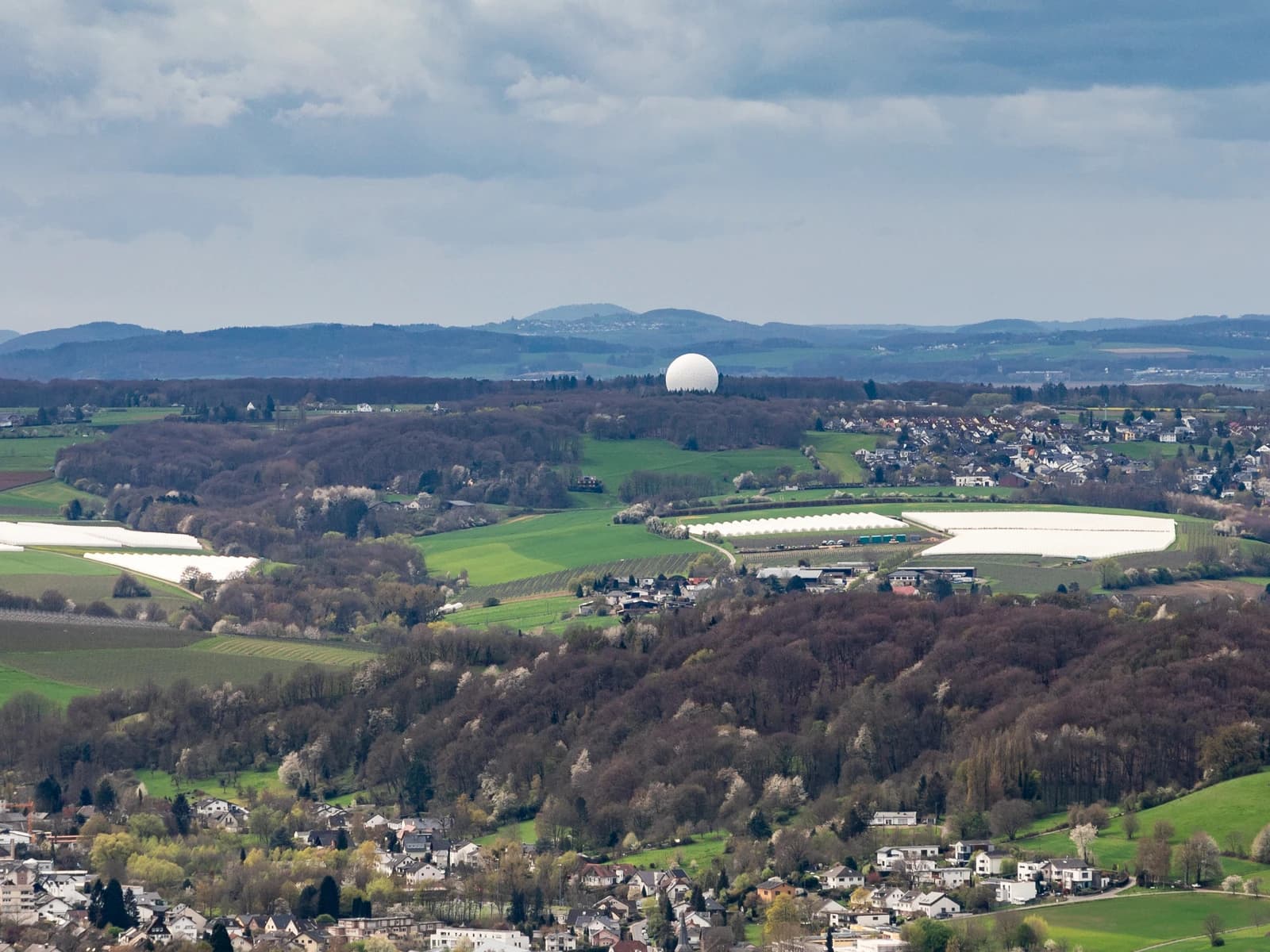
Some of the numbers are already real, not theoretical. EkkoSense said Virgin Media O2 used its system across 20 data center sites and cut cooling energy by 15% on average, saving more than 1 million pounds a year and avoiding 760 tonnes of carbon emissions on a location-based basis. Etalytics said testing at an NTT data center in Bonn reduced chiller electricity use by 19.1% in the first months, with annual savings potentially reaching 25%. Submer says its liquid-cooling approach can improve energy efficiency by as much as 50%, while Telefónica says the system reduces emissions, space needs and total cost of ownership.
These are the kinds of improvements hyperscalers, telecom operators and colocation providers are hunting for as AI workloads push racks hotter and denser. The economics are straightforward: if you can cool more efficiently, you can delay expensive facility upgrades, reduce operating expenses and unlock more compute from the same footprint. That is why the story matters not just to startups, but to the broader AI supply chain — from chipmakers and server vendors to cloud providers and utilities.
The battery angle is just as important. GridBeyond’s software gave two Keppel DC REIT data centers in Dublin 8 MW of flexible capacity by managing when batteries charge and discharge. That kind of flexibility does not create new electricity, but it helps data centers avoid peak grid stress and can make connections easier to manage. In a market where grid access is often the real constraint, flexibility can be as valuable as raw power.
Then there is the waste-heat opportunity. Deep Green is placing small compute units beside pools and district heating systems, turning server heat into a usable asset. In one trial, it said supplying heat to a swimming pool would cut gas use by 62%, save more than 20,000 pounds a year and reduce carbon emissions. For local businesses and public facilities, that is not just greener — it is cheaper.
Investors should not mistake these startups for a cure-all. Europe still needs far more generation, transmission and distribution capacity if AI demand keeps rising. But this is exactly the kind of enabling layer that can become more important during a buildout cycle. Companies that make infrastructure easier to deploy, cheaper to run and less carbon-intensive can become attractive picks-and-shovels winners.
For long-term investors, the bigger takeaway is that AI’s growth story is widening beyond GPUs and large-language models. Power management, cooling, batteries and heat reuse are becoming part of the AI economy’s core plumbing. That creates room for specialized industrial and energy-tech businesses to compound for years, especially if grid constraints remain a defining feature of the European market. Worth watching, and for patient investors, potentially worth owning.
| Entity | Gains | Losses |
|---|---|---|
| AI data centers | ▲Lower operating costs | ▼Grid stress and power bills |
| European startups | ▲Demand for efficiency tools | ▼Status quo infrastructure vendors |
| Utilities and grid operators | ▲Demand for flexibility services | ▼Peak-load pressure |
| Investors in enabling tech | ▲New long-term growth markets | ▼Pure-play power bottlenecks |