Japan’s appetite for artificial intelligence infrastructure is set to explode, with AI data center capacity projected to rise nearly 4.5 times by 2033, a buildout that could reshape the country’s power market, technology supply chain and long-term investment case for digital infrastructure owners.
Japan AI Data Center Capacity to Rise by 2033
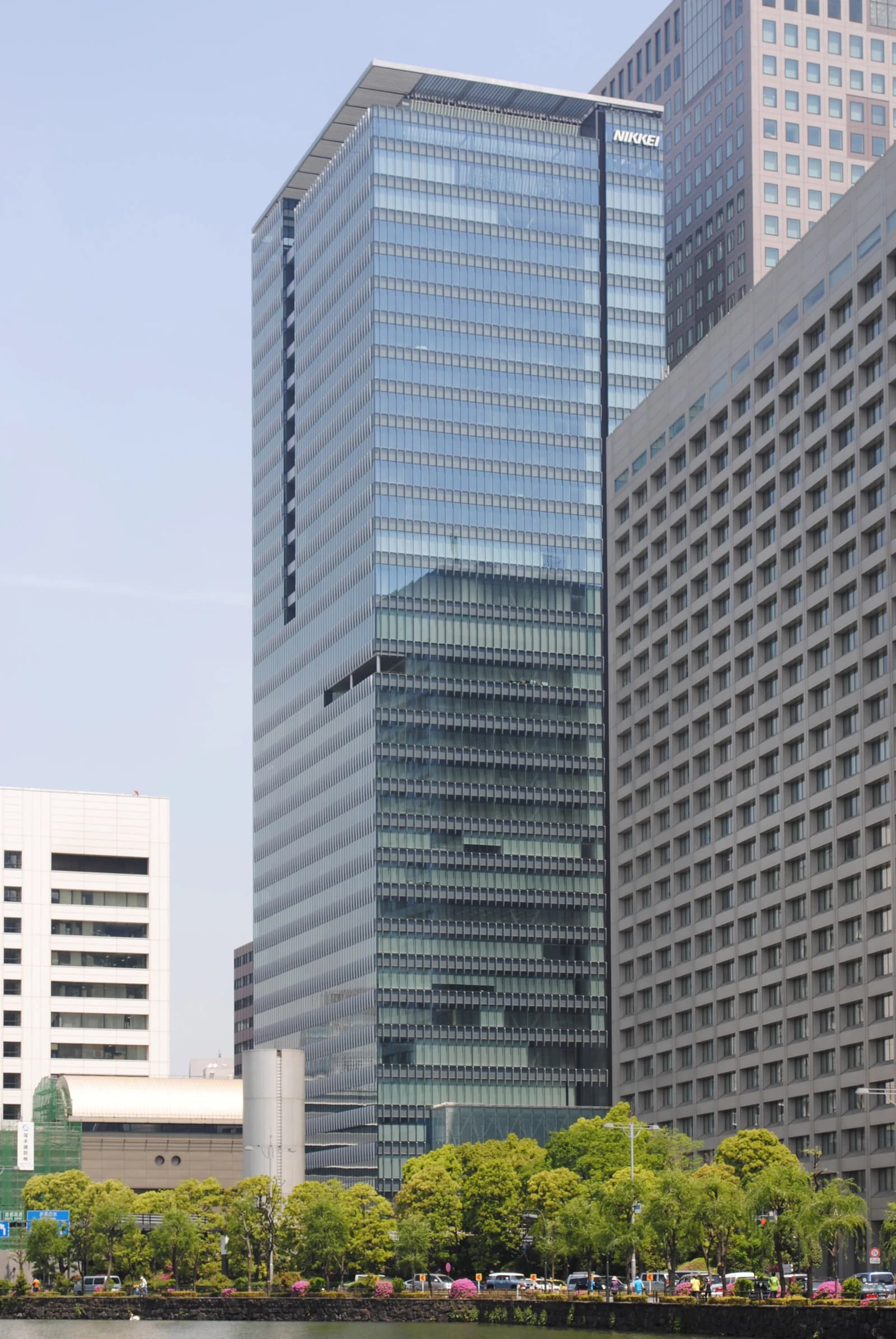
That is the big takeaway from Nikkei’s analysis, which estimates total electricity capacity used by AI data centers in Japan will climb to 4.9 gigawatts by 2033 from 1.1 gigawatts at the end of 2025, based on plans from 26 leading companies. In a country where grid access, land and power generation are all scarce resources, that kind of expansion is not just a tech story. It is an infrastructure story, an energy story and a capital-allocation story.
The scale matters because data centers are increasingly the physical backbone of AI. They need huge, steady supplies of electricity, which means every additional gigawatt of capacity creates demand for chips, servers, networking gear, cooling systems, real estate and power infrastructure. Nikkei said building a 1-gigawatt data center in Japan costs about $16 billion, underscoring how much capital will have to be committed if the country is serious about competing in AI at global scale.
For investors, that opens up a long runway for companies tied to digital infrastructure. Data center landlords, telecom operators, power utilities, equipment suppliers and chipmakers all stand to benefit if Japan follows through on this buildout. It also strengthens the case for owners of diversified infrastructure portfolios such as Equinix and American Tower, even if the near-term stock reaction is driven more by interest rates and broader market sentiment than by this single trend.
The growth also points to a bigger strategic shift. Japan is trying to secure a place in the global AI race without ceding too much of the market to the U.S. and China, which Nikkei said will remain far larger by 2031. But Japan’s projected rise to third place globally in AI data center capacity still signals a meaningful change: more domestic computing power, more local demand for electricity and more competition for the companies that can deliver both.
There is a catch, and it is a major one. Nikkei said about 4.2 gigawatts would likely be enough to satisfy Japan’s AI services demand, which means the country may be planning more capacity than it strictly needs. That could create a risk of oversupply if AI adoption slows or if financing becomes harder. It also raises the stakes for utilities and policymakers, because the expansion will require a substantial increase in power generation, potentially including new nuclear plants.
That makes Japan’s AI buildout attractive but not effortless. Investors should think of it as a multiyear infrastructure cycle, not a one-quarter trade. The winners are likely to be patient operators with access to land, power and capital. The losers could be firms that underestimate how expensive and energy-intensive AI infrastructure really is.
For long-term investors, the story is straightforward: Japan is becoming a larger AI infrastructure market, and that should keep demand strong for data centers, power and related equipment for years. It is worth watching closely, and for diversified portfolios, worth considering as a durable secular trend.
| Entity | Gains | Losses |
|---|---|---|
| AI data center operators | ▲More demand, higher utilization | ▼Higher build costs |
| Japanese utilities and power builders | ▲Bigger electricity demand | ▼Grid and capex pressure |
| Chip and equipment suppliers | ▲More orders | ▼Supply constraints risk |
| Investors in digital infrastructure | ▲Long-term growth runway | ▼Valuation risk if demand lags |