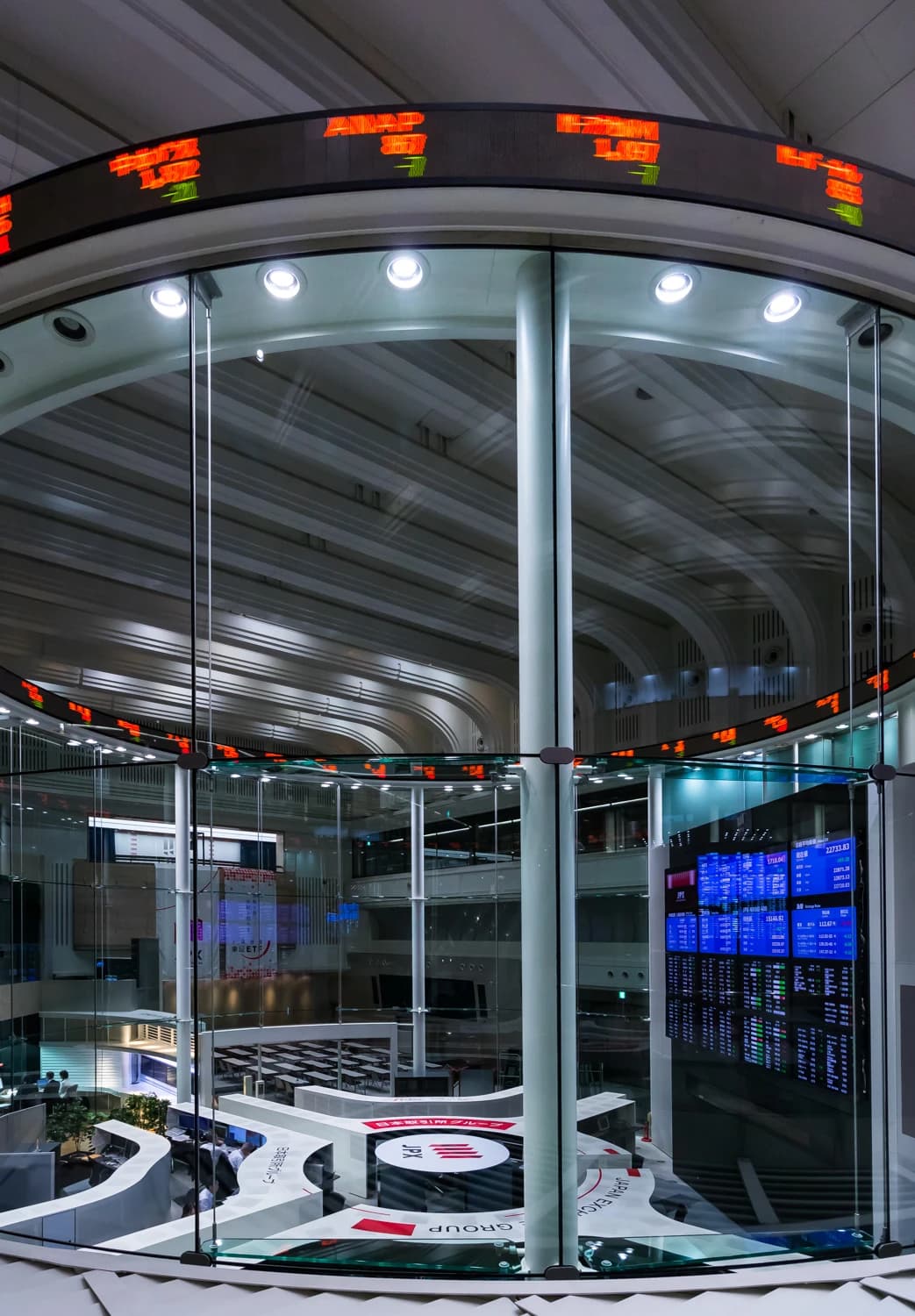
Japan’s Nikkei climbed 495.04 points on Wednesday as investors rushed into AI and semiconductor names after a five-day market holiday left Tokyo playing catch-up with a rally already underway overseas.
Nikkei Rises on AI and Semiconductor Buying
That matters because the move was not just a one-day bounce. It showed how strongly AI has become the market’s preferred growth theme, with Japanese traders using the reopening to buy stocks tied to the global build-out in chips, cloud infrastructure and automation. When investors believe capital spending on AI can still justify the price tag, they tend to favor the companies supplying the picks and shovels — and Japan has plenty of those.
Sentiment IndicatorsⓘProprietary · adalytica.com · September 29, 2026
This is a snapshot — live sentiment, awareness and momentum for 130+ markets update continuously in the dashboard.Open AlphaPulse
The Nikkei 225 closed at 65,513.99, up 0.76%, with buying led by precision equipment and electrical machinery shares. Those are exactly the kinds of businesses that benefit when data-center investment, advanced chipmaking and factory automation remain in favor. In other words, this was a broad vote of confidence in the AI supply chain, not just a narrow trade in one or two speculative names.
The catalyst was partly external. U.S. AI and chip stocks have been climbing, and Japanese investors came back from the long break determined not to miss the move. That kind of catch-up buying can be powerful because it often feeds on itself: global momentum encourages local buying, which then reinforces the idea that the AI cycle still has room to run.
But the rally was not clean. Rising government bond yields and firmer oil prices kept a lid on the broader market, reminding investors that AI enthusiasm is colliding with tighter financial conditions. Japan’s 10-year government bond yield at one point touched 3.075%, its highest since 1996, while the rise in U.S. yields continued to pressure rate-sensitive stocks. Higher borrowing costs can eventually weigh on valuations, especially for growth stocks priced on future earnings.
SoftBank Group also dragged on the index in afternoon trade after saying it would raise $11.1 billion to help fund the final installment of its $30 billion investment in OpenAI. For long-term investors, that is the other side of the AI story: enormous opportunity, but also enormous capital requirements. Even the most aggressive backers of AI have to keep finding money to feed the build-out, and markets are starting to question who pays, when, and at what return.
Still, the message from Tokyo was clear. Investors are willing to look through short-term volatility if they think AI is the kind of secular trend that compounds for years. The challenge from here is whether earnings growth can keep pace with the excitement. If it can, Japan’s chip and equipment makers could remain among the better ways to own the AI boom. If it cannot, bond yields and funding costs may do more of the talking.
For investors with a long horizon, this kind of tape is worth watching rather than chasing. AI remains one of the most powerful investment themes in the market, but the best results usually come from owning the durable winners in the ecosystem — and doing so patiently.
| Entity | Gains | Losses |
|---|---|---|
| AI and semiconductor stocks | ▲Catch-up buying | ▼Higher valuation risk |
| Japanese chipmakers and equipment suppliers | ▲Stronger demand outlook | ▼Bond-yield pressure |
| SoftBank Group | ▲OpenAI exposure | ▼Funding and balance-sheet scrutiny |
| Broad Tokyo market | ▲Holiday reopening support | ▼Rising yields and oil costs |