Vietnam’s push to secure new gas-fired power capacity is drawing in one of Europe’s biggest energy groups, as TotalEnergies and local conglomerate T&T move to develop the Long Son LNG project in Ho Chi Minh City.
Vietnam Long Son LNG project with TotalEnergies
The agreement matters because it brings together foreign capital, project execution and gas supply at a time when Vietnam is trying to accelerate power investment to keep pace with industrial growth and rising electricity demand. LNG has become central to that plan under the revised national power blueprint because it offers a lower-emissions backstop to coal and a more flexible source of baseload power, but the sector still faces familiar bottlenecks: financing, infrastructure and price volatility.
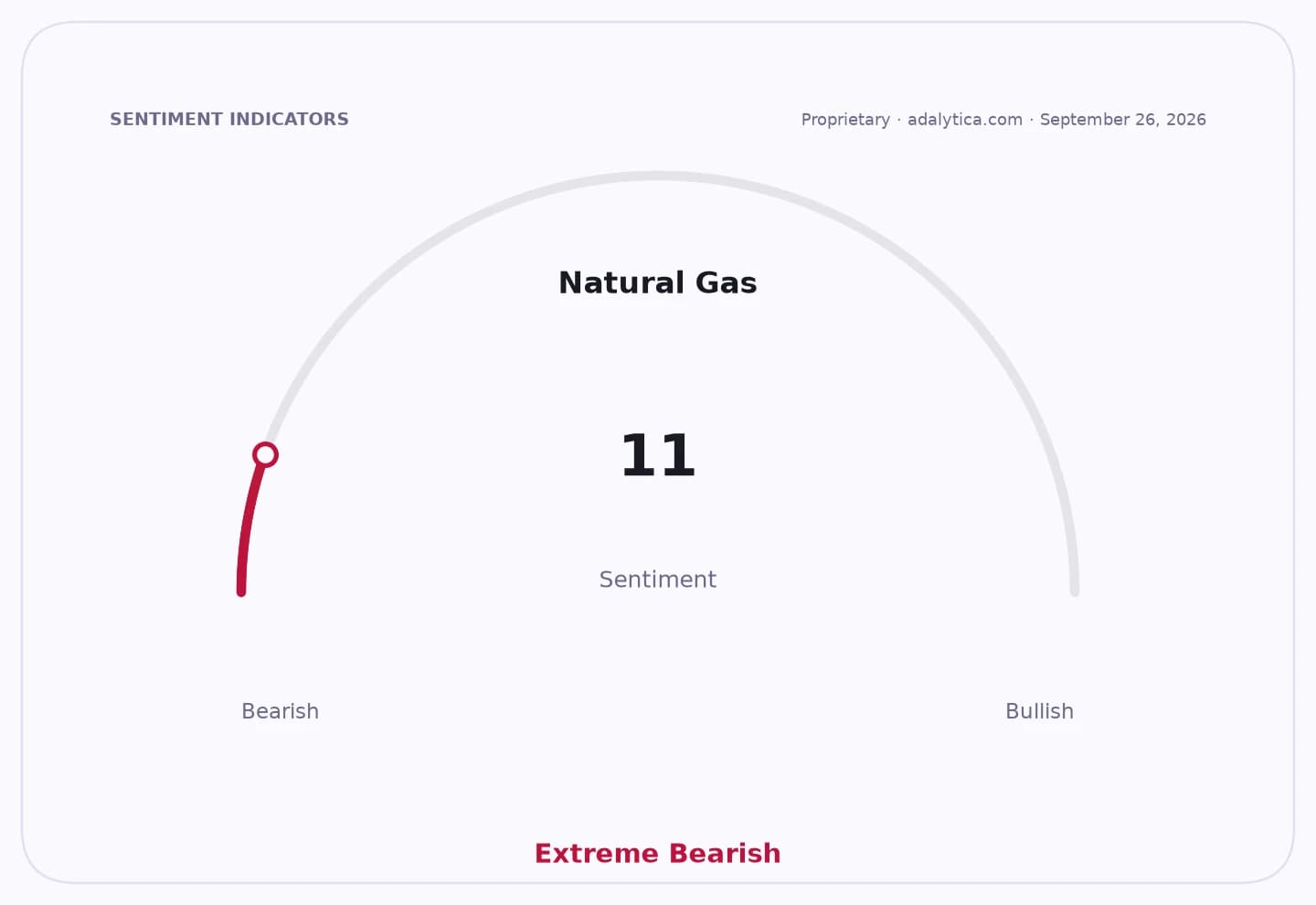
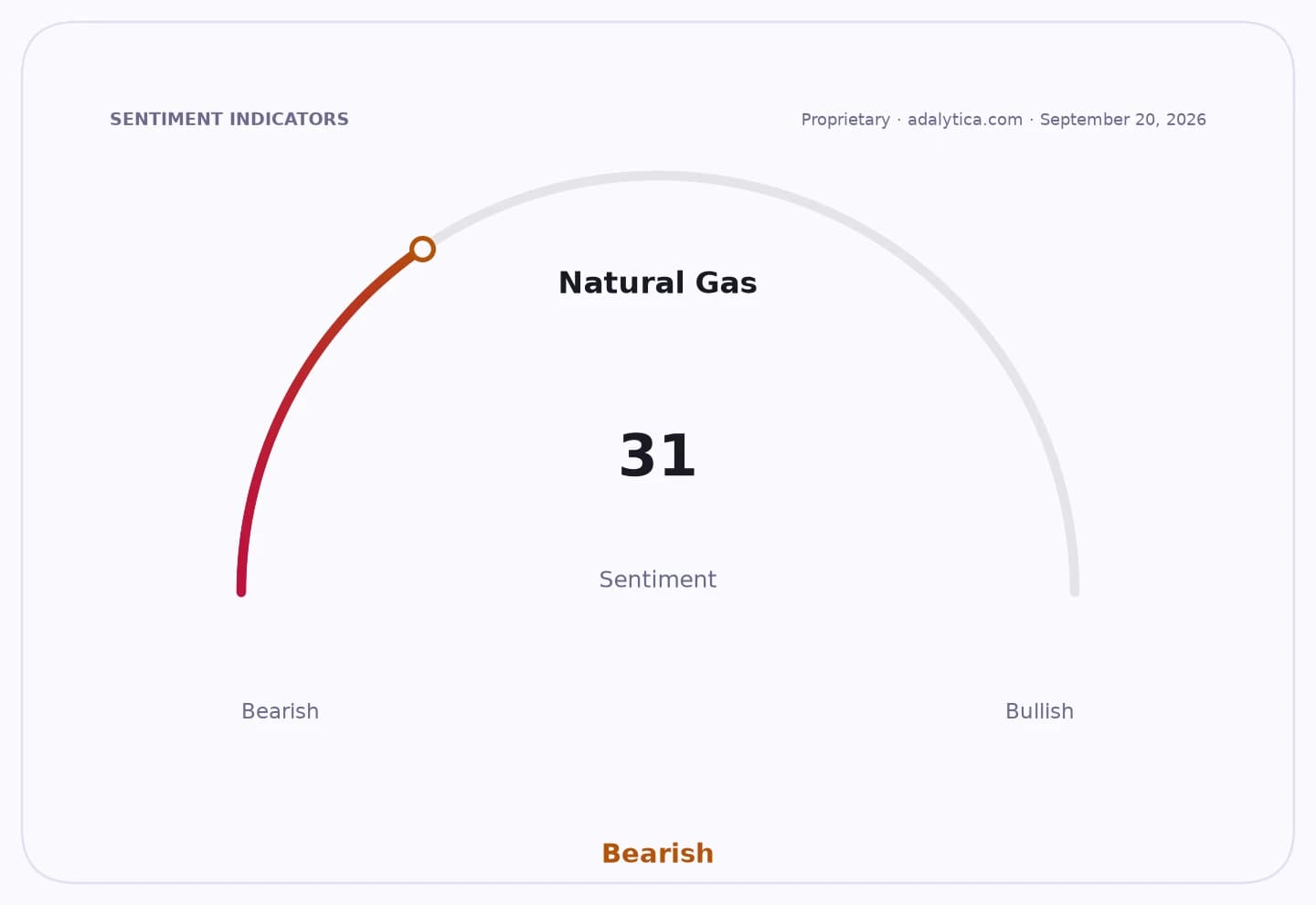
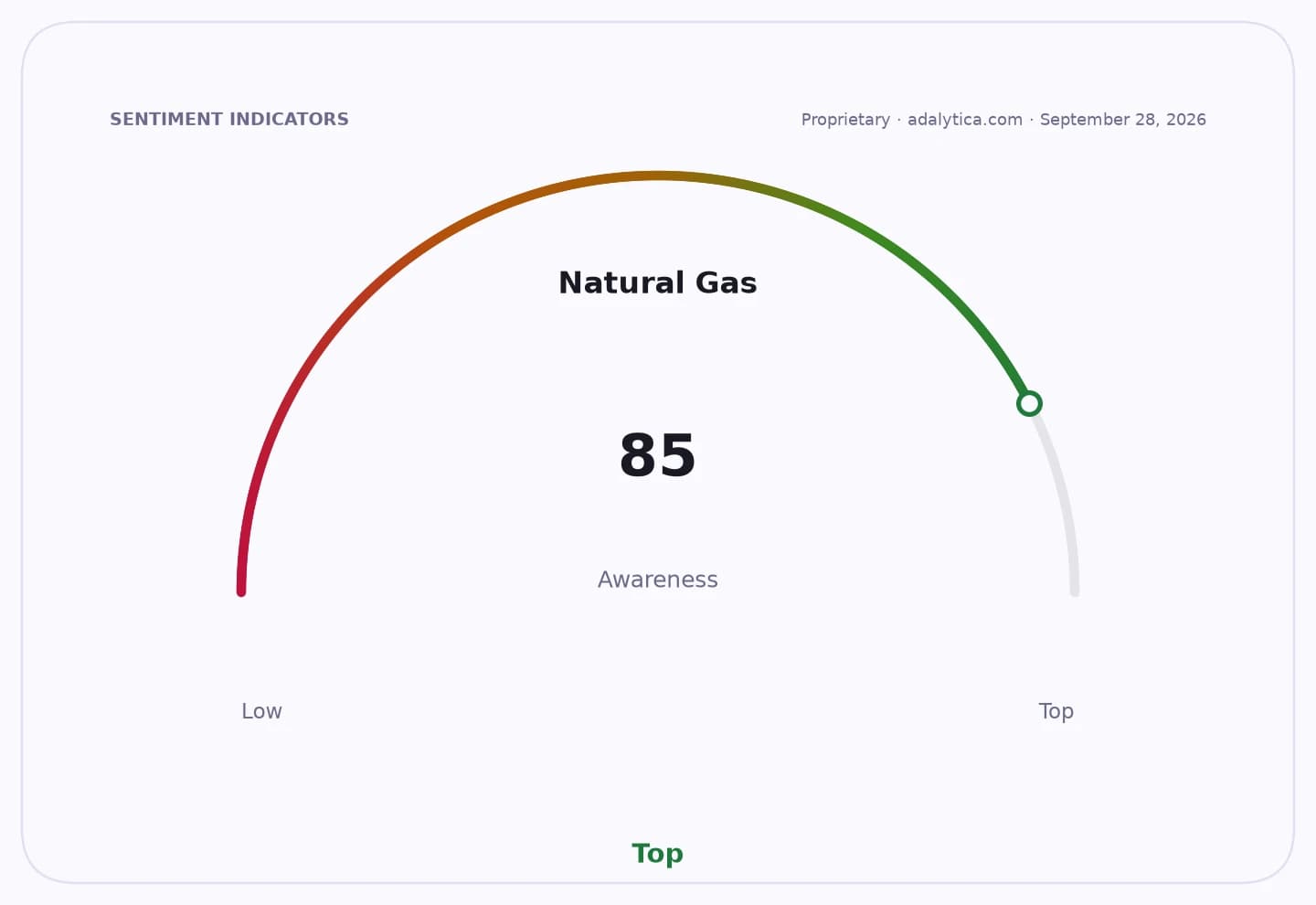
Sentiment IndicatorsⓘProprietary · adalytica.com · September 28, 2026
This is a snapshot — live sentiment, awareness and momentum for 130+ markets update continuously in the dashboard.Open AlphaPulse
Under the memorandum of understanding, T&T Energy Group and TotalEnergies Gas & Power Activities will cooperate on the Long Son plant, which is slated to start with about 1,500 megawatts of capacity and could eventually expand to 4,500 megawatts across later phases. Total investment is estimated at nearly 40 trillion dong, or about $1.6 billion. The project sits on more than 42 hectares in the Long Son area and is targeted for completion in the 2026-2030 period.
For Ho Chi Minh City and southern Vietnam, the project is more than a utility addition. Local generation capacity in the city covers only about 47% of consumption, according to the source, leaving the region dependent on power flows from elsewhere in the system. New gas-fired capacity would strengthen the southern grid, reduce the risk of supply shortages and support economic activity in one of the country’s most important industrial zones.
For investors, the significance lies in the structure of the deal. TotalEnergies is expected to help arrange international financing, invest in construction and infrastructure, and supply gas on competitive terms, reducing some of the project risks that have slowed LNG build-outs elsewhere in Asia. T&T brings a domestic pipeline of energy assets, with roughly 2,900 megawatts invested or under investment in Vietnam and the region, including about 1,200 megawatts already operating commercially. That local footprint can help navigate permitting, land access and policy alignment.
The project also fits a broader pattern of strategic energy cooperation between Vietnam and France. It comes as Hanoi seeks to mobilize private-sector participation in power infrastructure and as foreign energy companies look for long-duration growth markets beyond mature LNG import hubs. The French group already has operational experience in gas power and gas supply chains across Europe, the US and South Korea, as well as at Vietnam’s Thi Vai terminal.
Still, the economics are not straightforward. Global LNG markets remain volatile, and the source notes geopolitical tensions have reduced international LNG supply by about a fifth, raising the prospect of higher feedstock costs. That makes long-term supply terms, financing discipline and contract structure critical for a project whose returns will depend on stable offtake and execution over several years.
The larger narrative is that Vietnam is trying to turn LNG from a policy ambition into bankable infrastructure. If Long Son advances, it would strengthen the case for more gas-fired development in the country and deepen the role of international partners in Vietnam’s energy transition. If financing or supply conditions worsen, it would also underline how exposed the region remains to global gas price swings.
| Entity | Gains | Losses |
|---|---|---|
| Vietnam / Ho Chi Minh City | ▲More grid reliability | ▼Less power shortage risk |
| TotalEnergies | ▲LNG market access | ▼Capital and execution exposure |
| T&T Energy Group | ▲Foreign financing and expertise | ▼Project delivery burden |
| Coal and older plants | ▲— | ▼Potential displacement by gas |