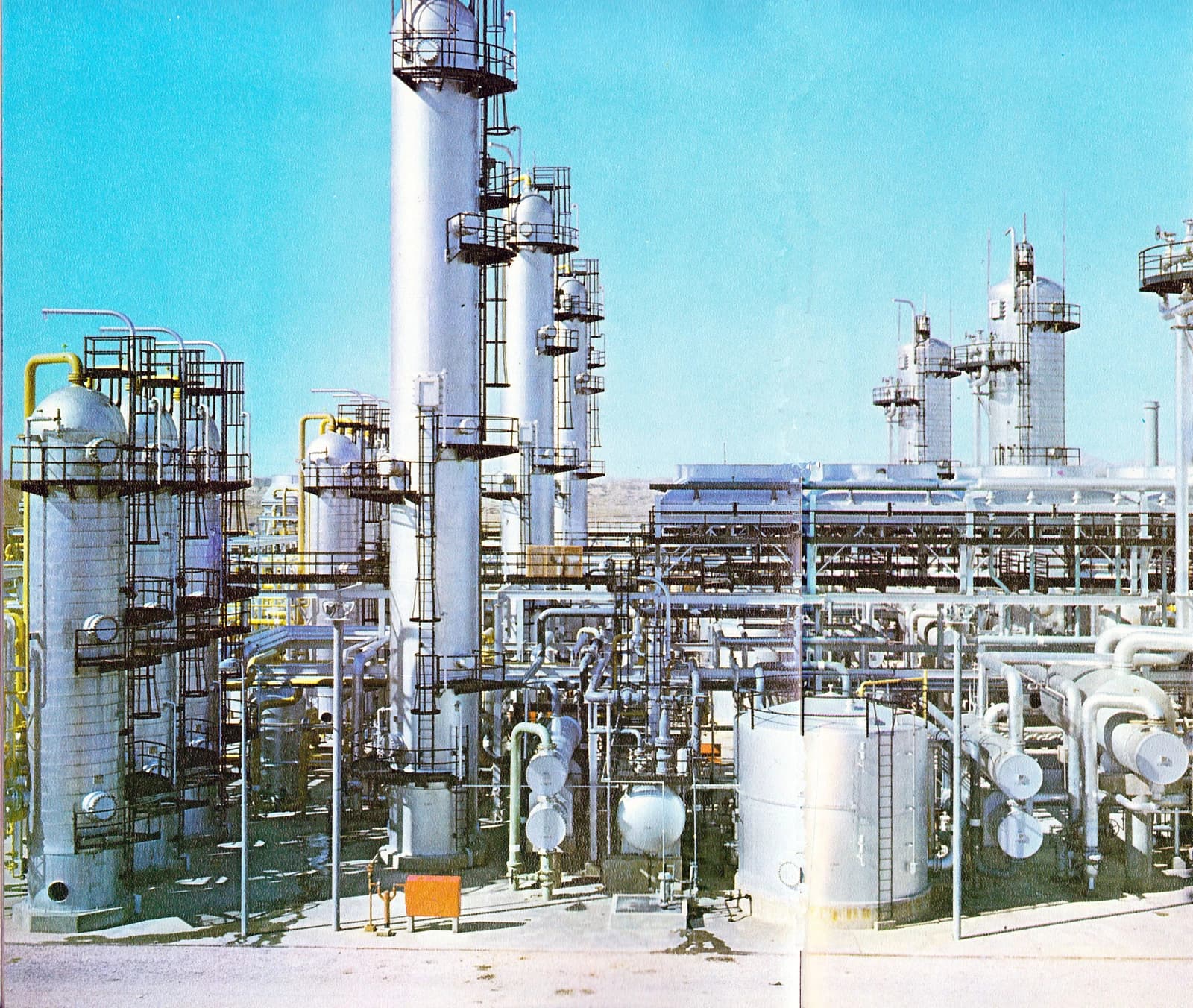
Iraq has brought into service a new gas-processing unit at the East Baghdad field capable of handling 25 million cubic feet a day, a modest but economically important step in easing power shortages and reducing the country’s wasteful flaring of associated gas.
Iraq starts East Baghdad gas-processing unit
The unit will treat gas from the East Baghdad south area and send it through pipelines to the Besmayah power station, helping supply one of the capital region’s key electricity assets with domestic fuel rather than imported gas. For Iraq, where electricity demand routinely outruns supply and gas capture has lagged behind crude output, every incremental cubic foot that can be processed and used locally improves fuel security and lowers the bill for wasted hydrocarbons.
Oil Ministry gas chief Izzat Sabir Ismail said the project fits Baghdad’s plan to maximize associated gas investment and reduce volumes burned off at oilfields. Basra-based and central Iraqi oil operations still flare significant amounts of gas because gathering, processing and transport infrastructure have not kept pace with production growth. Turning that gas into power feedstock lifts the value of existing oil output without requiring a new field discovery, which is why such projects often rank high on the government’s energy agenda.
The East Baghdad field, operated by the state-run Central Oil Company with development support from China’s EBS, is part of a broader push to raise oil and gas output while monetizing hydrocarbons more efficiently. That matters because Iraq’s public finances remain heavily dependent on oil revenue, while its power system remains vulnerable to fuel bottlenecks and costly imports. A steadier domestic gas stream can help reduce pressure on the budget, improve plant utilization and, over time, support more reliable electricity supply.
For investors, the development is less about the 25 MMcf/d capacity on its own than about what it says regarding execution risk in Iraq’s energy sector. Projects that capture and process associated gas can support upstream output, reduce environmental penalties from flaring and improve the economics of thermal power generation. But the scale of the opportunity also highlights how much larger Iraq’s gas gap remains, and how dependent the country is on continued investment, Chinese participation and grid integration to turn isolated project wins into system-wide gains.
The near-term market impact is likely to be limited, but the strategic implications are broader: more domestic gas for power, less waste at oilfields and a gradual shift toward using Iraq’s hydrocarbon base more efficiently. The key question for investors is whether Baghdad can accelerate similar projects fast enough to shrink its power-fuel deficit and reduce reliance on imported gas over the next few years.
| Entity | Gains | Losses |
|---|---|---|
| Iraq Oil Ministry | ▲Higher gas capture | ▼Flaring losses |
| Besmayah power station | ▲More domestic fuel | ▼Import dependence |
| East Baghdad field / EBS | ▲Better project economics | ▼Idle associated gas |
| Imported gas suppliers | ▲Lower demand risk | ▼Market share in Iraq |