Saudi Aramco is preparing a reorganisation that would create a dedicated gas division, a move that could pave the way for future listings of non-core assets as the world’s largest oil exporter looks for new ways to raise cash and expand in liquefied natural gas.
Saudi Aramco Plans Gas Division Reorganisation
The shift matters because it deepens a strategy already favoured across Gulf national oil companies: monetise parts of the value chain without surrendering control of the main upstream oil business. For Saudi Arabia, where Aramco remains central to state finances and economic diversification, the ability to unlock capital from gas and infrastructure assets offers a less politically sensitive source of funding than selling more of the crude empire.
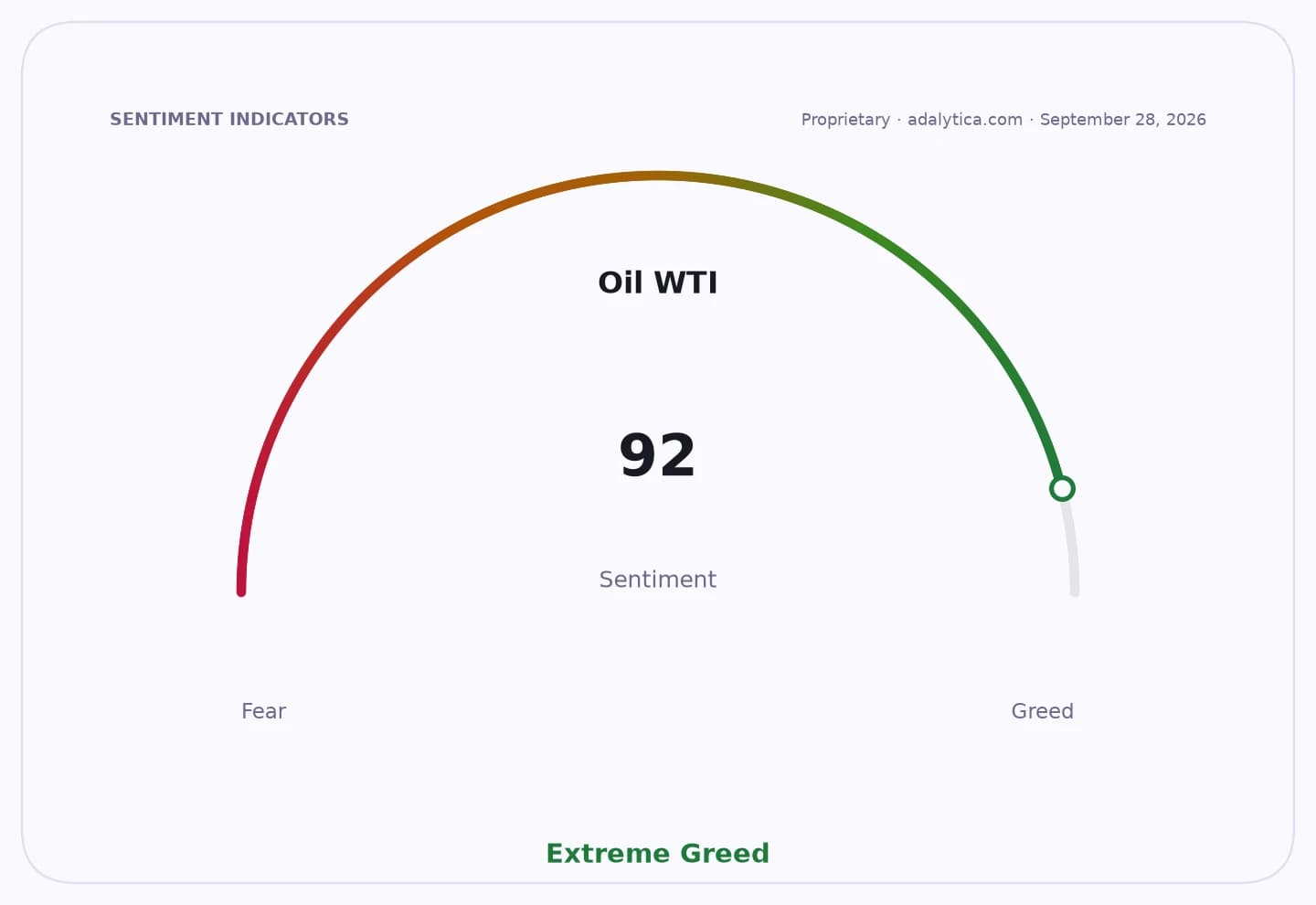
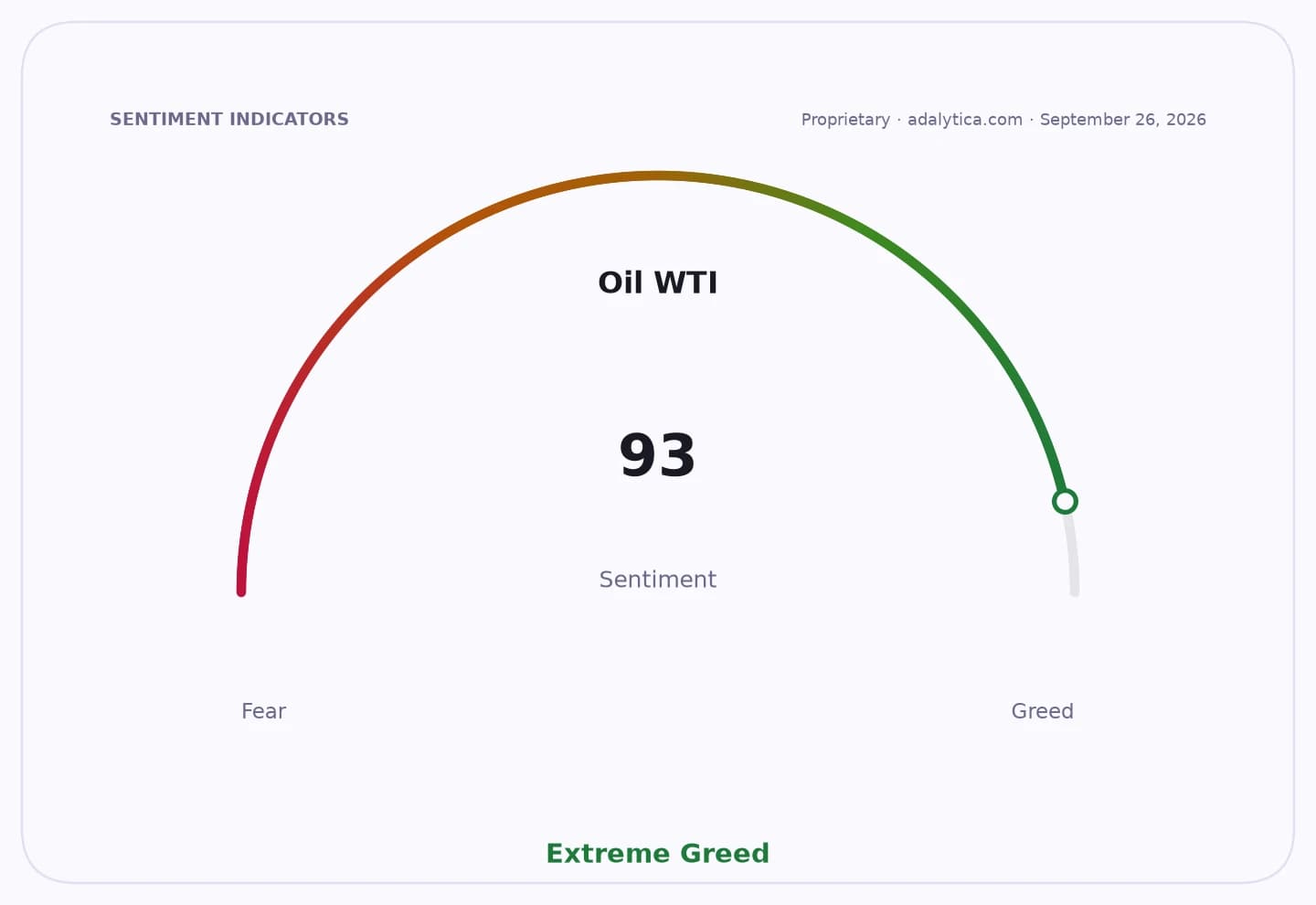
Sentiment IndicatorsⓘProprietary · adalytica.com · September 27, 2026
This is a snapshot — live sentiment, awareness and momentum for 130+ markets update continuously in the dashboard.Open AlphaPulse
Two people familiar with the matter said the company would move from two main segments — upstream and downstream — to three, with gas standing alongside them as its own unit. Aramco is also exploring lease-and-leaseback deals and a possible minority stake sale in the new gas business, one of the sources said. The company declined to comment.
The logic is clear. Global gas demand, especially for LNG, is expected to remain more resilient than oil demand over time as utilities and industry seek lower-emissions fuels and countries diversify supply after years of geopolitical disruption. A dedicated gas platform would give Aramco a clearer route to build a domestic gas portfolio and push abroad into LNG, while also creating an asset base that could be more easily sold down in pieces.
Jafurah sits at the centre of that plan. The unconventional field, described as potentially the biggest shale gas project outside the US, began operating last year and is meant to free crude for export by replacing oil burned in power generation. Aramco has said its unconventional gas programme could eventually displace 500,000 barrels a day of crude at peak output, a meaningful gain for export revenues and fiscal flexibility.
That is also why investors will watch the financing angle closely. Aramco already raised $11 billion last year by leasing and leasing back Jafurah gas processing facilities to a BlackRock-led consortium, showing there is appetite for long-dated energy infrastructure cash flows even when direct exposure to oil production remains off limits. A listed gas unit, if it materialises, could follow the same template used by ADNOC in Abu Dhabi, which has sold stakes in gas, drilling and retail fuel businesses while keeping operational control.
For shareholders, the bull case is that Aramco could surface hidden value in gas and infrastructure, diversify cash generation and support Saudi Arabia’s broader push to reduce dependence on crude. The bear case is that repeated asset monetisation can look like financial engineering if it does not translate into faster production growth or stronger free cash flow, especially with oil prices still decisive for the group’s valuation and the kingdom’s budget.
The reorganisation would not change the fact that Aramco remains a hydrocarbons heavyweight tied to oil. But it would underscore where the next phase of value creation is likely to come from: not from selling more of the crude business, but from packaging gas, pipelines and processing assets into investable units for a market still willing to pay for stable energy cash flows.
| Entity | Gains | Losses |
|---|---|---|
| Saudi Aramco | ▲New fundraising routes | ▼Simpler two-segment structure |
| Saudi Arabia | ▲More non-oil capital | ▼Greater reliance on asset sales |
| LNG investors | ▲Fresh access to gas assets | ▼Less direct scarcity premium |
| Oil-only bulls | ▲Crude remains protected | ▼Gas diversification dilutes focus |