TotalEnergies and its local partner AMNI have approved development of the Ima offshore gas field in Nigeria, a move that could strengthen the French major’s long-term LNG supply and add a fresh source of low-cost gas just as global buyers continue to prize secure energy.
TotalEnergies approves Ima gas field in Nigeria
The decision matters because it ties a new upstream project directly to Nigeria’s liquefied natural gas expansion, giving TotalEnergies a clearer path to feed one of Africa’s most important gas export hubs. Production is expected to start in 2028 and reach a plateau of 350 million cubic feet a day, or more than 60,000 barrels of oil equivalent daily, according to the company.
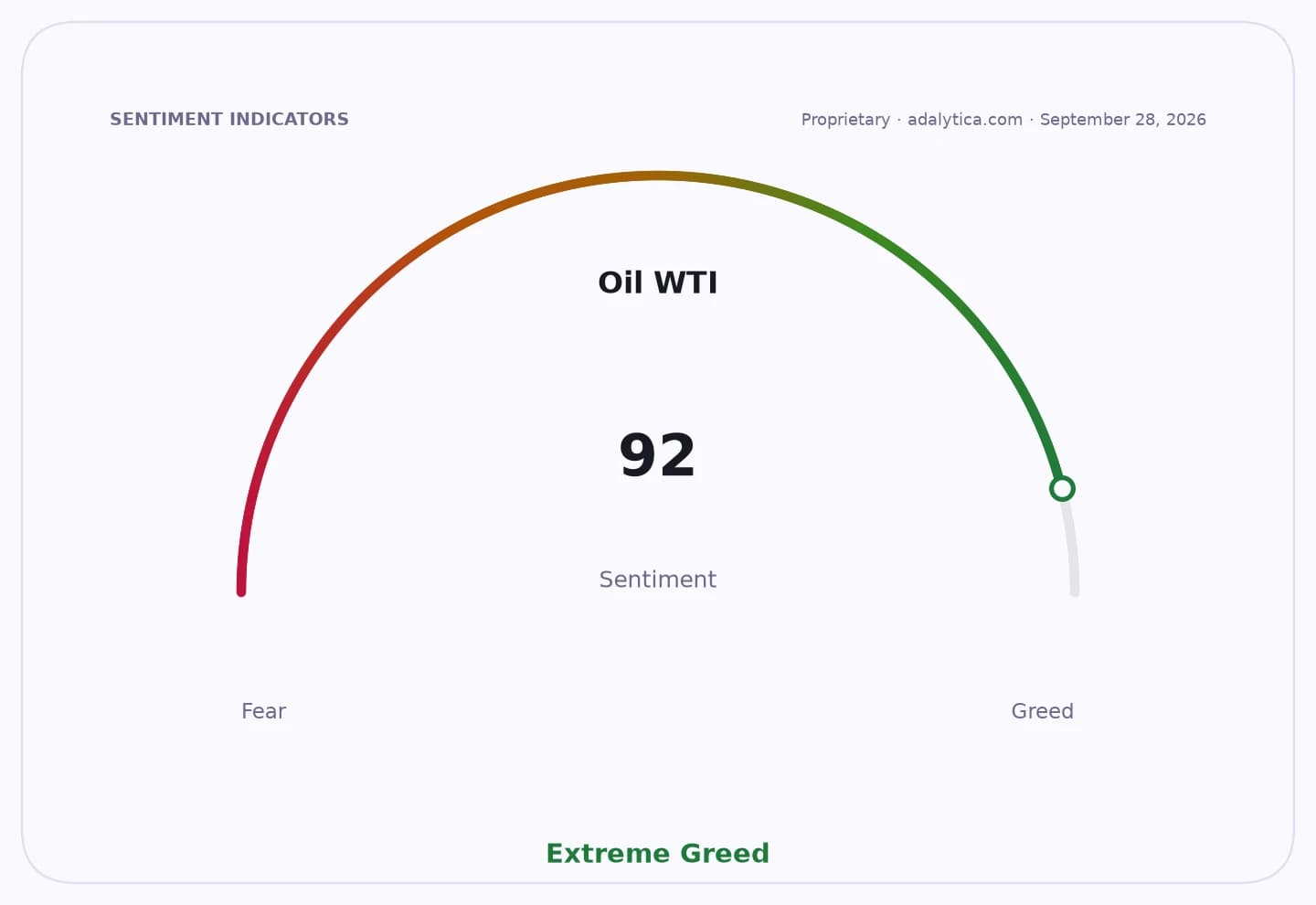
Sentiment IndicatorsⓘProprietary · adalytica.com · September 28, 2026
This is a snapshot — live sentiment, awareness and momentum for 130+ markets update continuously in the dashboard.Open AlphaPulse
That volume is not trivial. The gas will be piped to Nigeria LNG and is expected to provide about a third of the resources needed for the long-awaited Train 7 expansion, which is designed to lift liquefaction capacity to 30 million metric tons a year from 22 million tons now. For investors, that is the kind of project that can compound value over time: a long-dated asset, linked to LNG demand, with a clear downstream outlet and a lower-cost resource base.
TotalEnergies has been steadily leaning into gas as a bridge fuel and a cash-generating core business, even as it continues to balance oil, LNG and lower-carbon investments. Approving Ima fits that strategy neatly. The field sits on offshore blocks near Bonny Island, an area already central to Nigeria’s gas infrastructure, which should help reduce development risk compared with a greenfield export project from scratch.
For Nigeria, the investment is just as important. The country has long talked about turning its vast gas reserves into more export revenue, more domestic industrial feedstock and fewer wasted resources. Bringing new offshore gas into the LNG system supports that goal, especially at a time when Europe and other buyers remain sensitive to supply shocks and seek diversified LNG volumes.
The timing also underscores why energy companies continue to favor gas. Oil prices have been volatile, but LNG still offers a relatively durable demand story as countries look for flexible fuel supplies. TotalEnergies’ shares have already benefited from that broader energy backdrop, and the company’s move in Nigeria adds another building block to a portfolio that investors tend to value for resilience, cash flow and discipline.
There are still execution risks, of course. Large offshore gas projects can run into cost inflation, permitting delays and infrastructure bottlenecks. Nigeria’s operating environment has also never been simple. But once sanctioned, a project like Ima is the kind of long-life asset that can quietly support earnings for years, especially if LNG demand remains firm.
For long-term investors, the takeaway is straightforward: this is not a headline that changes TotalEnergies overnight, but it does reinforce the company’s LNG strategy and its appetite for projects with visible demand. In a market that rewards reliable supply and disciplined capital allocation, that is worth watching closely.
| Entity | Gains | Losses |
|---|---|---|
| TotalEnergies | ▲LNG feedstock security | ▼Near-term capex burden |
| AMNI | ▲Development partner upside | ▼Execution risk |
| Nigeria LNG | ▲More gas for Train 7 | ▼Reliance on project delivery |
| LNG buyers | ▲New future supply | ▼Waiting until 2028 |