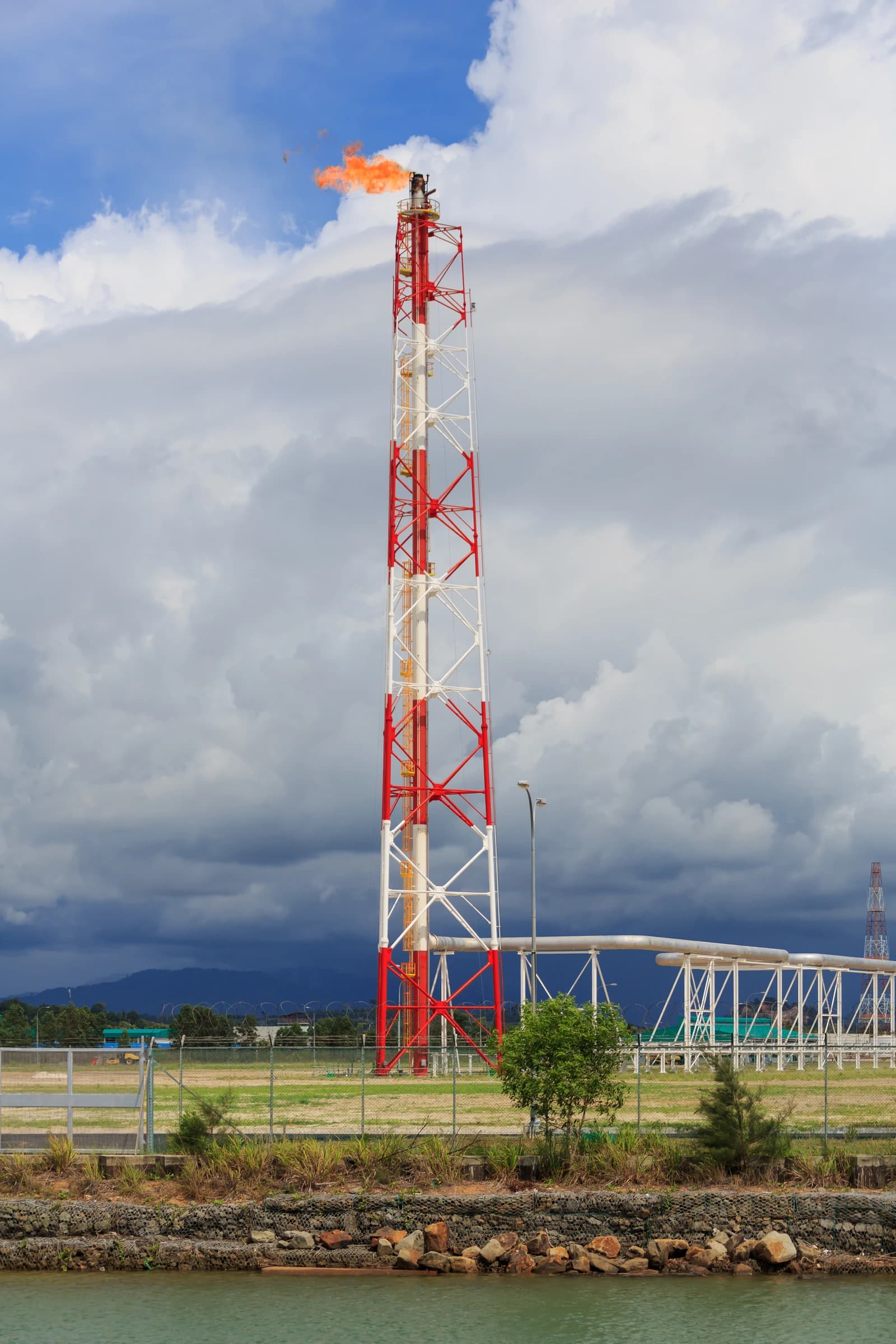
AfricaGTC is betting that carbon credits can make Nigeria’s gas-flaring problem commercially viable to fix, turning wasted associated gas into a revenue stream that could draw in investors, regulators and oilfield operators.
AfricaGTC pilot targets Nigeria gas flaring with carbon credits
The Nigerian subsidiary of Dutch clean-energy company Energy Ventures B.V. said it will pilot its FlareOut system at the Agbada-2 site near Port Harcourt, where it aims to capture gas that would otherwise be burned off, convert it into liquefied petroleum gas and supply on-site electricity. The company says carbon credit revenues are central to the economics of the model, helping offset the cost of deploying compact technology at small flaring sites that have historically been too difficult or uneconomic to tackle.
Sentiment IndicatorsⓘProprietary · adalytica.com · September 25, 2026
This is a snapshot — live sentiment, awareness and momentum for 130+ markets update continuously in the dashboard.Open AlphaPulse
That matters because Nigeria remains one of the world’s biggest gas flarers, burning an estimated 7 billion to 8 billion cubic metres of gas a year. The scale of the waste underscores a dual burden: emissions that add to climate pressure and foregone energy that could otherwise support households and industry in a country where access to cleaner cooking fuel and reliable power remains uneven. A project that can monetise avoided emissions while producing LPG has the potential to align climate policy with energy access and local economic benefits.
For investors, the attraction is not just the environmental angle but the possibility of a bankable project structure in a market where gas capture is often dismissed as too fragmented or capital-intensive. AfricaGTC and its financial adviser, Afrinvest Capital, are trying to frame FlareOut as an investable opportunity rather than a philanthropic clean-tech experiment. If the pilot works, the model could appeal to operators seeking lower-emissions production profiles, governments looking to curb flaring without large public spending, and carbon buyers searching for project-based supply in a market still tightening around verifiable reductions.
The broader narrative is that carbon markets are increasingly being used to bridge the economics of decarbonisation in hard-to-abate sectors. In this case, the carbon credit layer is what could make small-scale flare capture commercially scalable, especially if regulators and buyers accept the methodology and the credits prove credible. The bullish case is that modular systems like FlareOut can be replicated across numerous marginal sites and create a new revenue stream from stranded gas. The bear case is that carbon prices, verification standards and local execution risks prove too weak to support wide adoption.
If AfricaGTC can demonstrate reliable operations at Agbada-2, the pilot could become a template for how Nigeria and other flaring-heavy producers turn a waste problem into a climate asset. The key test will be whether the project can deliver enough operating simplicity, credit quality and commercial return to move from proof of concept to scale.
| Entity | Gains | Losses |
|---|---|---|
| AfricaGTC / Energy Ventures | ▲Project economics improve | ▼High execution risk |
| Nigerian communities | ▲LPG and power access | ▼Continued flaring if rollout stalls |
| Oil operators | ▲Lower-emissions gas monetisation | ▼Higher compliance pressure |
| Carbon credit buyers | ▲New emissions-reduction supply | ▼Methodology and verification risk |