Ghana’s Tano Basin may be one of West Africa’s most important long-term energy assets, with the state oil company saying it holds more than 1 billion barrels of oil and 2.5 trillion cubic feet of natural gas. For investors, that matters because the scale of the resource base can shape everything from future government revenue to upstream spending, refining demand and the region’s role in global fuel markets.
Ghana Tano Basin Holds 1 Billion Barrels of Oil

The headline number is not just geological trivia. A basin that large can underpin years of exploration, drilling and infrastructure investment, especially in a country trying to reduce reliance on imported fuels and build more of its energy value chain at home. That creates opportunity for producers, service companies and refiners, while giving Ghana a stronger case for attracting foreign capital into its offshore assets.
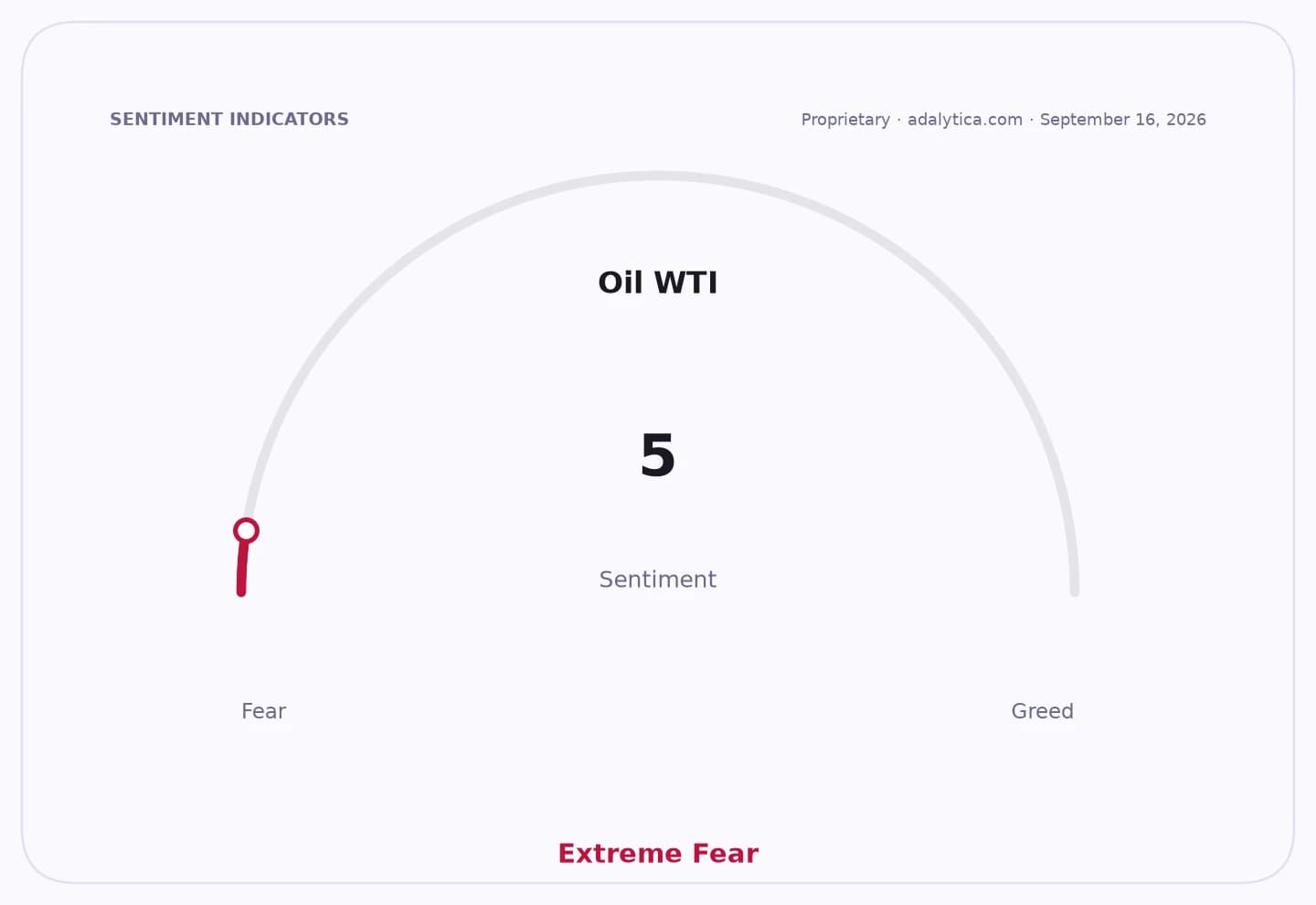
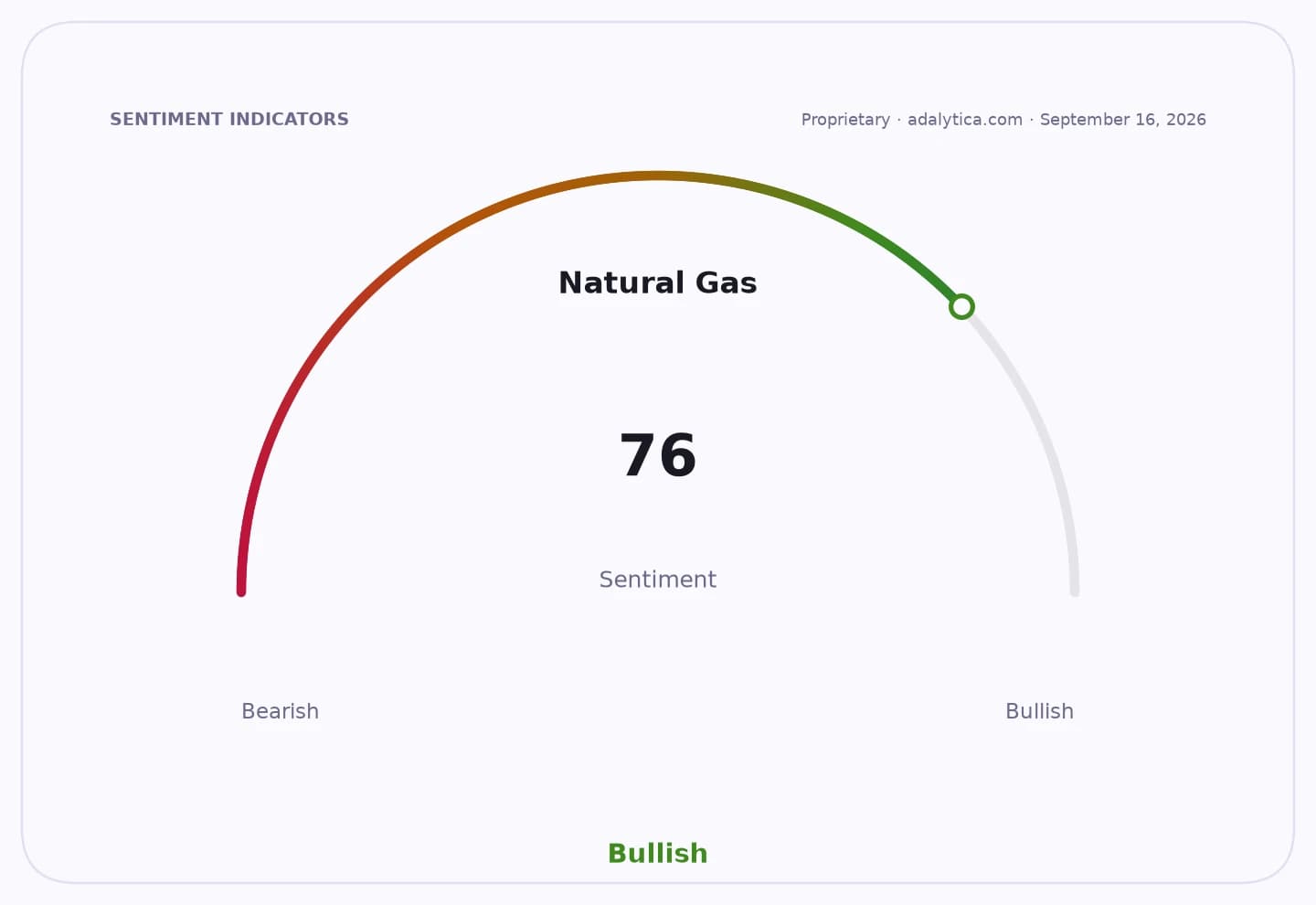
Sentiment IndicatorsⓘProprietary · adalytica.com · September 17, 2026
This is a snapshot — live sentiment, awareness and momentum for 130+ markets update continuously in the dashboard.Open AlphaPulse

West Africa’s energy story is increasingly about moving beyond discovery and into monetization. Ghana’s reserves estimate arrives as the region pushes harder on refining capacity and domestic processing, a shift that can improve trade balances and support industrial activity. It also comes at a time when oil prices remain sensitive to geopolitical risk, with conventional oil technicals showing a strong market backdrop and broad energy sentiment still leaning bullish, even after recent swings.
For investors, the key question is whether the basin’s resources can translate into sustained production, not just headline potential. That means watching for new field development, investment commitments and infrastructure build-out, all of which determine how much value actually reaches the economy and shareholders over time. In the long run, a basin of this size could help make Ghana a more relevant energy player in Africa — but only if projects progress efficiently and capital keeps flowing.
| Entity | Gains | Losses |
|---|---|---|
| Ghana | ▲Higher resource value | ▼Pressure to execute |
| GNPC | ▲Stronger negotiating leverage | ▼Higher development expectations |
| Oil producers | ▲New drilling opportunities | ▼Capital discipline risk |
| Fuel importers | ▲— | ▼Potentially less demand over time |