Saudi Arabia has restarted its East-West crude pipeline and is preparing to resume oil loadings from the Red Sea port of Yanbu, a move that would restore a strategic export route and ease pressure on global supply chains after recent disruption.
Saudi Arabia Resumes East-West Pipeline Oil Flows
The return of flows through the pipeline matters because it gives Riyadh a way to move crude to the Red Sea without relying entirely on the Strait of Hormuz, a chokepoint that has become more sensitive as regional tensions rise. For oil markets, the reopening reduces the risk of a prolonged outage at a time when traders are already pricing in geopolitical disruption across the Middle East.
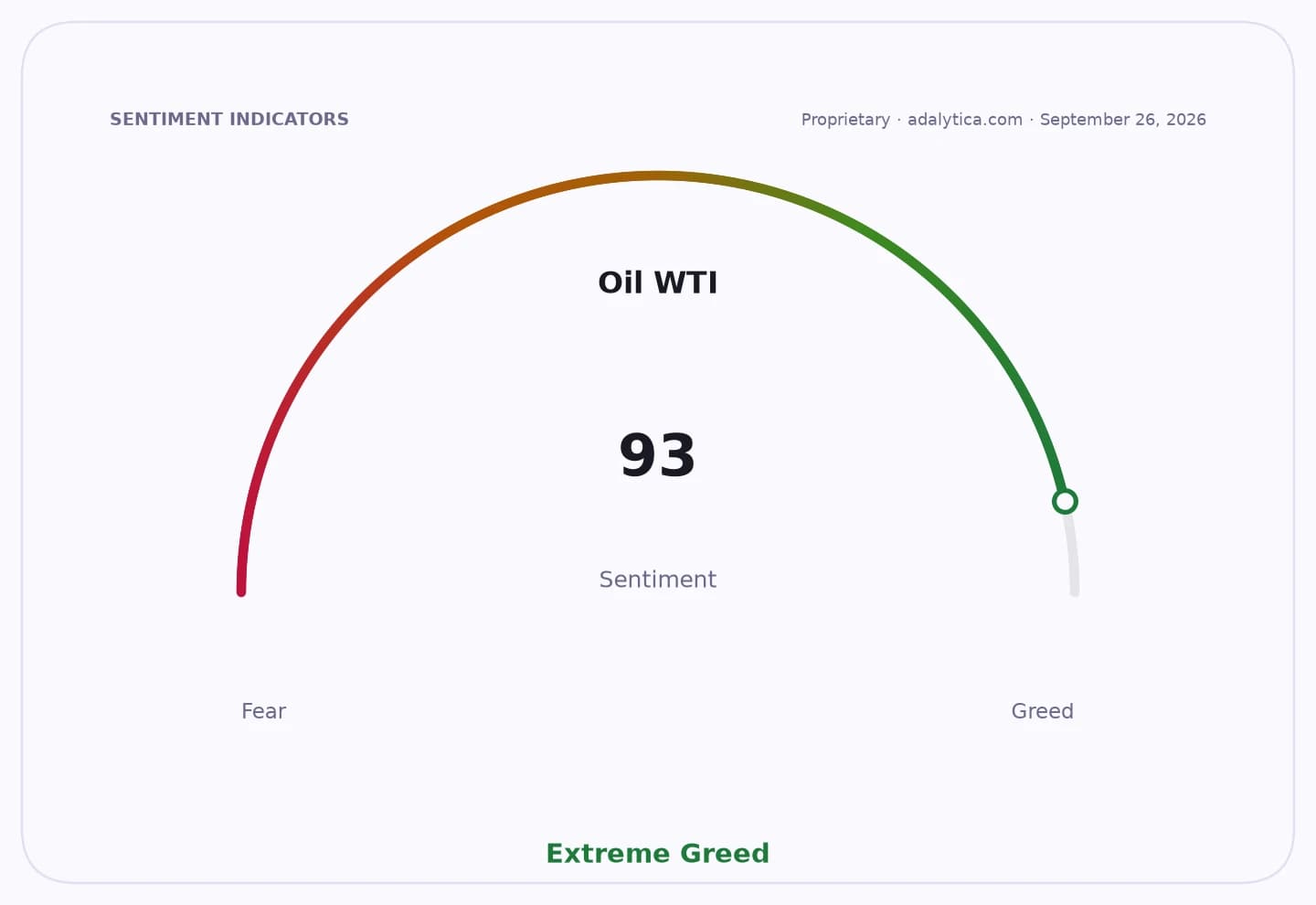
Sentiment IndicatorsⓘProprietary · adalytica.com · September 26, 2026
This is a snapshot — live sentiment, awareness and momentum for 130+ markets update continuously in the dashboard.Open AlphaPulse
Reuters cited sources saying crude flows had resumed through the line, though at low rates, and that Yanbu exports could restart later on Tuesday. Aramco had not commented. The pipeline can handle as much as 7 million barrels a day after capacity expansions, compared with a base design capacity of about 5 million barrels a day, making it one of the kingdom’s most important pieces of energy infrastructure.
The pipeline’s restart also suggests Saudi Arabia is working to rebalance export routes after the disruption, rather than leave western loadings stranded. Shipping data showed Aramco loaded 14 million barrels on seven tankers from the Ras Tanura area on Sunday, while Bloomberg said observed loadings from the Gulf jumped on the same day, the clearest sign yet that the kingdom was redirecting exports toward the Gulf and back toward the Hormuz route after the East-West line was offline.
For buyers in Asia, the immediate implication is supply reassurance. For refiners in Europe and the broader Atlantic market, the picture is more mixed: a fuller resumption at Yanbu could restore barrels to the Red Sea basin and improve route optionality, but Saudi Arabia’s ability to pivot cargoes also underlines how quickly regional logistics can change under geopolitical stress.
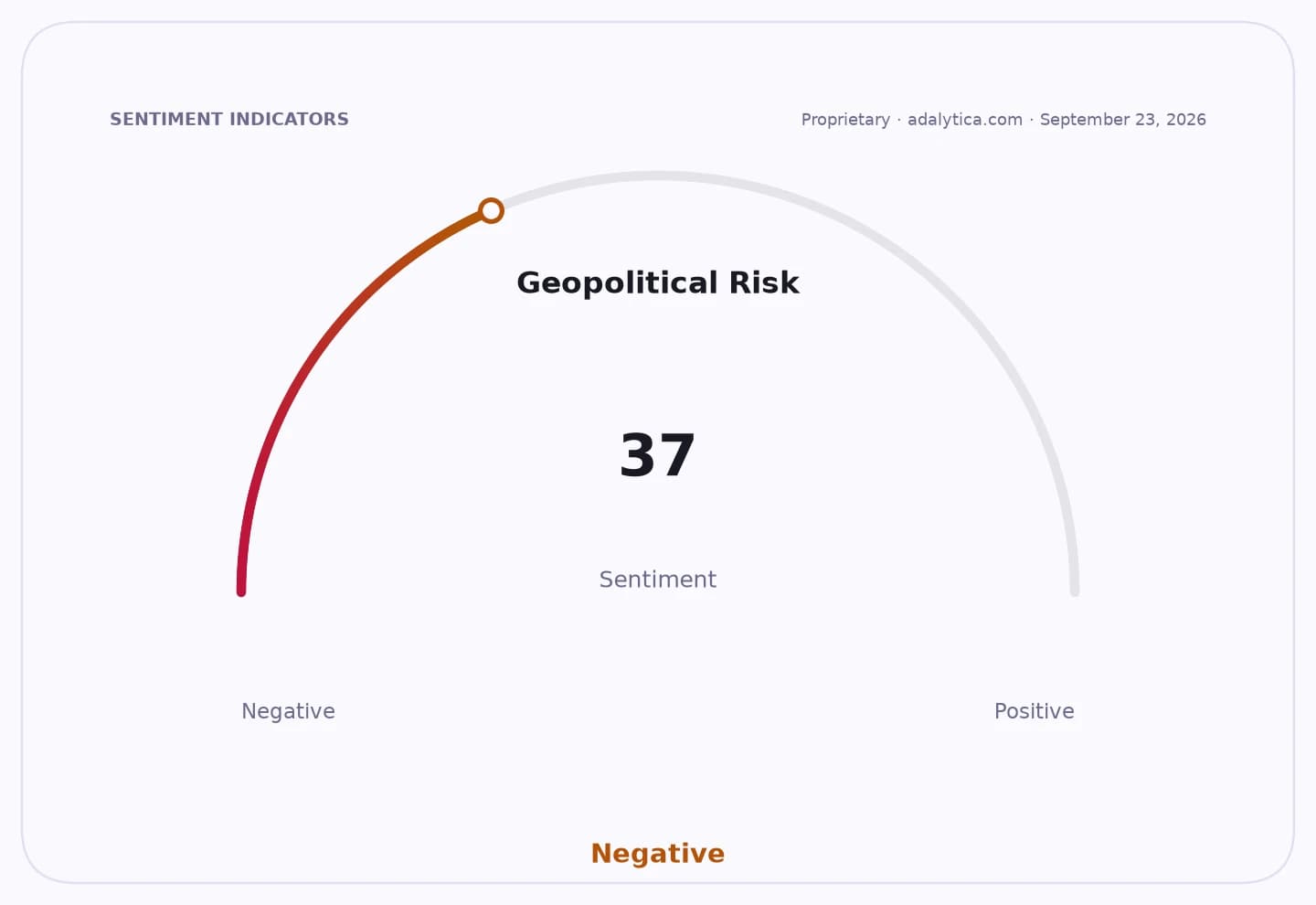
The market backdrop already shows how sensitive energy prices are to any sign of supply fragility. Adalytica’s Oil WTI Trade Signals snapshot showed extreme greed, while the global stability gauge remained in extreme fear, highlighting the gap between bullish oil sentiment and broader geopolitical anxiety. That combination tends to support near-term volatility rather than a clean directional move.
Investors will watch whether Aramco returns loadings to normal rates, how quickly the East-West pipeline runs at higher throughput, and whether the kingdom keeps steering more crude toward Asia. If the restart holds, it would lower the premium associated with a supply shock from Saudi infrastructure. If repairs falter or regional attacks intensify, the market could quickly reprice the same barrels as scarce again.
| Entity | Gains | Losses |
|---|---|---|
| Saudi Arabia | ▲Export flexibility | ▼Outage risk |
| Asian refiners | ▲Supply reliability | ▼Less bargaining power |
| European refiners | ▲Possible Red Sea barrels | ▼Dependence on rerouting |
| Oil bears | ▲Shorter outage premium | ▼Lower disruption upside |