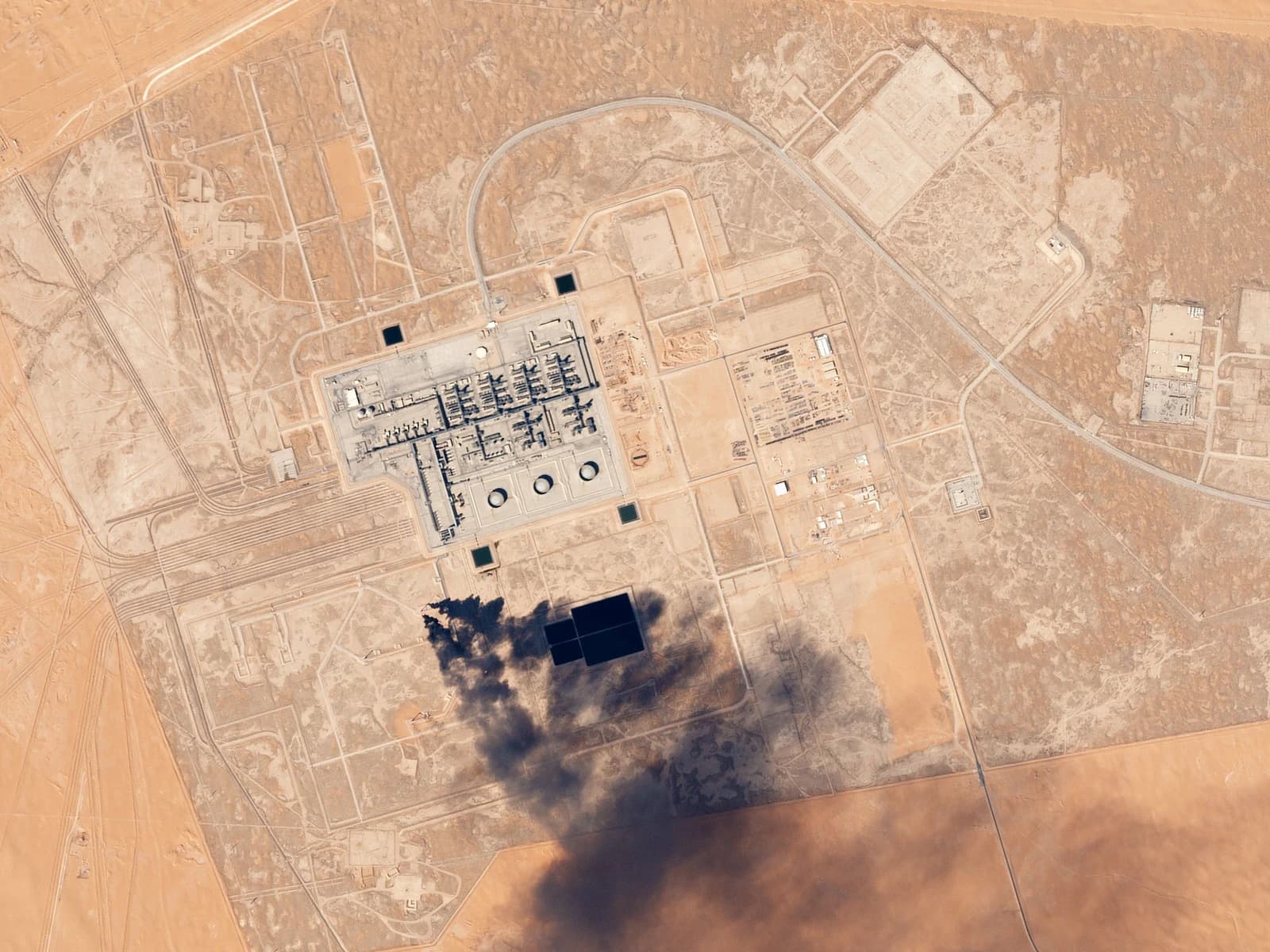
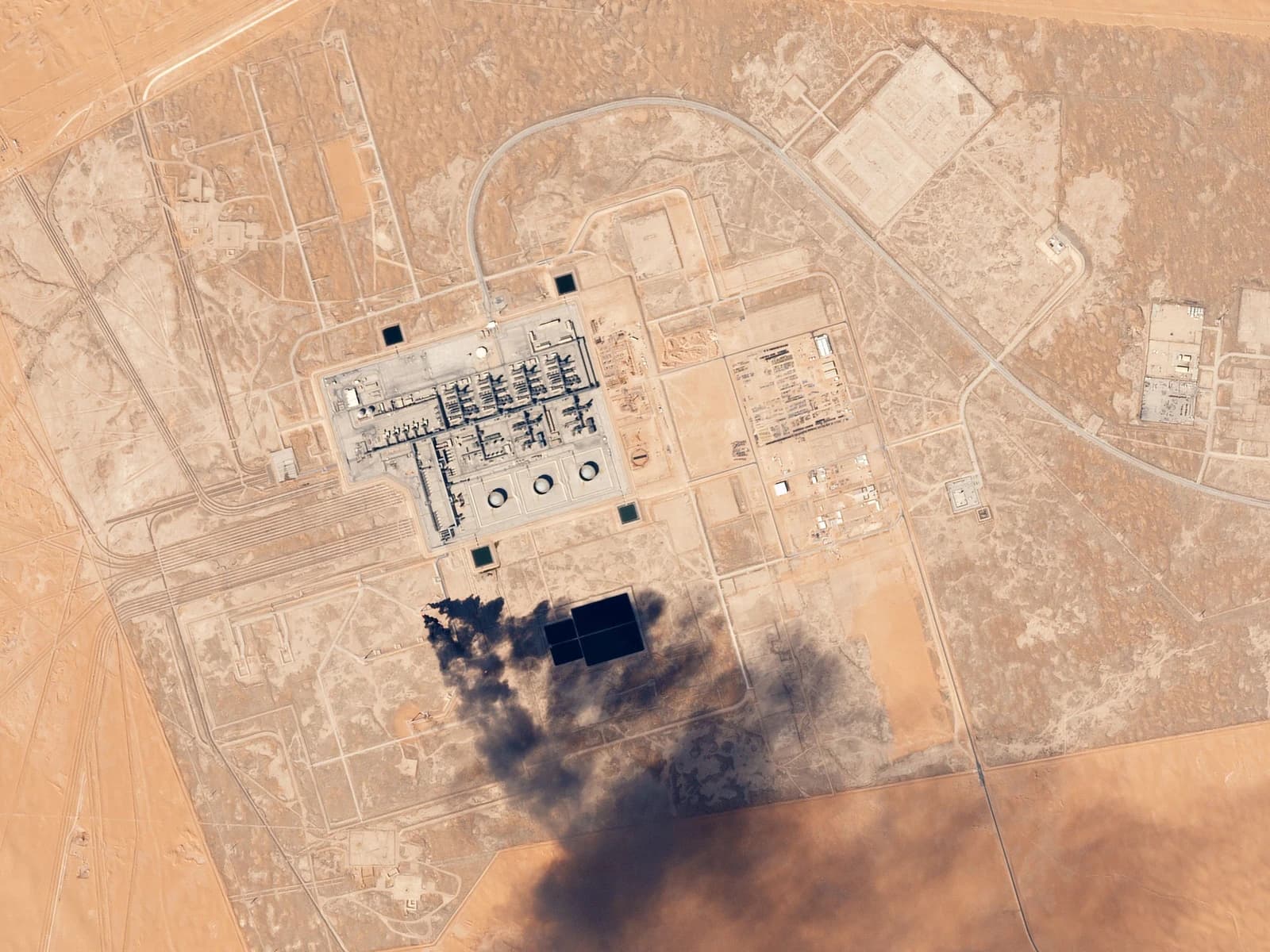
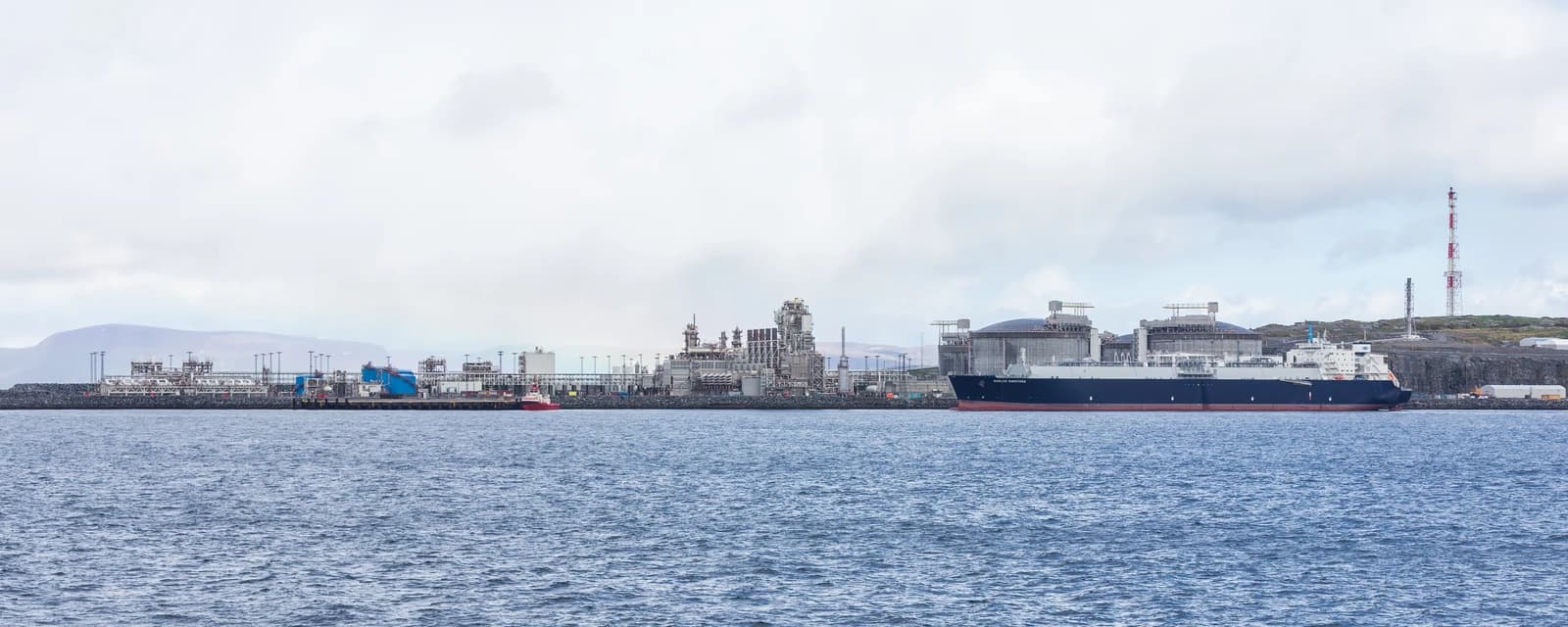
Saudi Aramco’s plan to reorganize around a dedicated gas division matters because it shows the world’s biggest oil exporter is trying to turn natural gas into a standalone growth business that can attract capital, support future listings and help fund Saudi Arabia’s wider economic shift.
Saudi Aramco plans dedicated gas division
For investors, that is more important than a simple restructuring headline. Aramco is signaling that it wants to monetise parts of its gas portfolio the same way Gulf peers have used stakes in pipelines, drilling assets and gas units to raise cash without giving up control of their crown-jewel oil businesses. In other words, the kingdom is not just squeezing more value out of hydrocarbons; it is trying to make its energy empire more flexible, more investable and less dependent on crude.
Sentiment IndicatorsⓘProprietary · adalytica.com · September 27, 2026
This is a snapshot — live sentiment, awareness and momentum for 130+ markets update continuously in the dashboard.Open AlphaPulse
The logic is straightforward. Gas is becoming a bigger strategic priority as domestic demand rises and LNG grows into a global trade. A dedicated unit would give Aramco a clearer platform to expand at home and abroad, and potentially prepare parts of the business for a future listing. That could be attractive in a capital-intensive industry where funding new reserves, processing plants and export infrastructure often requires more balance-sheet firepower than even a giant like Aramco wants to deploy alone.
The move also fits a broader pattern across the Gulf. Abu Dhabi’s ADNOC has already carved out and listed pieces of its gas, drilling and fuel businesses, while Aramco itself has used public and quasi-public market structures before, including SABIC and infrastructure monetisations. For Saudi Arabia, those transactions are not just financial engineering. They are part of a long-term effort to diversify the economy, recycle assets into new investment and keep the national champion competitive as energy markets evolve.
Aramco’s shares, meanwhile, have been trading above both their 50-day and 200-day moving averages, with momentum indicators broadly constructive, suggesting investors have not lost faith in the company’s cash-generating power even as the strategic backdrop shifts. Exxon Mobil and Shell have also benefited from persistent investor interest in large-scale energy names, but Aramco’s combination of state backing, balance-sheet strength and optionality around gas gives it a different kind of appeal: a utility-like earnings base with embedded growth from LNG and asset sales.
The risk is execution. A reorganization does not guarantee a successful listing, and any future sale will depend on valuation, market appetite and how much control Riyadh wants to keep. There is also the bigger question of whether the company can expand gas quickly enough to offset volatility in oil, geopolitics and export routes. But for long-term investors, the direction is encouraging: Aramco appears to be building a second pillar that could deepen earnings resilience over the next decade.
If the plan advances, the key takeaway is that Aramco is no longer just an oil story. It is becoming a broader energy and capital-allocation story, and that makes it worth watching closely as a possible source of future value creation.
| Entity | Gains | Losses |
|---|---|---|
| Saudi Aramco | ▲New capital options | ▼Near-term restructuring risk |
| Saudi Arabia | ▲Progress on diversification | ▼Less reliance on crude cash flow |
| LNG/gas investors | ▲More investable exposure | ▼Listing timing uncertainty |
| Incumbent crude-focused rivals | ▲None | ▼Relative strategic momentum |