Exxon Mobil’s decision to lift its 2030 LNG sales target to 50 million metric tons a year is the clearest sign yet that the company wants liquefied natural gas to become one of its most important growth engines, even as the market remains exposed to geopolitics, outages and volatile prices.
Exxon Mobil raises 2030 LNG sales target to 50 mt
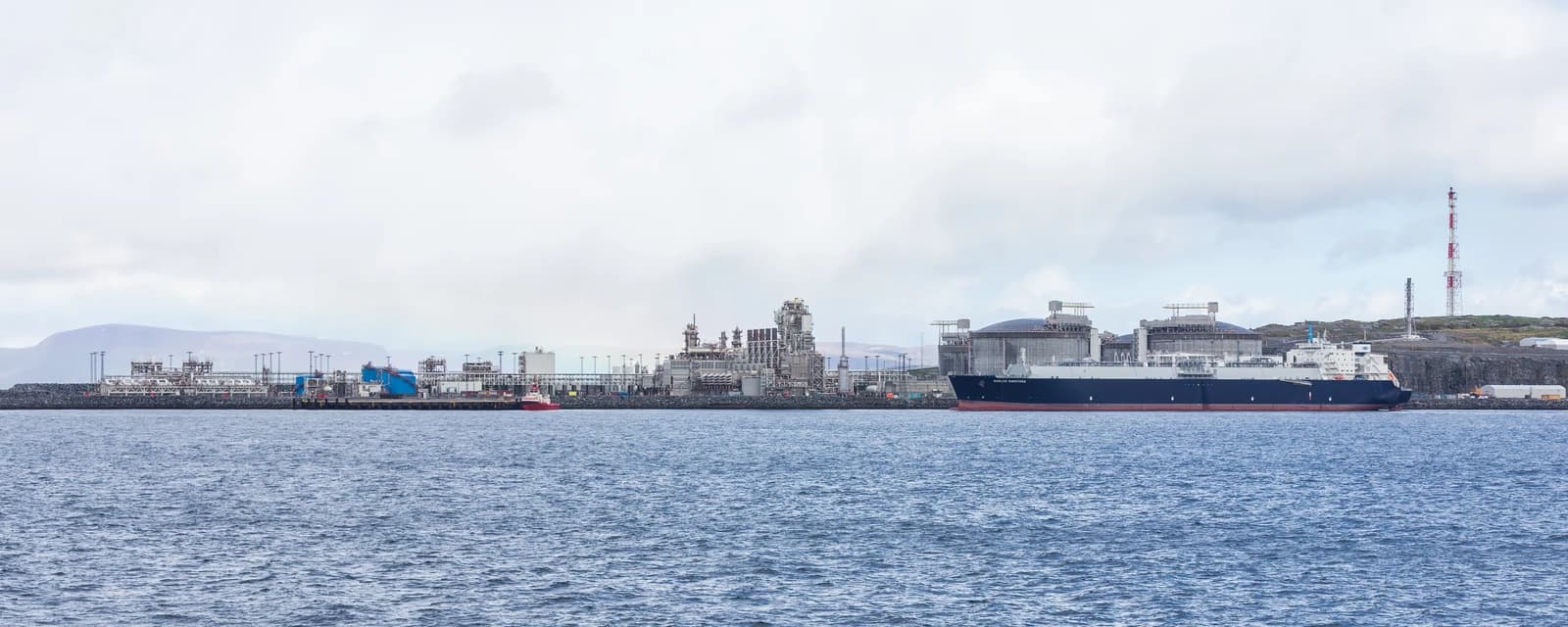
The new goal, up from 40 million tons, implies Exxon wants to roughly double its LNG business from current levels and lift its share of a global market that Shell estimated at 422 million tons in 2025 to about 10% by 2030. That is a meaningful ambition in a sector where scale, long-term contracts and access to low-cost feedgas tend to decide who captures the value.
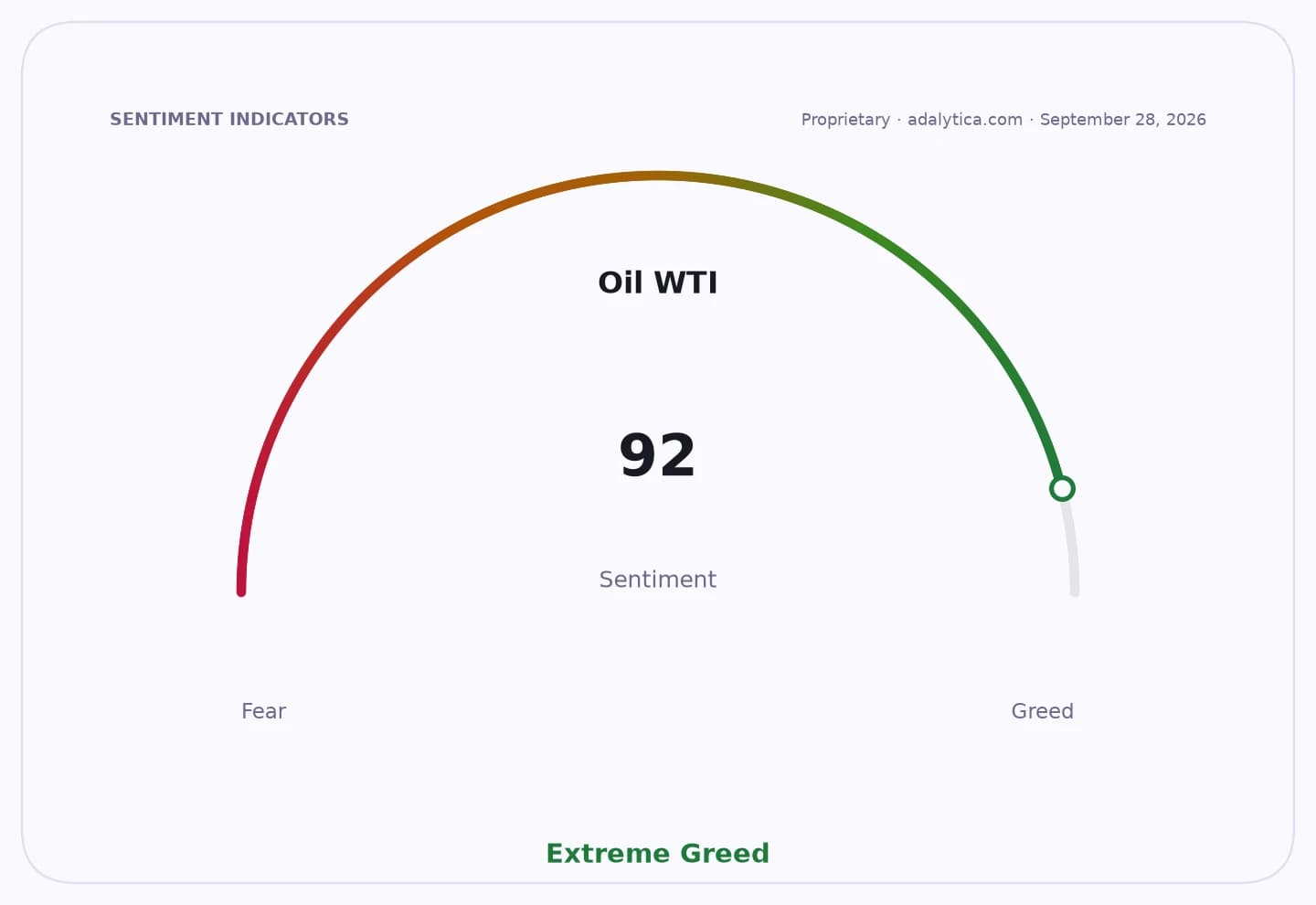
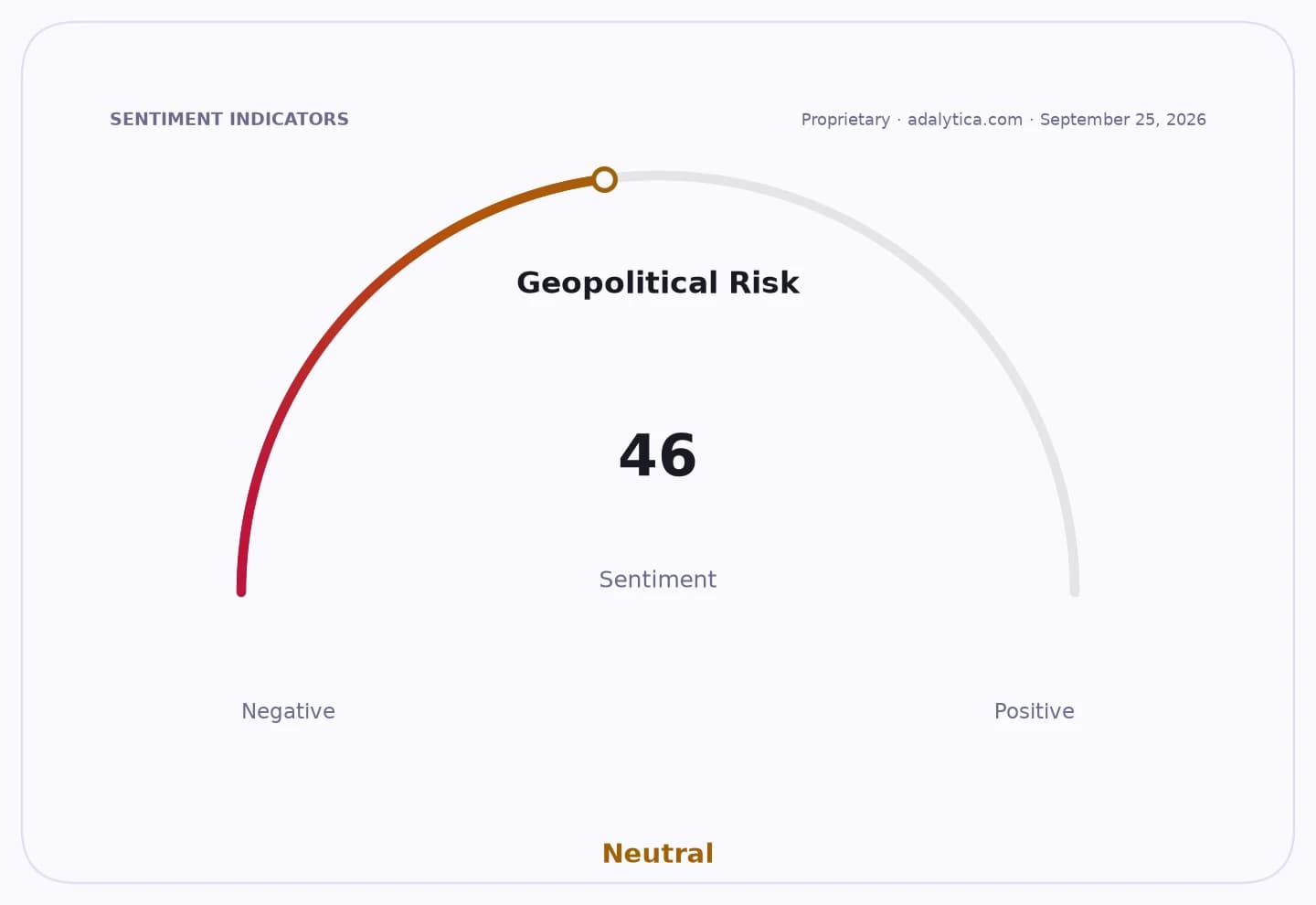
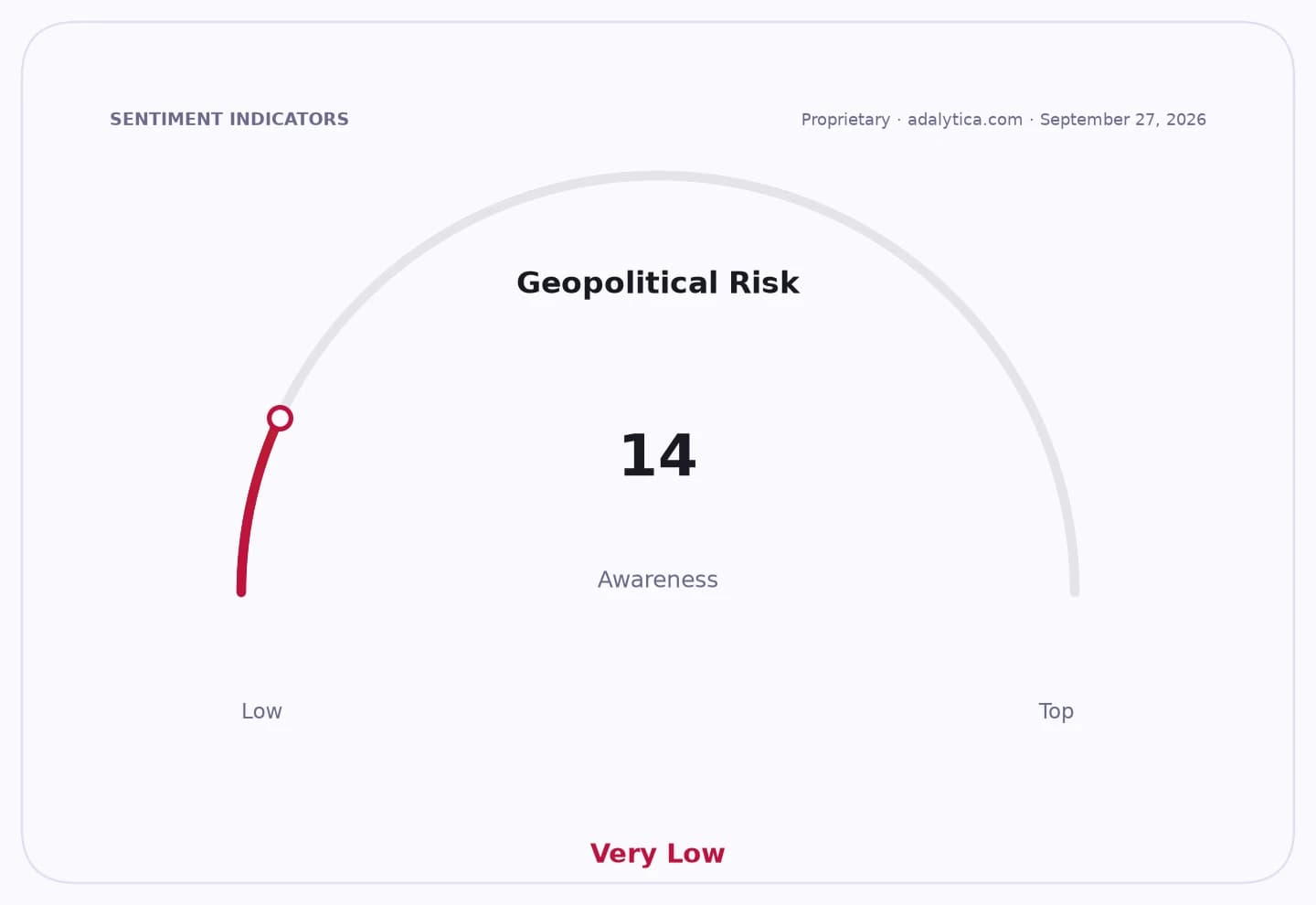
Sentiment IndicatorsⓘProprietary · adalytica.com · September 27, 2026
This is a snapshot — live sentiment, awareness and momentum for 130+ markets update continuously in the dashboard.Open AlphaPulse
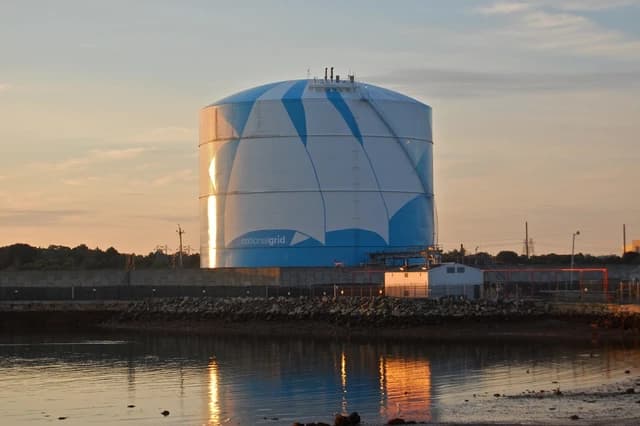
For investors, the target matters because LNG is not just another commodity line item for Exxon. It is one of three core upstream growth pillars, alongside the Permian Basin and Guyana, that underpin the company’s 2030 earnings and cash-flow plans. Exxon has said it aims to add $25 billion in earnings growth and $35 billion in cash flow by the end of the decade, and a larger LNG franchise would help diversify that growth away from oil alone.
The market backdrop is mixed. Global LNG demand is expected to keep rising over the long term, with Exxon seeing it reach 500 million tons by 2030 and double by 2050. Shell, which has a much larger LNG position, sees global demand growing about 65% by 2050 to nearly 700 million tons. But near-term supply has been jolted by the closure of the Strait of Hormuz, damage to two Exxon minority-owned trains in Qatar from Iranian attacks, and a sharp decline in LNG prices in recent months. That makes the sector attractive strategically, but less forgiving operationally.
Exxon already has a broad LNG portfolio spanning Golden Pass in the United States, PNG LNG and Papua LNG in Papua New Guinea, Coral South in Mozambique, Gorgan LNG in Australia and North Field East in Qatar. Golden Pass began production earlier this year and is expected to reach full capacity next year, while the Qatar North Field expansion remains a major growth project. The company also has Papua New Guinea and Mozambique developments that are likely to come after 2030, which raises the key question: how exactly does Exxon get from 40 million tons to 50 million tons without announcing a new project?
That gap is what investors should watch. The higher target suggests Exxon may be counting on faster ramp-ups at existing assets, additional capacity additions, or acquisitions of LNG volumes and infrastructure. Any of those routes would require capital, execution and, in some cases, geopolitical stability. Qatar and Mozambique remain especially relevant because they are among the few basins capable of delivering large volumes into the market at scale.
The bull case is that Exxon is positioning itself early for a market that remains structurally short of reliable gas supply, especially in Asia, where LNG demand should continue to grow as countries seek lower-emission alternatives to coal. The bear case is that the company is raising the bar before the project slate is fully visible, leaving execution risk to do the heavy lifting. If LNG prices stay weak or projects slip, the target becomes more aspirational than financial.
Even so, the move reinforces Exxon’s message that LNG is no side bet. For energy investors, the new 50 million ton goal signals that the company sees gas as a long-duration growth business capable of supporting cash returns, not just a transition fuel. The next catalyst is whether Exxon lays out the specific project, capacity or acquisition path that can make the target credible.
| Entity | Gains | Losses |
|---|---|---|
| Exxon Mobil | ▲Bigger LNG scale and cash flow potential | ▼Higher execution and capital risk |
| LNG buyers in Asia | ▲More supply security over time | ▼Less leverage if Exxon pricing power rises |
| QatarEnergy / project partners | ▲Greater project relevance and throughput | ▼Repair and outage disruption risk |
| Rival LNG sellers | ▲Stronger overall market demand support | ▼Share and margin pressure from Exxon expansion |