ExxonMobil is considering a return to Venezuela, a move that would mark one of the biggest reversals in the oil major’s decades-long fight with the country and could reopen access to some of the world’s largest crude reserves.
ExxonMobil Considers Return to Venezuela Oil Fields

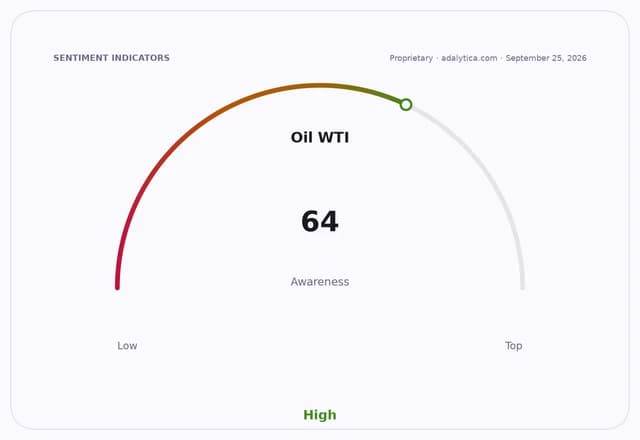
The talks with state oil company PDVSA center on developed and undeveloped fields in the Orinoco Belt, including Petromonagas and Petrovictoria, assets Exxon once operated before they were nationalized in 2007. For investors, the significance is less about a symbolic homecoming than about whether Exxon can turn Venezuela’s vast heavy-oil base into new long-life production after years of relying on shale, Guyana and other lower-risk growth engines.
The bet comes as Caracas is actively trying to rebuild credibility with foreign oil companies after years of isolation and sanctions. Reports of a broader opening have been gathering pace, including a development-rights contract with a U.S. partner and a separate agreement with TotalEnergies, suggesting Venezuela is trying to position itself again as a destination for international capital rather than a political outcast.
That could matter for global oil balances if the thaw lasts. Venezuela holds the world’s largest proven crude reserves, but its output has been crippled by underinvestment, sanctions and collapsing infrastructure. Bringing back a supermajor such as Exxon would not quickly restore barrels, but it could help finance field redevelopment, improve recovery rates and signal to other producers that the country is once again negotiable.
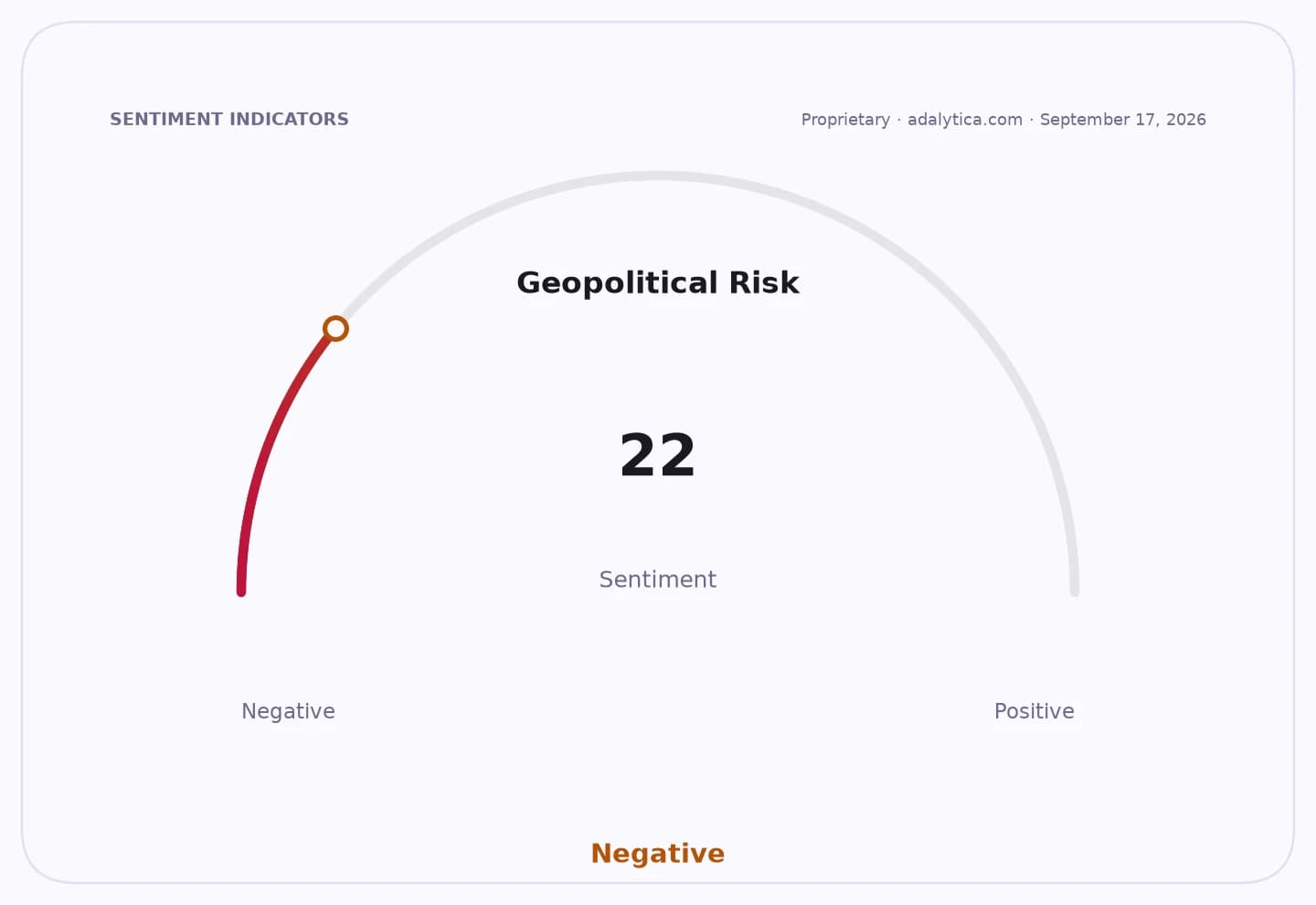
The opportunity comes with familiar political risk. Exxon’s assets were nationalized twice before, and the company itself called Venezuela “uninvestable” in January. Any new capital would likely require years of investment before meaningful returns, leaving Exxon exposed to policy swings in both Caracas and Washington, including the possibility that a future U.S. administration reverses course on engagement.
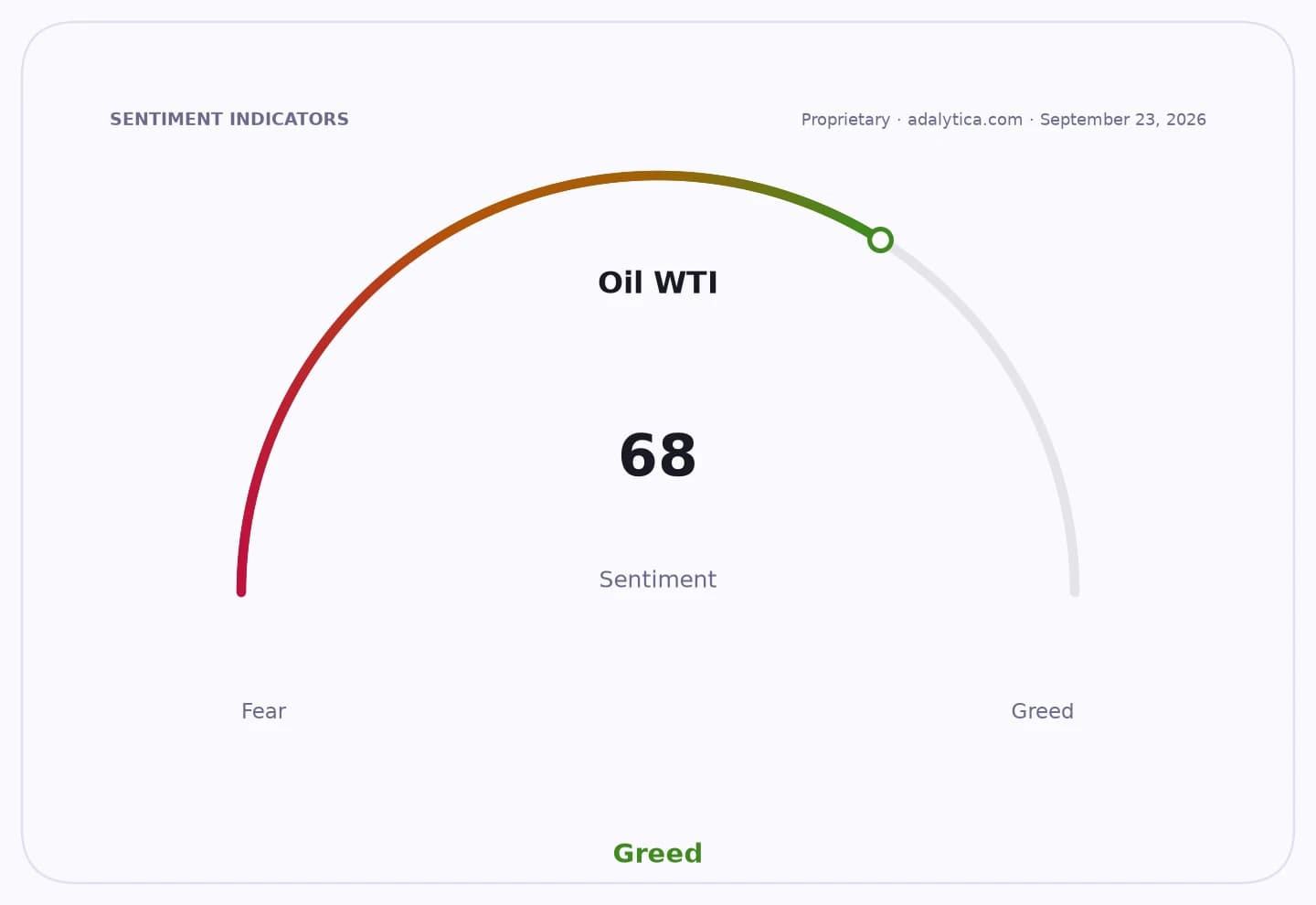
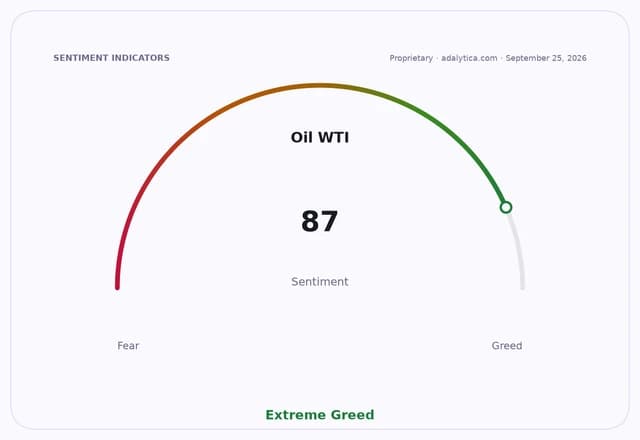
Chevron’s long-standing presence in the country gives it a clear first-mover advantage, and Exxon would be entering a market where legal, logistical and sanctions hurdles remain steep. Still, the possibility of a return underscores how the combination of high oil prices, Venezuela’s need for capital and renewed geopolitical maneuvering is drawing big producers back to a basin they once abandoned.
For Exxon, the next catalyst is whether negotiations with PDVSA harden into terms that protect capital and guarantee export access. For shareholders, the key question is whether the world’s most politically risky oil province can finally deliver the kind of reserve base that justifies the cost of going back.
| Entity | Gains | Losses |
|---|---|---|
| ExxonMobil | ▲Access to giant reserves | ▼Political and expropriation risk |
| PDVSA/Venezuela | ▲Foreign capital and expertise | ▼More leverage over assets |
| Chevron | ▲Validates long-term Venezuela presence | ▼New competition for fields |
| U.S. consumers | ▲Potential future supply growth | ▼Near-term uncertainty from negotiations |