Oil India Ltd is preparing a dual-track expansion that could reshape the state-run explorer’s growth profile: about 15,000 crore rupees over the next three years for offshore deep and ultra-deepwater exploration, and a nationwide push into compressed biogas with 25 plants.
Oil India Plans Offshore and CBG Expansion
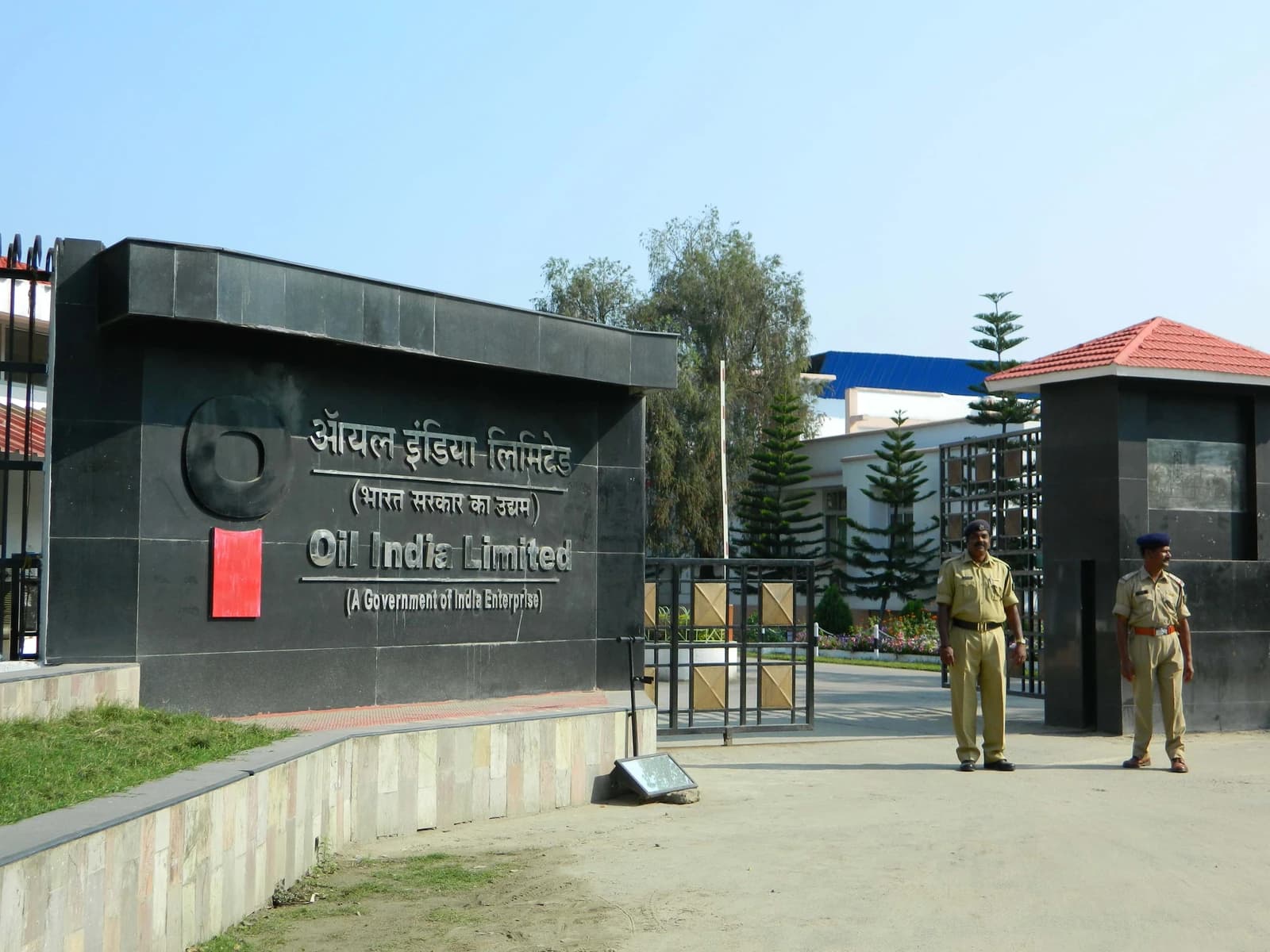
The immediate economic significance is that Oil India is no longer treating green fuels as a side project. By committing to compressed biogas, waste-to-energy and other low-carbon ventures through its OIL Green Energy unit, the company is trying to build a second earnings engine while retaining its core oil and gas ambitions. That matters in a country that still relies heavily on imported energy, but is also under pressure to expand cleaner domestic fuel supply and reduce urban waste.
At the same time, the upstream spending plan shows Oil India is still betting on hydrocarbons as the main source of cash flow. Its offshore portfolio already stretches across the Andaman, Krishna-Godavari, Mahanadi and Kerala-Konkkan basins, including ultra-deepwater blocks where drilling can go beyond 6,000 metres. Such projects are capital intensive, technically risky and slow to monetize, but they also carry the possibility of adding reserves at a time when mature fields are under pressure.
For investors, the story is about capital allocation and execution. The bull case is that Oil India can use strong legacy energy cash flows to fund cleaner businesses and build a more diversified utility-like platform over time. The bear case is that the company could be stretching itself across two expensive agendas at once, with offshore exploration exposing it to geological risk and the biogas buildout facing feedstock, permitting and commissioning challenges.
The CBG plan is the most visible part of the green push. Oil India said 25 plants are being planned, with each project requiring roughly 150 crore to 180 crore rupees of investment. Two units are being advanced in Delhi, where the feedstock will be municipal waste under an agreement with the civic body, while other plants are planned in Odisha, Assam and Haryana. That gives the company an entry point into a market that could benefit from policy support, municipal waste contracts and rising demand for cleaner transport fuel.
The broader narrative is that India’s upstream oil champions are being pushed to evolve. They are still expected to drill, explore and replace reserves, but they are increasingly being asked to participate in the energy transition too. Oil India’s strategy suggests the state’s energy firms may become hybrid businesses: part fossil-fuel producer, part clean-fuel developer, with returns depending on whether they can execute both profitably.
The share price reaction, with the stock trading around 474 rupees after earlier gains, suggests investors are still waiting for proof that the expansion can translate into earnings rather than just ambition. The next catalysts will be project milestones, commissioning timelines for the biogas plants and progress on offshore discoveries.
| Entity | Gains | Losses |
|---|---|---|
| Oil India | ▲New growth avenues | ▼Higher capital burden |
| Clean-energy unit OGEL | ▲Project pipeline | ▼Execution risk |
| Municipalities and waste suppliers | ▲New offtake contracts | ▼More feedstock pressure |
| Traditional oil investors | ▲Reserve upside | ▼Capital diverted to green projects |