Gas prices in Europe have climbed to their highest level since early 2023, prompting a race among consumers to secure fixed tariffs before suppliers reprice contracts higher in the coming weeks.
Europe Gas Prices Hit Highest Since Early 2023
The move matters because household and small-business energy bills remain one of the quickest transmission channels from commodity markets into inflation, disposable income and winter consumption. After the shock of the 2022 energy crisis, even a smaller resurgence in gas prices can tighten budgets, test utility pricing models and revive memories of how quickly wholesale volatility can feed through to retail customers.
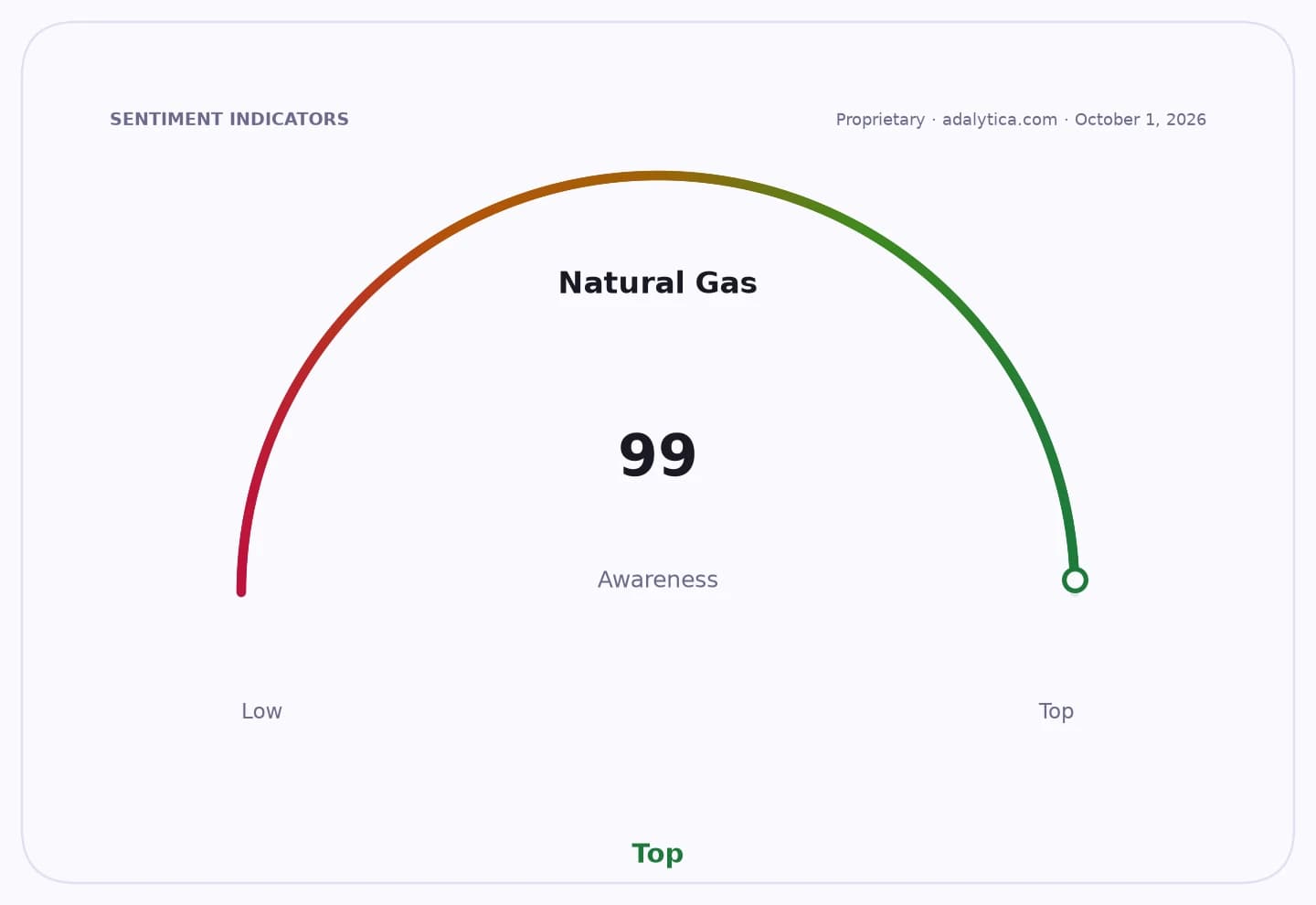
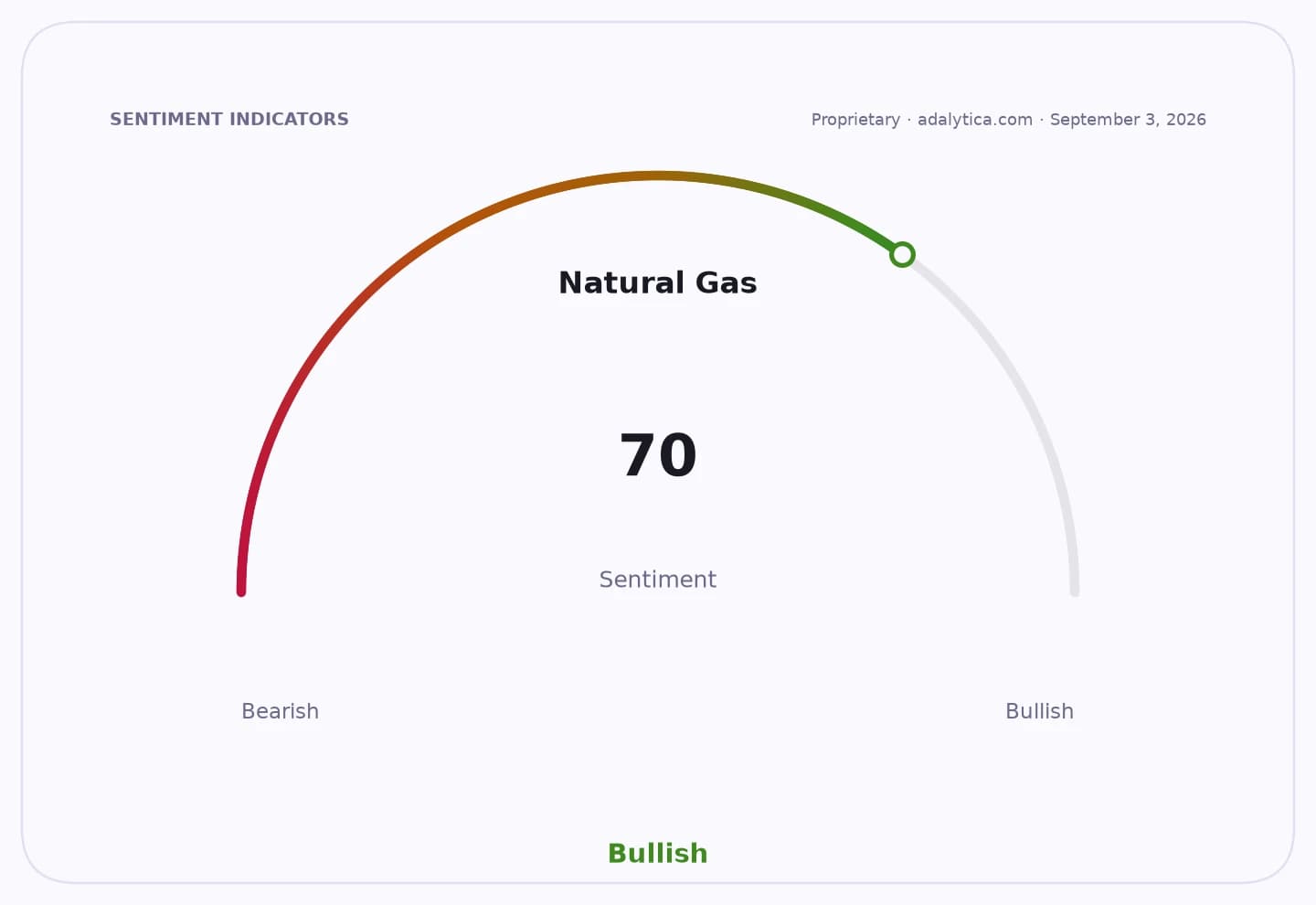
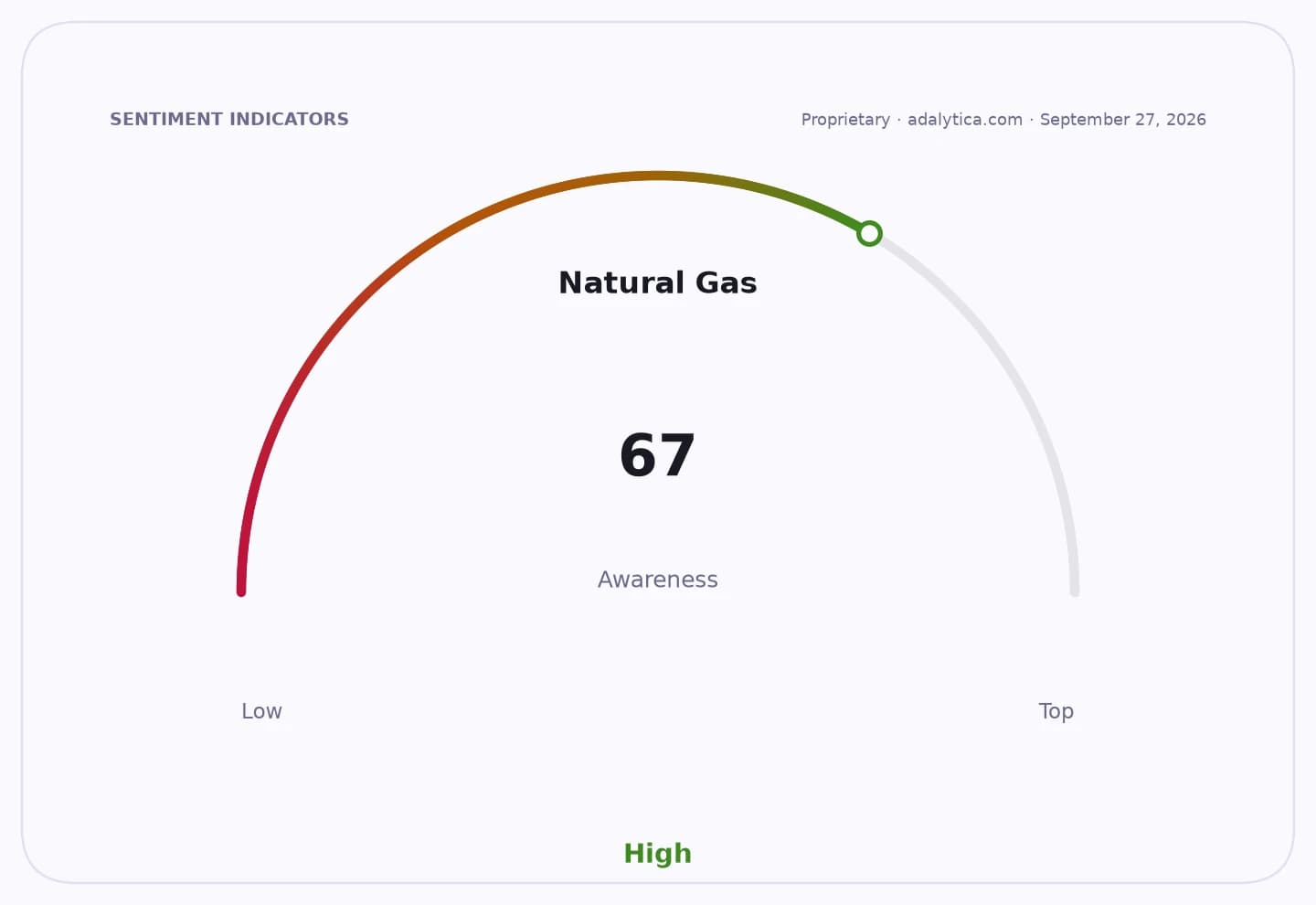
Sentiment IndicatorsⓘProprietary · adalytica.com · October 3, 2026
This is a snapshot — live sentiment, awareness and momentum for 130+ markets update continuously in the dashboard.Open AlphaPulse
For investors, the key issue is not just the spot price itself but the widening gap between wholesale market swings and the fixed-price offers that many European suppliers use to attract customers. If more providers follow the current move higher, consumers who delay could face more expensive long-term contracts, while utilities and energy retailers may get a short-term margin lift if they can reprice faster than rivals. The flip side is demand risk: higher tariffs can curb consumption and increase customer churn.
The latest market backdrop is consistent with that risk-return tension. In the U.S., natural gas-linked UNG has been volatile, with its latest close at $10.47, above its 50-day moving average of $10.28 but still below its 200-day average of $11.36, a sign of a market that has recovered from weakness without yet establishing a decisive uptrend. Cheniere Energy, which benefits from stronger LNG demand, closed at $269.95, also below its 50-day average of $271.97, while Enbridge ended at $45.97, beneath both its 50-day and 200-day averages, reflecting a more cautious tone around energy-linked equities.
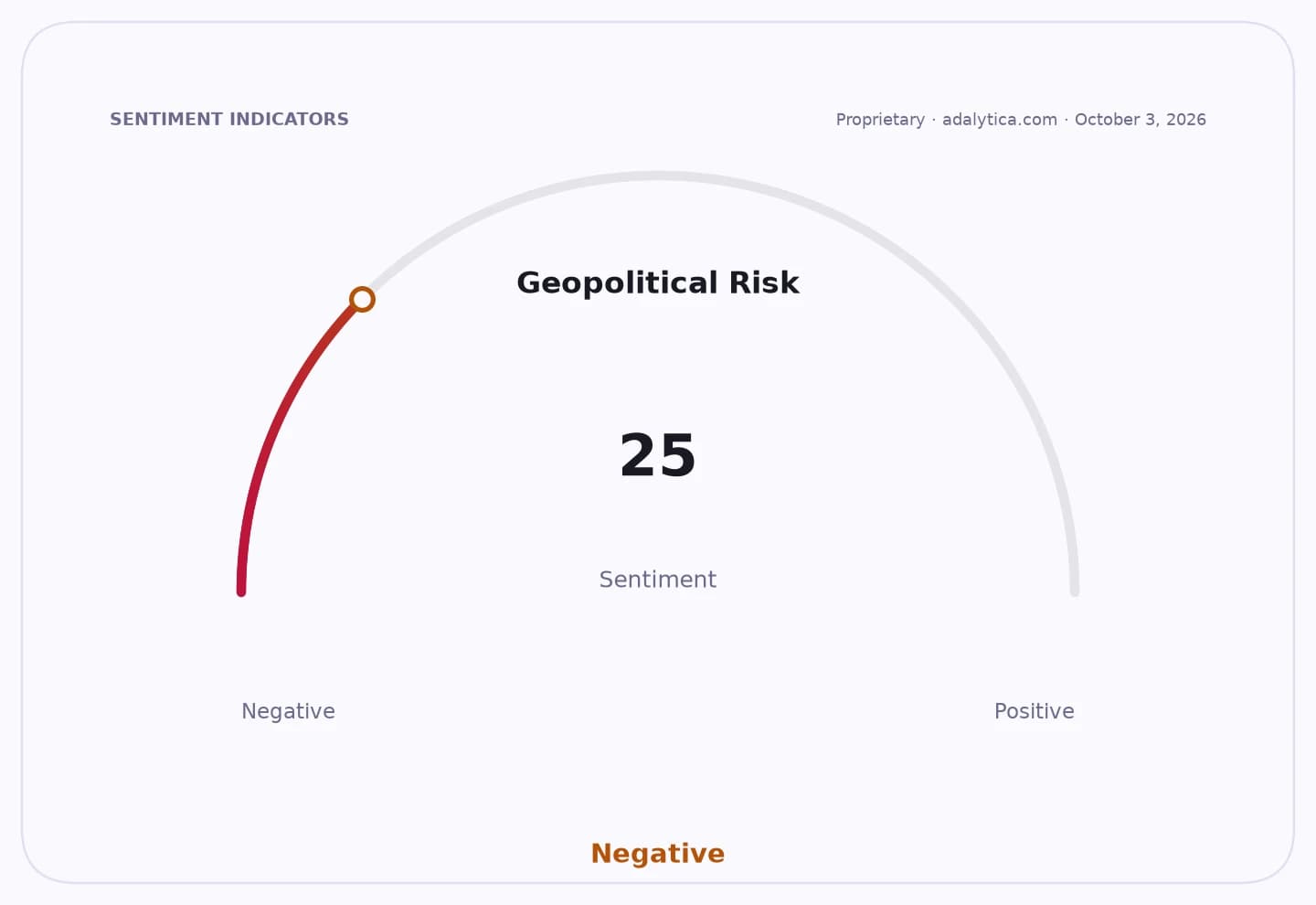
At the same time, Adalytica’s natural gas market trade signals show sentiment at 77, labeled “Greed,” after a 66-point rise over seven days, suggesting traders have become more aggressive just as the broader global stability gauge fell to 25, or “Fear.” That combination points to a market where energy anxiety is rising even as positioning becomes crowded.
The immediate narrative in Europe is straightforward: higher global gas prices are filtering into retail offers, and consumers are being pushed to act early if they want to protect themselves from the next round of tariff increases. For investors, the next question is whether the latest price move proves temporary or marks the start of a broader winter repricing cycle across European utilities, suppliers and gas-linked equities.
| Entity | Gains | Losses |
|---|---|---|
| Energy retailers | ▲Higher tariff repricing | ▼Customer backlash |
| Fixed-rate consumers | ▲Early price lock-in | ▼Higher bills if they wait |
| Gas producers/LNG exporters | ▲Stronger pricing power | ▼Demand destruction risk |
| European households | ▲Budget certainty if hedged | ▼Rising winter costs |