Oil prices fell about 4% as a worsening demand outlook collided with a rise in OPEC output, a reminder that crude markets can turn quickly when supply is rising just as the world is rethinking consumption.
Oil Falls on Demand Worries and Higher OPEC Output
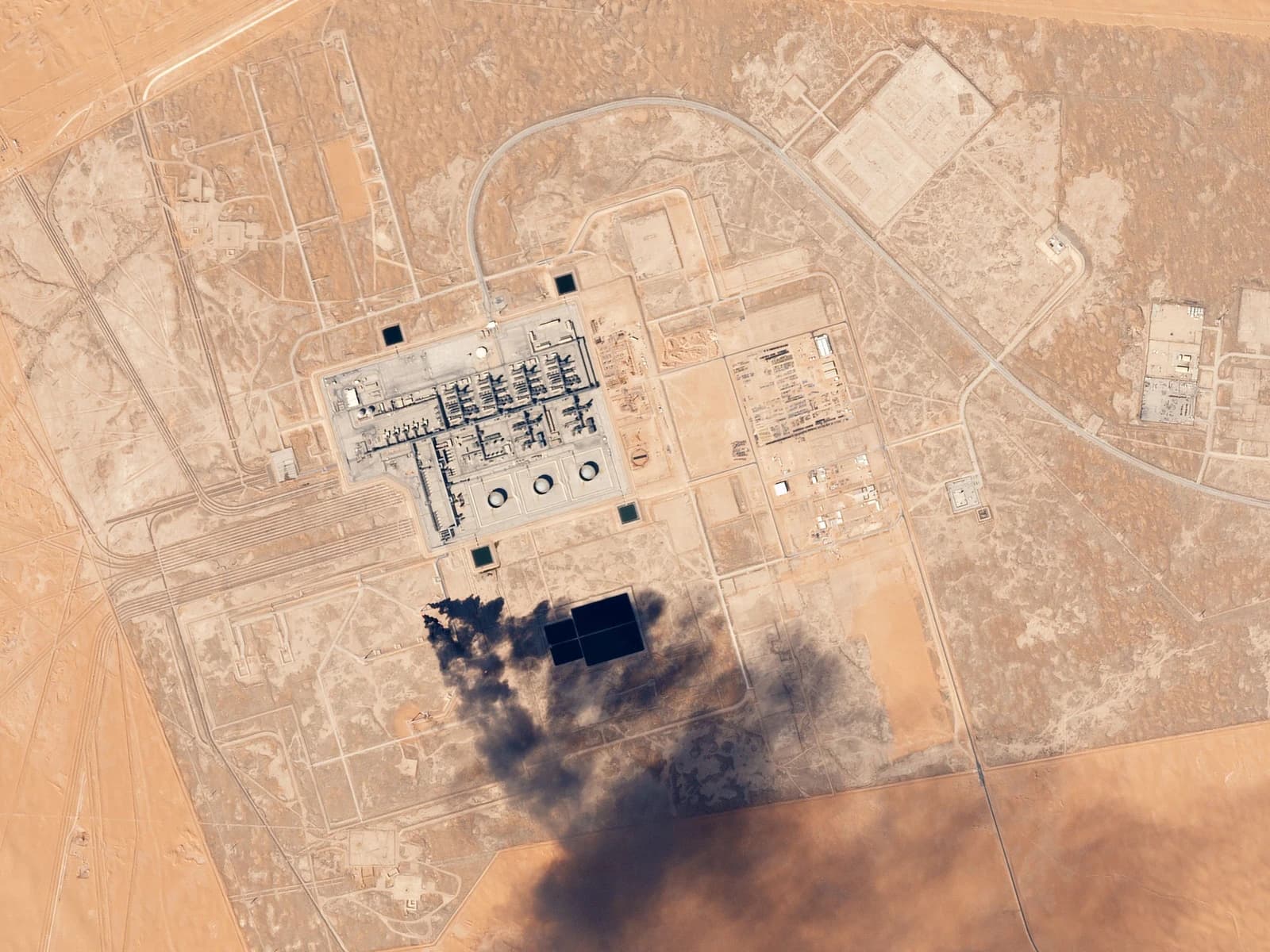
For investors, that matters because oil is still the price that ties together inflation, airline fuel bills, chemical margins, transportation costs and the earnings power of energy producers. When crude weakens on both demand and supply pressure, it can ease near-term cost pressures for consumers and large fuel users, but it also squeezes cash flow expectations across the oil patch.
Sentiment IndicatorsⓘProprietary · adalytica.com · October 3, 2026
This is a snapshot — live sentiment, awareness and momentum for 130+ markets update continuously in the dashboard.Open AlphaPulse
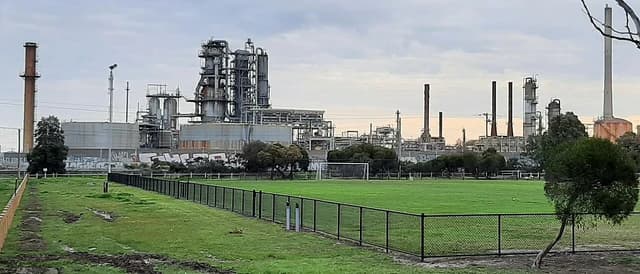
The drop came as rising coronavirus cases around the world clouded the outlook for fuel use, while higher OPEC production last month added barrels to a market already questioning how quickly demand would recover. That combination tends to weigh on benchmark prices first, then ripple into energy stocks, drilling activity and capital spending plans.
The broader backdrop still argues for patience rather than panic. Oil markets have spent years swinging between shortages and surpluses, and this kind of pullback often reflects the market repricing expectations rather than a permanent change in the long-term economics of energy. Even so, a weaker demand narrative can be enough to cool enthusiasm for the sector, especially after periods of strong price gains.
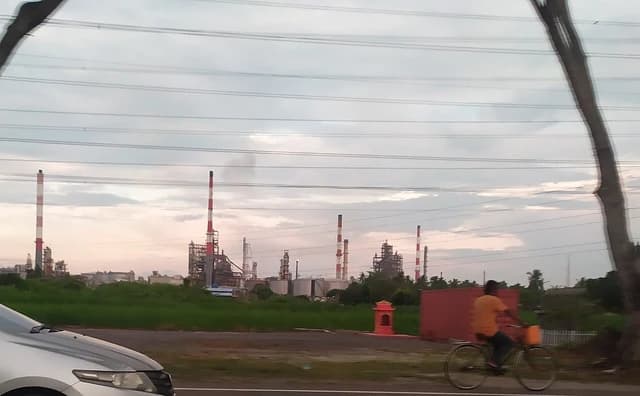
That is why investors should watch not just the headline price move, but whether the weakness starts showing up in energy equities and in technical momentum. Shares tied to crude, including broad energy ETFs such as XLE and oil-focused vehicles like USO, can move sharply when traders shift from supply fear to demand caution. When the 50-day moving average starts to roll over and RSI readings cool from stretched levels, it usually tells you sentiment is changing before the fundamentals fully show it.
Long term, the key question is whether this is a temporary virus-driven slowdown or the start of a more durable reset in consumption. If demand stabilizes and OPEC restrains supply, crude can recover quickly. If not, the market may have to absorb cheaper oil for longer. Either way, oil remains a sector where discipline, diversification and a multi-year view matter more than trying to call every swing. Worth keeping on the watchlist.
| Entity | Gains | Losses |
|---|---|---|
| Fuel users | ▲Lower input costs | ▼— |
| Oil producers | ▲— | ▼Softer crude prices |
| OPEC members | ▲Higher volumes sold | ▼Lower price leverage |
| Energy ETFs/longs | ▲— | ▼Near-term price pressure |