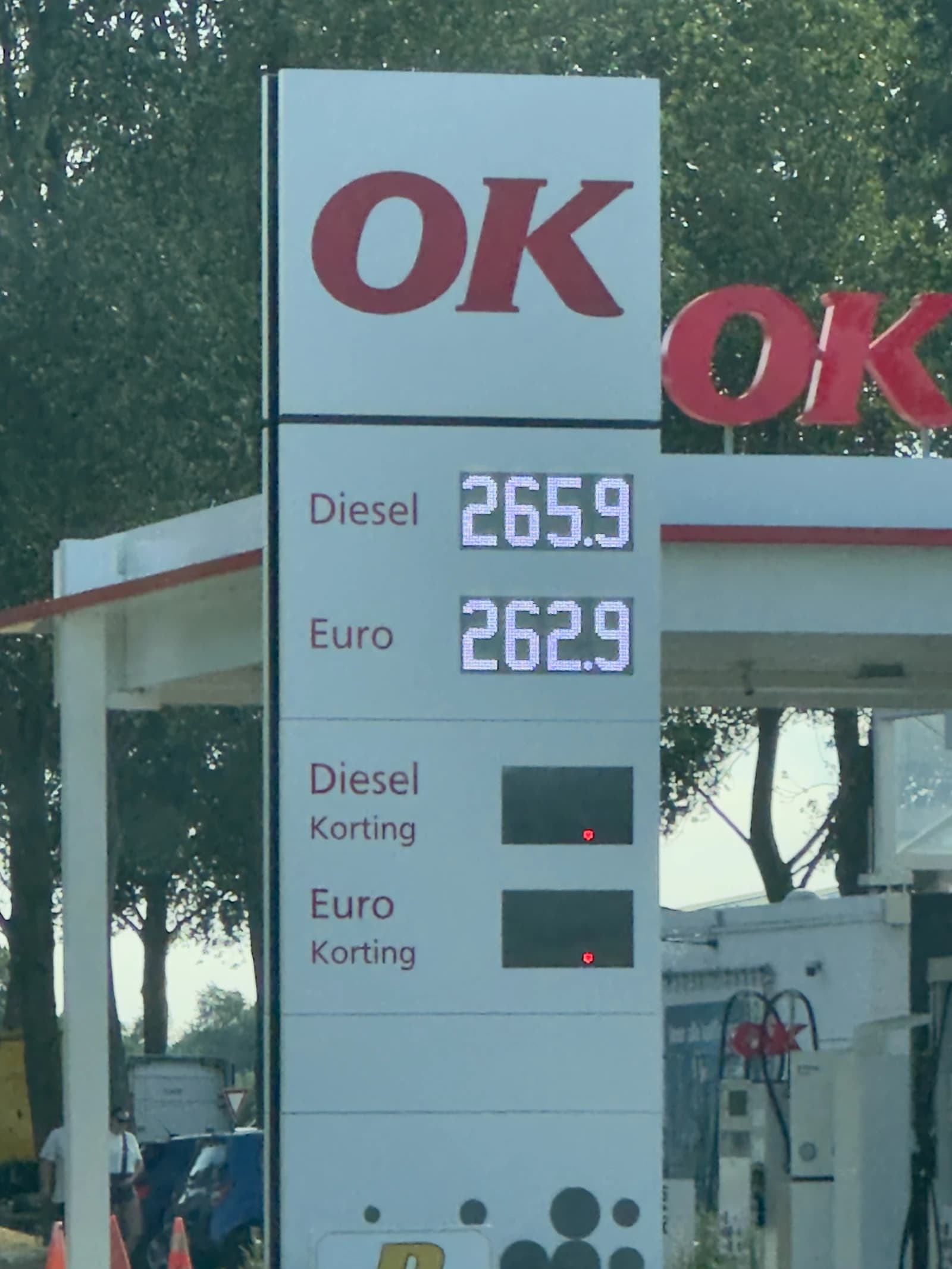
WTI crude oil sank 3.48% to $89.64 a barrel in New York, dragging benchmark prices back below the closely watched $90 level and rattling energy traders after a stretch of elevated volatility.
WTI Crude Falls Below $90 as Brent Slides
The move matters because crude near $90 has been a key pressure point for inflation, fuel costs and corporate margins. A drop of this size eases near-term cost burdens for refiners, airlines, transport firms and consumers, while also cooling the inflation impulse that higher energy prices feed into central-bank policy.
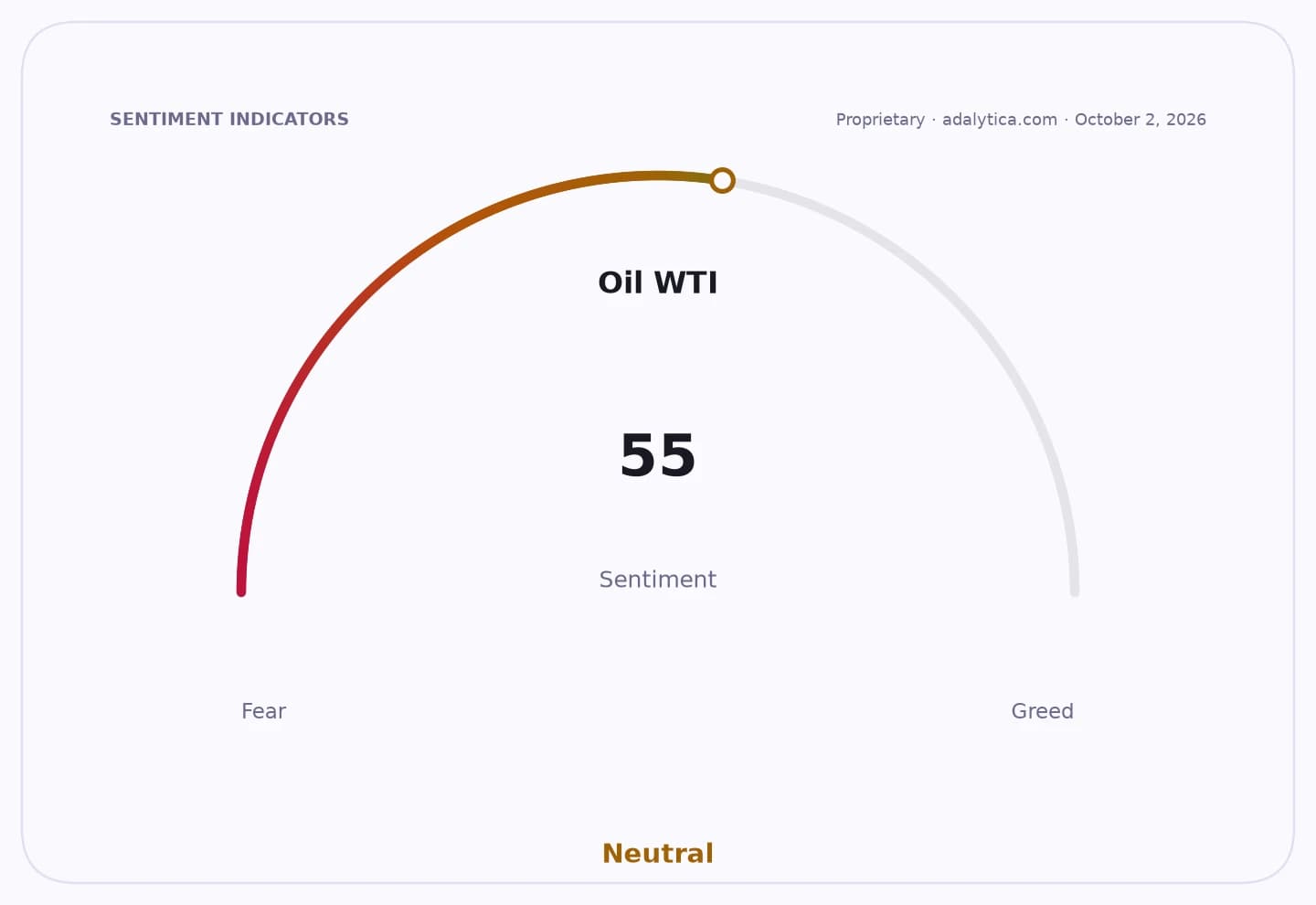
Sentiment IndicatorsⓘProprietary · adalytica.com · October 3, 2026
This is a snapshot — live sentiment, awareness and momentum for 130+ markets update continuously in the dashboard.Open AlphaPulse
Brent, the global benchmark, also fell 2.55% to $99.70, underscoring that the decline was broad rather than confined to the U.S. contract. The selloff comes even after recent spikes tied to supply tightness and geopolitical risk, including concerns over disruptions in key producing regions and talk of coordinated reserve releases to cool the market.
For investors, the slide is a mixed read. Lower crude prices can lift margin-sensitive sectors and ease recession fears tied to energy shock economics, but they also pressure producers, oilfield service names and energy-heavy indices such as XLE. The ETF was holding around $62.82 in recent trading, while the U.S. Oil Fund USO has shown sharp swings, with Adalytica’s WTI trade signals flagging “Extreme Fear” in awareness after a 16% one-day drop.
Technical indicators also point to a softer tone in oil-linked markets. USO’s latest relative strength index has slipped to 41.5, down from overbought readings earlier in the month, while WTI futures closed at $91.26 on the most recent session after a three-day run of volatile trading around the low-90s.
The next catalyst is whether the pullback extends if supply concerns ease further or whether renewed geopolitical tension snaps prices back higher. For now, the market is repricing oil from a fear-driven rally toward a test of whether $90 WTI can hold.
| Entity | Gains | Losses |
|---|---|---|
| Airlines and transport firms | ▲Lower fuel costs | ▼Less hedging relief |
| Consumers and importers | ▲Easier inflation pressure | ▼None |
| Oil producers and oilfield services | ▲None | ▼Lower realized prices |
| XLE / energy bulls | ▲None | ▼Sector underperformance |