Europe is staring at the prospect of another energy shock, and this one could hit harder because it comes with tighter oil, diesel and LNG markets all at once.
Europe Energy Shock Risks Oil, Diesel and LNG
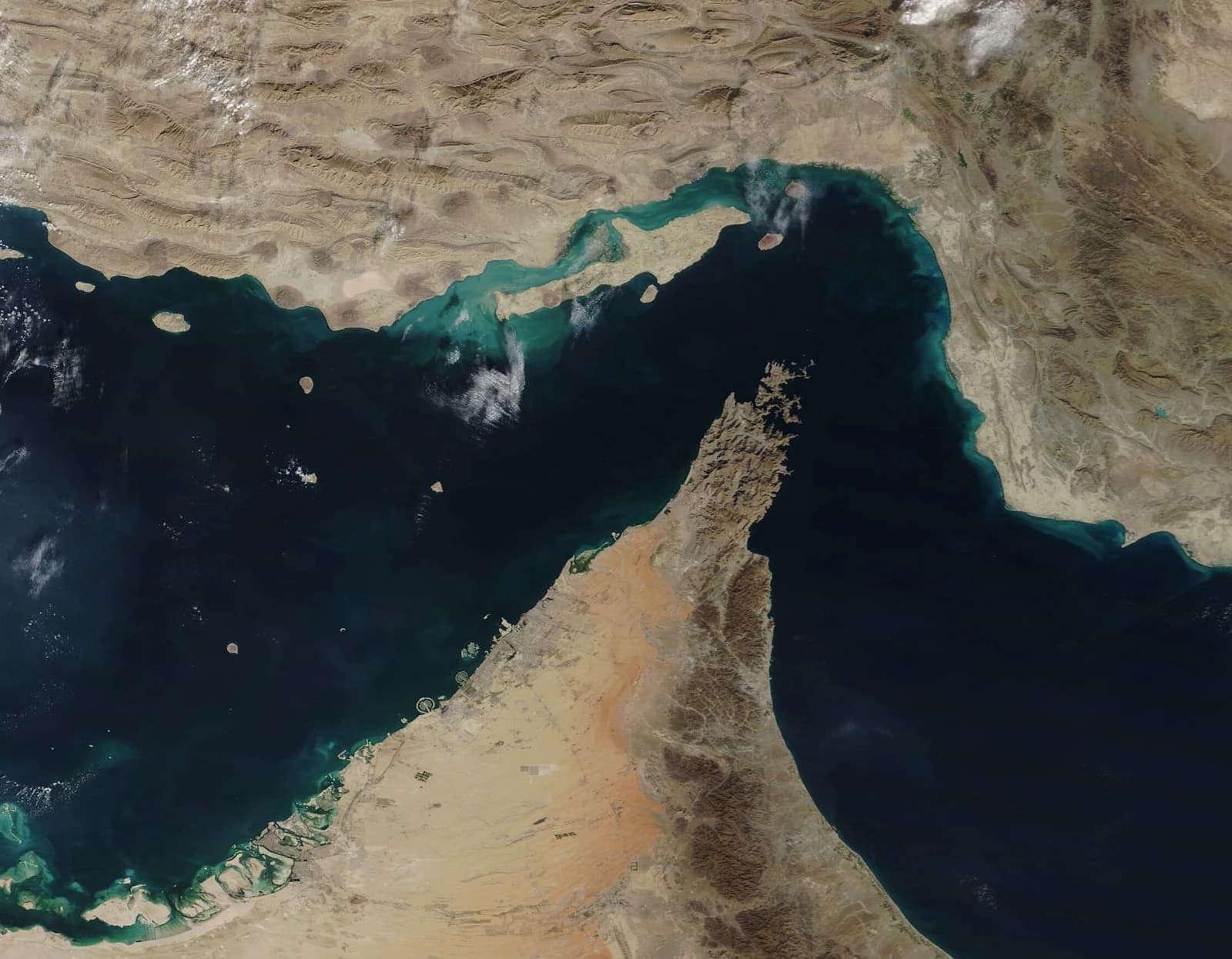
For investors, that matters because Europe is still a net importer of the fuels that keep its factories running, its trucks moving and its homes heated. When supply lines through the Strait of Hormuz, the Red Sea and key Russian refining channels are all under pressure, the result is rarely just a headline spike in crude. It can ripple through diesel margins, shipping costs, power bills and industrial output.
Sentiment IndicatorsⓘProprietary · adalytica.com · October 5, 2026
This is a snapshot — live sentiment, awareness and momentum for 130+ markets update continuously in the dashboard.Open AlphaPulse
The immediate warning sign is oil. With only a limited number of ships now willing to pass through the Strait of Hormuz, and Saudi Arabia’s East-West pipeline disrupted for more than a week by attacks linked to Iran-backed militias, the world’s most sensitive crude corridor has become less reliable. Saudi supply to Europe has also thinned as its Red Sea refineries have run below capacity. At the same time, Russia is preparing to extend its diesel export ban for another month after drone strikes damaged refining assets, further squeezing a market Europe relies on heavily.
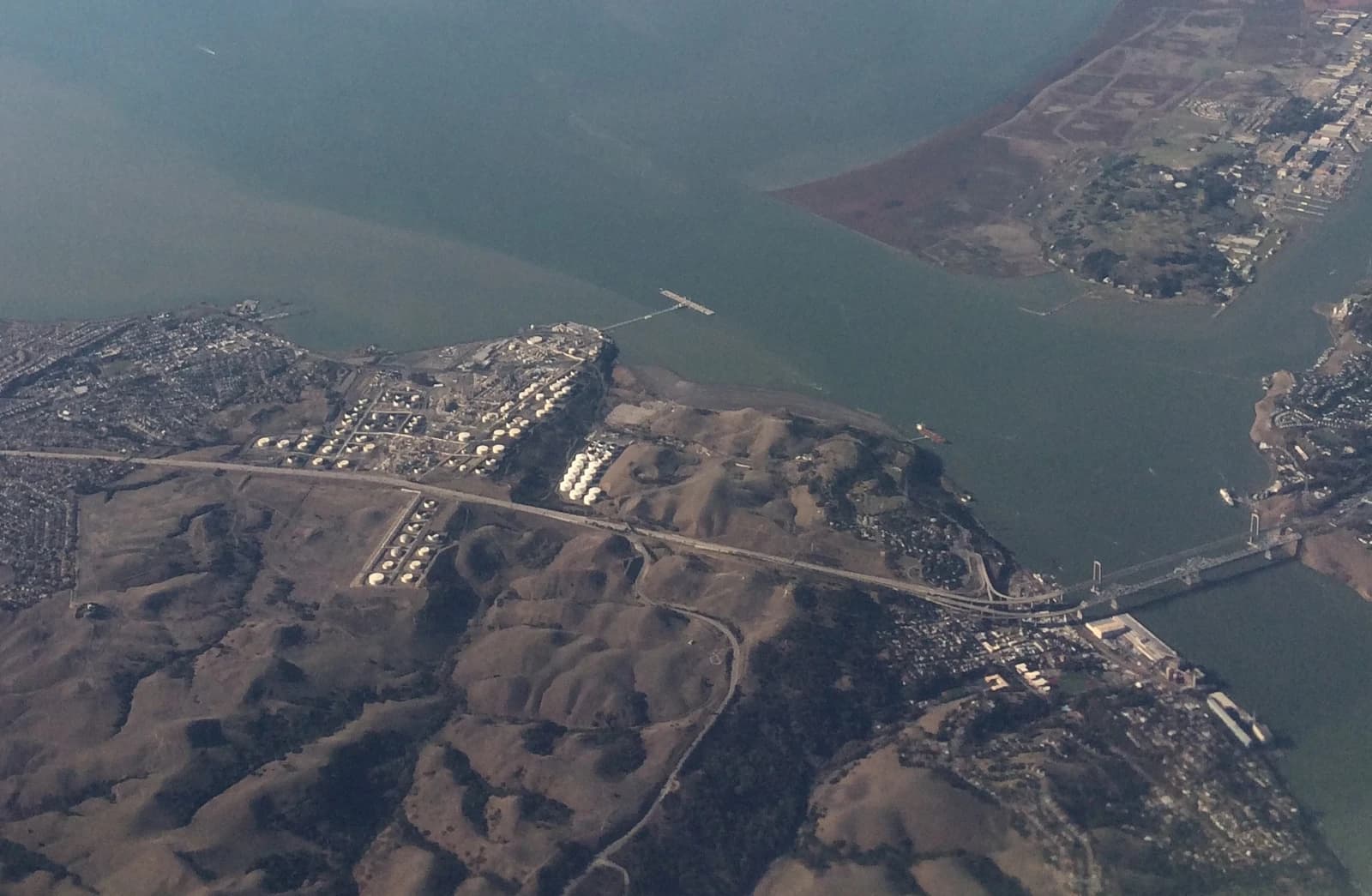
That combination is especially dangerous because diesel is the lubricant of the real economy. Unlike gasoline, it feeds freight, agriculture, construction and much of Europe’s manufacturing base. When diesel tightens, inflation pressure can return even if central banks are reluctant to think about another supply shock. It also tends to be a bigger problem for Europe than for the U.S., because the continent depends more on imported refined products.
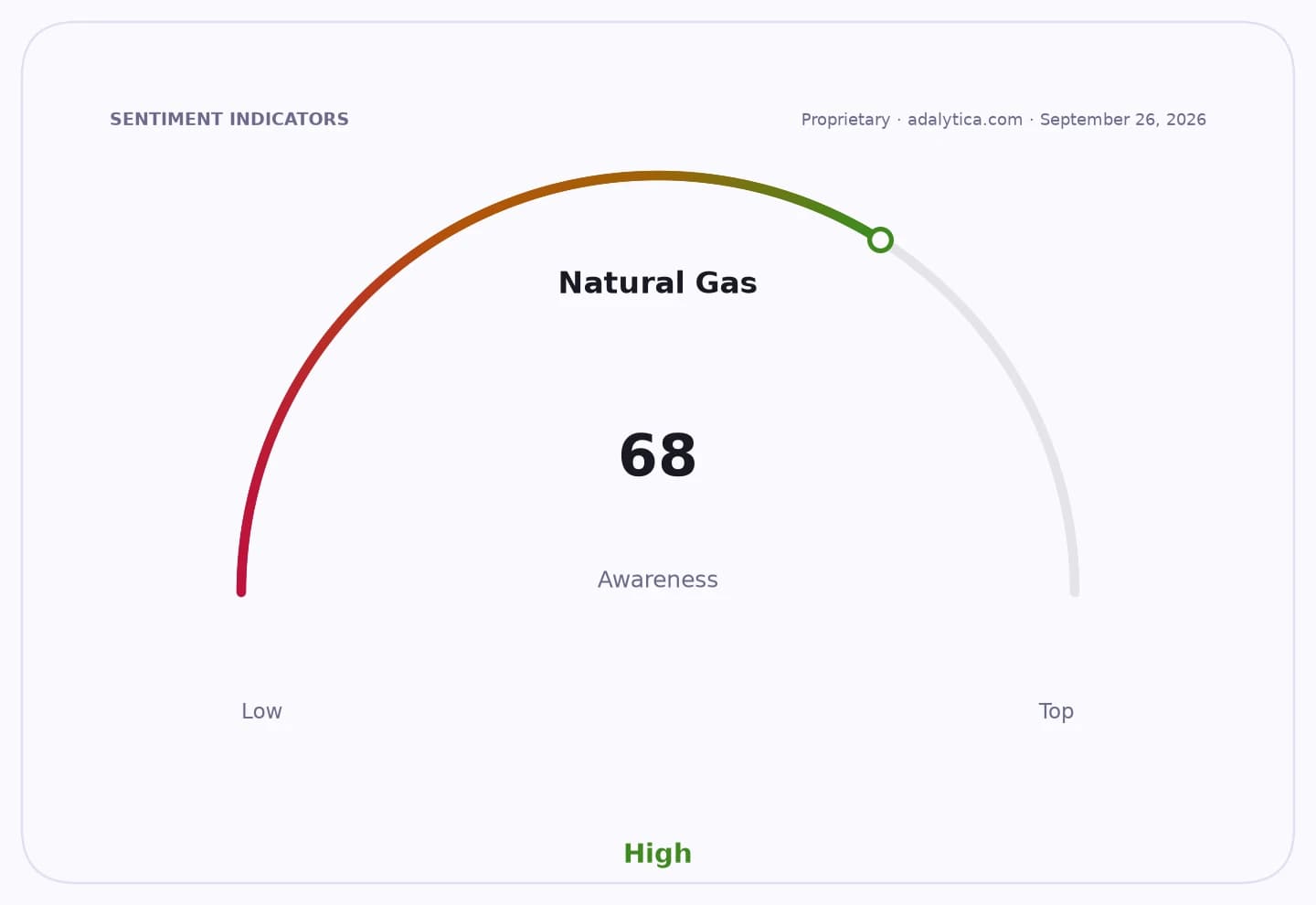
Natural gas is hardly in a safer place. European LNG inventories are sitting at their lowest level in a decade, about 20 percentage points below normal for the season, according to the context provided. Qatar has effectively been sidelined by the Hormuz disruption, Norwegian flows are close to maxing out and competition from Asia has intensified. That is a bad mix for utilities, chemical producers and any business that still uses gas as a core input.
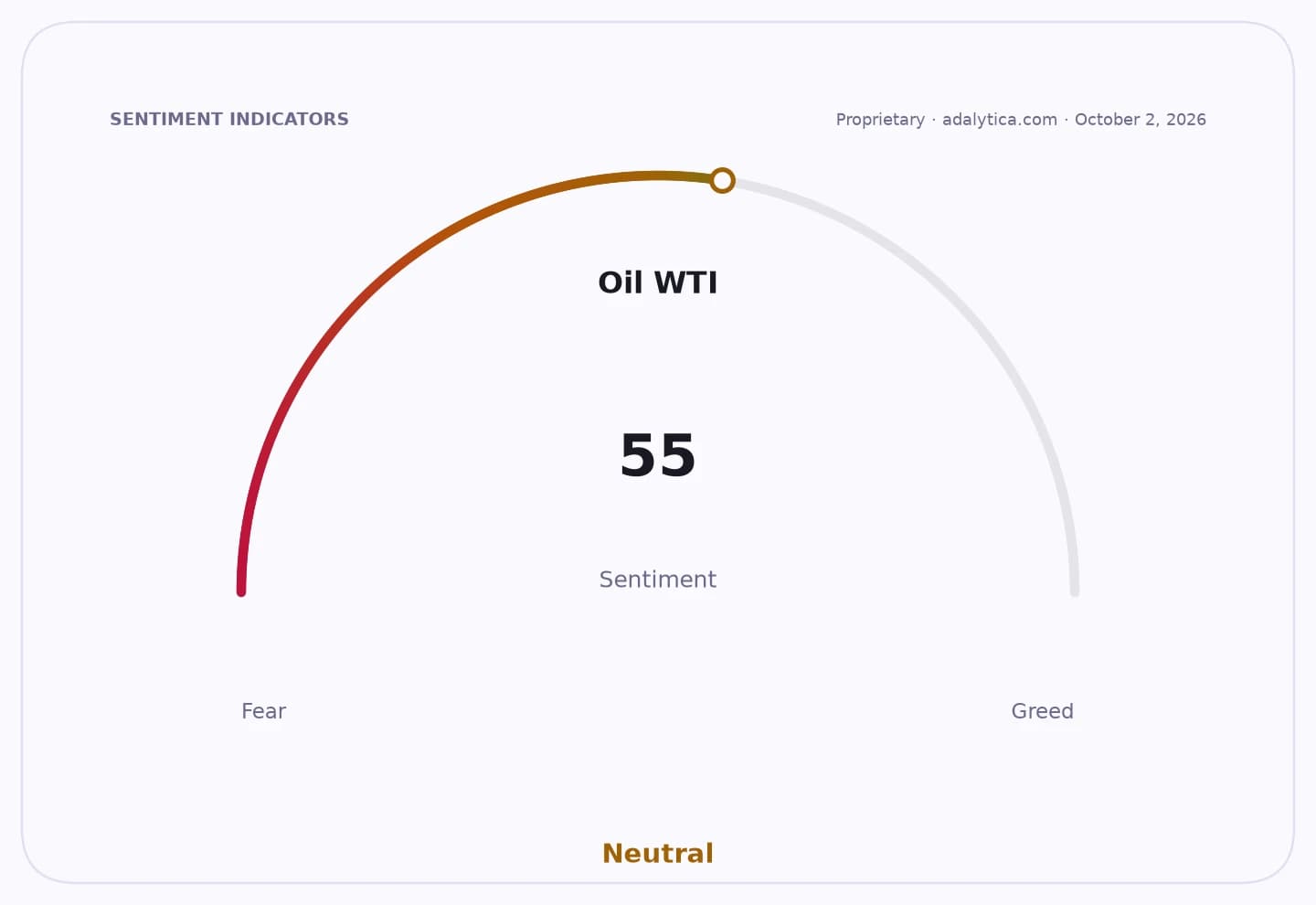
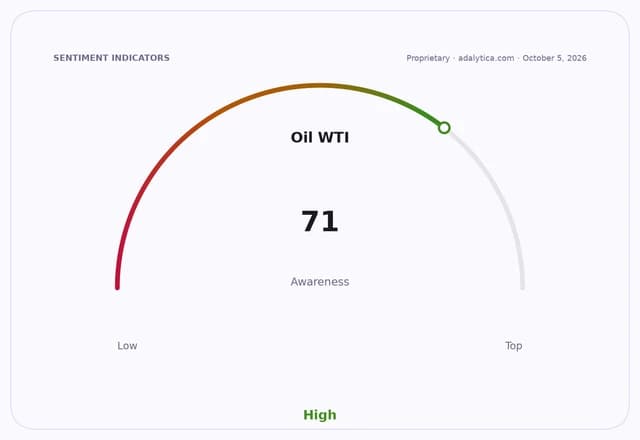
The market has already been telling the story. U.S. crude proxy USO has surged sharply this year and remains well above its long-term moving averages, while the Adalytica.com oil trade snapshot still shows heightened “awareness” even after a recent pullback. In plain English: investors are paying attention because the risk of a supply shock has not gone away. The dollar, meanwhile, is flashing fear in the Adalytica.com gauge, a sign that commodity stress is feeding broader uncertainty.
The larger lesson for long-term investors is that Europe’s energy transition can no longer be viewed only through a climate lens. Security of supply is now the more urgent issue. That does not mean abandoning the shift to renewables. It means recognizing that the transition will have to be slower, more diversified and better backed by storage, strategic reserves and flexible fuel infrastructure than policymakers have assumed.
Companies with global upstream assets, LNG exposure and refining capacity may gain pricing power if this lasts. European industrials, transport operators and energy-intensive manufacturers are the vulnerable ones. And for households, the risk is a familiar one: higher energy bills arriving just as the region still has not fully shaken off the last crisis.
For investors, the takeaway is straightforward. Energy security is becoming a structural theme, not a temporary trade. Europe needs more domestic generation, more resilience and less dependence on single chokepoints. That is a long-term investing problem — and, for the right energy, utility and infrastructure names, potentially a long-term opportunity.
| Entity | Gains | Losses |
|---|---|---|
| Oil producers | ▲Higher pricing power | ▼Demand destruction risk |
| LNG exporters | ▲Stronger spot prices | ▼Buyers with tight inventories |
| European refiners | ▲Wider margins | ▼Transport and industry |
| European consumers | ▲Little, if any | ▼Higher fuel and heating bills |