Germany’s fuel market is showing a rare and economically meaningful split: gasoline is climbing back toward record highs even as diesel eases, underscoring how little of the latest pump pain can be explained by crude alone and how much is being driven by taxes, margins and market power.
Germany fuel prices near record as diesel eases

At the center of the debate is the gap between what drivers are paying and what oil markets justify. The ADAC says Super E10 now averages 2.183 euros a liter nationwide, up 2.8 cents in a week and close to the all-time high seen in March 2022, while diesel has slipped to 2.232 euros a liter, down 1.6 cents over the same period. That divergence matters because it suggests German fuel prices are no longer moving in lockstep with underlying oil costs, but are instead being shaped by pricing practices, refinery bottlenecks and a heavy tax load.
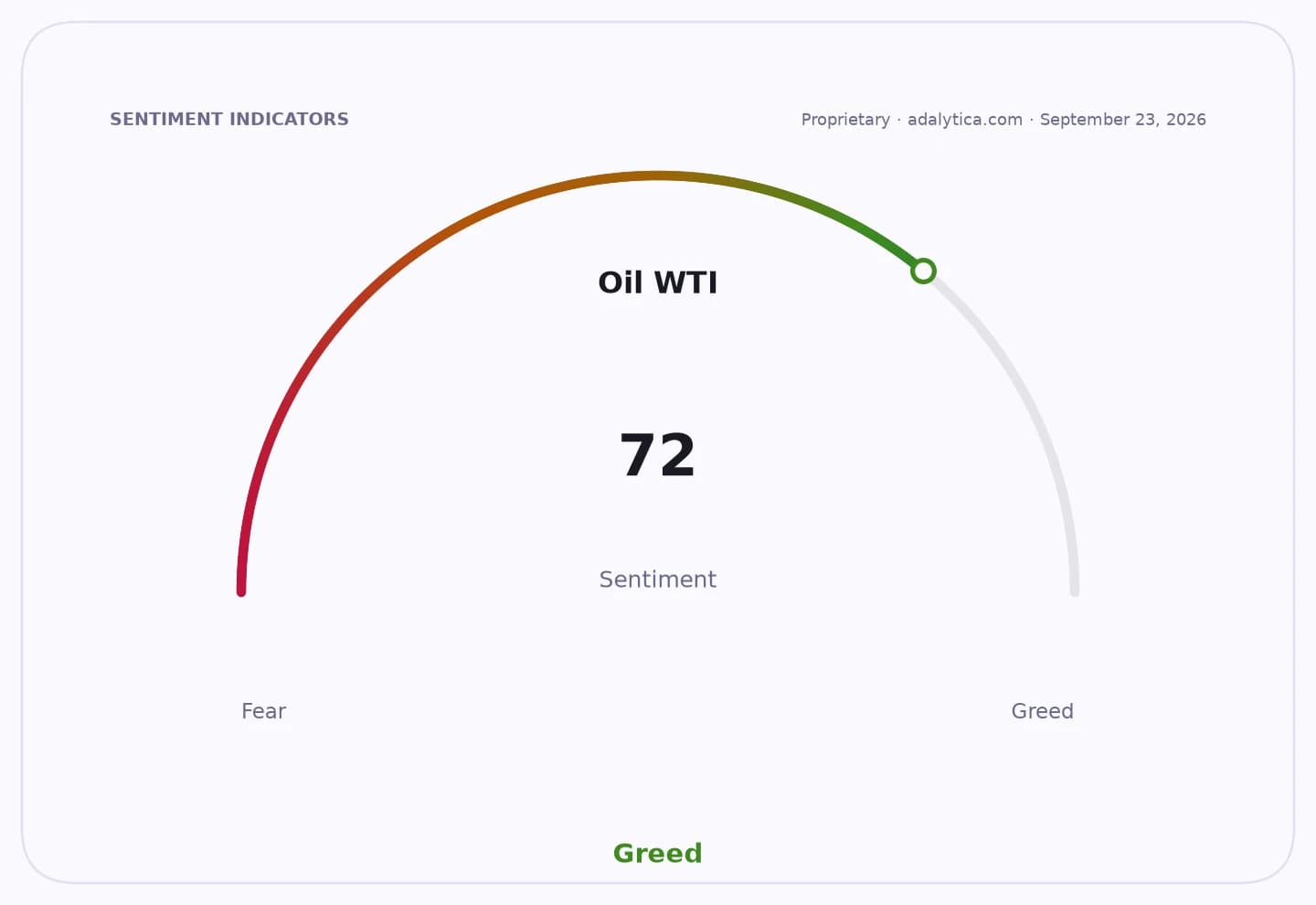
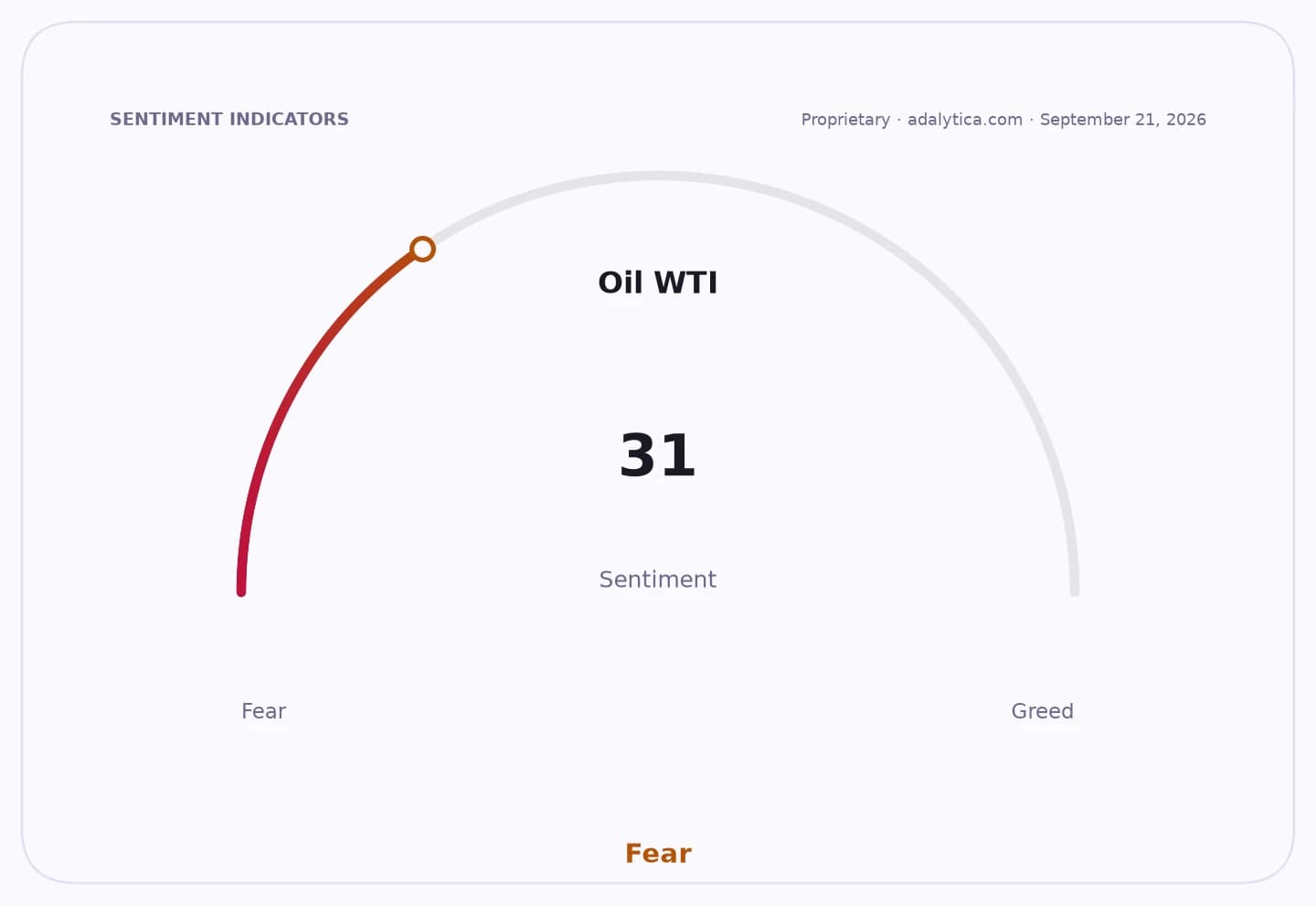
Sentiment IndicatorsⓘProprietary · adalytica.com · September 4, 2026
This is a snapshot — live sentiment, awareness and momentum for 130+ markets update continuously in the dashboard.Open AlphaPulse
The immediate trigger is geopolitical, not domestic. Renewed fighting between the US and Iran has helped push Brent back to about $95 a barrel, roughly an 8% rise, while low water on the Rhine is complicating fuel logistics into Europe’s inland market. Yet even with crude firmer, the absolute level of oil remains well below the peaks that drove the 2022 shock, making the return to near-record pump prices harder to defend on cost grounds.
That is why the story has become politically combustible in Germany. ADAC is openly arguing that the current price level is “artificially inflated,” and Finance Minister Lars Klingbeil is drawing criticism as households see little relief from promises of fiscal intervention. The state, however, is also part of the pricing chain: energy tax, the CO2 levy, the THG quota and VAT all compound at the pump, leaving policymakers with limited room to blame only the multinationals.
For investors, the implications are mixed. Higher retail fuel prices and wider refining margins are supportive for integrated oil majors, especially in a market where downstream spreads have remained strong. Exxon Mobil, Chevron and ConocoPhillips have all shown the benefit of tight energy markets and elevated margins in recent filings, while European consumers face the opposite end of the trade: higher transport costs and another inflationary push just as growth remains fragile.
The bull case for oil companies is that Middle East risk keeps inventories tight and pricing power intact. The bear case is that political backlash eventually feeds into windfall-tax talk, tougher pricing scrutiny or temporary relief measures, particularly if crude retreats while pump prices stay elevated. September’s next move in crude and any shift in Rhine logistics will be watched closely, but for now the bigger market message is that German motorists are paying for more than oil.
| Entity | Gains | Losses |
|---|---|---|
| Oil majors | ▲Wider margins | ▼Political scrutiny |
| German drivers | ▲Lower diesel prices | ▼Near-record gasoline costs |
| German state | ▲Tax revenue | ▼Public backlash |
| Integrated refiners | ▲Stronger downstream spreads | ▼Demand erosion risk |