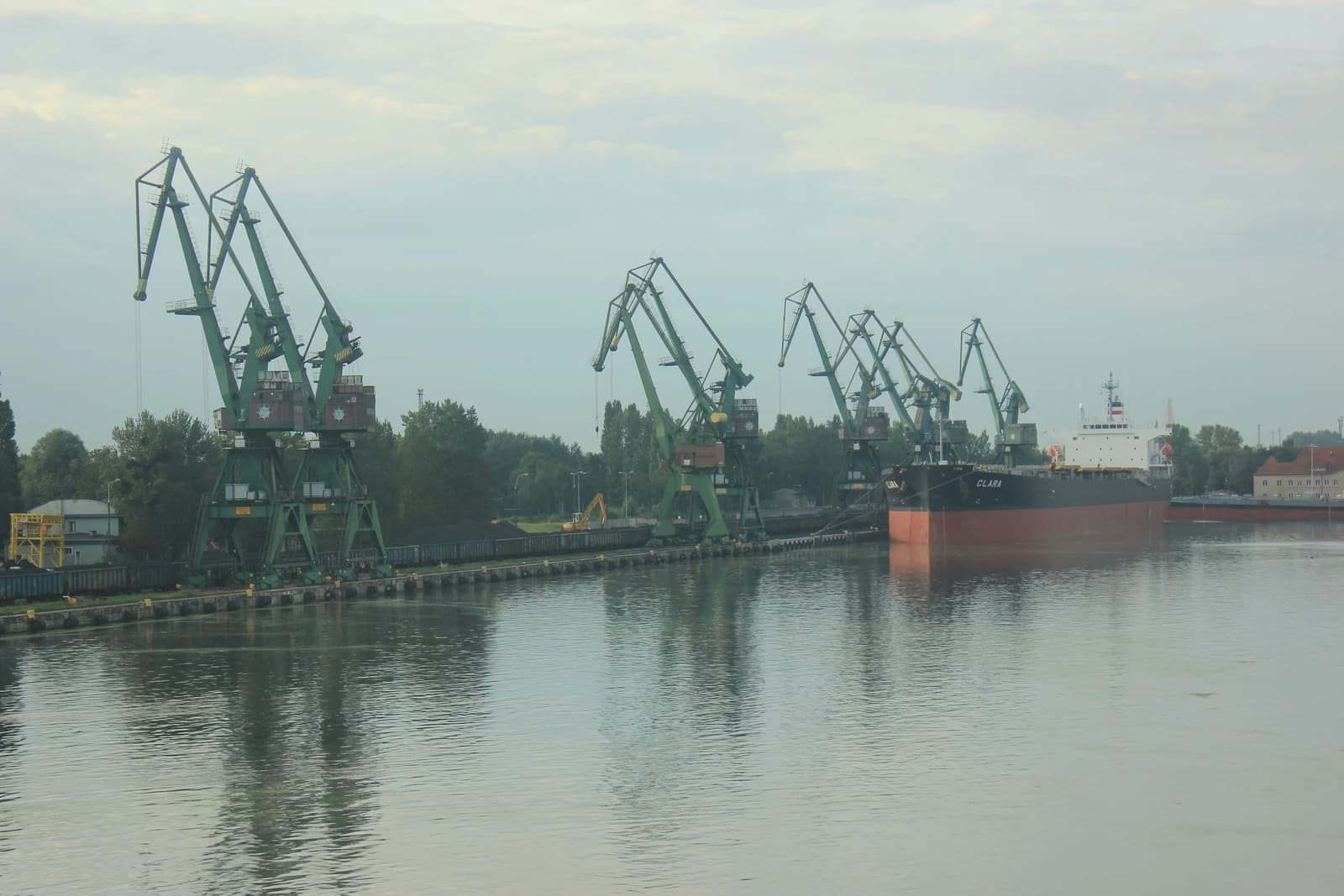
Ineos has paused production at three chemicals plants in Hull after a sharp jump in UK gas prices made the site uneconomic, underscoring how Europe’s energy squeeze is still capable of knocking out core manufacturing capacity and rippling through supply chains.
Ineos pauses Hull chemical plants after gas price jump
The move matters far beyond one company. These plants make raw materials used in pharmaceuticals, clothing, cosmetics, construction and military explosives, so any prolonged stoppage tightens an already fragile industrial base and raises the risk of higher input costs for downstream manufacturers. Ineos said around 1,000 employees would be directly affected, including 245 at the sites, with another 3,000 skilled jobs in Humberside potentially hit by knock-on effects.
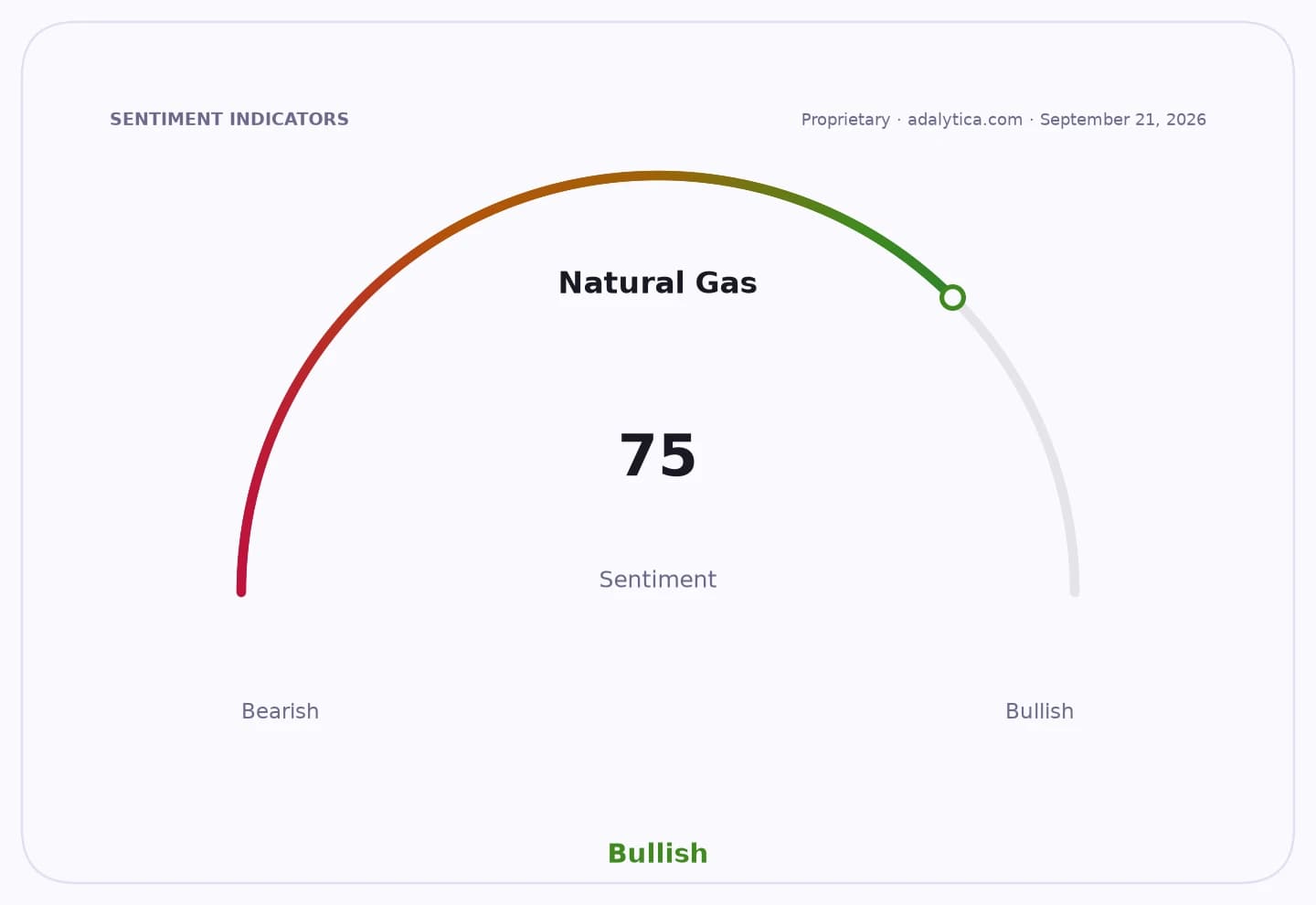
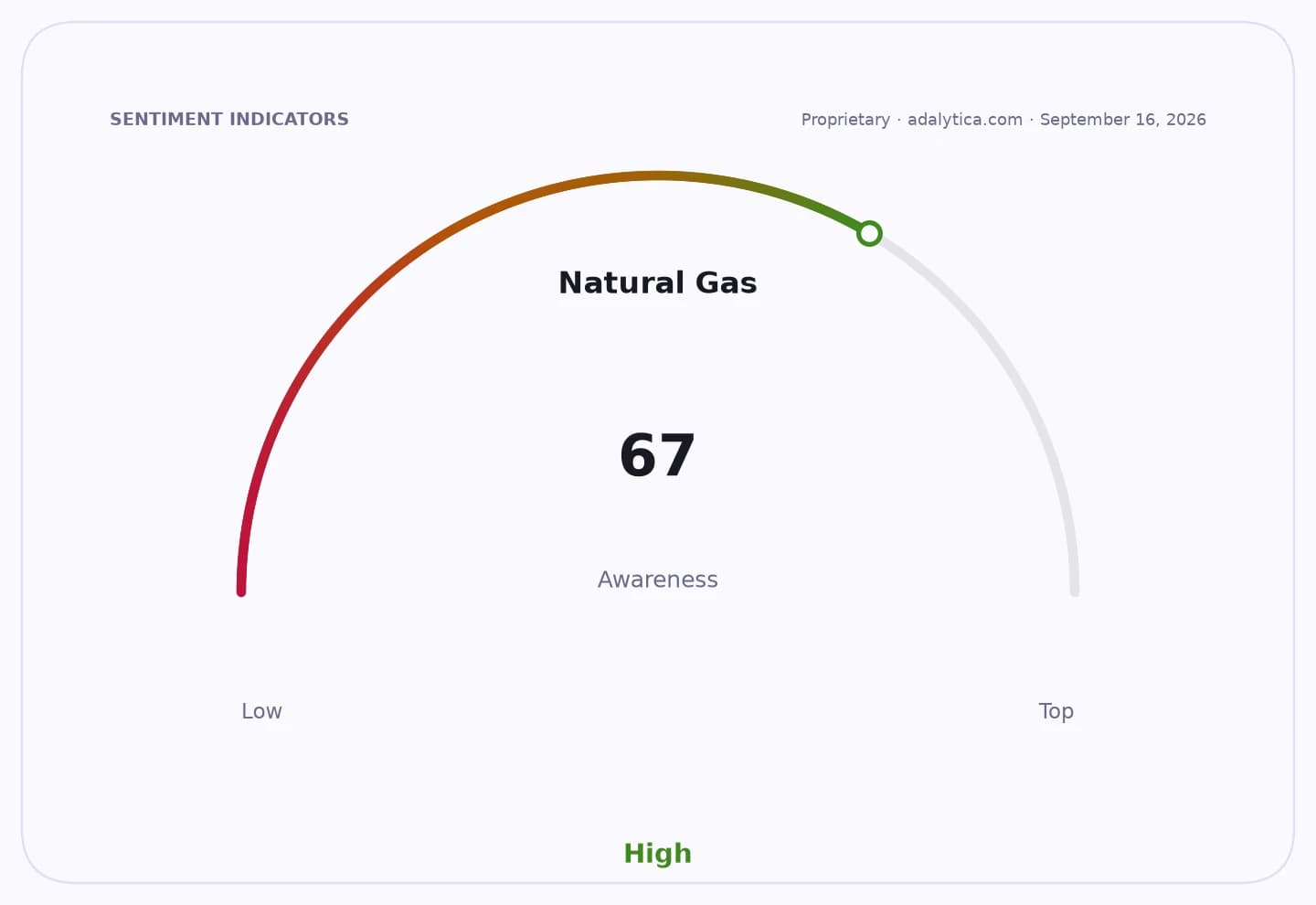
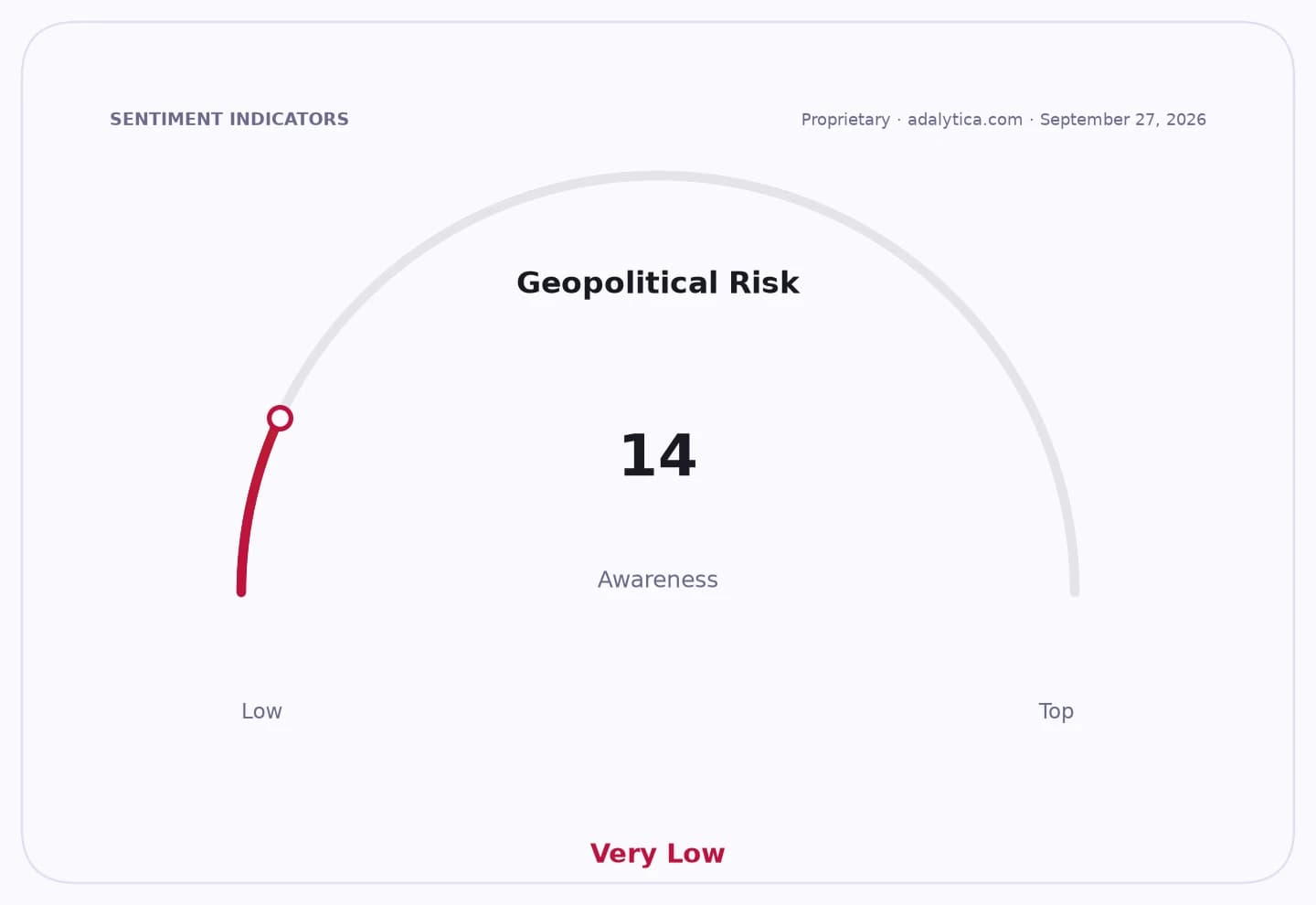
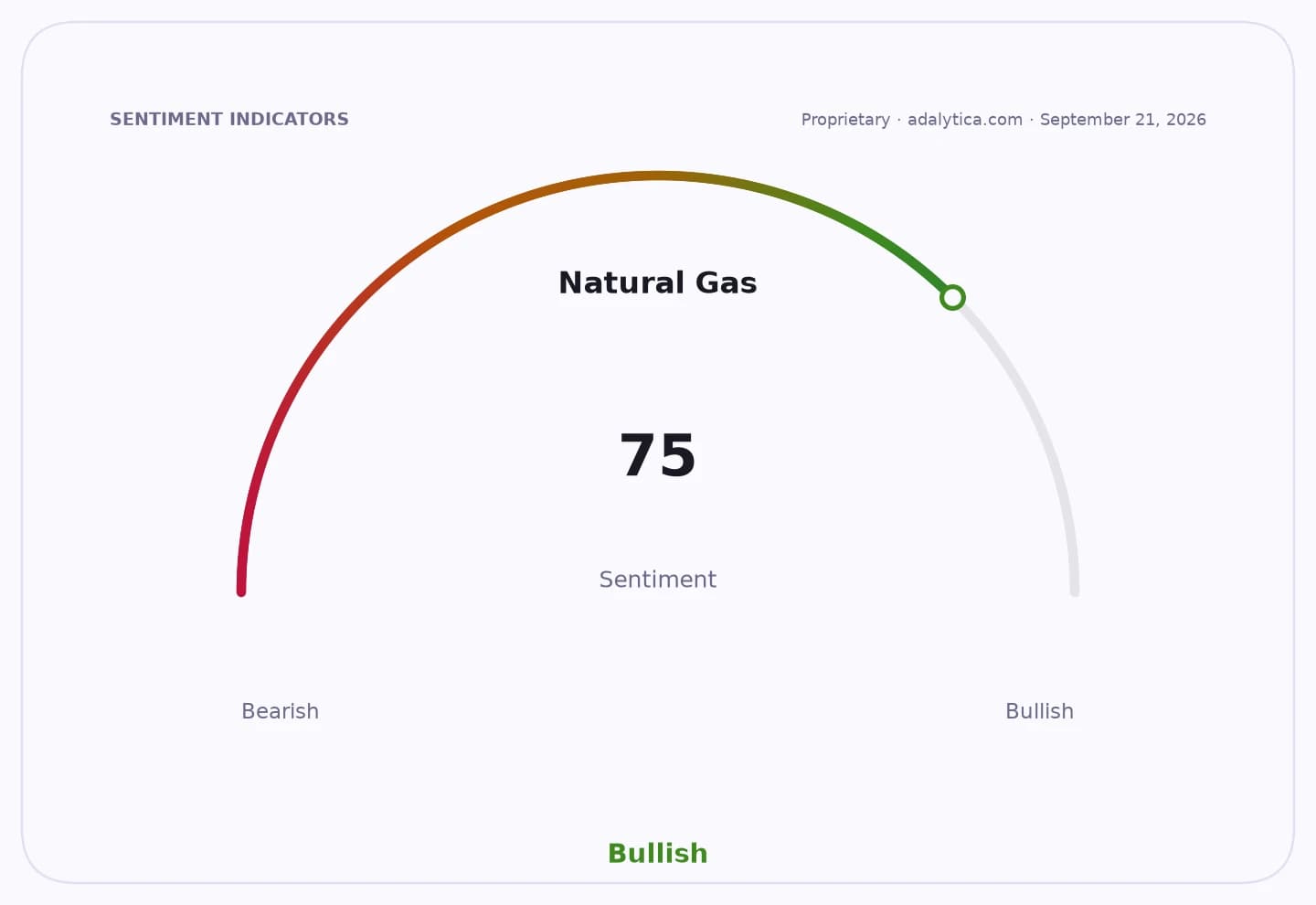
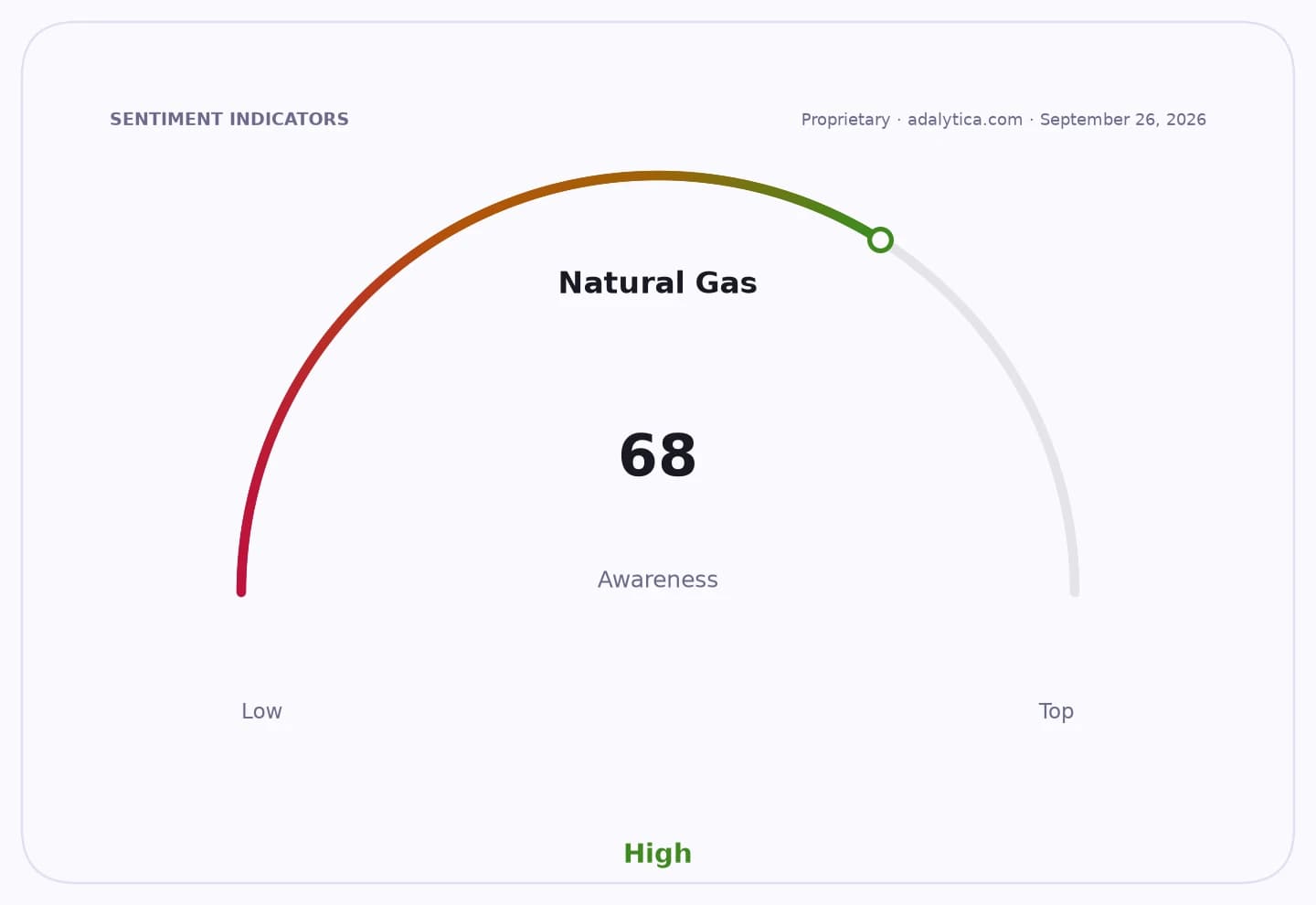
Sentiment IndicatorsⓘProprietary · adalytica.com · September 26, 2026
This is a snapshot — live sentiment, awareness and momentum for 130+ markets update continuously in the dashboard.Open AlphaPulse
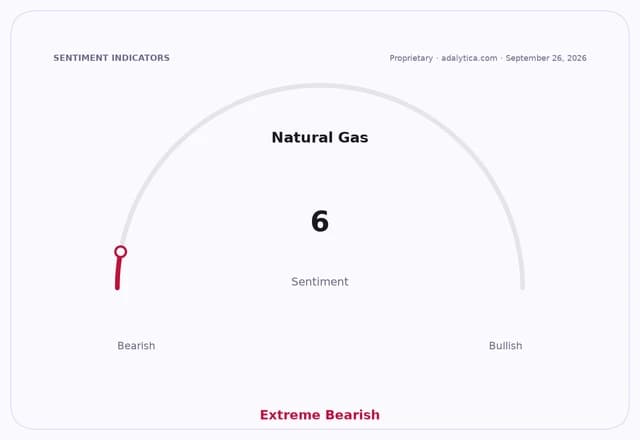
The decision is a stark reminder that the gas market is still setting the tone for Europe’s industrial outlook. UK natural gas prices have roughly doubled from July to September, recently hitting their highest level since December 2022, according to the data context, as geopolitical tensions in the Middle East and disruption risk in the Strait of Hormuz fed into energy markets. For energy-intensive producers, that kind of move quickly turns into a margin shock.
What makes this especially important for investors is that it exposes a broader fault line in European industrials: companies tied to gas-fired process heat do not have the same flexibility as light manufacturers or software firms. When feedstock and power costs spike, output can be curtailed, jobs can be cut and capital spending gets delayed. That is why the market keeps rewarding businesses with either energy self-sufficiency or pricing power, while punishing those trapped in commodity-cost exposure.
The wider signal is that Europe’s manufacturing recovery remains hostage to energy volatility. The region’s power producers have already been forced back toward coal in some cases, and the Hull pause suggests high gas prices are now crossing from a macro concern into an operating reality for industrial companies. The pressure will likely keep building unless energy prices ease or governments move more aggressively to cushion strategic sectors.
For investors, the trade is clear: stay cautious on gas-dependent European chemicals and industrial names, and look instead for beneficiaries with exposure to LNG infrastructure, energy supply chains, utilities and firms that can pass through higher costs. In this market, expensive gas is not just a headline risk — it is a catalyst for winners and losers across the industrial economy.
| Entity | Gains | Losses |
|---|---|---|
| LNG suppliers | ▲Higher demand | ▼None from this move |
| UK gas producers/traders | ▲Stronger pricing | ▼Margin pressure easing |
| European chemicals makers | ▲Possible scarcity pricing | ▼Higher costs, outages |
| Hull workers/suppliers | ▲Limited benefit | ▼Job losses, lower activity |